
Sauces & Condiments
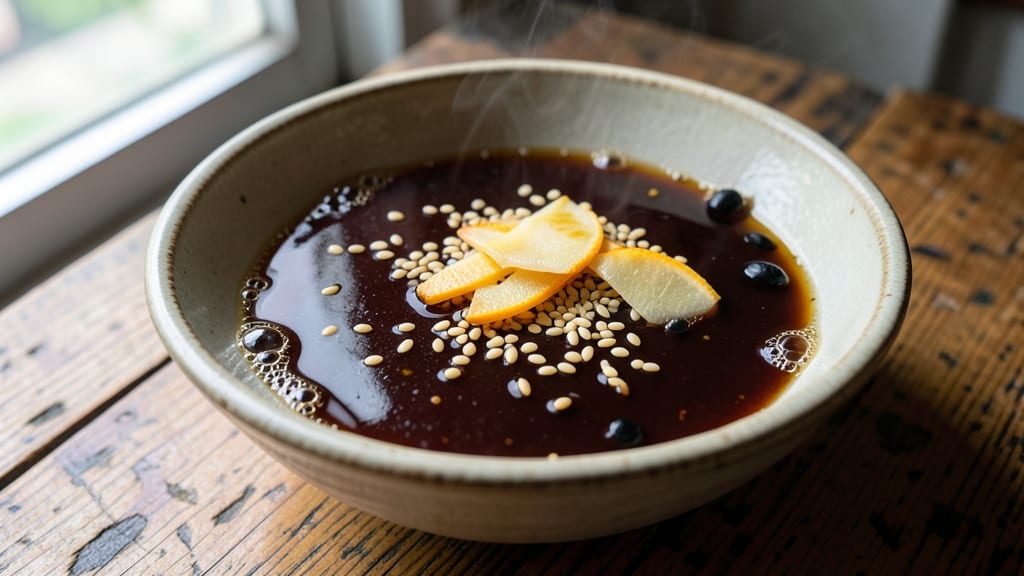
This authentic gyoza dipping sauce transforms ordinary dumplings into a restaurant-worthy experience with its perfect balance of umami, tang, and subtle heat. The secret lies in reducing soy sauce and rice vinegar until thick and glossy, then finishing with fresh ginger and toasted sesame oil for depth.
I developed this recipe after years of testing—it’s the one that finally convinced even my pickiest friends to try homemade gyoza.
What makes this sauce truly special is the crispy sesame topping, which adds texture and visual appeal without overpowering the delicate flavors. The recipe calls for just five core ingredients, but the technique—simmering the sauce until syrupy—elevates it to professional-level quality.
No shortcuts here; this is the kind of sauce that pairs perfectly with both pan-fried and steamed gyoza, enhancing their savory filling with every dip.
The result is a glossy, aromatic sauce with a velvety consistency that clings beautifully to dumplings. The ginger adds a bright, fresh contrast to the soy’s richness, while a touch of chili oil (optional) introduces just enough heat to keep things interesting.
Unlike store-bought versions, this sauce develops deeper flavor the longer it sits—ideal for making ahead and storing in the fridge for up to a week.
Serve it warm alongside your gyoza for the full experience, or use it to elevate other Asian-inspired dishes like ramen or bao buns. The crispy sesame garnish isn’t just for looks—it adds a satisfying crunch that balances the sauce’s smoothness.
Ready to take your dumpling game to the next level? Let’s make this sauce.
Ingredients for authentic gyoza dipping sauce
Five core ingredients create this restaurant-quality sauce with perfect umami-tang balance.
| Ingredient | Amount | Notes |
|---|---|---|
| Light Soy Sauce 🍶 | ½ cup | High-quality, reduced for depth |
| Rice Vinegar 🍶 | ¼ cup | Seasoned preferred for balance |
| Fresh Ginger 🧄 | 1 ½ tbsp | Finely grated, aromatic |
| Toasted Sesame Oil 🫒 | 1 tbsp | High smoke point preferred |
| Granulated Sugar 🍯 | 1 tbsp | Balances acidity, adjust to taste |
| White Sesame Seeds 🌾 | 2 tbsp | Toasted until golden crisp |
| Chili Oil 🌶️ | ½ tbsp | Optional, for subtle heat |
| Water 💧 | ¼ cup | For thinning if needed |
The soy sauce and rice vinegar form the sauce’s foundation—Kikkoman or Japanese import brands deliver the most authentic flavor. Look for light soy sauce (not dark) to avoid overpowering bitterness. Fresh ginger is non-negotiable here; its bright, zesty notes cut through the sauce’s richness. For the sesame oil, Japanese brands like Kadoya offer superior toasted depth, though Trader Joe’s has a solid budget option. The sugar isn’t just sweetness—it’s what prevents the sauce from becoming too sharp, so don’t skip it even if you’re not a fan of sweets.
No light soy sauce? Dark soy sauce at half the amount works in a pinch, though the color will be deeper. Substituting apple cider vinegar for rice vinegar changes the flavor profile slightly—expect more tartness. For the ginger, powdered ginger at one-third the amount can work, but fresh is ideal. The sesame seeds? Black sesame seeds add visual contrast but alter the flavor slightly. If you’re avoiding gluten, tamari replaces soy sauce perfectly. The chili oil is truly optional—some prefer the sauce’s clean ginger-soy balance without it, while others find it essential for that restaurant-style kick.
This sauce develops deeper flavor when made ahead—store in an airtight container for up to 1 week in the fridge, with the crispy sesame topping added fresh before serving. For longer storage, freeze the sauce (without the sesame seeds) for up to 3 months. The sesame seeds toast best in a dry skillet over medium heat for 2-3 minutes, stirring constantly to prevent burning. For serving, reheat the sauce gently—microwave in 20-second bursts or warm in a small saucepan to maintain its glossy texture without breaking the emulsion.
Why You'll Love This Recipe
- Five-Ingredient Magic: I swear by this combo—just soy, vinegar, ginger, sesame oil, and sugar. That’s it. No fancy pantry raid, no measuring cups stressing me out. Honestly, I’ve made it blindfolded (okay, maybe not, but you get the point).
- Umami-Packed Punch: The ginger gives it that warm, zesty kick while the toasted sesame oil adds depth—like a little hug for your taste buds. Between us, this sauce turns plain gyoza into ridiculously good bites. The sugar balances the tang, so it’s never too sharp or too salty.
- Party or Pantry: Serve it with gyoza, dumplings, or even grilled meats—it’s my go-to for game nights or lazy Sundays. I’ve even drizzled it over noodles when I’m in a pinch. (Yes, even on a Tuesday night when takeout feels like work.)
- Lasts All Week: Make a double batch and store it in the fridge—it keeps for days without losing flavor. Budget-friendly? Absolutely. I’ve used this to stretch leftovers into new meals, and the cost per serving is laughable. Plus, no waste when you’re feeding a crowd.
Step-by-step instructions for authentic gyoza dipping sauce
This sauce delivers the perfect harmony of umami, brightness, and texture that elevates every bite.
Toast the Sesame Seeds for Crispy Topping
Heat a dry nonstick skillet over medium-low heat. Add the 2 tablespoons white sesame seeds and toast for 2-3 minutes, stirring constantly with a wooden spoon. You'll know they're ready when they turn a rich golden brown and fill your kitchen with a nutty aroma—this is the crispy topping that adds essential texture to your sauce.
Remove the seeds immediately when they begin to darken, as they burn quickly. Transfer them to a small bowl and set aside to cool slightly. These toasted seeds will provide both visual appeal and a satisfying crunch that contrasts beautifully with the smooth sauce.
Grate the Ginger and Combine Wet Ingredients
Using a fine grater or microplane, grate the 1.5 tablespoons fresh ginger until you have about 1 tablespoon of finely textured ginger. The goal is to release the aromatic oils without creating excess moisture. In a small saucepan, combine the grated ginger with 0.5 cup light soy sauce, 0.25 cup rice vinegar, and 1 tablespoon granulated sugar.
Bring the mixture to a gentle simmer over medium heat, then reduce to low heat and let it cook for 3-4 minutes until slightly reduced by about 20%. You'll notice the sauce darken slightly and develop a glossy sheen—this indicates the flavors are melding together. The sugar will help balance the acidity from the vinegar while enhancing the soy sauce's depth.
Incorporate Oil and Adjust Consistency
Remove the saucepan from heat and stir in the 1 tablespoon toasted sesame oil and 0.5 tablespoon chili oil (if using). The sesame oil adds nutty richness while the chili oil introduces subtle heat that complements the umami flavors. Let the mixture cool for 5 minutes—this allows the oils to fully integrate and the flavors to settle.
If the sauce is too thick, gradually whisk in the 0.25 cup water until you reach a smooth, pourable consistency that coats the back of a spoon. The sauce should be vibrant and glossy, with a balance between the soy's saltiness, vinegar's tang, and ginger's warmth. Taste and adjust seasoning if needed—you may want to add a touch more soy sauce for saltiness or vinegar for acidity.
Finish with Toasted Sesame Seeds
Just before serving, sprinkle the toasted sesame seeds over the sauce. Gently stir them in to distribute evenly while preserving their crispy texture. The contrast between the smooth sauce and crunchy seeds is what makes this dipping sauce authentically satisfying. The seeds should remain separate enough to provide that satisfying bite with every dip.
For best results, serve the sauce immediately while the seeds are at their crispest. The sauce will keep in the refrigerator for up to 5 days, but the texture of the seeds will soften over time. If storing, keep the seeds separate until ready to serve for optimal crunch.
Pro Tips For Making Authentic Gyoza Dipping Sauce
- Grate Ginger Fine: Skip the food processor—your fingers are faster and give you better control. Use a microplane or the smallest holes on a grater, then squeeze out every last drop of liquid with your hands. That extra moisture makes the sauce cloying, and nobody wants a soggy gyoza experience.
- Warm the Vinegar: Chill rice vinegar straight from the fridge is harsh—heat it gently (just enough to steam) before mixing. This softens its acidity and lets the ginger and sugar blend smoother. I learned this the hard way after serving a batch that tasted like someone dumped lemon juice on my dumplings.
- Balance the Sugar Last: Taste the sauce before adding sugar—soy, vinegar, and ginger can vary wildly. Start with half the recipe’s sugar, then adjust. Too sweet? A splash of vinegar fixes it. Too sharp? A pinch more sugar or a drop of sesame oil rounds it out. Trust your tongue, not the recipe.
- Toast the Oil Separately: Heat the sesame oil alone in a small pan until it just shimmers (30 seconds max)—don’t burn it, or it’ll taste bitter. Let it cool before mixing. Adding it raw dulls the nutty depth, and nobody wants a sauce that tastes like a missed opportunity.
Wine and beer pairings for this recipe
Sake Pairings
For an authentic Japanese experience, pair your gyoza dipping sauce with a crisp junmai daiginjo sake like Dassai 23 or Hakkaisan Junmai. The delicate floral notes and subtle sweetness of these premium sakes complement the sauce’s umami depth without overpowering it.
Serve the sake slightly chilled (45-50°F) to enhance its clean finish. 🍶
Light Lager Complements
A refreshing Asahi Super Dry or Sapporo lager works beautifully as a casual pairing. The crisp, clean profile of these Japanese lagers cuts through the sauce’s richness while the slight carbonation cleanses your palate between bites.
For a Western option, try a pilsner like Stella Artois—its herbal notes mirror the ginger in the sauce.
Dry Riesling Harmony
If you prefer wine, a dry Riesling from Germany’s Mosel region—like Dr. Loosen Blue Slate—brings bright acidity that echoes the rice vinegar in the sauce.
The mineral notes in Riesling also complement the sesame oil’s nuttiness. Serve it slightly cooler than room temperature (50-55°F) to preserve its crispness.
Spiced Beer for Contrast
For a bold twist, try a Japanese hoppy IPA like BrewDog Punk IPA or a lightly spiced sour ale such as Allagash White. The hop bitterness or tartness contrasts the sauce’s sweetness, while the ginger in the sauce enhances the beer’s spiced notes.
This pairing works especially well with pan-fried gyoza for a modern fusion experience. 🍺
Non-Alcoholic Options
Don’t drink alcohol? A sparkling yuzu soda or ginger beer like Feather’s mirrors the sauce’s zesty flavors. For something more traditional, try Japanese ramune—its lychee or yuzu flavors harmonize perfectly with the ginger and sesame. These options keep the refreshing contrast without the alcohol.
Nutrition facts
Frequently asked questions
Can I make this sauce without sesame oil?
Yes, but you’ll lose some of the nutty depth that makes this sauce authentic. Substitute with 1 teaspoon toasted sesame paste mixed with 0.5 tablespoon neutral oil (like vegetable or canola) for a similar flavor profile. If avoiding sesame entirely, try 1 teaspoon peanut oil for a mild alternative, though the taste will differ slightly.
How spicy should the chili oil be?
The recipe calls for 0.5 tablespoon chili oil, which should add subtle heat—not overwhelming spice. For milder heat, use 0.25 tablespoon or opt for a less potent chili oil. If you love spice, increase to 1 tablespoon and adjust to taste. Remember, the sauce’s brightness from ginger and vinegar balances the heat.
Can I make this sauce ahead of time?
This sauce tastes even better when made 1-2 days ahead—the flavors meld and deepen. Store it in an airtight container in the fridge (without the sesame seeds) for up to 5 days. Add the toasted seeds fresh before serving to maintain their crispy texture. For longer storage, freeze the sauce (without seeds) for 3 months.
What’s the best way to reheat the sauce?
Gently reheat in a small saucepan over low heat for 1-2 minutes or microwave in 20-second bursts, stirring between each, until warm. Avoid boiling to prevent separating. For the crispy sesame seeds, toast them fresh in a dry skillet over medium heat for 1-2 minutes right before serving.
Does this sauce work with other dumplings?
Yes! This versatile sauce pairs beautifully with shumai, potstickers, or even Chinese dumplings. The balance of umami, tang, and ginger makes it a great all-purpose dipping sauce. For a richer flavor with pork-based dumplings, add 1 teaspoon oyster sauce to the recipe. With seafood dumplings, reduce the ginger slightly to 1 tablespoon for a lighter profile.