
Sauces & Condiments
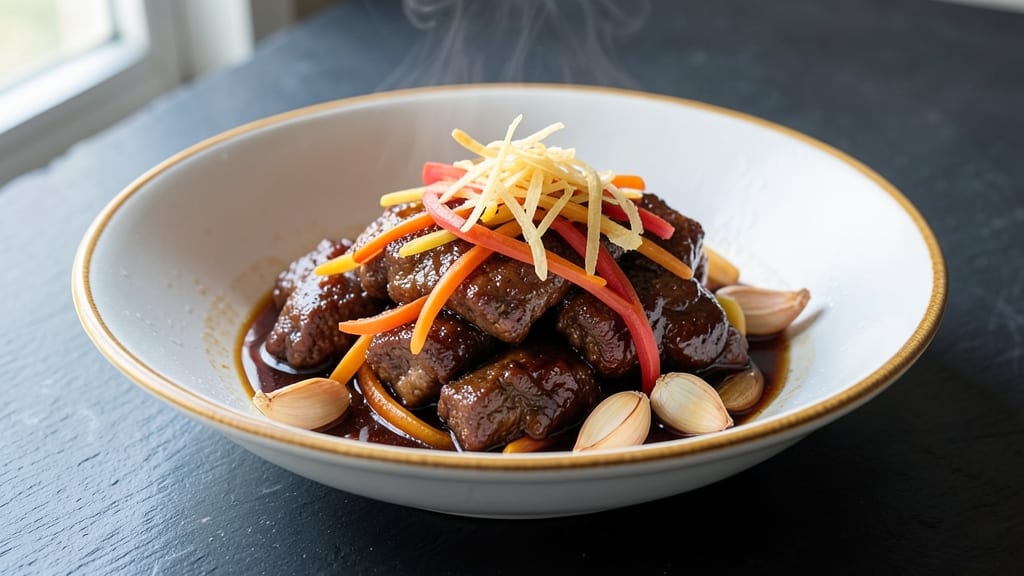
This one-pot Asian meat sauce transforms simple ingredients into a restaurant-worthy umami bomb with silky texture and deep flavor. The secret lies in balancing sweet, sour, and savory elements while letting the sauce reduce to perfection—no complicated techniques required.
I developed this recipe after years of perfecting stir-fry sauces, and it’s the one I reach for when craving bold, aromatic flavors without the fuss.
The beauty of this dish is its versatility: use ground beef, pork, or chicken, and adjust the sauce to suit your taste—spicier, sweeter, or more tangy. The one-pot method keeps cleanup minimal while delivering layers of flavor, from caramelized onions to a glossy, clingy sauce that coats every bite.
It’s the kind of dish that turns a weeknight into a flavor adventure.
What you’ll end up with is tender meat swimming in a glossy, aromatic sauce that’s rich but not heavy, with just the right balance of sweetness and heat.
Serve it over steamed rice, noodles, or even as a filling for dumplings—each bite is packed with umami depth and a satisfying texture. This recipe is your shortcut to restaurant-quality Asian flavors at home.
Whether you’re feeding a family or meal prepping for the week, this sauce holds up beautifully. The instructions are straightforward, and the results are always impressive. Let’s get cooking—your taste buds will thank you.
Ingredients for asian meat sauce
Pantry staples meet bold Asian flavors in this one-pot umami bomb.
| Ingredient | Amount | Notes |
|---|---|---|
| Ground Beef 🥩 | 1 lb | 80/20 fat ratio preferred |
| Yellow Onion 🧅 | 1 whole | Diced into small pieces |
| Garlic Cloves 🧄 | 4 cloves | Minced finely for aroma |
| Fresh Ginger 🌿 | 1 tbsp | Grated, for zesty kick |
| Soy Sauce 🍶 | ⅓ cup | Use light soy sauce |
| Hoisin Sauce 🍶 | ¼ cup | For sweet-savory depth |
| Rice Vinegar 🍶 | ¼ cup | White or seasoned |
| Brown Sugar 🍯 | ¼ cup | Light or dark variety |
| Sesame Oil 🫒 | 1 tbsp | Toasted sesame oil only |
| Red Curry Paste 🌶️ | 2 tbsp | For authentic spice base |
| Vegetable Oil 🫒 | 1 tbsp | For searing meat |
| Green Onions 🧅 | 3 whole | Sliced, for garnish |
| Sesame Seeds 🌾 | 1 tbsp | Toasted for crunch |
| Salt 🧂 | 1 tsp | Kosher or sea salt |
| Black Pepper 🌶️ | ½ tsp | Freshly ground preferred |
The ground beef is where the magic starts—80/20 fat ratio keeps it juicy while browning. I grab mine from the butcher section at Whole Foods or the grocery store's meat counter, but any quality ground beef works. For the aromatics, fresh ginger and garlic are non-negotiable—they make or break the depth of flavor. If you're using frozen ginger, thaw and grate it first. The onions? Yellow onions caramelize better than red, but use what you've got. Pro tip: slice the onion extra small so it cooks down fast in the one-pot.
No hoisin sauce? Substitute with 1 tbsp soy sauce plus 1 tbsp brown sugar—it won't be identical, but close. Running low on sesame oil? Toasted peanut oil works in a pinch, though it'll have a different flavor profile. The red curry paste can be swapped for 1 tbsp curry powder plus 1 tsp chili flakes if you're in a bind. For extra umami, add 1 tsp fish sauce (if not vegetarian) or 1 tsp soy sauce. The brown sugar can be swapped for maple syrup if you prefer a less refined sweetness. And if you're feeling fancy, Trader Joe's has amazing pre-minced garlic and ginger that saves time.
This sauce tastes even better the next day—make extra and store it in an airtight container in the fridge for up to 5 days. For meal prep, portion it into glass containers with a splash of water or oil to preserve the sauce's surface. Freezes beautifully for 3 months—just thaw overnight in the fridge before reheating. The sesame seeds and green onions are best added fresh right before serving, but if you're prepping ahead, store them separately and sprinkle on top when ready to eat. The sauce thickens as it cools, so add a splash of water if it seems too thick when reheating.
Why You'll Love This Recipe
- One-Pan Magic: I swear by this—just brown the beef, toss in the onions and garlic, then let the ginger and soy sauce work their savory spell. No pots, no pans, no stress. The ground beef renders its own juices, and the sauce thickens right there while you stir.
- Umami Bomb: That first bite? Chef’s kiss. The soy sauce cuts through the richness of the beef, while the fresh ginger and garlic add layers of warmth. It’s the kind of flavor that lingers—like a hug in sauce form—and I’ve never met anyone who didn’t ask for seconds.
- Leftover Hero: Between us, this sauce begs to be made extra. It reheats like a dream, whether you’re packing lunches or serving it over rice the next day. Honestly, I’ve had it cold in wraps, warm over noodles, and even as a quick pizza topping—it’s that versatile.
- Budget Win: Ground beef, onions, and a few pantry staples? This is the kind of meal that doesn’t break the bank. I’ve made it for date nights, family dinners, and lazy Sundays, and it’s always the star. Plus, the leftovers stretch into another meal without feeling like a chore.
Step-by-step instructions for Asian meat sauce
This one-pot sauce comes together faster than you'd expect with bold flavors and silky texture.
Sear the Ground Beef for Deep Flavor
Heat the 1 tablespoon vegetable oil in a large skillet or deep pot over medium-high heat until shimmering. Add the 1 pound ground beef, breaking it up with a wooden spoon as it cooks. Let it brown undisturbed for 3-4 minutes until the meat loses its raw color and starts to crisp at the edges.
Here's the thing—don't drain the fat. That rendered beef fat becomes the base of your sauce, carrying all those rich umami flavors. Once the beef is mostly browned, use a slotted spoon to transfer it to a plate, leaving the juices in the pot. You'll notice the pot smells incredible at this point—that's your first flavor payoff.
Build the Aromatic Base
In the same pot (no need to wipe it clean—those browned bits are flavor gold), add the 1 whole yellow onion and cook for 5 minutes until softened and starting to caramelize. Add the 4 cloves minced garlic cloves and 1 tablespoon grated fresh ginger, stirring constantly for 30 seconds until fragrant—this is where the sauce gets its authentic depth.
Next, stir in the 2 tablespoons red curry paste and cook for another 1 minute until the raw curry smell disappears. This step develops the complex spice profile that makes this sauce so special. If you're worried about burning, keep the heat at medium—the paste needs time to bloom its flavors.
Combine Wet Ingredients for Silky Texture
Pour in the 0.33 cup soy sauce, 0.25 cup hoisin sauce, 0.25 cup rice vinegar, and 0.25 cup brown sugar, stirring vigorously to combine. Add the beef back to the pot along with 1 tablespoon sesame oil. Bring everything to a gentle simmer over medium heat, then reduce to low and let it cook uncovered for 10-12 minutes, stirring occasionally.
This is where the magic happens—the sauce will thicken as the liquid reduces, creating that perfect silky consistency. You'll see it transform from a loose mixture to a glossy, coatable sauce. If it starts to stick, add 1-2 tablespoons water to keep it moving. Taste and adjust seasoning with the 1 teaspoon salt and 0.5 teaspoon black pepper if needed.
Finish and Garnish for Restaurant-Quality Results
Once the sauce has thickened to your liking (it should coat the back of a spoon), remove from heat. Let it sit for 2-3 minutes to allow the flavors to meld completely. Stir in the 3 whole sliced green onions and 1 tablespoon toasted sesame seeds, reserving some for garnish.
For that perfect restaurant finish, drizzle with an extra ½ teaspoon sesame oil and sprinkle with additional sesame seeds. Serve immediately over steamed rice or noodles—this sauce is best enjoyed fresh when all the flavors are at their peak. The combination of sweet, savory, tangy, and umami creates a flavor bomb that's hard to resist.
Pro Tips For Making Asian Meat Sauce
- BROWN THE BEEF FIRST: Dump that raw ground beef straight into the pan with onions and you’ll end up with a mushy, gray sauce. Instead, form it into loose 1-inch patties and sear them undisturbed for 2-3 minutes per side until deeply browned—this builds flavor that soy sauce alone can’t fix. (Yes, even if you’re impatient like me.)
- GRATE THE GINGER FINE: I used to chop ginger and wonder why my sauce tasted like it was missing something. Freshly grated ginger (the kind that sticks to your fingers) releases its oils and aroma instantly—no waiting for it to soften. Use about 1 teaspoon, then let it bloom in the hot oil for 30 seconds before adding garlic. (Your future self will notice the difference.)
- DEGLAZE WITH SOY SAUCE: After browning the meat, don’t just dump soy sauce straight in—it’ll clump and dilute the flavor. Splash in ¼ cup of water or broth first, scrape up those browned bits (they’re flavor gold), then add the soy sauce. This keeps the sauce rich and glossy, not thin and salty. (I learned this the hard way when my sauce looked like watery glue.)
- LOW AND SLOW FINISH: Asian meat sauces taste best when cooked gently at the end. After everything’s browned and deglazed, reduce heat to medium-low and let it simmer uncovered for 8-10 minutes. This evaporates excess moisture and deepens the soy flavor without burning. (Skipping this step makes the sauce taste rushed—and bland.)
Creative variations of these flavors
Thai-Inspired Sweet Chili Twist
Swap the hoisin sauce for 0.33 cup Thai sweet chili sauce (like Maesri) and add 1 tbsp fish sauce for extra umami. Boost the heat with 1 tsp chili flakes or ½ tsp sambal oelek, and finish with a splash of lime juice instead of rice vinegar.
This version has a bright, tangy kick that pairs perfectly with jasmine rice and cucumber salad. 🌶️
Japanese Tonkatsu-Inspired
Replace the ground beef with 1 lb pork loin, sliced into thin cutlets. Marinate in 0.25 cup soy sauce, 1 tbsp mirin, and 1 tsp grated ginger for 30 minutes before cooking.
For the sauce, reduce the hoisin to 1 tbsp and add 0.25 cup tonkatsu sauce (or sub 0.25 cup Worcestershire sauce + 1 tbsp honey). Serve with shredded cabbage and steamed rice for an authentic tonkatsu vibe.
Korean Bulgogi Fusion
Use 1 lb ribeye steak, thinly sliced, and marinate in 0.33 cup soy sauce, 0.25 cup brown sugar, 1 tbsp sesame oil, 2 tbsp minced garlic, and 1 tbsp grated pear (for tenderness) for 1 hour.
Cook the meat separately, then toss it in a sauce made with 0.25 cup gochujang (Korean chili paste) instead of hoisin, plus 1 tbsp honey and 1 tbsp rice vinegar. Garnish with toasted sesame seeds and thinly sliced green onions.
Vegetarian Mushroom Version
Skip the meat entirely and use 1 lb shiitake mushrooms, sliced, plus 1 cup baby bella mushrooms for texture. Sauté the mushrooms until golden, then proceed with the recipe as written. For extra umami, add 1 tbsp soy sauce to the mushrooms before adding the sauce.
This version works beautifully as a filling for veggie dumplings or over rice with a side of quick-pickled veggies.
Spicy Peanut Crunch
Stir in 0.25 cup creamy peanut butter and 1 tbsp sriracha at the end for a Thai-inspired twist. Top with crushed peanuts and cilantro for crunch and freshness.
This version is perfect over rice noodles or as a dipping sauce for spring rolls. For extra richness, add 1 tsp coconut milk to the sauce while simmering.
Sweet and Sour Pork
Use 1 lb pork shoulder, cubed, and add 0.25 cup pineapple juice to the sauce for a tropical twist. Boost the sweetness with 0.5 cup brown sugar and add 1 tbsp apple cider vinegar for tang.
Serve over rice with a side of steamed broccoli or stir-fried bok choy. The caramelized pork pairs beautifully with the fruity sauce for a balanced, sweet-and-sour profile. 🍍
Nutrition facts
Frequently asked questions
Can I use chicken or pork instead of ground beef?
For chicken, use 1 lb ground chicken or diced thighs for juicier results. With pork, try 1 lb ground pork or thinly sliced pork shoulder. Adjust cooking time slightly—pork may need 2-3 extra minutes to fully cook through. The sauce recipe works perfectly with all three meats!
How do I make this sauce less sweet?
Reduce the brown sugar to 2 tablespoons and increase the rice vinegar to 0.33 cup for more tang. For extra depth, add 1 tbsp fish sauce (if not vegetarian) or 1 tbsp soy sauce. Taste as you go—you can always add more vinegar at the end.
Can I make this sauce ahead of time?
Yes! This sauce tastes even better the next day. Store it in an airtight container in the fridge for up to 5 days. For meal prep, portion into glass containers with a splash of water or oil to preserve the sauce's surface. Reheat gently on low heat, stirring occasionally, and add a splash of water if it thickens too much.
What's the best way to serve this dish?
Serve it over steamed jasmine rice or rice noodles for the perfect balance. For extra texture, add a side of quick-pickled cucumbers or steamed bok choy. It also works as a filling for dumplings or spring rolls. Garnish with extra sesame seeds and green onions for freshness!
Why did my sauce turn out too thin?
This usually happens if you didn't reduce the sauce long enough. Simmer uncovered for 15-20 minutes total to thicken it properly. If it's still too thin, remove from heat and let it sit for 5-10 minutes—it will thicken as it cools. For an instant fix, mix 1 teaspoon cornstarch with 1 tablespoon water and stir it in while heating.