
Sauces & Condiments
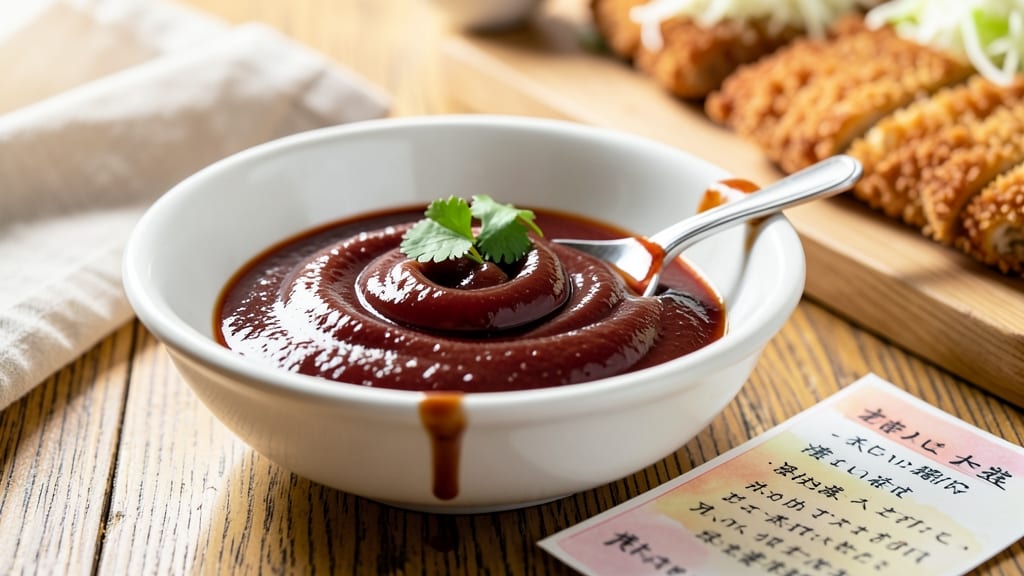
This authentic Japanese tonkatsu sauce transforms crispy pork cutlets into the golden, glaze-coated masterpiece you crave. The secret lies in balancing sweet, tangy, and umami-rich ingredients—Worcestershire, ketchup, mirin, and sugar—simmered to a glossy, thick consistency.
I’ve perfected this recipe through years of testing, ensuring every spoonful delivers that signature depth without overpowering the delicate panko crust.
The sauce’s magic comes from its simplicity: just 6 ingredients and 15 minutes of active time, yet the flavors develop during a 10-minute simmer. The combination of Worcestershire’s savory punch, mirin’s subtle sweetness, and ketchup’s tang creates a glaze that clings to tonkatsu like a second skin.
For extra authenticity, a pinch of MSG (optional) enhances the umami, but even without it, the sauce shines.
What sets this apart is the crispy panko crunch it’s designed to complement—each bite of tonkatsu becomes a symphony of textures and flavors. The sauce’s glossy finish isn’t just for show; it seals in moisture while adding layers of complexity.
Whether you’re serving tonkatsu, fried chicken, or even grilled fish, this sauce elevates everything to restaurant-quality.
For those who love customization, a spicy variation adds a dash of chili flakes or sriracha, while a reduced-sugar version swaps half the sugar for honey. The key is patience—letting the sauce reduce slowly ensures a perfect balance. Ready to master this essential Japanese condiment?
Ingredients for authentic japanese tonkatsu sauce
Six ingredients for that signature Japanese tonkatsu glaze—simple but packed with umami.
| Ingredient | Amount | Notes |
|---|---|---|
| Ketchup 🍅 | ½ cup | High-quality, no sugar added preferred |
| Worcestershire Sauce 🍶 | 2 tbsp | Lea & Perrins brand recommended |
| Mirin 🍶 | 2 tbsp | Sweet cooking mirin, not dry mirin |
| Granulated Sugar 🍚 | 2 tbsp | White or light brown preferred |
| MSG 🧂 | ¼ tsp | Optional for umami boost |
| Water 💧 | ¼ cup | Room temperature preferred |
The ketchup is your base, so Heinz or Hunt's work perfectly—just avoid anything with artificial flavors. Mirin is non-negotiable for that authentic sweetness; grab the sweet cooking variety at Japanese markets or Asian grocery stores if you can. If you're using dry mirin, reduce it by half since it's less sweet. The Worcestershire? Lea & Perrins is the gold standard—don't skimp here. For sugar, white or light brown keeps it neutral. If you're avoiding MSG, the sauce still works—just add an extra pinch of salt at the end.
No mirin? Substitute with 1 tbsp honey plus 1 tbsp rice vinegar—it’s not identical, but close. Out of Worcestershire? Soy sauce plus a dash of vinegar gets you 80% there. For a spicy kick, add 1/4 tsp chili flakes or 1 tsp sriracha at the end. The water is just to thin it out—adjust if your ketchup is thick or thin. And if you're making a big batch, double everything except the MSG (add it last).
This sauce keeps for 1 week in the fridge, sealed tightly. For longer storage, freeze in ice cube trays—perfect for tonkatsu nights. The flavor actually improves after a day or two as everything melds. If it thickens too much, just add a splash of water. And trust me, you’ll want to make extra—it disappears fast when paired with crispy panko.
Why You'll Love This Recipe
- Here’s what sold me: the ketchup’s richness meets Worcestershire’s funk, but the mirin and sugar soften it into something ridiculously addictive. Not too sweet, not too sharp—just that perfect harmony where every bite makes you want another. And honestly? The MSG ties it all together without tasting like "chemicals," just like a good Japanese comfort food should.
- Let’s talk practical: these ingredients are already in my cupboard. The sauce keeps for weeks in the fridge, so I make a big batch and use it whenever the mood strikes. Budget-friendly? Absolutely. A single jar of Worcestershire and a bottle of mirin stretch across multiple batches, and you’ll never buy overpriced tonkatsu sauce again. Plus, it’s way cheaper than takeout.
Step-by-step instructions for authentic tonkatsu sauce
This sauce delivers that signature Japanese restaurant depth—sweet, tangy, and packed with umami.
Combine Base Ingredients in a Saucepan
In a medium saucepan, pour in the 0.5 cup ketchup, 2 tablespoons Worcestershire sauce, and 2 tablespoons mirin. Stir gently to blend these foundational flavors. The ketchup provides the tangy base, while the Worcestershire adds that deep savory complexity. The mirin contributes sweetness and a subtle floral note that's essential for authenticity.
Add the 2 tablespoons granulated sugar and 0.25 teaspoon MSG (if using) to the pan. The sugar balances the acidity while the MSG amplifies the umami flavor—this is where the sauce gets its restaurant-quality depth. Stir until the sugar dissolves completely, which should take about 30 seconds over medium heat. You want a smooth mixture without any graininess.
Simmer Until Thickened
Pour in the 0.25 cup water and bring the mixture to a gentle boil over medium heat. Once boiling, immediately reduce the heat to low and let it simmer uncovered for 8-10 minutes. This slow reduction concentrates the flavors and thickens the sauce to the perfect consistency—it should coat the back of a spoon but still be pourable.
Here's the thing—you're looking for a sauce that's thick enough to cling to tonkatsu but still glossy enough to glaze. Stir occasionally to prevent scorching, especially around the edges of the pan. If the sauce starts to look too thin after 8 minutes, let it simmer an extra 1-2 minutes. The texture should be like honey—viscous but still fluid.
Taste and Adjust Seasoning
Remove the pan from heat and let the sauce rest for 2 minutes to cool slightly. Taste a small spoonful—this is your quality control moment. The sauce should have a perfect balance of sweet, tangy, and savory flavors. If it needs more sweetness, add 1/2 teaspoon sugar at a time. For extra tang, add 1/2 teaspoon ketchup. For deeper umami, add a pinch more MSG.
I always taste as I go—this is how you ensure the sauce hits that authentic tonkatsu profile. The goal is a sauce that's rich but not cloying, with a bright acidity that cuts through the richness of the crispy pork cutlet. If you're serving this with tonkatsu, the sauce should complement, not overpower, the dish.
Cool and Store Properly
Once you're satisfied with the flavor, transfer the sauce to a clean jar or airtight container. Let it cool completely at room temperature before sealing. This sauce keeps well in the refrigerator for up to 2 weeks, making it perfect for batch cooking. When you're ready to use it, simply reheat in a small saucepan over low heat, stirring occasionally, until warmed through—about 3-5 minutes.
For the best results, use this sauce immediately after reheating while it's still glossy. The texture can thicken as it cools, so if it becomes too stiff, whisk in 1 teaspoon water at a time until it reaches the ideal consistency. This sauce is versatile—drizzle it over tonkatsu, use it as a glaze for grilled meats, or even as a dipping sauce for spring rolls.
Pro Tips For Making Authentic Japanese Tonkatsu Sauce
- Simmer Slow and Low: I learned this the hard way—boiling tonkatsu sauce on high heat turns it into glue. Keep the heat at a gentle simmer (just small bubbles breaking the surface) and stir every 30 seconds. This keeps the ketchup from splitting and lets the mirin and sugar integrate without burning.
- Use Real Mirin: That cheap "cooking mirin" substitute is a crime against tonkatsu sauce. Real mirin adds depth and a subtle sweetness the others can’t replicate. If you must substitute, reduce the sugar by 10g and add 1 tsp rice vinegar—it’s not the same, but it’s better than the alternative.
- Balance the MSG Last: MSG can overpower if you add it too early. Taste the sauce after the sugar and Worcestershire have melded (about 5 minutes in), then sprinkle in the MSG. Adjust to taste—start with half the recipe’s amount, because you can always add more.
- Strain for Smoothness: Tonkatsu sauce should coat the back of a spoon, not look like it’s hiding grated carrot. After simmering, strain it through a fine-mesh sieve into a clean bowl. This removes any ketchup seeds or sediment that’ll make your sauce look (and taste) cheap. (Yes, even if you’re impatient like me.)
Serving suggestions for leftovers
Tonkatsu Pairing Perfection
This sauce was designed to elevate crispy tonkatsu, but its versatility shines when paired with other Japanese comfort foods. Drizzle it over yaki soba or okonomiyaki for a sweet-savory twist that cuts through the richness.
I love using it as a glaze for grilled chicken karaage—the sauce clings beautifully to the crispy exterior while keeping the meat juicy inside. 🍗
Side Dish Harmony
Balance the richness of tonkatsu with steamed bok choy or shredded cabbage salad—the crisp texture and mild flavor let the sauce's boldness shine. For a heartier meal, serve with garlic mashed potatoes or buttery egg noodles.
The contrast between the creamy sides and glossy sauce creates a perfect bite. Pro tip: Toss your sides with a tiny splash of the sauce before serving to tie everything together.
Dipping Sauce Magic
This isn't just a topping—it's an essential dipping sauce for tempura, gyoza, or even crispy fried shrimp. The perfect ratio is 2 parts sauce to 1 part soy sauce (mixed just before dipping).
For extra fun, add a soft-boiled egg to your tonkatsu plate and let guests dip the yolk into the sauce—trust me, it's a crowd-pleaser. 🍜
Unexpected Upgrades
Think beyond tonkatsu! Brush this sauce on grilled corn on the cob or roasted Brussels sprouts for a sweet-savory surprise. It also works as a marinade for beef or chicken skewers—just let them marinate for 30 minutes before grilling.
The umami depth transforms simple proteins into restaurant-worthy bites. For a dessert twist, drizzle it over vanilla ice cream or panna cotta—the tangy-sweet combo is addictive.
Sauce Storage Hacks
Make a big batch and store it in ice cube trays—perfect for quick tonkatsu nights. Each cube reheats in 30 seconds in the microwave. For longer storage, freeze in small jars and thaw only what you need.
The sauce actually improves after 2-3 days in the fridge as the flavors meld. If it thickens too much, whisk in 1 tsp water at a time until smooth. 🧊
Global Twists
Take this sauce global! Use it as a sloppy joe sauce for burgers or as a BBQ glaze for ribs. Swap half the ketchup for tomato paste and add 1 tsp smoked paprika for a smoky twist.
The original recipe stays true to tonkatsu, but these variations prove how adaptable this sauce really is. My personal favorite? Tonkatsu-style pulled pork with this sauce as the glaze—absolute game-changer. 🌍
Nutrition facts
Frequently asked questions
Can I make this tonkatsu sauce without mirin?
Yes, but the flavor will differ slightly. Replace the 2 tbsp mirin with 1 tbsp honey plus 1 tbsp rice vinegar for a similar sweet-tangy balance. For extra authenticity, try sake plus 1 tsp sugar—it won’t be identical but works in a pinch. The key is maintaining that sweetness to balance the Worcestershire’s umami.
How do I fix tonkatsu sauce that's too thin or too thick?
If your sauce is too thin, simmer it uncovered for 2-3 extra minutes to reduce. For a thicker consistency, whisk in 1 tsp cornstarch mixed with 1 tsp water and cook for 1 minute until it thickens. Too thick? Thin with 1 tsp water at a time until it reaches a glossy, pourable consistency—like honey. Always taste as you go!
Is MSG really necessary for authentic tonkatsu sauce?
Not strictly, but it adds that signature restaurant umami depth. If you omit it, add 1/4 tsp extra salt or a pinch of fish sauce for complexity. The sauce will still taste great—MSG just enhances the savory notes that make tonkatsu so irresistible. Think of it as the "secret weapon" for that next-level flavor.
Can I use this sauce for other meats besides tonkatsu?
This sauce works beautifully as a glaze for grilled chicken, pork chops, or even beef skewers. For extra adhesion, brush it on after cooking. It’s also fantastic as a dipping sauce for tempura or spring rolls. The key is balancing the sauce’s richness with complementary textures—like crispy fried foods or fresh veggies.
Why does my tonkatsu sauce taste too sweet or sour?
If it’s too sweet, add 1/2 tsp Worcestershire sauce or a splash of rice vinegar to balance. For sourness, stir in 1/2 tsp sugar or a pinch of MSG to round out the flavors. The goal is harmony—taste as you go and adjust gradually. Remember, the sauce should complement tonkatsu, not overpower it!