
Sauces & Condiments
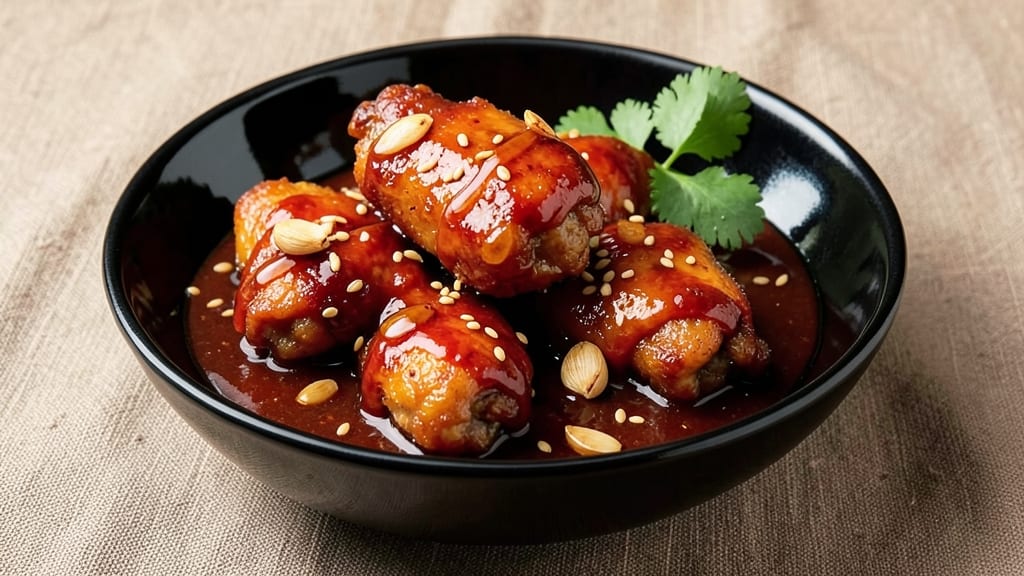
This Asian kick wings sauce recipe transforms ordinary wings into a restaurant-worthy experience with its perfect balance of spicy, sweet, and umami flavors.
The secret lies in combining gochujang (Korean chili paste) with soy sauce, honey, and garlic to create a glossy, addictive glaze that clings to every bite.
I developed this sauce after years of experimenting with wing flavors, and it never fails to deliver that signature tangy-sweet kick that keeps people coming back for more.
The sauce is incredibly versatile—use it as a dipping sauce for crispy fried wings, a glaze for grilled or baked wings, or even a marinade for extra flavor penetration. The gochujang provides the heat and depth, while the honey balances it with natural sweetness.
Fresh garlic and sesame oil add aromatic layers that elevate the sauce from good to unforgettable. Unlike store-bought versions, this recipe lets you control the spice level to suit your taste.
What makes this sauce stand out is its rich texture—thick enough to coat wings evenly but still glossy enough to shine. The ingredients come together in just 10 minutes, making it perfect for game day, weeknight dinners, or meal prep.
Once made, it keeps well in the fridge for up to 2 weeks, so you can batch-cook and enjoy flavorful wings anytime. The balance of flavors is what makes this sauce a crowd-pleaser, whether you're serving it to spice lovers or those who prefer a milder kick.
For extra depth, a splash of rice vinegar brightens the sauce, while a pinch of red pepper flakes can intensify the heat. Store leftovers in an airtight container, and reheat gently before serving to maintain that perfect glossy finish.
This sauce isn’t just for wings—it works wonders on tofu, chicken skewers, or even as a drizzle for noodles. Let’s make wings that steal the show!
Ingredients for asian kick wing sauce
Nine bold flavors that turn wings into a crowd-pleasing showstopper—spicy, sweet, and addictively glossy.
| Ingredient | Amount | Notes |
|---|---|---|
| Gochujang (Korean Chili Paste) 🌶️ | ½ cup | Smooth texture, not grainy |
| Soy Sauce 🥄 | ⅓ cup | Light or dark preferred |
| Honey 🍯 | ⅓ cup | Wildflower for floral notes |
| Sesame Oil 🫒 | 1 tbsp | Toasted for aroma |
| Garlic Cloves 🧄 | 4 cloves | Freshly minced, not pre-minced |
| Rice Vinegar 🍶 | 1 tbsp | White or seasoned |
| Sesame Seeds 🌰 | 1 tbsp | Toasted lightly |
| Red Pepper Flakes 🔥 | ½ tsp | Adjust for heat preference |
| Ginger (Fresh) 🌿 | 1 tbsp | Grated, not powdered |
| Water 💧 | ¼ cup | For thinning consistency |
Gochujang is the heart of this sauce—look for smooth, fermented paste (not the grainy kind) at Asian markets or the international aisle. Mae Mun or Dae Yang are my go-tos, but any jarred gochujang works. Fresh garlic and ginger? Peel and grate them yourself—pre-minced or powdered just won’t cut it for that restaurant-quality depth. Sesame oil should smell nutty and toasty, not stale. If yours doesn’t, toast it in a dry pan for 30 seconds first. The honey balances the heat, so wildflower or clover gives the best floral notes—avoid the cheap grocery store kind if you can splurge.
No gochujang? Substitute 1 tbsp sriracha plus 1 tbsp tomato paste for heat, but you’ll lose that umami depth. Skip the rice vinegar? A splash of apple cider vinegar works in a pinch. Sesame seeds too expensive? Toasted poppy seeds add a similar crunch. For a thicker sauce, reduce the water by 1 tbsp. If you’re sensitive to heat, cut the red pepper flakes to 1/4 tsp—you can always add more later. The sauce thickens as it cools, so if it’s too runny right after mixing, let it sit for 10 minutes before tasting.
This sauce keeps 2 weeks in the fridge, but the flavor actually improves after 24 hours as everything melds. Store in a glass jar with a tight seal—plastic absorbs odors. For extra gloss, add 1 tsp cornstarch + 1 tsp water to the warm sauce before serving. Freezes beautifully for 3 months—just thaw in the fridge overnight. I always double the batch because it disappears fast. Perfect for game day, meal prep, or whenever you need wings that taste like they came from a Korean BBQ spot.
Why You'll Love This Recipe
- Five-Ingredient Magic: I swear by this combo—gochujang’s deep umami, honey’s sweet kick, and sesame oil’s nutty punch come together in a way that feels impossible to overcomplicate. You’re basically mixing pantry staples, not slaving over a stove.
- Sweet Heat Balance: That first bite? The honey cuts the gochujang’s spice just enough to make it addictive, not painful. Honestly, I’ve burned wings before just to have extra sauce—it’s the star here.
- Game for Any Protein: Chicken, tofu, even steak? This sauce clings like glue without turning into a gloppy mess. I’ve used it on weeknight dinners, game-day snacks, and even drizzled it over rice bowls—no judgment.
- Leftovers That Don’t Suck: Unlike sauces that separate or turn bitter, this one stays vibrant for days in the fridge. I’ll be real: I’ve reheated a week-old batch and still craved more. (Yes, even on a Tuesday night.)
Step-by-step instructions for Asian kick wings sauce
This spicy-sweet sauce delivers that perfect sticky, glossy finish on grilled wings—here's how to make it shine.
Toast the Sesame Seeds for Depth of Flavor
Heat a dry skillet over medium-low heat and add the 1 tablespoon sesame seeds. Toast them for 1-2 minutes until they turn a rich golden brown and release their nutty aroma. Watch closely—they burn quickly, so keep the heat gentle.
Transfer the toasted seeds to a small bowl and set aside. This step adds a subtle crunch and aromatic complexity that separates this sauce from basic sweet-spicy blends. The seeds will be sprinkled on top at the end, so don't skip this crucial flavor layer.
Build the Sauce Base with Gochujang and Aromatics
In a medium saucepan, combine the 0.5 cup gochujang, 0.33 cup soy sauce, 0.33 cup honey, and 1 tablespoon rice vinegar. Stir over medium heat for 3-4 minutes until the mixture begins to bubble gently and the honey starts to dissolve completely.
Add the 4 cloves minced garlic and 1 tablespoon grated fresh ginger, stirring constantly for 1 minute until fragrant. The garlic should soften slightly but not brown—this prevents bitterness. Here's where the sauce develops its signature depth, so don't rush this step.
Simmer and Balance the Flavors
Pour in the 0.25 cup water and 1 tablespoon sesame oil. Bring to a gentle simmer over medium heat, then reduce to low heat and let it cook for 8-10 minutes, stirring occasionally. You're looking for a glossy, slightly thickened consistency—it should coat the back of a spoon but still be pourable.
Taste and adjust: If it needs more heat, add the 0.5 teaspoon red pepper flakes now. If it's too thick, add 1 tablespoon water at a time until it reaches that perfect sticky-sweet balance. The sauce should taste vibrantly sweet, with a deep umami kick from the soy and gochujang.
Finish with Toasted Sesame Seeds
Remove the sauce from heat and stir in the toasted sesame seeds. Let it cool for 5 minutes—this allows the flavors to meld completely. The sauce should have a beautiful glossy sheen and maintain its thickness even when cooled.
For best results, use the sauce immediately on freshly grilled or baked wings. The heat will help it cling perfectly, creating that irresistible sticky glaze. Store any leftovers in an airtight container in the refrigerator for up to 1 week, though I promise you won't have any leftovers!
Pro Tips For Making Asian Kick Wing Sauce
- Simmer, Don’t Boil: Gochujang hates high heat—it turns bitter and loses its depth. Keep your sauce at a gentle simmer (tiny bubbles, occasional swirls) the whole time. I learned this after one batch tasted like someone microwaved fermented chili and called it a day.
- Mince Garlic Like You Mean It: Skip the press—finely mince your garlic with a knife for even distribution. Lumpy garlic means uneven flavor, and nobody wants a surprise spicy bite from one chunk. (Yes, even if you’re impatient like me.)
- Balance the Heat First: Taste your sauce before adding honey. If the gochujang-soy combo is too sharp, a splash of water or extra honey later won’t fix it—you’ll just end up with a syrupy mess. Adjust the heat with a pinch of sugar or more soy first.
- Toast the Gochujang: Warm the gochujang in a dry pan for 30 seconds before mixing—it deepens the umami and mellows the raw spice. Sounds weird, but it works: your sauce will taste richer without extra ingredients. (Your future self will notice.)
Perfect pairings for this recipe
Wing Sauce Versatility
This sauce isn't just for wings—it shines on grilled chicken skewers or crispy tofu. Toss 1 cup cooked chicken with 2 tbsp sauce and 1 tbsp toasted sesame oil for a quick stir-fry.
For tofu, marinate 1 block extra-firm tofu for 30 minutes before baking at 400°F for 25 minutes. The sauce's sticky texture clings beautifully to both proteins. 🍗
Dipping Sauce Perfection
Serve this sauce chilled as a dipping sauce for fried wings or spring rolls. Thin it slightly with 1 tbsp water if needed for easier dipping. Garnish with extra sesame seeds and green onions for freshness.
I like to serve it in a small ceramic bowl with a spoon for dipping—it makes the sauce feel like a special treat rather than just a condiment. 🥄
Grilled Protein Glaze
Brush this sauce onto pork chops or salmon fillets during the last 5 minutes of grilling. The high heat caramelizes the honey, creating a beautiful glossy finish. For salmon, pair with steamed bok choy and jasmine rice for a complete meal.
The sauce's balance of sweet and spicy complements the richness of grilled fish perfectly. 🐟
Noodle Sauce Twist
Toss 8 oz cooked ramen noodles with 2 tbsp sauce and 1 tbsp sesame oil. Top with soft-boiled eggs and scallions for an Asian-inspired noodle bowl.
The sauce's depth elevates simple noodles into a restaurant-quality dish. For extra richness, add 1 tbsp miso paste to the sauce before tossing. 🍜
Spice Level Control
Adjust the heat to your preference: ½ tsp red pepper flakes for mild, 1 tsp for medium, or 1.5 tsp for fiery. For a smoky twist, add ½ tsp smoked paprika when simmering.
If you love tang, boost the rice vinegar to 2 tbsp. The sauce's flexibility makes it perfect for any spice tolerance. 🌶️
Meal Prep Hack
Double the batch and store in glass jars for easy meal prep. Use ½ cup sauce per meal on 1 lb wings or 2 chicken breasts. Reheat gently in a saucepan with 1 tbsp water to restore its glossy texture.
Label jars with the date—this sauce tastes even better after 24 hours as flavors meld. 📅
Nutrition facts
Frequently asked questions
Can I make this sauce without gochujang?
Yes! For a substitute, mix 1 tbsp sriracha with 1 tbsp tomato paste to mimic the gochujang's heat and umami. The sauce will still taste delicious, though it won’t have the same depth of flavor. If you can’t find gochujang, check the international aisle at grocery stores or order it online.
How spicy will this sauce be?
The recipe starts with ½ tsp red pepper flakes, which gives a mild-medium heat level. For extra spice, add up to 1.5 tsp while simmering. If you’re sensitive to heat, reduce it to ¼ tsp—you can always add more later. The gochujang also contributes warmth, so the sauce builds flavor as it cools.
Can I use this sauce on other proteins besides wings?
This sauce works perfectly on grilled chicken, tofu, or even salmon. For tofu, marinate it for 30 minutes before cooking, and for fish, brush it on during the last 5 minutes of grilling. The sticky-sweet balance enhances any protein, making it a versatile addition to your meal prep.
How do I store leftovers to keep the sauce glossy?
Store leftovers in an airtight glass jar in the fridge for up to 2 weeks. To restore its shine, reheat gently in a saucepan with 1 tbsp water over low heat. Avoid microwaving, as it can make the sauce watery. The sauce actually tastes better after 24 hours as the flavors meld!
What’s the best way to adjust the sweetness?
Start with the ⅓ cup honey as written, but you can tweak it to taste. For more sweetness, add 1 tbsp at a time while simmering. If you prefer less sugar, reduce the honey to 2 tbsp and add 1 tbsp rice vinegar for balance. The key is to taste as you go—adjust gradually!