
Sauces & Condiments
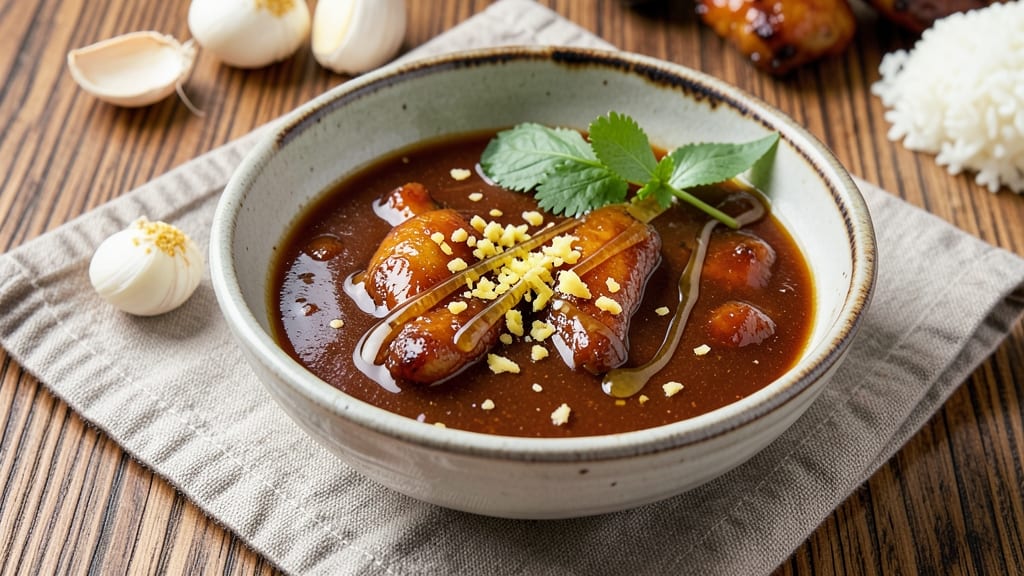
This Asian BBQ wing sauce recipe transforms ordinary wings into finger-licking masterpieces with its smoky-sweet glaze and subtle chili heat. 🔥 I developed this sauce after years of perfecting the balance between sticky caramelized flavors and the bright, aromatic punch that makes every bite unforgettable.
The secret lies in the slow simmer that lets the garlic and ginger mellow while the honey and soy sauce create that signature glossy finish.
What sets this sauce apart is its versatility—it works just as well on crispy tofu or roasted vegetables as it does on wings. The combination of soy sauce, honey, and a touch of fish sauce builds deep umami flavor, while fresh ginger and garlic add that bright, zesty kick.
A splash of sesame oil at the end elevates it from good to restaurant-quality, with that nutty aroma that lingers on your tongue.
Once you taste this sauce, you'll never go back to store-bought versions. The glaze clings perfectly to wings or other proteins, creating a sticky, caramelized crust that's both sweet and slightly spicy.
It keeps well in the fridge for up to two weeks, making it ideal for meal prep, and freezes beautifully for future cravings.
Pair it with your favorite proteins or use it as a dipping sauce for spring rolls—this is the kind of sauce that turns simple meals into something extraordinary. Let's get started on making yours.
Ingredients for asian bbq wing sauce
Nine simple ingredients create this addictive sauce—sweet, smoky, and packed with umami.
| Ingredient | Amount | Notes |
|---|---|---|
| Low-Sodium Soy Sauce 🍶 | ½ cup | Light or dark preferred |
| Honey 🍯 | ⅓ cup | Wildflower for floral notes |
| Rice Vinegar 🍶 | ¼ cup | White or seasoned works |
| Sesame Oil 🫒 | 1 tbsp | Toasted for nutty aroma |
| Fresh Ginger 🧅 | 2 tbsp | Grated, aromatic variety |
| Garlic Cloves 🧄 | 4 cloves | Minced, fresh preferred |
| Fish Sauce 🍶 | 1 tbsp | Red Boat preferred |
| Red Chili Flakes 🌶️ | 1 tbsp | Adjust for heat preference |
| Brown Sugar 🍚 | 2 tbsp | Light or dark preferred |
| Toasted Sesame Seeds 🌾 | 1 tbsp | For garnish, optional |
The soy sauce and honey are your flavor anchors. Red Boat fish sauce is worth the splurge—it's the secret to that authentic umami punch. For ginger, grab the freshest root you can find (the knobby ones with more eyes). Trader Joe's usually has great ginger, but any grocery store works. Toast your sesame seeds in a dry pan for 30 seconds—they'll smell amazing and add crunch to your finished sauce. Brown sugar adds depth, but if you're watching sugar, swap for coconut sugar at half the amount.
No fish sauce? Extra soy sauce plus a pinch of sugar gets you close. Short on honey? Maple syrup works 1:1. The red chili flakes can be swapped for gochujang at half the amount—it's fermented and adds complexity. Sesame oil is non-negotiable for that nutty aroma, but if you're avoiding it, toasted sesame paste thinned with water is a decent backup. For extra smokiness, add a dash of liquid smoke (just a teaspoon).
This sauce keeps for 2 weeks in the fridge, so make a double batch. It freezes beautifully for up to 6 months—just thaw in the fridge overnight. I like to store it in a glass jar so I can shake it up before using. The flavors actually improve after a day or two as everything melds together. Perfect for meal prep—just toss it with wings, tofu, or veggies and bake.
Why You'll Love This Recipe
- Pantry Magic: This sauce comes together with stuff you probably already have—no specialty trips needed. I’ll be real: the first time I mixed low-sodium soy, honey, and rice vinegar, I thought, “This can’t be it,” but then that first tangy-sweet bite changed my mind.
- Ginger-Zing Kick: That fresh ginger? It’s the hero. A tiny grating makes all the difference—warm, bright, and just spicy enough to wake up your taste buds. Honestly, I’ve tried bottled versions, but nothing beats the real thing here.
- Game for Any Occasion: Slather it on wings for game day, toss it in stir-fries, or drizzle it over noodles—it’s my go-to for lazy nights and fancy dinner guests. (Yes, even on a Tuesday night.)
- Doubles as Sauce Gold: Make a big batch—it keeps for weeks in the fridge. I’ve used the leftovers on everything from baked tofu to rice bowls, and no one’s ever complained. Budget-friendly? Absolutely. Versatile? Even more so.
Step-by-step instructions for smoky-sweet Asian BBQ wing sauce
Here's how to blend bold flavors into a sticky, aromatic glaze that'll make wings unforgettable.
🍳 Step 1: Bloom the Aromatics in Sesame Oil
Heat a small saucepan over medium-low heat and add the 1 tablespoon sesame oil. Let it warm for 30 seconds until fragrant—you'll smell that nutty toasted aroma. Add the 2 tablespoons grated fresh ginger and 4 minced garlic cloves, stirring constantly for 1-2 minutes until the ginger turns translucent and the garlic just starts to color.
Here's the thing—don't let the garlic burn. It should smell sweet and aromatic, not bitter. If it starts to darken too quickly, reduce the heat immediately. These aromatics form the flavor foundation, so take your time here. The mixture will bubble gently, and that's exactly what you want to see before moving forward.
🥘 Step 2: Combine Wet Ingredients and Simmer
Pour in the 0.5 cup low-sodium soy sauce, 0.33 cup honey, and 0.25 cup rice vinegar all at once. Stir vigorously to combine, then add the 1 tablespoon fish sauce and 2 tablespoons brown sugar. Bring the mixture to a gentle simmer over medium heat, then reduce to low heat and let it bubble away for 8-10 minutes.
You'll see the sauce thicken noticeably as it reduces, and that's when you'll know it's working. The honey and brown sugar will caramelize slightly, giving it that beautiful amber color. Give it an occasional stir, but don't obsess—just let it develop naturally. The sauce should coat the back of a spoon by the time you're done.
🔥 Step 3: Add Heat and Finish
Remove the sauce from heat and stir in the 1 tablespoon red chili flakes. This is where the magic happens—the heat will wake up all those other flavors. Let it sit off the heat for 2-3 minutes to steep slightly. Taste and adjust—need more heat? Add a pinch more chili flakes. Want it sweeter? A splash more honey.
For the final touch, stir in the 1 tablespoon toasted sesame seeds just before serving. These add beautiful texture and a nutty finish that ties everything together. The sauce should be thick enough to cling to wings but still glossy enough to glaze beautifully. If it's too thick, thin with a teaspoon of warm water; if too thin, simmer uncovered for another minute or two.
⏰ Step 4: Rest and Use
Let the sauce rest for 10 minutes before using. This might seem counterintuitive, but resting allows all the flavors to meld completely. You'll notice the aroma deepens as it sits, and the heat from the chili flakes will distribute evenly throughout.
Use immediately for maximum flavor impact. The sauce keeps well in the fridge for up to 2 weeks, but it's best used within 3-4 days for peak freshness. For wings, toss them in the warm sauce or brush generously before baking. The result? Sticky, caramelized wings with layers of smoky-sweet heat that'll have everyone asking for seconds.
Pro Tips For Making Asian Bbq Wing Sauce
- Simmer, Don’t Boil: This sauce isn’t a race—keep it at a gentle simmer (tiny bubbles, just breaking the surface) or the honey will scorch before the flavors meld. I learned this the hard way after a batch turned into caramelized regret.
- Grate, Don’t Chop Ginger: Fresh ginger loses its kick when minced, but a fine grate (or microplane) releases its oils without bitterness. Use about 1 teaspoon—packed tight—and let it steep in the hot sauce for 5 minutes before straining.
- Balance the Sweet Early: Taste the sauce before adding all the honey—low-sodium soy sauce can still pack salt. If it’s too sharp, a splash of rice vinegar (start with ½ tablespoon) cuts through better than extra sweetness. Adjust in stages.
- Strain for Smoothness: Skip the food processor—ginger fibers make the sauce gritty. After simmering, strain through a fine-mesh sieve into a clean bowl, pressing with a spoon. The extra 30 seconds saves you from chewing on texture later.
Best sauces and condiments for this asian bbq wing sauce
Sweet Heat Balance
The magic of this sauce lies in its perfect harmony between sweet and spicy. The honey and brown sugar create that caramelized sweetness you crave, while the red chili flakes add just the right amount of heat.
I love adjusting the heat level by adding extra chili flakes for spice lovers or swapping them for mild paprika for a gentler kick. The fish sauce and soy sauce combo adds that essential umami depth that makes it irresistible. 🌶️
Umami Boosters
For an extra layer of savory complexity, I sometimes add 1 teaspoon of miso paste when simmering the sauce. The white miso adds a subtle fermented richness that pairs beautifully with the sweet and spicy notes.
If you're avoiding fish sauce, extra soy sauce plus a pinch of sugar works in a pinch, though it won't have the same depth. The sesame oil is crucial—it's what gives the sauce its nutty aroma that lingers on your tongue.
Texture Secrets
This sauce should have that perfect consistency—thick enough to cling to wings but still glossy enough to glaze beautifully. If it's too thick after simmering, thin it with 1 teaspoon of warm water at a time.
For extra texture, I like to finish with toasted sesame seeds, which add a delightful crunch. The seeds also help distribute the heat evenly throughout the sauce, so every bite has that perfect balance of flavors.
Versatile Pairings
While this sauce was designed for wings, it works beautifully on so many other dishes. Toss it with crispy tofu for a vegetarian option, or use it as a glaze for grilled shrimp or salmon.
It's also fantastic as a dipping sauce for spring rolls or edamame. The sweet and spicy flavors cut through the richness of fried foods perfectly, making it a crowd-pleaser at any gathering. 🍤
Storage Tips
This sauce keeps well in the fridge for up to 2 weeks in an airtight container, and it freezes beautifully for up to 6 months. I like to store it in a glass jar so I can easily shake it up before using.
The flavors actually improve as they meld together, so it's perfect for meal prep. Just give it a good stir before using, especially if it's been in the fridge for a few days. The sauce thickens when chilled, so a quick warm-up on the stove will restore its perfect consistency.
Flavor Customization
Want to experiment? Try adding 1 teaspoon of grated lime zest for a bright citrus note, or ½ teaspoon of ground star anise for a subtle licorice flavor. For a smokier version, add ½ teaspoon of liquid smoke when simmering.
The key is to taste as you go and adjust to your preference. This sauce is incredibly forgiving, so don't be afraid to get creative—it's all about finding the balance that works for you! ✨
Nutrition facts
Frequently asked questions
Can I make this sauce without fish sauce?
Yes! For a vegetarian version, replace the 1 tablespoon fish sauce with 1 tablespoon extra soy sauce plus ½ teaspoon sugar. The umami will be slightly different but still delicious. For even deeper flavor, try 1 teaspoon of white miso paste instead—it adds fermented richness that pairs perfectly with the sweet-spicy balance.
How spicy is this sauce, and can I adjust it?
The recipe includes 1 tablespoon red chili flakes for a mild-to-medium heat. For more kick, add ½ teaspoon extra chili flakes per batch. Prefer less heat? Swap the chili flakes for ½ teaspoon mild paprika or smoked paprika—it adds color and smokiness without the spice. Always taste before finishing!
What's the best way to use leftover sauce?
This sauce is incredibly versatile! Use it as a glaze for grilled shrimp, salmon, or tofu, a dipping sauce for spring rolls or edamame, or even a marinade for beef or pork skewers. For wings, toss them in warm sauce or brush on before baking. The flavors intensify after resting, so leftovers taste even better the next day!
Why does my sauce turn out too thin or too thick?
Sauce consistency depends on simmering time. If too thin, simmer uncovered for 2-3 extra minutes to reduce. Too thick? Thin with ½ teaspoon warm water at a time. The ideal texture should coat the back of a spoon but remain glossy. Pro tip: Use a glass jar for storage—it lets you see the consistency and shake it up easily before using.
Can I make this sauce in a slow cooker?
Combine all ingredients except sesame seeds in a slow cooker on low for 2-3 hours, stirring occasionally. The low heat helps develop flavors without burning. Add sesame seeds just before serving. This method works especially well for meal prep—just store and reheat as needed!