
Sauces & Condiments
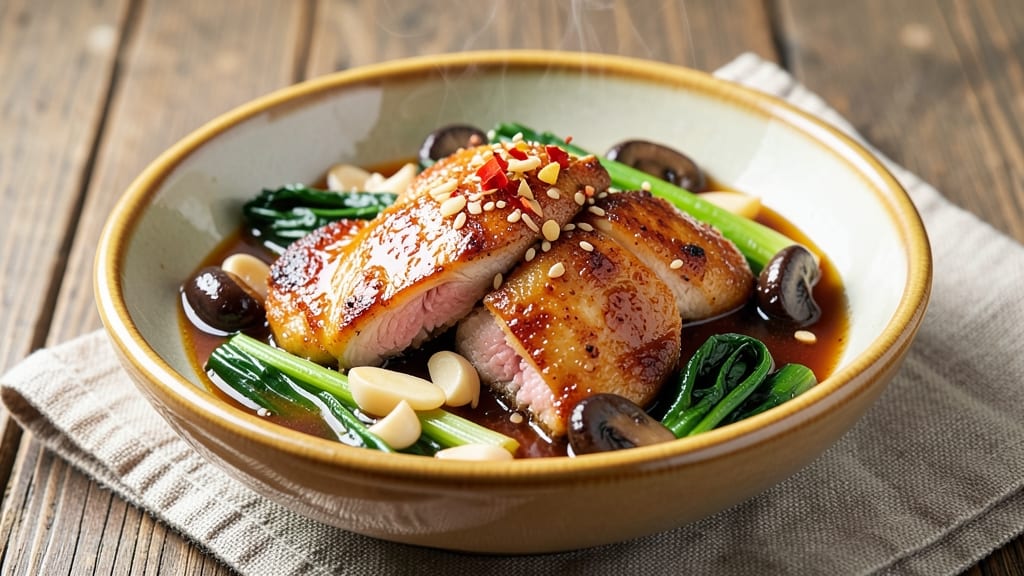
This Asian honey sauce recipe delivers that perfect balance of sweet, salty, and umami that takes stir-fries, wings, and noodles to the next level. The glossy, sticky drizzle clings beautifully to proteins and vegetables, adding depth without overpowering.
I developed this version after testing countless combinations—it’s the one that consistently earns rave reviews, whether drizzled over grilled chicken or tossed with fresh spring rolls.
The secret lies in the harmony of ingredients: honey for natural sweetness, soy sauce for umami, and rice vinegar for brightness—all simmered with garlic, ginger, and a touch of chili for that signature kick.
It’s foolproof to make in under 15 minutes and keeps well in the fridge for up to 2 weeks, making it a pantry staple for quick weeknight meals. The sauce’s versatility is its best feature—it elevates everything from takeout-style dishes to homemade favorites.
What sets this recipe apart is its glossy finish and ability to cut through rich, savory flavors while adding a touch of warmth. The garlic and ginger infuse the sauce with aromatic depth, while the honey ensures it stays luscious without crystallizing.
Whether you’re glazing wings, drizzling over noodles, or using it as a dipping sauce, the balance of flavors will make it your go-to condiment.
For best results, let the sauce cool slightly before using to allow flavors to meld. Store it in an airtight container in the fridge, and give it a quick stir before each use.
This sauce transforms ordinary dishes into restaurant-quality meals with minimal effort—proof that simple ingredients can deliver extraordinary results.
Ingredients for asian honey sauce
Nine pantry staples transform into that irresistible sweet-spicy Asian honey sauce everyone craves.
| Ingredient | Amount | Notes |
|---|---|---|
| Honey 🍯 | ½ cup | Raw or pure for best flavor |
| Low-Sodium Soy Sauce 🍶 | ⅓ cup | Kikkoman preferred for balance |
| Rice Vinegar 🍶 | ¼ cup | Seasoned for extra depth |
| Fresh Garlic Cloves 🧄 | 4 cloves | Minced for aromatic punch |
| Fresh Ginger Root 🌿 | 1 ½ tbsp | Finely grated, not powdered |
| Red Chili Flakes 🌶️ | 1 tbsp | Adjust for heat preference |
| Sesame Oil 🫒 | 1 tbsp | Toasted for nutty aroma |
| Cornstarch 🌾 | 1 tbsp | For glossy finish |
| Water 💧 | 2 tbsp | For cornstarch slurry |
| Salt 🧂 | ½ tsp | Diamond Crystal preferred |
The honey is the star here—raw or pure makes all the difference, avoiding that overly processed taste. Kikkoman soy sauce is my go-to for its balanced flavor, but any low-sodium brand works. Fresh garlic and ginger are non-negotiable; powdered substitutes won’t deliver that aromatic punch. For chili flakes, Trader Joe’s has the best quality, and toasted sesame oil adds that nutty depth that separates this sauce from basic honey drizzles. If you’re short on time, a garlic-ginger paste from the Asian aisle works too.
No honey? Maple syrup or agave can stand in, though the flavor will shift slightly. Swap soy sauce for coconut aminos if you’re avoiding sodium. Rice vinegar can be replaced with apple cider vinegar, but the brightness won’t be quite the same. The cornstarch slurry is key for that glossy finish—don’t skip it! For extra richness, stir in 1 tbsp tahini after simmering. And if you’re feeling adventurous, a dash of fish sauce (just ½ tsp) adds umami depth without overpowering.
This sauce keeps beautifully—2 weeks in the fridge—and freezes for up to 3 months if stored in an airtight container. For best texture, let it cool slightly before using, and always give it a quick stir before drizzling. I double the batch every time; it disappears faster than you’d think. The leftovers make an amazing glaze for roasted vegetables or a quick marinade for tofu. Trust me, you’ll want this on hand for everything from takeout nights to homemade stir-fries.
Why You'll Love This Recipe
- Five-Ingredient Magic: I swear by this combo—honey’s sweetness cuts through the sharpness of fresh ginger and garlic like a dream. No fancy techniques, just a quick simmer that transforms pantry basics into something that tastes like you slaved over it.
- Glaze Like a Pro: That sticky, glossy finish? It’s all in the honey and rice vinegar working together. Drizzle it over grilled chicken or toss it with noodles, and suddenly, everything feels restaurant-worthy without the fuss.
- Weeknight Wonder: Between us, this sauce is my secret weapon for lazy nights. Make a double batch, store it in the fridge, and voila—you’ve got a backup for stir-fries, marinades, or even a quick glaze for roasted veggies when you’re too tired to think.
- Budget-Friendly Flex: Honestly, the ingredient list won’t break the bank, and a little goes a long way. I’ve used it to dress up cheap proteins like tofu or chicken thighs, and suddenly, they taste like a splurge. Plus, it keeps for weeks in the fridge—zero waste.
Step-by-step instructions for Asian honey sauce
This sauce comes together faster than you can say "stir-fry" - vibrant, balanced, and ready to elevate any dish.
Build the Flavor Base
In a medium saucepan, combine the 0.5 cup honey, 0.33 cup low-sodium soy sauce, and 0.25 cup rice vinegar. Bring to a gentle simmer over medium heat, then reduce to low heat and let cook for 5 minutes. You'll notice the mixture bubbling softly and developing a rich aroma - that's your signal it's ready for the next ingredients.
Here's the thing - the honey and vinegar need to marry first. This initial cooking prevents the sauce from becoming too acidic later. Stir occasionally to prevent scorching, but don't be obsessive. The heat should be gentle enough that you can comfortably place your hand near the pan without feeling scorched air.
Add Aromatics and Heat
Lower the heat to low and add the 4 minced garlic cloves, 1.5 tbsp finely grated ginger root, 1 tbsp red chili flakes, and 1 tbsp sesame oil. Stir constantly for 2 minutes until the garlic turns golden and the ginger becomes fragrant. The chili flakes will dissolve slightly, creating a subtle heat that permeates the sauce.
This is where the magic happens. The garlic should sizzle gently without browning - you're looking for a pale golden color, not deep brown. If it starts to darken too quickly, reduce the heat immediately. The ginger will release its bright, citrusy notes, and the sesame oil will add that nutty depth that makes this sauce truly Asian-inspired.
Thicken the Sauce
In a small bowl, whisk together the 1 tbsp cornstarch and 2 tbsp water until completely dissolved. This creates a smooth slurry that will thicken your sauce beautifully. Return the saucepan to medium heat and slowly pour in the cornstarch mixture while stirring continuously.
The sauce will begin to thicken almost immediately. Keep stirring for 2-3 minutes until it reaches a glossy, syrupy consistency that coats the back of a spoon. You want it thick enough to cling to foods but still pourable. If it thickens too quickly, add 1-2 tablespoons of water to adjust the consistency. The sauce should be smooth with no lumps - if you see any, strain it through a fine-mesh sieve for a perfectly polished finish.
Season and Finish
Remove the sauce from heat and stir in the 0.5 tsp salt. Taste and adjust the balance - you might want to add a touch more honey for sweetness or a splash more rice vinegar for acidity. The sauce should sing with sweet, tangy, spicy, and umami notes all working together in harmony.
Let the sauce cool to room temperature. As it cools, it will thicken slightly more, developing that perfect glossy sheen. For best results, use the sauce within 24 hours when it's at its peak flavor. Store any leftovers in an airtight container in the refrigerator. This sauce is incredibly versatile - drizzle it over stir-fries, toss it with grilled chicken, or use it as a dipping sauce for spring rolls. The possibilities are endless!
Pro Tips For Making Asian Honey Sauce
- MINCE THE GINGER FINE: I learned this the hard way—chunky ginger in honey sauce just sits there like a stubborn guest. Use the flat side of your knife to smash it first, then finely mince it so it dissolves smoothly into the sauce and doesn’t leave chewy bits. (Your blender’s not doing you any favors here.)
- SIMMER LOW AND SLOW: This sauce isn’t a race. After adding the garlic and ginger, reduce heat to a bare simmer—medium-low at most—and let it cook uncovered for 8–10 minutes. Rushing it turns the honey into syrup too fast, and you’ll end up with a cloying glaze instead of a balanced sauce. Patience here makes all the difference.
- MEASURE THE VINEGAR LAST: Add the rice vinegar when the sauce is almost done, then taste immediately. The acidity cuts through the sweetness, but too early and you’ll need to adjust later. Pro tip: If your sauce tastes flat, a splash of vinegar at the end brightens it up instantly—no second-guessing.
- USE AROUND GARLIC, NOT RAW: Peel those garlic cloves but leave them whole—no chopping, no mincing. When the sauce hits a gentle simmer, drop them in unbroken and let them mellow for 5 minutes. This keeps the flavor mellow and sweet, not sharp or bitter. (Yes, even if you’re impatient like me.)
Health benefits of these flavors
Natural Energy Boost
The honey in this sauce provides a quick but sustained energy lift thanks to its natural sugars and small amounts of vitamins like B6 and riboflavin.
A ¼ cup serving delivers about 64 calories and 17 grams of sugar, but the combination with protein-rich dishes helps stabilize blood sugar levels. I've found that using raw honey maximizes these benefits while avoiding processed additives that can spike energy followed by crashes. 💪
Digestive Aid Benefits
The ginger and garlic in this sauce aren't just for flavor—they're digestive powerhouses. Ginger contains gingerol, which helps reduce nausea and bloating, while garlic's allicin supports gut health by promoting beneficial bacteria.
The rice vinegar adds probiotic properties that aid digestion, making this sauce particularly great after rich meals. I always double the ginger when making larger batches for extra digestive support.
Antioxidant Protection
Both honey and sesame oil contribute significant antioxidant properties that combat oxidative stress. The honey provides pinocembrin and chrysin, while sesame oil contains sesamin and sesamol, which help reduce inflammation.
The red chili flakes add capsaicin, which has been shown to boost metabolism and may help with pain relief. Together, these ingredients create a sauce that's not just delicious but actively beneficial for your body.
Blood Sugar Support
While honey does contain sugar, the combination with soy sauce and vinegar actually helps moderate blood sugar spikes. The amino acids in soy sauce slow glucose absorption, while the acidity from vinegar creates a balancing effect.
For those monitoring blood sugar, I recommend using no more than 2 tablespoons of this sauce per serving—it's still a treat, but the ingredients work together to create a more balanced impact than pure honey would.
Immune System Support
The garlic in this sauce contains allicin, a compound with potent antimicrobial properties that can help strengthen your immune system. Combined with the vitamin C from ginger and the zinc found in honey, this sauce becomes a flavorful way to support your body's defenses.
I keep a small jar of this sauce on hand during cold seasons—it's my go-to for adding immune-boosting ingredients to meals without extra effort.
Versatile Nutrient Delivery
What makes this sauce particularly beneficial is its versatility—you can use it on everything from grilled proteins to steamed vegetables, ensuring you're getting these nutrients with every meal. The umami from soy sauce enhances flavor without adding calories, while the ginger and garlic provide anti-inflammatory benefits.
It's one of those rare recipes where every ingredient serves multiple health purposes while still delivering incredible taste. 🌟
Nutrition facts
Frequently asked questions
Can I make this sauce without honey?
Yes, but the flavor will change! Swap ½ cup honey with ⅓ cup maple syrup or agave nectar for a similar sweetness. For a savory version, reduce honey to ¼ cup and add 1 tbsp brown sugar to balance. The sauce will still work but lose that signature floral depth.
How spicy should the sauce be?
The 1 tbsp red chili flakes provides mild heat—adjust to taste! For extra kick, add ½ tsp cayenne or 1 tsp sriracha at the end. If you prefer no heat, simply omit the chili flakes entirely. The sauce will still taste amazing with just the sweet-savory balance.
Why did my sauce turn grainy?
This usually happens when cornstarch isn't fully dissolved in the slurry. Whisk the cornstarch and water vigorously until smooth, then heat gently while stirring. If it still looks grainy, strain through a fine-mesh sieve. For next time, use arrowroot powder instead—it dissolves more easily.
What's the best way to use leftover sauce?
This sauce is incredibly versatile! Drizzle over grilled chicken or pork, toss with cold noodles, use as a dip for spring rolls or dumplings, or glaze roasted vegetables. For extra richness, stir in 1 tbsp tahini before using. It keeps well for 2 weeks in the fridge.
Can I make this sauce in a slow cooker?
Combine all ingredients except cornstarch slurry in your slow cooker on low for 2 hours. Then stir in the cornstarch mixture and cook for 30 more minutes on high. The result will be thicker—adjust with water if needed. The slow cooker method is perfect for hands-off prep!