
Sauces & Condiments
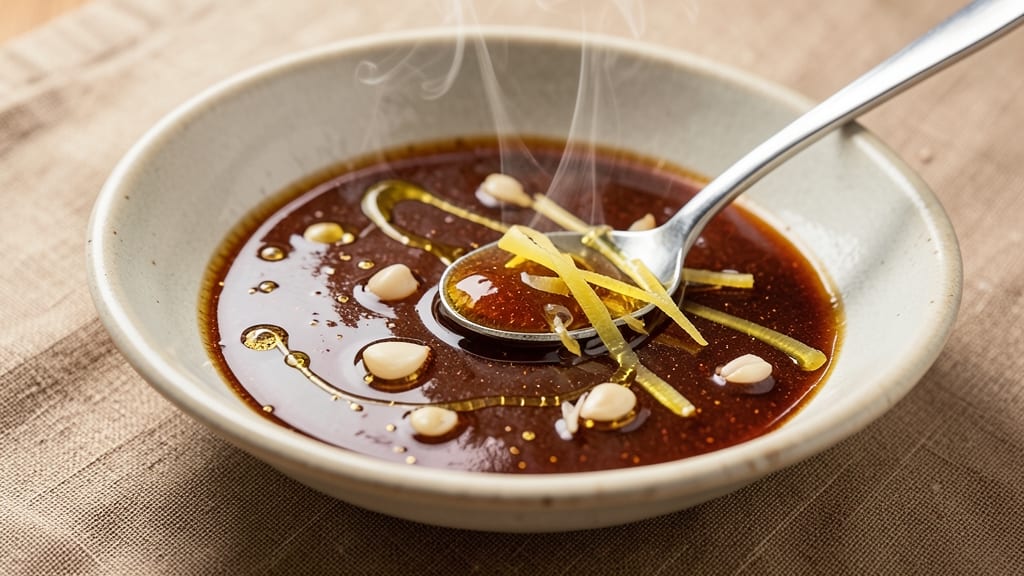
This Asian glaze sauce transforms ordinary dishes into restaurant-quality masterpieces with just a few simple ingredients and 15 minutes of simmering time. The perfect balance of sweet, salty, and tangy flavors creates a sticky caramel that clings beautifully to meats, vegetables, and noodles.
I developed this recipe after years of experimenting with Asian sauces, and it's now my go-to for adding depth and shine to any dish.
The secret lies in the reduction process, where honey and soy sauce combine to form a glossy, flavorful glaze that's rich but not overpowering. Unlike store-bought versions, this homemade sauce delivers authentic taste with no artificial additives.
The combination of rice vinegar adds brightness, while garlic and ginger provide aromatic complexity that elevates every application.
What makes this sauce truly versatile is its ability to enhance a wide range of dishes—grilled chicken becomes irresistible, roasted vegetables develop caramelized edges, and noodles transform into something extraordinary.
The sauce thickens as it cools, making it perfect for drizzling or brushing onto hot foods. With just five ingredients and a simple technique, you'll achieve professional-quality results every time.
Best of all, this glaze sauce keeps well in the refrigerator for up to two weeks, allowing you to make a big batch and use it throughout the week. Whether you're preparing a weeknight dinner or planning a special meal, this versatile sauce will become your new kitchen essential.
Let's get started on creating this flavorful foundation for your favorite dishes.
Ingredients for asian glaze sauce
Seven ingredients transform any dish into a sticky, restaurant-worthy masterpiece with just 15 minutes of magic.
| Ingredient | Amount | Notes |
|---|---|---|
| Honey 🍯 | ½ cup | High-quality, light amber preferred |
| Light Soy Sauce 🥢 | ½ cup | Kikkoman or San-J recommended |
| Rice Vinegar 🍶 | 2 tbsp | Seasoned or unseasoned works |
| Fresh Garlic Cloves 🧄 | 4 cloves | Minced for aromatic depth |
| Fresh Ginger 🌿 | 1 ½ tbsp | Finely grated, peel removed |
| Extra-Virgin Olive Oil 🫒 | 1 tbsp | For glossy finish and balance |
| Sesame Oil 🌰 | 1 tsp | Toasted for nutty aroma (optional) |
The honey and soy sauce are your flavor anchors—Kikkoman or San-J soy sauce delivers that perfect umami punch, while light amber honey ensures a balanced sweetness without overpowering. For the garlic and ginger, fresh is non-negotiable—dried or powdered won't give that aromatic depth. I always grab organic ginger from the produce section (the knobby kind), and garlic cloves from the bulk bin at Whole Foods—they keep better and taste fresher. The rice vinegar adds that bright tang, so if you're using seasoned, taste as you go—some brands are saltier than others.
No honey? Maple syrup works beautifully—just reduce the soy sauce by a tablespoon to balance the sweetness. Running out of rice vinegar? Apple cider vinegar is a solid swap, though it'll have a slightly different profile. The sesame oil is optional but absolutely essential for that authentic umami finish—skip it if you're avoiding nuts, but trust me, it's worth the tiny jar. For the olive oil, any extra-virgin will do, but avoid the cheap stuff—you'll taste the difference in that glossy finish. Want extra depth? Add a dash of fish sauce (if not avoiding it) or a pinch of red pepper flakes for heat.
This sauce thickens as it cools, so make it fresh for the best texture—it'll cling like a dream to whatever you're glazing. Store in a glass jar in the fridge for up to two weeks, or freeze in ice cube trays for single-use portions. The longer it sits, the more intense the flavors become, so let it come to room temp before using—it'll be even more luscious. Pro tip: reheat gently in a small saucepan over low heat, stirring constantly to prevent burning.
Why You'll Love This Recipe
- Five-Ingredient Magic: I swear by this combo—just honey, soy, vinegar, and those two fresh aromatics. No fancy gadgets, no stress. The ginger and garlic practically cook themselves in the simmer, and honestly? You’ll forget how little effort went into something this flavorful.
- Sweet-Savory Balance: That honey and soy marriage is chef’s kiss—sticky, tangy, with just enough bite. The rice vinegar cuts through the richness, so it’s never cloying. I drizzle it on everything, but it’s especially good when it caramelizes on grilled chicken or roasted veggies.
- Pantry Staple Power: Between us, this sauce is my go-to for lazy Sundays or last-minute weeknights. Use it as a marinade, a glaze, or even a quick stir-fry sauce. I’ve made it for date nights, family dinners, and even as a dip—it’s that adaptable.
- Double the Batch: Make a big batch and thank me later. It keeps for weeks in the fridge, and the flavor only deepens. I freeze half for when I’m too tired to cook, then thaw it straight into a pan. Budget-friendly? Absolutely. Life-saving? Even more so.
Step-by-step instructions for Asian glaze sauce
Here's how to create a velvety, perfectly balanced glaze that transforms ordinary dishes into showstoppers.
Bloom the Aromatics in Olive Oil
Heat the 1 tablespoon extra-virgin olive oil in a small saucepan over medium-low heat. Add the 4 minced fresh garlic cloves and 1.5 tablespoons finely grated fresh ginger, stirring constantly for 1-2 minutes until fragrant but not browned. The garlic should smell pungent and sweet—this is your aromatic foundation.
Watch the heat carefully—ginger burns faster than garlic. If you see the edges darken, reduce to low heat immediately. This step builds the flavor base that will carry through the entire sauce. Once aromatic, remove the pan from heat and let the aromatics cool slightly for 30 seconds before proceeding.
Combine Wet Ingredients for the Base
Return the pan to medium heat and add the 0.5 cup honey and 0.5 cup light soy sauce. Stir continuously for 3-4 minutes until the mixture begins to bubble gently. The honey will start to dissolve into the soy sauce, creating a smooth, golden liquid that coats the back of a spoon.
This is where the magic happens—the honey's sweetness begins to caramelize while the soy sauce's umami deepens. If the mixture looks too thick, add 1 tablespoon water to help it flow smoothly. The goal is a glossy, pourable consistency that will cling beautifully to whatever you drizzle it over.
Simmer to Thicken and Develop Flavor
Increase heat to medium-high and bring the mixture to a gentle boil, then immediately reduce to medium-low. Let it simmer uncovered for 8-10 minutes, stirring occasionally, until it thickens to a syrupy consistency. You're looking for a glaze that coats the back of a spoon but still flows freely—it should resemble thick maple syrup in texture.
Here's the thing—don't walk away. The glaze can go from perfect to burnt in seconds. Stir frequently and watch for color changes. When it reaches a deep amber hue, it's ready. If it thickens too much, whisk in 1 teaspoon hot water to adjust the consistency. The sauce should be glossy, sticky, and irresistibly shiny.
Finish with Acid and Oil for Balance
Remove the pan from heat and stir in the 2 tablespoons rice vinegar and 1 teaspoon sesame oil. The vinegar brightens the flavors while cutting through the sweetness, and the sesame oil adds a nutty depth that ties everything together. Taste and adjust seasoning—you might need a pinch more soy sauce for saltiness or a drizzle of honey for sweetness.
Let the glaze rest for 5 minutes at room temperature. This resting period allows the flavors to meld completely. The sauce will thicken slightly as it cools, so adjust consistency with a splash of water if needed. The final product should be a perfect balance of sweet, salty, umami, and acidic notes with a luxurious sheen.
Strain and Store for Maximum Freshness
For a completely smooth glaze, strain through a fine-mesh sieve into a clean bowl or jar. This removes any lingering ginger fibers, giving you a silky texture. If you prefer texture, skip the straining—those tiny ginger bits add visual interest and subtle flavor bursts.
Use immediately for best results, but if storing, keep in an airtight container in the refrigerator for up to 2 weeks. The glaze will thicken further when chilled, so thin with a splash of hot water before using. This versatile sauce elevates everything from grilled meats to roasted vegetables—just drizzle generously and watch it disappear!
Pro Tips For Making Asian Glaze Sauce
- Simmer Low and Slow: That honey isn’t going to behave on high heat—it’ll burn faster than you can say "sweet disaster." Keep the pan at a gentle simmer (just small bubbles, not rolling) for 8-10 minutes, stirring occasionally. I learned this the hard way after turning a glossy glaze into charred syrup.
- Peel and Mince Ginger: Skip the grating—peeled, julienned ginger integrates better and avoids that grainy texture that ruins the sauce. Use about 1-inch fresh ginger (about 1 tablespoon minced) and add it early with the garlic. (Yes, even if you’re impatient like me.)
- Balance Vinegar Gradually: The rice vinegar’s job is to brighten, not dominate. Add half the amount first, taste, then adjust—you can always add more, but you can’t take it out. I was skeptical until I tried it: the sauce now has depth, not a sour punch.
- Strain for Smoothness: This isn’t the prettiest method, but it’s the tastiest. After simmering, strain the sauce through a fine-mesh sieve to remove garlic and ginger bits. (Your future self will thank you when you’re not picking out texture.) Use a spoon to press gently—no need to force it.
Flavor customization for this dish
Sweet Heat Twist
Want to kick things up? Add 1 teaspoon sriracha or ½ teaspoon gochujang to the simmering glaze for a subtle heat that balances the sweetness beautifully. For extra depth, infuse the sauce with 1 sliced Thai chili while simmering—remove it before straining.
I love this variation on grilled pork skewers or stir-fried tofu for a restaurant-style kick. 🌶️
Umami Boost
Need more savory depth? Stir in 1 teaspoon fish sauce (like Red Boat) during the final resting phase or add 1 tablespoon miso paste (white or red) when combining the wet ingredients.
The miso adds a rich, earthy complexity that works wonderfully with roasted Brussels sprouts or seared scallops. For a vegetarian option, use 1 tablespoon soy sauce instead of fish sauce.
Citrus Zing
Brighten the glaze with 1 tablespoon freshly squeezed lime juice or orange zest (about 1 teaspoon) during the final step. The citrus cuts through the sweetness and adds a refreshing contrast that pairs perfectly with grilled shrimp or cold noodle salads.
I often add 1 teaspoon lime zest for extra aroma—just be sure to strain it out if you want a smooth finish. 🍊
Nutty Depth
For a richer texture, fold in 1 teaspoon toasted sesame seeds or ½ teaspoon sesame paste at the end. The nutty aroma complements the glaze's sweetness and adds a satisfying crunch when drizzled over roasted chicken thighs or steamed bok choy.
If you're feeling adventurous, add ½ teaspoon peanut butter (creamy, not crunchy) for a Thai-inspired twist that works amazingly with satay-style dishes.
Herbaceous Freshness
Finish the glaze with 1 tablespoon chopped fresh cilantro, Thai basil, or mint leaves for a vibrant, herbaceous note. These herbs add freshness that contrasts beautifully with the sauce's richness.
I especially love this variation on grilled lamb chops or cold rice bowls. For a smoother texture, muddle the herbs with the rice vinegar before adding them to the sauce.
Spiced Variations
Add warmth with ½ teaspoon ground star anise, ½ teaspoon cinnamon, or ¼ teaspoon cardamom during the simmering phase. These spices pair wonderfully with roasted carrots or spiced meats like duck breast.
For a smoky touch, add ¼ teaspoon smoked paprika or a pinch of five-spice powder—perfect for grilled ribs or braised short ribs. Just be sure to taste as you go, as spices can intensify during reduction. ✨
Nutrition facts
Frequently asked questions
Can I make this glaze sauce without honey?
Substitute ½ cup maple syrup or ⅓ cup brown sugar dissolved in ¼ cup water for the honey. For a lighter option, try agave nectar (use ⅓ cup). Just reduce the soy sauce by 1 tablespoon if using sweeter alternatives to maintain balance. The texture will be slightly different but still delicious.
How do I prevent the glaze from burning while simmering?
Keep the heat at medium-low after the initial boil, and stir frequently—every 30-60 seconds. Use a wider saucepan to spread the heat evenly, and avoid covering the pan (steam can cause splattering). If you see dark spots forming, immediately reduce heat or remove from burner for 30 seconds to let it cool slightly.
What's the best way to store leftover glaze?
Transfer to an airtight glass jar and refrigerate for up to 2 weeks. The sauce thickens when chilled, so thin with 1 teaspoon hot water before using. For longer storage, freeze in ice cube trays (thaw in fridge overnight) or small containers. Label with the date—fresh glaze always tastes best!
Can I use this glaze on cold dishes?
Yes! While it's perfect for hot dishes, this glaze works beautifully on cold noodle salads, rice bowls, or chilled seafood. Just thin it slightly with 1-2 teaspoons water to prevent it from being too thick. The flavors meld even better when served at room temperature—let it sit for 10 minutes before drizzling.
What's the secret to getting that glossy finish?
The gloss comes from proper reduction and the sesame oil at the end. Simmer until it reaches a thick syrup consistency (should coat the back of a spoon), then finish with the oil while warm. For extra shine, add ½ teaspoon cornstarch mixed with 1 teaspoon water during the final 2 minutes of simmering—stir until transparent.