
Sauces & Condiments
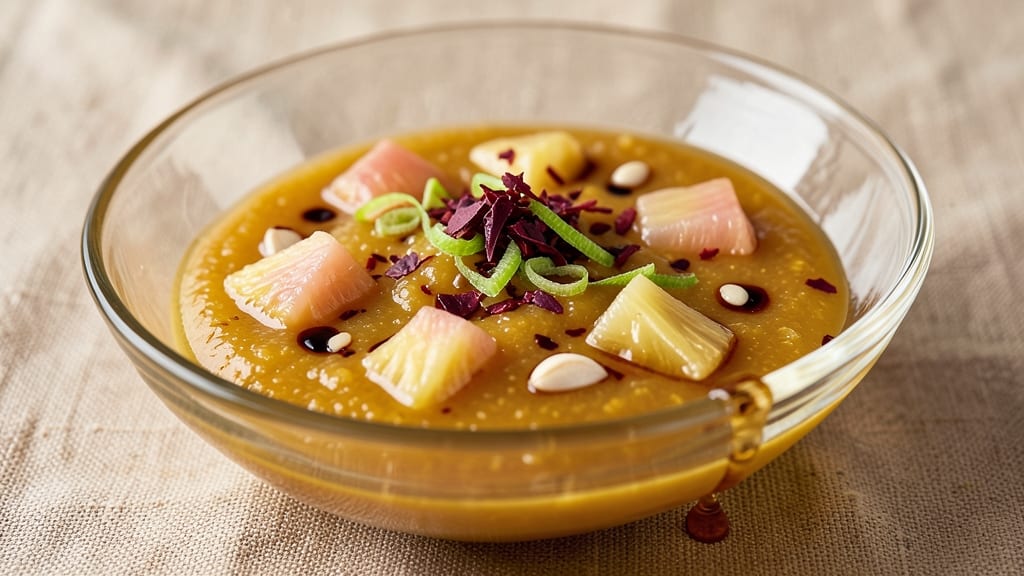
This Asian pineapple sauce recipe transforms simple ingredients into a vibrant, sweet-tangy glaze that elevates stir-fries, grilled meats, and even desserts. The balance of pineapple's natural sweetness with aromatic ginger, garlic, and a touch of chili creates a sauce that's both bold and versatile.
I developed this recipe after years of experimenting with Asian-inspired flavors—it's the perfect blend of tropical brightness and savory depth.
The process is straightforward: simmer pineapple juice with ginger, garlic, and spices until thickened, then blend until smooth. No special equipment is needed beyond a saucepan and immersion blender (or regular blender).
The sauce keeps well in the refrigerator for up to two weeks, making it an ideal pantry staple for quick meals or last-minute flavor boosts.
What makes this sauce truly special is its adaptability. Drizzle it over grilled chicken or pork for instant caramelization, toss it with noodles for a sweet-spicy kick, or even use it as a glaze for roasted vegetables.
The tangy-sweet profile cuts through rich dishes while adding a refreshing contrast. Once you try it, you'll reach for this sauce whenever you want to add a tropical twist.
For extra depth, let the sauce reduce slightly longer for a thicker consistency, or add a splash of soy sauce for umami richness. The possibilities are endless—let your creativity guide you in the kitchen. Here's how to make it perfectly every time.
Ingredients for asian pineapple sauce
Tropical brightness meets savory depth in this vibrant sauce—just ten ingredients transform into endless flavor possibilities.
| Ingredient | Amount | Notes |
|---|---|---|
| Fresh Pineapple Juice 🍍 | 1 ½ cups | From fresh pineapple, not canned |
| Fresh Ginger Root 🌿 | 2 tbsp | Finely grated, aromatic |
| Garlic Cloves 🧄 | 4 cloves | Minced, aromatic intensity |
| Red Chili Flakes 🌶️ | 1 tbsp | Adjust for spice preference |
| Low-Sodium Soy Sauce 🥢 | 1 tbsp | For umami depth |
| Honey 🍯 | 1 tbsp | For balanced sweetness |
| Lime Juice 🍋 | 1 tbsp | Freshly squeezed, brightens flavor |
| Sesame Oil 🫒 | 1 tsp | Toasted, nutty aroma |
| Cornstarch 🌾 | ½ tbsp | Dissolved in 1 tbsp water |
| Water 💧 | ½ cup | For thinning if needed |
The pineapple juice is the foundation, so pick ripe fruit—the juice should be sweet but not overly syrupy. Trader Joe's and Whole Foods carry excellent fresh pineapples year-round, but any ripe pineapple works. For ginger, grab a fresh root and grate it yourself—pre-grated loses its punch fast. The garlic should be fresh, not dried, for that bold aromatic kick. Chili flakes can be adjusted to taste, but start with the full tablespoon—you can always add more later. Soy sauce matters here; low-sodium brands like Kikkoman or San-J keep the sauce from getting too salty.
No fresh pineapple juice? Coconut water works in a pinch, though the flavor will be subtly different. Swap honey for maple syrup or agave if needed—just reduce the amount slightly since they're less sweet. For extra depth without soy sauce, fish sauce (if not vegetarian) or coconut aminos work beautifully. The sesame oil is non-negotiable for that nutty aroma, but if you're avoiding it, toasted sesame seeds can be blended in at the end. The cornstarch slurry is your secret weapon for thickening—don't skip it if you want that perfect glaze consistency.
This sauce keeps beautifully in the fridge for 2 weeks, though it tastes even better after a day or two as the flavors meld. For longer storage, freeze in ice cube trays—perfect for single-use portions. If it thickens too much, just stir in a splash of water or pineapple juice. Use it within 3 months when frozen. The sauce pairs perfectly with grilled meats, stir-fries, or even drizzled over ice cream for a tropical dessert twist—trust me on that one.
Why You'll Love This Recipe
- Five-Ingredient Magic: I swear by this—just juice, ginger, garlic, chili, and soy. That’s it. No fancy gadgets, no hidden pantry staples. The pineapple brightens everything, while the ginger and garlic add depth in seconds.
- Sweet Heat Balance: Honestly, the chili flakes might seem bold, but they melt into this sauce like a hug. The pineapple’s natural sweetness cools the burn, leaving a finish that’s addictive—like a spicy-sweet hug in a jar.
- Dips, Glazes, Everything: This sauce doesn’t just sit in a bottle. Slather it on grilled chicken, toss it with rice, or use it as a marinade. Even my picky teenage nephew asks for it now—(yes, even on a Tuesday night).
- Lasts All Week: Between us, I make a big batch and it’s still vibrant after five days. The soy and ginger keep it from going flat, and the pineapple’s acidity means no weird textures. My budget—and my taste buds—thank me.
Step-by-step instructions for Asian pineapple sauce
Here's how to craft a vibrant, balanced glaze that bridges sweet, spicy, and umami flavors.
Bloom Aromatics in Toasted Sesame Oil
Heat a small saucepan over medium-low heat and add the 1 teaspoon sesame oil. Let it warm for 30 seconds until fragrant—you'll smell that nutty, toasty aroma. This is your flavor foundation, so don't rush it. Add the 2 tablespoons finely grated fresh ginger root and 4 minced garlic cloves, stirring constantly for 1 minute until the garlic turns golden and the ginger softens.
Watch closely here—the garlic should sizzle gently without browning. If it starts to darken too quickly, reduce the heat immediately. These aromatics form the backbone of your sauce, so their development makes all the difference in depth of flavor.
Combine Wet Ingredients and Simmer
Pour in the 1.5 cups fresh pineapple juice, 1 tablespoon low-sodium soy sauce, 1 tablespoon honey, 1 tablespoon lime juice, and 1 tablespoon red chili flakes. Stir well to incorporate, then bring the mixture to a gentle simmer over medium heat. Let it cook uncovered for 5-7 minutes until reduced by about one-third and slightly thickened.
You'll notice the sauce darkening slightly as the flavors meld. The pineapple's natural sweetness will soften, and the acidity from the lime will brighten. Taste occasionally—this is where you can adjust the balance. Need more heat? Add a pinch more chili flakes. Want more depth? A splash of soy sauce. This is your chance to personalize it.
Thicken with Cornstarch Slurry
In a small bowl, whisk together the 0.5 tablespoons cornstarch with 1 tablespoon of the 0.5 cup water until completely dissolved. This creates your thickening agent. Pour the slurry into the simmering sauce while stirring constantly with a wooden spoon. The sauce will thicken immediately, so keep stirring for 1-2 minutes until it reaches your desired consistency—it should coat the back of a spoon but still be pourable.
If it thickens too much, add the remaining 0.5 cup water 1 tablespoon at a time until you achieve that perfect glaze-like texture. The sauce should be glossy with a smooth, velvety finish. This step ensures your sauce will cling beautifully to whatever you drizzle it over, whether it's stir-fried vegetables, grilled meats, or fresh spring rolls.
Finish and Rest for Maximum Flavor
Remove the sauce from heat and let it cool for 5 minutes. This resting period allows the flavors to fully integrate and the sauce to thicken slightly as it cools. Taste again and adjust seasoning if needed—perhaps a touch more lime for brightness or a hint more honey for sweetness. The sauce should be harmoniously balanced with all flavors working together.
For best results, use the sauce immediately over your favorite Asian-inspired dishes. It works wonders as a glaze for teriyaki chicken, a dipping sauce for dumplings, or even a marinade for tofu. The vibrant colors and complex flavors will elevate any dish, making it feel like you've just stepped into a bustling street food market.
Pro Tips For Making Asian Pineapple Sauce
- Simmer Slow, Not Fast: I used to rush the sauce and end up with a thin, bitter mess. This sauce needs a steady, low simmer—about 10-15 minutes—to let the ginger and garlic mellow out without burning. If it’s too aggressive, the pineapple’s sweetness gets overwhelmed by a harsh, almost medicinal edge.
- Grate, Don’t Mince Ginger: Mincing ginger releases too much liquid and makes the sauce watery. Instead, use a box grater for fine, dry shreds—no need to squeeze out moisture. This keeps the texture balanced and the heat consistent, especially when combined with the pineapple juice.
- Balance Heat with Soy: Tossing in chili flakes first? Wait. Add the soy sauce after the ginger and garlic have simmered for 5 minutes—this lets the spices bloom without turning the sauce into a one-note spicy punch. The soy rounds out the heat, so adjust it last.
- Strain for Smoothness: No one wants to bite into a chunk of ginger or garlic in their sauce. After simmering, strain through a fine-mesh sieve (or cheesecloth) to catch any fibrous bits. It’s extra work, but the result is silky—especially if you’re drizzling this over grilled meats or noodles.
Serving suggestions for this dish
Grilled Meats Glaze
This sauce transforms grilled chicken or pork into a showstopper. Brush it on during the last 5-7 minutes of grilling over medium-high heat—the high heat caramelizes the sugars, creating a beautiful glaze.
I love using it on boneless pork chops or chicken thighs, basting every 2 minutes for even coverage. For extra drama, sprinkle with toasted sesame seeds before serving. 🔥
Stir-Fry Elevator
Toss this sauce with stir-fried vegetables like bell peppers, broccoli, and snap peas in the final 1-2 minutes of cooking. The sauce clings beautifully to wok-hei (breath of the wok) flavors, adding a sweet-tangy contrast.
I recommend using it with rice noodles or udon noodles—just toss them with the sauce and a splash of water to loosen. Garnish with cilantro or Thai basil for freshness.
Dessert Drizzle
Who says sauces are just for savory dishes? Drizzle this over vanilla ice cream or coconut milk rice pudding for a tropical twist. The pineapple's natural sweetness complements the creamy textures perfectly.
For a fancy touch, add toasted coconut flakes or mint leaves on top. I first tried this with store-bought mango sorbet—it became an instant crowd-pleaser at summer parties! 🍍
Spring Roll Dip
Serve this sauce warm as a dipping sauce for spring rolls or egg rolls. The sweetness balances the crispy exterior, while the tangy notes cut through the fried textures. I like to thin it slightly with water or pineapple juice for a smoother consistency.
For extra depth, add a pinch of white pepper or a dash of fish sauce if you're feeling adventurous.
Marinade Magic
Use this sauce as a marinade for tofu, shrimp, or chicken by mixing it with 1 tablespoon soy sauce and letting it sit for 20-30 minutes. The acidity in the lime and pineapple tenderizes the protein while infusing it with flavor.
I've had great success with firm tofu cubes—just press them first for better texture. The result? Juicy, flavorful protein every time. ✨
Presentation Perfection
For restaurant-quality plating, drizzle the sauce in artistic swirls over dishes. A small squeeze bottle works perfectly for controlled drizzling. Pair it with steamed jasmine rice and quick-pickled vegetables for a balanced meal. The vibrant colors make any dish look inviting—perfect for impressing guests or elevating weeknight dinners. 💫
Nutrition facts
Frequently asked questions
Can I substitute canned pineapple juice instead of fresh?
Fresh pineapple juice gives the best flavor, but you can use canned in a pinch. Look for 100% pineapple juice with no added sugar—the kind used for smoothies. Add 1 teaspoon of lime juice extra to compensate for the lack of fresh acidity. The texture will be slightly different but still delicious for most uses.
How do I adjust the sweetness or spice level?
For less sweetness, reduce the honey to 0.5 tablespoons or swap it for agave syrup. For more heat, add ½ teaspoon extra chili flakes or a pinch of red pepper flakes. If you prefer smoky flavor, add ½ teaspoon smoked paprika at the end. Always taste as you go!
Can I make this sauce without cornstarch?
Yes! For a gluten-free option, use arrowroot powder instead (same ratio). If avoiding thickeners entirely, simmer the sauce longer (10-15 minutes) to reduce naturally. It'll be thinner but still flavorful—great for dipping sauces. For extra body, stir in 1 tablespoon coconut milk at the end.
Why did my sauce turn cloudy or separate?
Cloudiness often means the cornstarch wasn't dissolved properly or the sauce cooled too quickly. Always whisk the slurry until smooth, and let the sauce cool slowly. For separation, whisk vigorously to recombine. If it's too thin, simmer 2-3 minutes longer. The sauce should be glossy and uniform when done.
What's the best way to store leftovers?
Store in an airtight container in the fridge for up to 2 weeks. For longer storage, freeze in ice cube trays—thaw overnight in the fridge. If it thickens after refrigeration, stir in 1-2 teaspoons water to restore consistency. The sauce actually improves with time as flavors meld!