
Sauces & Condiments
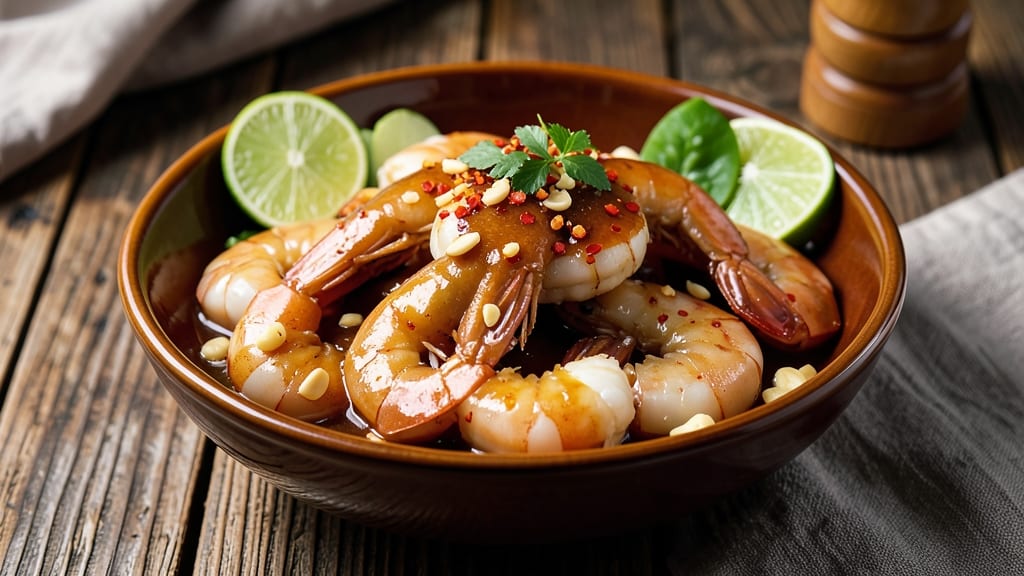
This Asian crawfish sauce recipe transforms bold flavors into a versatile condiment that elevates everything from seafood to stir-fries. The secret lies in balancing sweet, spicy, and umami notes through a simmered blend of crawfish stock, fish sauce, and aromatic herbs.
I developed this recipe after craving that signature Louisiana-inspired depth without the heavy cream—now you get a lighter, brighter sauce with just as much punch.
The magic happens in the simmering process, where garlic, ginger, and chili create a fragrant base before the sauce thickens into a glossy, clingy consistency. Unlike traditional versions, this one skips heavy dairy for a cleaner, more adaptable profile—perfect for dipping, marinating, or drizzling.
The acidity from lime juice brightens the flavors, while fresh cilantro and basil add freshness that keeps the sauce vibrant.
What makes this sauce truly special is its flexibility—use it as a dipping sauce for spring rolls or grilled shrimp, a marinade for tofu or chicken, or even a stir-fry glaze.
The recipe yields about 1½ cups, so you can make a batch and store it for up to a week in the fridge. For a pescatarian version, simply omit the crawfish stock and use extra fish sauce or mushroom broth to maintain depth.
Ready in just 20 minutes, this sauce delivers restaurant-quality results with minimal effort. The key is patience during the simmer—let the flavors meld before serving. Once you try it, you’ll never go back to store-bought again.
Ingredients for asian crawfish sauce
Nine bold ingredients for a sauce that packs umami, spice, and sweetness in every spoonful.
| Ingredient | Amount | Notes |
|---|---|---|
| Crawfish Stock 🦞 | 1 ½ cups | Homemade or high-quality store-bought |
| Fish Sauce 🍶 | ½ cup | Red Boat brand preferred |
| Garlic Cloves 🧄 | 6 cloves | Minced for aromatic base |
| Fresh Ginger 🌿 | 2 tbsp | Finely grated, peeled |
| Red Chili Flakes 🌶️ | 1 tbsp | Adjust for spice preference |
| Lime Juice 🍋 | ¼ cup | Freshly squeezed |
| Brown Sugar 🍬 | ¼ cup | Light or dark variety |
| Fresh Cilantro 🌿 | ¼ cup | Chopped, stems removed |
| Fresh Basil Leaves 🌿 | ¼ cup | Torn, for freshness |
| Olive Oil 🫒 | 2 tbsp | Extra-virgin for richness |
The crawfish stock is where the magic happens—homemade is ideal but Tony Chachere's works in a pinch. Look for Red Boat fish sauce if you can; it's worth the investment for that authentic depth. Fresh ginger and garlic? Don't skimp—they're the aromatic backbone. I always grab organic ginger at Whole Foods because it's less likely to be waxed. For the chili flakes, Madagascar or Thai bird's eye adds the best heat. If you can't find them, cayenne at half the amount works too.
No crawfish stock? Mushroom broth plus extra fish sauce keeps the umami going. Swap brown sugar for maple syrup or agave if you're avoiding refined sugar. Fresh herbs? Dried cilantro or basil at one-third the amount is better than skipping them. The olive oil matters—use something fruity and peppery like California Early Harvest. If you're making this for a crowd, double the batch—it keeps beautifully. For extra richness, add 1 tbsp of peanut butter at the end (trust me on this).
This sauce is a pantry game-changer—1 week in the fridge, 3 months frozen. I always make a double batch so I can drizzle it on everything from spring rolls to grilled shrimp. Store it in a glass jar with a tight lid to keep the flavors locked in. Freeze in ice cube trays for single-use portions—perfect for quick marinades. The flavors actually improve after 24 hours as everything melds together.
Why You'll Love This Recipe
- Pantry Magic: I swear by this sauce—no fresh crawfish needed. Just stock, fish sauce, and a quick simmer with garlic and ginger. It’s the kind of thing I make when I’m too tired to shop but still want restaurant-level flavor.
- Umami Bomb: That fish sauce and crawfish stock combo? Pure flavor gold. The chili flakes add a little kick, but the real magic is how the ginger and garlic melt into something rich and addictive—like a hug in a bowl.
- Game Day MVP: Between us, this sauce is my secret weapon for game nights. Drizzle it over grilled shrimp, toss it with noodles, or serve it as a dip. It disappears fast, and no one ever asks what’s in it.
- Budget-Friendly Staple: A little goes a long way, and it keeps for days in the fridge. I make a big batch, freeze half, and boom—next time I crave something bold, I’ve got it ready. No wasted ingredients, just pure flavor on demand.
Step-by-step instructions for Asian crawfish sauce
Here's how to make this bold, flavor-packed sauce that brings Cajun and Asian influences together.
Bloom the Aromatics in Olive Oil
Heat the 2 tablespoons olive oil in a medium saucepan over medium heat. Add the 6 cloves minced garlic cloves and 2 tablespoons finely grated fresh ginger—you'll immediately smell that bright, zesty aroma. Cook for 2-3 minutes until the garlic turns golden and fragrant, but don't let it brown or it'll turn bitter. This step builds the aromatic foundation of your sauce.
Real talk: If you see the garlic starting to darken too quickly, reduce the heat slightly. You want it to infuse the oil without burning. The oil should be shimmering but not smoking—this is where all the flavor magic begins.
Add Heat and Sweetness
Stir in the 1 tablespoon red chili flakes and cook for 30 seconds to toast the spices slightly—this deepens their flavor. Then add the 0.25 cup brown sugar and let it melt completely, about 1 minute. You'll notice the sauce start to thicken slightly as the sugar caramelizes just a bit.
Here's the thing—don't stir constantly. Let the sugar melt and develop those subtle caramel notes before moving to the next step. This creates that perfect balance of heat and sweetness that makes this sauce so addictive.
Build the Sauce Base
Pour in the 1.5 cups crawfish stock and bring to a gentle simmer over medium-low heat. Add the 0.5 cup fish sauce and 0.25 cup freshly squeezed lime juice. Stir well and let it simmer for 5-7 minutes until the liquid reduces by about one-third—you'll see it thicken noticeably and the flavors start to meld together beautifully.
I know it seems like a long wait, but this reduction is crucial. It concentrates the flavors and creates that perfect balance of umami from the fish sauce and crawfish stock with the bright acidity of lime. Taste as you go—you want the sauce to be rich but not overpowering.
Finish with Herbs and Adjust Seasoning
Remove the pan from heat and stir in the 0.25 cup chopped fresh cilantro and 0.25 cup torn fresh basil leaves. Let the herbs steep in the warm sauce for 2-3 minutes—this infuses their fresh, bright flavors without overpowering the dish. Then taste and adjust seasoning if needed.
If it needs more sweetness, add a pinch more brown sugar. If it needs more heat, add a tiny bit more chili flakes. The sauce should be balanced—sweet, spicy, umami-rich, and fresh all at once. Let it cool slightly before serving, as the flavors continue to develop.
Pro Tips For Making Asian Crawfish Sauce
- Simmer Slow and Steady: Don’t rush the sauce—let it bubble gently for at least 15 minutes. Crawfish stock needs time to meld with the garlic and ginger, or you’ll end up with a sharp, disjointed flavor instead of that deep, umami-rich base.
- Mince Ginger Like You Mean It: Use a microplane or the finest grater for ginger—no peeling, no chopping. The finer the texture, the faster it dissolves into the sauce, and that’s when you get that subtle, aromatic depth. (Yes, even if you’re impatient like me.)
- Taste Before You Add Chili: Check the sauce’s saltiness and umami balance before dumping in the red chili flakes. Fish sauce can sneak up on you—if it’s already bold, a little chili goes a long way. Adjust heat last, or you’ll regret it.
- Toast Garlic First: Sear the minced garlic in oil for 30 seconds until it smells nutty and golden. This stops it from turning bitter in the sauce and adds a toasty layer that cuts through the crawfish stock’s richness. (Skip this, and you’ll taste raw garlic later.)
Serving suggestions for this recipe
Dipping Sauce Perfection
This sauce is a game-changer for spring rolls, dumplings, or fresh summer rolls. Serve it warm in a small ceramic dipping bowl with a bamboo spoon for authentic presentation. The balance of sweet, spicy, and umami makes it irresistible—especially when paired with crispy rice paper rolls or shrimp tempura.
For extra flair, sprinkle toasted sesame seeds on top just before serving. 🥢
Protein Marinade
Marinate shrimp, chicken, or tofu in this sauce for 30-60 minutes before grilling or stir-frying. The crawfish stock and fish sauce infuse the protein with incredible depth, while the lime juice keeps it tender.
I love using it on grilled mahi-mahi—just brush it on during the last 2 minutes of cooking for a sticky, flavorful crust. For tofu, press and cube first, then marinate for at least 1 hour for maximum absorption.
Stir-Fry Glaze
Use this sauce as a finishing glaze for stir-fries—simmer it for an extra 2-3 minutes to thicken it further. Toss with stir-fried vegetables like bell peppers, snap peas, and carrots, then finish with sesame oil and green onions.
It works beautifully with beef or pork too—just reduce the sauce by half before adding to prevent a soggy dish. For a smoky twist, add 1 tsp of liquid smoke during the final simmer. 🍳
Garnish Game-Changers
Elevate any dish with these simple garnishes: crushed peanuts for crunch, lime zest for brightness, or quick-pickled onions for tang. I often drizzle this sauce over grilled lobster tails with a sprinkle of fresh Thai basil—the contrast of textures and flavors is next-level.
For a vegetarian option, serve it with crispy tofu and steamed bok choy for a quick weeknight meal.
Beverage Pairings
Cool down the heat with a cucumber-mint iced tea or a light lager like Asahi Super Dry. For something more robust, try a dry Riesling—the acidity cuts through the sauce's richness beautifully.
If you prefer cocktails, a gin and tonic with lime or a mojito balances the flavors perfectly. Avoid heavy beers or sweet wines, as they can overpower the sauce's complexity. 🍹
Make-Ahead Magic
This sauce tastes even better the next day, so make a batch ahead for meal prep. Store it in an airtight glass jar in the fridge for up to 1 week, or freeze in ice cube trays for single-use portions.
When reheating, warm it gently on the stovetop over low heat—never microwave, as it can dull the flavors. I often make a double batch to use as a dipping sauce for shrimp cocktails or a marinade for grilled skewers throughout the week. ✨
Nutrition facts
Frequently asked questions
Can I make this sauce without crawfish stock?
Yes! For a pescatarian version, substitute with 1 cup mushroom broth plus 1 extra tablespoon fish sauce to maintain umami depth. For a completely vegetarian option, use seaweed broth or soy sauce instead, though the flavor will be slightly different. The key is balancing the saltiness with extra acid (lime juice) or sweetness (brown sugar).
How do I adjust the spice level?
Start with the 1 tablespoon chili flakes as written, then taste before serving. For milder heat, reduce to ½ teaspoon or swap for ½ teaspoon cayenne pepper. For extra kick, add 1-2 sliced fresh Thai chilies during the final simmer. Remember, the sauce can be adjusted even after cooling—just add a pinch more chili flakes before using.
What's the best way to store leftover sauce?
Transfer to an airtight glass jar and refrigerate for up to 1 week. For longer storage, freeze in ice cube trays (thaw in fridge overnight) or silicone molds for single servings. Reheat gently on the stovetop over low heat—never microwave, as it can break down the delicate herbs and make the sauce taste flat.
Can I use this sauce as a marinade for seafood?
Use it to marinate shrimp, scallops, or white fish for 15-30 minutes (no longer or the acid may cook the seafood). For extra protection, add 1 tablespoon cornstarch to the marinade to create a light batter when searing. Remove the fish from the marinade before cooking to prevent overcooking. This works especially well with grilled mahi-mahi or blackened catfish.
Why did my sauce turn out too salty?
Fish sauce is potent—start with ¼ cup and taste before adding the full amount. If it's too salty, balance it with 1-2 tablespoons more lime juice or ½ cup additional crawfish stock. For future batches, reduce fish sauce by 1 tablespoon and add ½ teaspoon sugar to compensate. Always taste as you go during the simmering process.