
Sauces & Condiments
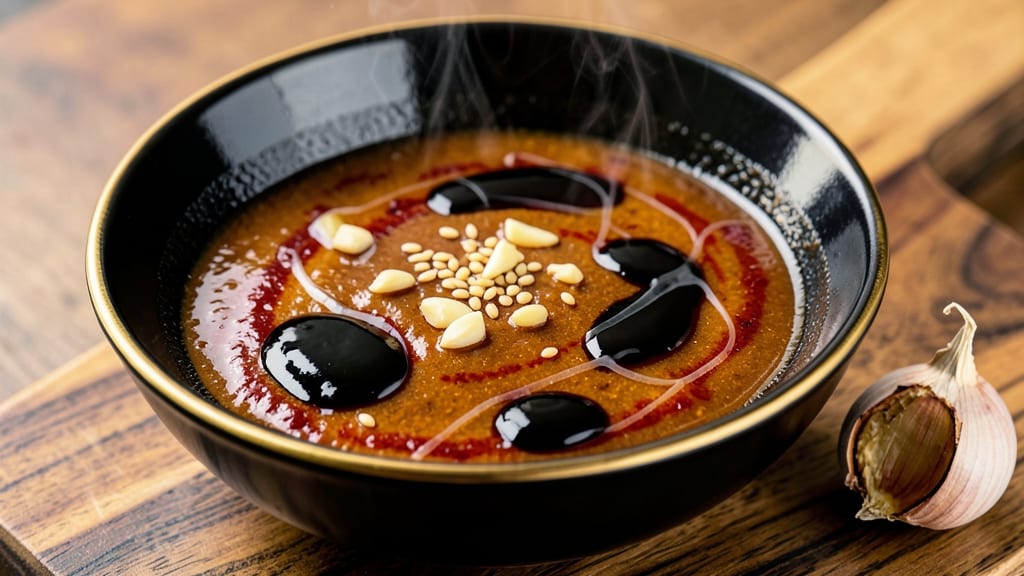
This Asian Cajun sauce recipe transforms bold Cajun heat with umami-rich Asian flavors, creating a versatile condiment that elevates stir-fries, grilled meats, and even noodle bowls.
The fusion begins with fermented soy and chili paste, building layers of spicy-sweet depth that balance perfectly when simmered with garlic, ginger, and aromatic spices. What sets this sauce apart is its adaptability—equally at home drizzled over shrimp skewers or tossed into a quick weeknight meal.
The process is straightforward but precise: combine ingredients in a saucepan, simmer until thickened, then blend for a silky texture. No blender? A fine-mesh strainer works just as well.
The key lies in balancing heat from chili flakes with the natural sweetness of soy sauce and a touch of brown sugar, creating a sauce that’s complex yet approachable. Professional results come from patience—letting flavors meld during the simmer transforms simple ingredients into something extraordinary.
What you’ll end up with is a deeply flavorful, slightly sticky sauce with a vibrant red hue and a taste profile that’s both familiar and exciting. The aroma alone—smoky, garlicky, with hints of ginger—will draw everyone to the table.
Whether you’re cooking for a crowd or meal prepping for the week, this sauce keeps beautifully in the fridge for up to 2 weeks, its flavors intensifying over time.
Use it as a marinade, a stir-fry glaze, or a dipping sauce for spring rolls. The possibilities are endless, but the method remains foolproof. Here’s how to make it—once you try it, you’ll never go back to store-bought again.
Ingredients for asian cajun sauce
Ten bold ingredients fuse Cajun heat with Asian umami for a sauce that transforms ordinary meals.
| Ingredient | Amount | Notes |
|---|---|---|
| Asian Fish Sauce 🍜 | ½ cup | High-quality, umami-rich preferred |
| Cajun Chili Paste 🌶️ | ⅓ cup | Smoked paprika-based for depth |
| Light Soy Sauce 🥢 | ⅓ cup | For balanced saltiness |
| Dark Soy Sauce 🥢 | 0.17 cup | Adds caramelized richness |
| Brown Sugar 🍯 | ¼ cup | Packed, for sweet-spicy balance |
| Garlic Cloves 🧄 | 6 cloves | Minced, aromatic foundation |
| Fresh Ginger 🌿 | ½ cup | Finely grated, zesty kick |
| Red Chili Flakes 🔥 | 1 tbsp | Adjust for heat preference |
| Sesame Oil 🫒 | 1 tbsp | Toasted, nutty aroma |
| Extra-Virgin Olive Oil 🫒 | 1 tbsp | For smooth texture |
The fish sauce and soy sauces form the sauce’s soul—Red Boat fish sauce and Kikkoman soy are industry standards for depth. Cajun chili paste (like Crystal) brings the smoky heat, while brown sugar from Domino ensures a perfect sweet-spicy balance. Fresh ginger and garlic should be organic when possible—their vibrant color indicates peak flavor. For the chili flakes, La Choy delivers consistent heat without bitterness. Sesame oil adds nutty complexity, but toast it first to avoid raw bitterness.
No fish sauce? Coconut aminos at double the amount mimics umami. Swap dark soy sauce for molasses if unavailable, though the color will differ. Pre-minced garlic? Freshly minced still wins for aroma, but jarred works in a pinch. For less heat, reduce chili flakes to 0.5 tbsp or use gochugaru (Korean red pepper flakes) for a milder, fruity kick. The sesame oil can be omitted entirely if nutty flavors aren’t desired, though it’s worth the 1 tbsp for that signature aroma.
This sauce thickens as it cools, so store it in an airtight container with a thin layer of olive oil on top to preserve freshness. Keeps for 2 weeks in the fridge or 6 months frozen in ice cube trays for portion control. For best results, let it sit at room temperature for 10 minutes before using—flavors meld beautifully during that time. Double the batch if you’re prepping for the week; it’s worth the effort.
Why You'll Love This Recipe
- Five-Ingredient Magic: I swear, this sauce comes together with just a whisk and a bowl—no fancy techniques, no waiting. Toss in the fish sauce, chili paste, and soy sauces, then let that brown sugar melt everything into one ridiculously cohesive sauce. Honestly, it’s the kind of recipe that makes me feel like a chef when I’m really just stirring a pot.
- Umami Bomb: That combo of fish sauce and dark soy? Chef’s kiss. The Cajun chili paste brings the heat, but the brown sugar rounds it out so it’s not just spicy—it’s complex. It’s the kind of flavor that lingers, making every bite of whatever you’re cooking feel like a little celebration.
- Weeknight to Party: I use this on stir-fries when I’m exhausted, but it also elevates grilled shrimp at a summer BBQ. The balance of salty, sweet, and spicy works for casual dinners or when I’m feeling fancy. Between us, it’s my go-to for when I don’t want to think too hard about dinner.
- Leftovers That Don’t Suck: This sauce actually tastes better the next day—yes, really. I make a big batch, store it in the fridge, and use it all week on noodles, roasted veggies, or even as a marinade. It’s budget-friendly, too, since a little goes a long way, and I’m always left with seconds (or thirds).
Step-by-step instructions for crafting the perfect Asian Cajun sauce
This bold fusion sauce delivers depth and complexity through precise technique and ingredient balance.
Bloom the Aromatics in Olive Oil
Heat the 1 tablespoon Extra-Virgin Olive Oil in a medium saucepan over medium-low heat. Add the 6 cloves minced garlic cloves and 0.5 cup finely grated fresh ginger, stirring constantly for 2-3 minutes until the garlic becomes fragrant but doesn't brown. This gentle cooking awakens their essential oils without burning them.
Watch carefully—the moment the garlic turns golden, it releases bitter compounds. Remove the pan from heat immediately if you see any browning begin. The aroma should be vibrant and fresh, not sharp or acrid. This foundational step builds the sauce's aromatic complexity that carries through every application.
Develop the Sauce Base with Chili Paste
Return the pan to medium heat and add the 0.33 cup Cajun Chili Paste, stirring continuously for 1-2 minutes until it dissolves completely and the mixture becomes smooth. The paste will darken slightly as it incorporates, releasing its smoky, spicy depth.
This is where the Cajun character emerges—don't rush this step. The paste contains smoked paprika and cayenne that need time to meld with the aromatics. You'll notice the mixture thicken slightly as the starches in the paste hydrate. If it becomes too thick, add 1-2 tablespoons water to maintain workability.
Build Flavor Layers with Sauces and Sugar
Add the 0.5 cup Asian Fish Sauce, 0.33 cup Light Soy Sauce, 0.17 cup Dark Soy Sauce, and 0.25 cup packed Brown Sugar all at once. Stir vigorously over medium heat for 5-7 minutes until the sugar dissolves completely and the mixture begins to thicken.
The sugar will caramelize slightly at the edges—this is normal and adds depth. You'll see the sauce transform from a loose liquid to a glossy, syrupy consistency. Taste occasionally during this process to monitor the balance. The sauce should develop a complex harmony of sweet, salty, umami, and spicy notes. If it's too thin, simmer uncovered for another 2-3 minutes to reduce.
Finish with Heat and Nutty Depth
Reduce heat to low and stir in the 1 tablespoon Red Chili Flakes and 1 tablespoon Sesame Oil. Simmer gently for 1-2 minutes—just enough to integrate the chili flakes without burning them. The sesame oil will add its characteristic nutty aroma while smoothing the sauce's texture.
Remove from heat and let the sauce rest for 5 minutes. This resting period allows all the flavors to fully meld and the sauce to reach its ideal consistency. The final product should coat the back of a spoon with a glossy sheen, balancing sweetness, heat, umami, and smoky depth in perfect harmony.
Pro Tips For Making Asian Cajun Sauce
- Simmer Low and Slow: I learned this the hard way—boiling this sauce will turn it bitter and harsh. Once you mix the fish sauce and soy sauces, keep the heat at a gentle simmer (just bubbles breaking the surface, not a rolling boil) and stir occasionally. The brown sugar will caramelize properly, giving that deep, balanced sweetness without burning.
- Balance the Fish Sauce: Fish sauce is potent, and I used to dump it in without tasting first. After adding it, take a small spoonful of the warm mixture and taste it plain—no other ingredients. If it’s overwhelming, add a splash of light soy sauce to mellow it out before finishing the sauce. The goal is a savory punch, not a salty slap.
- Skip the Crowding: If you’re cooking this sauce to use as a glaze or dipping sauce, resist the urge to add all the brown sugar at once. Start with half, let it dissolve and caramelize slightly, then add the rest. Crowding the pan with sugar will make it grainy and uneven—you’ll end up scraping burnt bits off the bottom instead of a smooth, glossy sauce.
- Deglaze First: That Cajun chili paste sticks like glue, and I used to just toss it in dry. Instead, add a splash of water or light soy sauce to the pan before turning on the heat, then scrape up every last bit of paste with a wooden spoon. This gets all the smoky, spicy goodness into the sauce from the start—no clumpy bits lurking at the bottom.
Creative variations of this dish
Spicy-Sweet Glazed Wings
Transform this sauce into a sticky glaze for crispy wings by thinning it with 2 tablespoons water and brushing it onto baked wings in the final 5 minutes of cooking.
Toss the wings in a mix of 1 tablespoon cornstarch and 1 tablespoon brown sugar before baking at 400°F for 25 minutes. The sauce caramelizes beautifully, creating a glossy, slightly crisp coating. 🍗
Asian-Inspired Grilled Shrimp
Marinate peeled shrimp in ¼ cup sauce plus 1 tablespoon honey for 30 minutes before grilling over medium-high heat for 2-3 minutes per side. The sauce adds a smoky depth that pairs perfectly with the shrimp's natural sweetness.
Serve with steamed jasmine rice and quick-pickled cucumbers for a complete meal. 🍤
Cajun-Inspired Noodle Bowl
Use this sauce as the base for a bold noodle bowl by tossing 8 ounces cooked rice noodles with ½ cup sauce, 1 cup shredded rotisserie chicken, and ½ cup shredded carrots.
Top with 2 tablespoons chopped cilantro and a drizzle of sriracha for extra heat. The sauce's complexity elevates simple ingredients into a restaurant-worthy dish. 🍜
Spicy-Sweet BBQ Sauce Twist
Mix ½ cup Asian Cajun sauce with ½ cup traditional BBQ sauce (like Sweet Baby Ray's) and simmer for 5 minutes to blend flavors. Use this fusion sauce as a glaze for pulled pork or as a dipping sauce for fries.
The result is a perfect balance of smoky, spicy, and sweet notes that work for both sweet and savory applications. 🔥
Spring Roll Dipping Sauce
Thin the sauce with 2 tablespoons water and serve it warm or at room temperature for dipping spring rolls or dumplings. The sauce's bold flavors cut through the crispy exterior while complementing the filling. For extra richness, stir in 1 teaspoon toasted sesame seeds just before serving. 🥟
Cajun Butter for Corn
Mix 2 tablespoons softened butter with 1 tablespoon Asian Cajun sauce and spread it on 4 ears of grilled corn. Sprinkle with ¼ cup crumbled feta cheese and 1 tablespoon chopped chives before serving.
The sauce adds a smoky, spicy kick that pairs perfectly with the sweetness of the corn. 🌽
Nutrition facts
Frequently asked questions
Can I make this sauce without fish sauce?
Yes! Replace the 0.5 cup Asian fish sauce with 1 cup coconut aminos for a similar umami profile. The sauce will have a slightly different depth, but the sweet-spicy balance remains intact. For extra umami, add 1 teaspoon soy sauce or a pinch of MSG if you have it.
How can I adjust the heat level?
For milder heat, reduce the red chili flakes to 0.5 tablespoon or swap them for gochugaru (Korean red pepper flakes), which are fruitier and less intense. If you want extra spice, add ½ teaspoon cayenne pepper or a dash of hot sauce at the end. Always taste as you go!
Can I use this sauce as a marinade?
This sauce makes an excellent marinade for proteins like chicken, shrimp, or tofu. Use ¼ cup sauce per pound of meat, marinate for 30-60 minutes (longer for tougher cuts), and grill or bake as usual. The sauce’s bold flavors will infuse beautifully, creating a crispy exterior with tender, flavorful meat.
Why did my sauce turn out too thin?
Sauces thicken as they cool, but if it’s still too thin after resting, simmer it uncovered for 5-10 minutes to reduce the liquid. For a quicker fix, mix 1 teaspoon cornstarch with 1 tablespoon water, stir into the sauce, and simmer until thickened. Avoid adding too much sugar next time—it can prevent proper thickening.
How long does this sauce keep, and can I freeze it?
Store in an airtight container in the fridge for up to 2 weeks, or freeze in ice cube trays for 6 months. To use frozen sauce, thaw overnight in the fridge and stir gently. The flavors intensify over time, so it’s even better after a few days! For extra preservation, add a thin layer of olive oil on top before storing.