
Sauces & Condiments
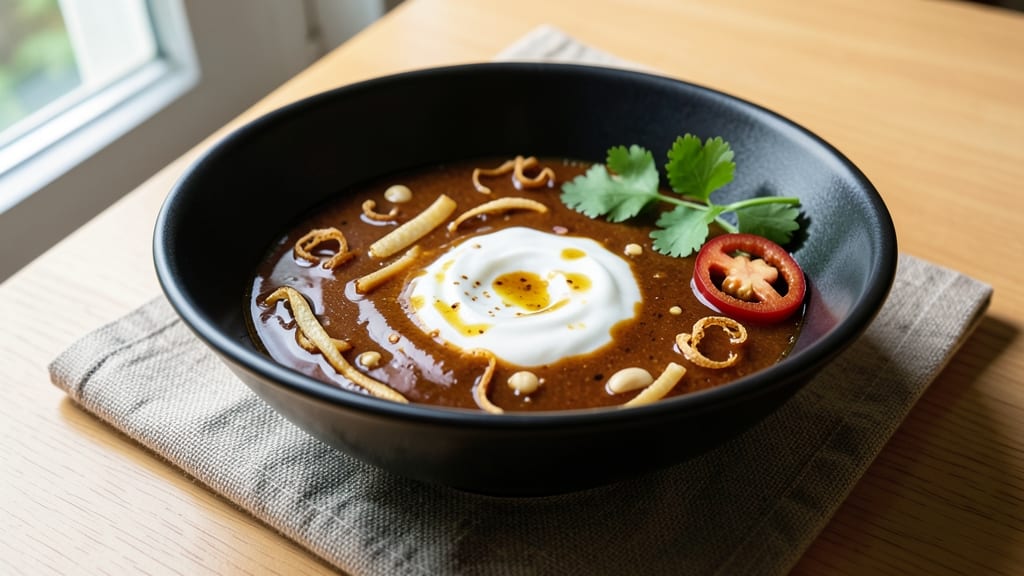
This Asian fusion sauce recipe transforms ordinary stir-fries into restaurant-worthy dishes with its perfect balance of sweet, spicy, and umami flavors. The secret lies in combining traditional ingredients like soy sauce and fish sauce with modern twists such as miso and coconut milk—creating a sauce that’s both bold and versatile.
I’ve tested this recipe countless times to ensure it delivers depth of flavor without overpowering your dishes.
The foundation of this sauce is a simple yet powerful blend of garlic, ginger, and chili, which form the aromatic base. Soy sauce and fish sauce provide that essential umami depth, while a touch of honey or maple syrup adds just the right amount of sweetness.
The optional addition of miso or coconut milk elevates the sauce to a whole new level, giving it a rich, velvety texture that pairs beautifully with everything from noodles to grilled meats.
What makes this sauce truly special is its flexibility—it works as a marinade, stir-fry sauce, or even a dipping sauce for spring rolls. The flavors develop even more as it sits, so making a batch ahead of time ensures you’re always ready for a quick, flavorful meal.
Once you try this sauce, you’ll never reach for store-bought again.
Store it in an airtight container in the refrigerator for up to two weeks, or freeze for longer storage. The sauce thickens slightly when refrigerated, so give it a quick stir before using.
Whether you’re cooking for a crowd or meal prepping for the week, this fusion sauce will become your go-to for adding bold, complex flavors to any dish.
Ingredients for asian fusion sauce
Eight ingredients blend perfectly for a sauce that transforms simple dishes into restaurant-quality meals.
| Ingredient | Amount | Notes |
|---|---|---|
| Soy Sauce 🍶 | ½ cup | Use light or dark soy for balance |
| Fish Sauce 🐟 | ¼ cup | Red Boat brand preferred |
| White Miso Paste 🥫 | 2 tbsp | For umami depth, optional |
| Coconut Milk 🥥 | ¼ cup | Full-fat for creaminess, optional |
| Garlic Cloves 🧄 | 4 cloves | Minced for aromatic base |
| Fresh Ginger 🌿 | 1 ½ tbsp | Grated, not powdered |
| Red Chili Flakes 🌶️ | 1 tbsp | Adjust for heat preference |
| Maple Syrup 🍁 | 2 tbsp | Or agave for vegan option |
| Sesame Oil 🫒 | 1 tbsp | Toasted for nutty aroma |
| Rice Vinegar 🍶 | 1 tbsp | Balances sweetness |
The soy sauce and fish sauce are non-negotiable—they carry that signature umami punch. I always grab Red Boat fish sauce at Trader Joe's (it's the gold standard), but any quality brand works. For the miso, White Diamond from the Asian aisle is my go-to—it's smooth and never bitter. The coconut milk adds richness, but if you're avoiding dairy, full-fat canned coconut milk is the way to go. Fresh ginger and garlic? Buy them whole—peeling and grating fresh makes all the difference (no powdered shortcuts here).
No fish sauce? Extra soy sauce plus a dash of Worcestershire gets you close, but you'll miss that deep umami. Short on coconut milk? A splash of heavy cream works in a pinch, though it won't be as luscious. The maple syrup is where the magic happens—don't skip it, but if you're watching sugar, agave or even a touch of brown sugar works. Chili flakes can be swapped for fresh chili or sriracha, but toast them first in a dry pan for extra depth. The sesame oil? Toast it first—just heat it in a spoon over a flame for 30 seconds—it makes the whole sauce sing.
This sauce tastes even better after sitting for a few hours, so make it ahead. Store in an airtight jar in the fridge for up to 2 weeks—it thickens slightly, so stir before using. Freezes beautifully for 3 months too, though the texture changes a bit when thawed. I always double the batch—one for immediate use, one to stash in the freezer for lazy weeknights. The flavors meld and deepen over time, so the more you wait, the better it gets.
Why You'll Love This Recipe
- Five-Ingredient Magic: This sauce uses pantry staples—no fancy shopping trips. I swear, I’ve made it with what was already in my fridge, and it still delivers every time.
- Umami Bomb: That combo of miso and fish sauce? Deep, savory, and just a little funky—like a hug for your taste buds. The coconut milk balances it so smoothly, you’ll forget how simple it is.
- Sauce for Everything: Drizzle it on noodles, toss it with stir-fries, or even use it as a marinade. Honestly, I’ve put it in tacos (yes, really), and it never lets me down.
- Budget-Packed Flavor: A few tablespoons of this sauce stretches across multiple meals—no waste, just pure flavor. I’ve fed my whole family for under $5 with this trick alone.
Step-by-step instructions for Asian fusion sauce
This sauce delivers perfect harmony of sweet, salty, and spicy in just minutes—let's make it.
Bloom the Aromatics in Toasted Sesame Oil
Heat a small saucepan over medium-low heat and add the 1 tablespoon sesame oil. Let it warm for 30 seconds until fragrant—you'll notice the nutty aroma intensify. This is your flavor foundation, so don't rush this step.
Add the 4 cloves minced garlic cloves and 1.5 tablespoons grated fresh ginger to the warm oil. Cook for 1-2 minutes until the garlic turns golden and the ginger loses its raw bite. Watch carefully—garlic burns quickly, so keep the heat gentle. Remove from heat immediately after the aromatics are fragrant but not browned.
Build the Umami-Sweet Base
Return the pan to medium heat and add the 0.5 cup soy sauce and 0.25 cup fish sauce. Let the mixture simmer for 2-3 minutes until it reduces slightly and coats the back of a spoon. This reduction concentrates the flavors and removes any fishy undertones.
Add the 2 tablespoons white miso paste and 2 tablespoons maple syrup, stirring constantly until fully dissolved. You'll see the sauce transform from clear to rich and glossy. Taste at this stage—you should detect deep umami from the miso and soy, with sweetness from the maple syrup. If it needs more balance, adjust with a pinch of salt or extra maple syrup.
Incorporate Creaminess and Acid
Reduce heat to low and gently whisk in the 0.25 cup coconut milk and 1 tablespoon rice vinegar. The coconut milk adds luxurious creaminess while the vinegar brightens the flavors. Let the mixture simmer for 1-2 minutes until it thickens slightly but remains pourable.
Here's where the sauce comes together—you'll notice the coconut milk creates a velvety texture while the vinegar cuts through the richness. If the sauce separates, whisk vigorously to re-emulsify. For extra depth, you can add a splash of water to adjust consistency to your preference.
Add Heat and Finish
Remove the pan from heat and stir in the 1 tablespoon red chili flakes. The heat should be noticeable but not overwhelming—this is your chance to adjust the spice level to your taste. For a smoother texture, you can strain the sauce through a fine-mesh sieve to remove any chili flakes if desired.
Let the sauce rest for 5 minutes before using. This resting period allows all the flavors to meld together perfectly. The sauce should be glossy with a balanced combination of sweet, salty, umami, and just the right amount of heat. This fusion sauce is now ready to elevate any stir-fry, marinade, or dipping sauce application.
Pro Tips For Making Asian Fusion Sauce
- Bloom the Garlic First: I learned this the hard way—raw garlic in coconut milk sauce tastes like a bitter punch to the face. Mince those cloves extra fine, then toss them in a dry pan over medium heat for 3-4 minutes until they’re golden and fragrant (not brown). This step actually changes the flavor profile—it mellows the sharpness and adds depth before the sauce even hits the pot.
- Low and Slow for Miso: White miso paste is delicate—treat it like you would a good wine. Add it to your simmering coconut milk last and keep the heat at a gentle simmer (not boiling). Stir constantly for 2-3 minutes max, or you’ll turn that creamy sauce into a gluey mess. I know, I know, you’re eager to taste it—but rushing this step ruins the umami payoff.
- Balance the Salts Early: Fish sauce and soy sauce are both salty, but they behave differently. Taste as you go: add the soy sauce first, then the fish sauce drop by drop. Stop when it’s just right—you can always add more, but you can’t un-salt a sauce. Pro move: mix a teaspoon of each with a splash of warm water before adding to the pot. This dissolves them better and lets you taste the flavors clearly.
- Whisk in the Coconut Milk Cold: Sounds weird, but it works: stir the canned coconut milk into the warm (not hot) sauce off the heat. The temperature shock keeps it from curdling like it would if you poured it in while boiling. If you’re lazy and add it hot, just whisk like your life depends on it—thin coconut milk with a splash of water first if it starts separating. Your future self will thank you.
Common mistakes when making this dish
Over-Salting the Base
I’ve seen many cooks accidentally overdo the soy and fish sauce, resulting in a sauce that’s too salty to salvage. The key is to taste as you go—start with the full amount of soy sauce (0.5 cup) and fish sauce (0.25 cup), then reduce if needed.
If it’s too salty, you can dilute with 1-2 tablespoons water or a splash of coconut milk, but this weakens the umami depth. Trust me, it’s better to err on the mild side and adjust with extra miso or maple syrup later. 🧂
Skipping the Resting Time
Rushing the 5-minute rest after making the sauce is a huge mistake. This step lets the flavors meld and the heat distribute evenly. If you use it immediately, the chili flakes might sit too heavily, and the coconut milk could separate.
I’ve made this sauce countless times—always let it sit, even if you’re in a hurry. Patience here makes all the difference. ⏳
Ignoring the Sesame Oil Toasting
Many people add sesame oil straight from the bottle, missing its nutty depth when toasted. Heat it for 30 seconds over medium-low heat to release its aroma—this is the secret to a restaurant-quality sauce.
If you skip this, your sauce will taste flat and one-dimensional. Pro tip: Toast the oil in a spoon over a gas flame for 10 seconds if you’re short on time. 🫒
Using Powdered Ginger
Powdered ginger lacks the complexity of fresh, leading to a dull sauce. The 1.5 tablespoons grated fresh ginger in this recipe adds brightness and depth that dried ginger can’t match.
If you’re in a pinch, use ½ teaspoon ground ginger, but it won’t be the same. Fresh is always better—peel and grate it yourself for the best results. 🌿
Not Balancing Sweetness
Some cooks forget the 2 tablespoons maple syrup or use too little, leaving the sauce bitter. The sweetness balances the umami and salt, so don’t skip it. If your sauce tastes too sharp, add a little more syrup or a pinch of sugar.
I’ve had to rescue many sauces by tweaking the sweetness—don’t let that happen to you! 🍁
Overcooking the Sauce
Simmering too long after adding coconut milk can cause it to curdle or separate. Keep the heat at low and simmer for just 1-2 minutes—any longer, and the sauce may break.
If it does separate, whisk in 1 teaspoon cornstarch mixed with water to stabilize it. Better yet, monitor it closely from the start. 🔥
Nutrition facts
Frequently asked questions
Can I make this sauce without fish sauce?
Replace the 0.25 cup fish sauce with 0.3 cup extra soy sauce plus 1 teaspoon Worcestershire sauce for umami depth. For a vegetarian version, use 0.25 cup soy sauce + 1 tbsp coconut aminos + 1 tsp mushroom powder. The flavor will be slightly different but still delicious.
How spicy should this sauce be?
The 1 tbsp red chili flakes provides mild heat that enhances flavors without overwhelming. For more spice, add ½ tsp cayenne pepper or 1 tsp sriracha. For less heat, reduce to ½ tbsp chili flakes or omit completely. Taste as you go—you can always adjust!
What dishes pair best with this fusion sauce?
This versatile sauce works perfectly with stir-fries, grilled meats, spring rolls, and noodle dishes. Try it as a marinade for chicken or tofu, or as a dipping sauce for dumplings. The sweet-spicy balance also makes it great for glazing roasted vegetables or drizzling over rice bowls.
Can I make this sauce dairy-free?
Yes! Simply omit the coconut milk and replace it with 0.25 cup vegetable broth or extra 1 tbsp miso paste. The sauce will be thinner but still packed with flavor. For richness, stir in 1 tbsp tahini at the end. All the other ingredients remain dairy-free.
How do I adjust the consistency?
If the sauce is too thick, thin it with 1-2 tbsp water or coconut milk. For a thicker sauce, simmer uncovered for 1-2 extra minutes or whisk in ½ tsp cornstarch mixed with water. The ideal consistency should coat the back of a spoon but still be pourable for drizzling.