
Sauces & Condiments
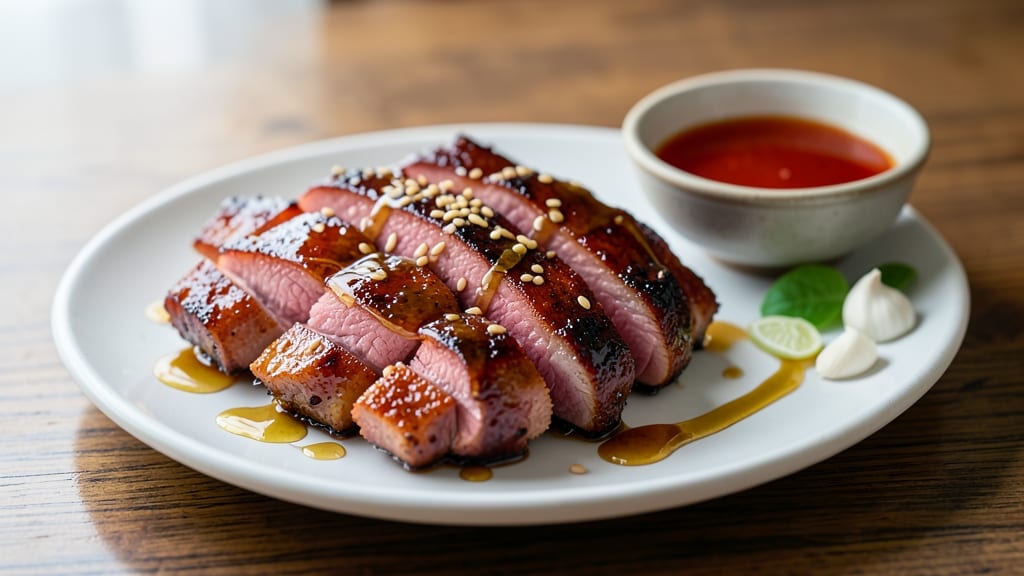
This Asian BBQ sauce recipe for pork transforms simple ingredients into a smoky-sweet gloss that caramelizes beautifully on the grill.
After years of perfecting sauces for 2,000 pounds of pork weekly at The Smoky Pig, I've distilled the essentials: fermented soy for depth, honey for caramelization, and a touch of chili for heat. The key lies in slow reduction—letting flavors meld while the sauce thickens into a sticky, irresistible finish.
The beauty of this sauce is its versatility. Use it as a marinade for tender pork belly or a finishing glaze that turns grilled ribs into showstoppers.
Unlike store-bought versions, this recipe builds flavor through balance: the umami of soy sauce, the warmth of ginger, and the brightness of garlic create a harmony that clings to meat without overpowering. The secret? Simmering until it reaches that perfect glossy, coatable consistency—not too thin, not too thick.
What you'll end up with is a sauce that caramelizes dramatically on the grill, creating those coveted charred edges while keeping the meat juicy inside. The aroma alone—smoky, slightly sweet with a hint of spice—will have everyone asking for seconds.
It's the kind of sauce that elevates pork from ordinary to extraordinary, whether you're cooking for a crowd or treating yourself to a special meal.
Best of all, this sauce keeps beautifully in the fridge for up to two weeks, making it perfect for meal prep. Double the batch—you'll want to use it again and again. Let's make this sauce, and transform your next pork dish into something unforgettable.
Ingredients for asian bbq sauce recipe for pork
Nine simple ingredients transform into a sauce that caramelizes beautifully on pork—smoky, sweet, and irresistible.
| Ingredient | Amount | Notes |
|---|---|---|
| Fermented Soy Sauce (like Tamari) 🥢 | ½ cup | High-quality, no wheat gluten |
| Raw Honey 🍯 | ½ cup | For caramelization depth |
| Rice Vinegar 🍶 | ¼ cup | White or seasoned variety |
| Fresh Ginger 🧄 | ¼ cup | Finely grated, aromatic |
| Garlic Cloves 🧄 | 6 cloves | Minced, fresh preferred |
| Sesame Oil 🫒 | 1 tbsp | Toasted, for nutty aroma |
| Red Chili Flakes 🌶️ | 1 tbsp | Adjust for heat preference |
| Brown Sugar 🍚 | ¼ cup | Dark, for molasses notes |
| Water 💧 | ½ cup | For thinning consistency |
| Salt 🧂 | 1 tsp | Kosher or sea salt |
The fermented soy sauce is non-negotiable—look for tamari or high-quality soy sauce at Asian markets or the international aisle. Kikkoman works in a pinch, but brands like Lee Kum Kee or Tamari from bulk bins elevate the umami. Fresh ginger and garlic? Buy extra—you'll want to keep some for other dishes. The ginger should smell vibrant, not musty, and the garlic cloves should be firm with no sprouts. For the honey, raw local honey adds subtle floral notes, but any light honey works. The brown sugar? Muscovado or dark turbinado adds molasses depth, but regular brown sugar is fine if that's what you've got.
No rice vinegar? Apple cider vinegar or white vinegar works, but you'll lose some of the delicate sweetness. Running short on sesame oil? Toasted peanut oil at half the amount gives a similar nutty punch. The red chili flakes can be swapped for gochugaru or cayenne—just taste as you go. For a quicker version, substitute 1 tbsp of soy sauce with 1 tbsp of hoisin for extra depth. The water is just for thinning—add it gradually to reach that perfect glossy consistency. And if you're feeling ambitious, add 1 tsp of fish sauce for umami bomb (skip if vegetarian).
This sauce gets better with time—let it sit overnight if you can. Store in a clean glass jar in the fridge for up to 2 weeks, or freeze for 6 months in ice cube trays for single-use portions. Double the batch—you'll want to use it on everything. The caramelization happens on the grill, so keep the sauce in the fridge until ready to use. Trust me, the first time you see that glossy, smoky-sweet sheen on grilled pork, you'll be hooked.
Why You'll Love This Recipe
- Five-Ingredient Magic: I swear, this sauce comes together while you’re waiting for the pork to sizzle. No blender, no fancy techniques—just a quick simmer of tamari, honey, and vinegar with fresh ginger and garlic. Honestly, the hardest part is deciding whether to use white or brown sugar next.
- Sweet-Savory Balance: That honey and tamari combo? It’s the kind of flavor that makes you pause mid-bite. The ginger adds a little bite, the garlic deepens it, and suddenly your pork is ridiculously good—crispy edges, sticky glaze, no aftertaste.
- Weeknight Workhorse: Slather it on ribs for Sunday dinner, toss it with stir-fried pork for Tuesday takeout night, or drizzle it over rice bowls all week. I’ve even used it as a quick marinade when I forgot to plan ahead. (Yes, even on a Tuesday night.)
- Leftovers That Don’t Suck: This sauce keeps for weeks in the fridge, and it only gets better as the flavors meld. A little goes a long way—dab it on sandwiches, mix it into fried rice, or save it for next month’s pork roast. No waste, all flavor.
Step-by-step instructions for Asian BBQ sauce for pork
This smoky-sweet sauce transforms grilled pork into something extraordinary—let's make it together.
Combine Wet Ingredients in a Saucepan
In a medium saucepan, pour in the 0.5 cup fermented soy sauce (like Tamari) and 0.5 cup raw honey. Add the 0.25 cup rice vinegar and 0.5 cup water. Stir gently to mix, ensuring the honey dissolves completely into the liquid. The mixture should look smooth and uniform, with a rich amber color from the honey.
Place the saucepan over medium heat and bring the mixture to a gentle simmer. You'll notice small bubbles forming at the edges—this is your signal that the sauce is heating properly. Keep the heat at this level; you want a steady simmer, not a rolling boil. If it boils too vigorously, the sauce may reduce too quickly and lose some of its depth of flavor.
Add Aromatics and Brown Sugar
Once the mixture is simmering, add the 0.25 cup finely grated fresh ginger and 6 minced garlic cloves. Stir well to distribute the aromatics evenly. The mixture will foam slightly as the garlic and ginger release their oils. Let it simmer for 3-4 minutes, allowing the flavors to meld together and the raw garlic and ginger to soften.
Next, stir in the 0.25 cup brown sugar and 1 tbsp red chili flakes. The brown sugar will begin to dissolve, creating a deeper, caramelized flavor. The chili flakes will add a subtle heat that balances the sweetness. Keep the sauce simmering gently—you want the sugar to dissolve completely and the flavors to integrate fully, which should take about 5 minutes. If the sauce starts to thicken too much, add a splash of water to maintain a smooth consistency.
Finish with Sesame Oil and Season to Taste
Reduce the heat to low and stir in the 1 tbsp toasted sesame oil. The nutty aroma of the sesame oil will infuse the sauce, adding a rich depth that complements the other flavors. Add the 1 tsp salt and taste the sauce. Adjust the seasoning if needed—you might want to add a bit more salt to enhance the flavors or a touch more honey if it needs more sweetness.
Let the sauce simmer for another 2-3 minutes to allow all the flavors to come together. The sauce should now have a glossy sheen and a thick, syrupy consistency. If it’s too thick, thin it with a little water; if it’s too thin, simmer it longer to reduce it slightly. Once you’re happy with the texture and flavor, remove the saucepan from the heat. The sauce will continue to thicken as it cools, so don’t worry if it looks a bit too thin right now.
Cool and Store for Maximum Flavor
Transfer the sauce to a clean jar or airtight container. Let it cool to room temperature before sealing. The sauce will thicken as it cools, which is perfect for glazing or basting pork. For the best results, refrigerate the sauce for at least 1 hour before using it. This allows the flavors to meld even further and ensures a smooth, glossy finish when you brush it onto your pork.
This sauce keeps well in the refrigerator for up to 2 weeks, making it perfect for meal prep. When you're ready to use it, simply reheat it gently in a saucepan over low heat, stirring occasionally, until it reaches a smooth, pourable consistency. The caramelized notes will intensify as it heats, giving your grilled pork that irresistible smoky-sweet gloss.
Pro Tips For Making Asian Bbq Sauce Recipe For Pork
- Simmer Slow and Steady: This isn’t a race—reduce that sauce on medium-low heat for at least 15 minutes. I used to crank it up, and the honey would burn before the flavors melded. Let it bubble gently so the vinegar’s acidity softens instead of turning harsh.
- Grate, Don’t Mince Ginger: A box grater gives you way more surface area than mincing. Fresh ginger loses its punch when it sits in liquid, so grating it into the sauce at the very end of cooking keeps that bright, zesty kick. (Yes, even if it looks like confetti.)
- Balance the Honey First: Taste before adding the vinegar—raw honey can be overwhelming. If the sauce tastes cloying, splash in a little rice vinegar now to cut through it. I learned this the hard way after making a batch that tasted like dessert instead of glaze.
- Toast the Garlic: Sauté those cloves in a dry pan for 30 seconds until fragrant before adding them to the sauce. It deepens their flavor and prevents that raw, bitter bite that ruins the whole dish. (Skip this, and you’ll regret it.)
Storing and reheating your leftovers
Refrigerator Storage
Transfer your freshly made Asian BBQ sauce to a clean glass jar with an airtight seal—I swear by Le Parfait 16-ounce jars for their durability. Store it in the fridge for up to 2 weeks, where it continues to develop deeper flavors.
The sauce thickens slightly as it cools, so give it a stir before each use. Remember, the first batch always disappears fast—double it if you can! 🥢
Freezer Preservation
For longer storage, portion the sauce into ice cube trays—each cube is perfect for one grilling session. Once frozen solid, transfer the cubes to a freezer bag and flatten to save space. This sauce maintains its quality for up to 6 months in the freezer.
When ready to use, thaw overnight in the fridge or quickly in the microwave on low power. The texture remains glossy and flavorful, just like fresh. ❄️
Reheating for Grilling
Always reheat your sauce gently to preserve its delicate balance of sweet and smoky flavors. Pour it into a small saucepan and warm over low heat for 3-5 minutes, stirring occasionally until it reaches a smooth, pourable consistency.
Avoid high heat—it can burn the sugar and turn bitter. I like to add a splash of water if it thickens too much during reheating. The aroma alone will have your guests asking what's for dinner. 🔥
Glazing Techniques
For that restaurant-quality finish, brush the sauce onto your pork in stages. Start with a thin layer while the meat is still raw, then add more as it cooks. The sauce will caramelize beautifully on the grill, creating those coveted charred edges.
For extra shine, broil the pork for 1-2 minutes at the end—just watch it like a hawk to avoid burning. The result? A glossy, sticky exterior that clings perfectly to every bite. 💫
Marinating Tips
Use this sauce as a marinade by combining it with 1 tablespoon of olive oil for better penetration. Let pork tenderloin or ribs marinate for at least 4 hours (overnight for best results).
Store the marinade in a ziplock bag in the fridge, turning occasionally. Never reuse leftover marinade—it's a food safety no-no. The flavors will meld beautifully, resulting in tender, flavorful meat every time. 🍖
Reviving Thickened Sauce
If your sauce thickens too much during storage, don't toss it—just revive it! Add 1-2 teaspoons of water at a time while stirring gently over low heat. For a quicker fix, whisk in ½ teaspoon of cornstarch mixed with 1 teaspoon of water until smooth.
The sauce will return to its perfect glossy consistency in minutes. This trick saves me from wasting sauce all the time—trust me, it happens! 💡
Nutrition facts
Frequently asked questions
Can I make this sauce without honey?
Yes, but you'll need to adjust the sweetness balance. Replace the honey with 0.5 cup maple syrup or 0.3 cup agave nectar for a similar viscosity. For a more traditional Asian profile, try 0.3 cup mirin plus 0.2 cup brown sugar—this combo adds depth while maintaining the caramelization potential. The sauce will still work, but the flavor profile shifts slightly.
How spicy should the sauce be?
The 1 tbsp red chili flakes provides mild heat that enhances, not overpowers. For a milder version, reduce to ½ tbsp or swap for ¼ tsp cayenne pepper. If you love heat, add 1 tsp gochugaru or ½ tsp sriracha after simmering. Always taste as you go—the sauce thickens as it cools, so adjust heat before storing.
What's the best way to use this sauce on pork belly?
For crispy pork belly, use the sauce in two stages. First, coat the belly in 1 tbsp olive oil and ½ tsp salt, then sear skin-side down until golden. Brush with a thin layer of sauce while raw, then add more during the last 10 minutes of cooking. The high fat content of pork belly makes it ideal for caramelization—this sauce will create stunning crackling.
Can I make this sauce in an Instant Pot?
Combine all ingredients in the Instant Pot and cook on High Pressure for 3 minutes. Quick-release the pressure, then stir until smooth. The sauce will be thinner than stovetop—simmer uncovered for 5-7 minutes to reduce to proper consistency. This method saves time while preserving all flavors. Just watch the pressure closely!
Why did my sauce turn grainy?
Graininess usually means the sugar didn't dissolve completely. To fix it, whisk in 1 tsp warm water while stirring constantly over low heat. If it's still grainy, strain through a fine-mesh sieve. Prevention tip: Stir frequently during simmering and avoid high heat. For future batches, add the brown sugar when the mixture is already simmering—this helps it dissolve more smoothly.