
Sauces & Condiments
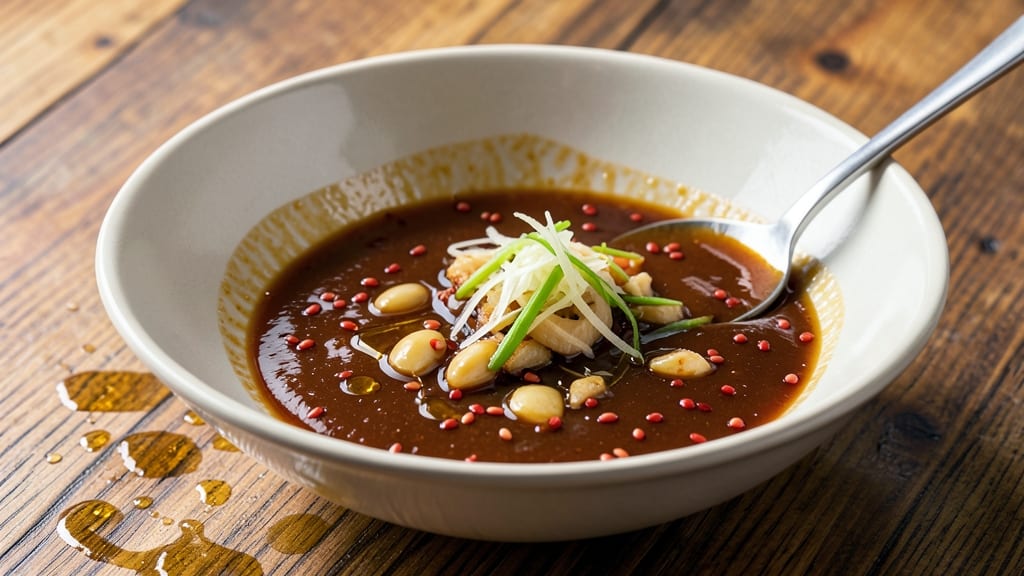
This Asian style BBQ sauce recipe transforms grilled meats into finger-licking masterpieces with its perfect balance of sweet, spicy, and umami. The secret lies in simmering soy sauce, honey, vinegar, and aromatic spices until thick and glossy—creating a sauce that caramelizes beautifully on the grill.
I developed this recipe after years of experimenting with Asian-inspired marinades, and it’s now my go-to for everything from ribs to tofu skewers.
The foundation of this sauce is a simple yet powerful combination of ingredients that work together to create depth of flavor. Soy sauce provides that essential umami kick, while honey adds natural sweetness that caramelizes beautifully when exposed to heat.
A touch of vinegar brightens the sauce, cutting through the richness, and spices like ginger and garlic infuse it with warmth. The sauce thickens as it simmers, resulting in a glossy, clingy finish that’s perfect for basting or glazing.
What makes this sauce truly versatile is its ability to elevate any protein or vegetable you grill. Use it as a marinade for tender, flavorful meats, a glaze for crispy roasted vegetables, or a dipping sauce for fresh spring rolls.
The balance of flavors ensures it works equally well in both savory and slightly sweet applications, making it a must-have in your culinary arsenal.
Once made, this sauce keeps beautifully in the refrigerator for up to two weeks, or you can extend its shelf life by canning it for long-term storage. The rich, aromatic flavors only deepen over time, making it a perfect sauce to prepare in bulk.
Whether you're hosting a backyard barbecue or simply craving a taste of Asia-inspired comfort food, this sauce delivers restaurant-quality results every time.
Ingredients for asian style bbq sauce
Sweet, spicy, and umami-packed—just nine ingredients transform into restaurant-quality Asian BBQ sauce.
| Ingredient | Amount | Notes |
|---|---|---|
| Soy Sauce 🍶 | ½ cup | Light or dark variety preferred |
| Honey 🍯 | ½ cup | Wildflower for floral notes |
| Rice Vinegar 🍶 | ¼ cup | White vinegar substitute |
| Fresh Ginger 🌿 | 2 tbsp | Finely grated, aromatic |
| Garlic Cloves 🧄 | 4 cloves | Minced for deep flavor |
| Sesame Oil 🫒 | 1 tbsp | Toasted for nutty aroma |
| Red Chili Flakes 🌶️ | 1 tbsp | Adjust for heat preference |
| Brown Sugar 🍚 | ¼ cup | Dark molasses for depth |
| Cornstarch 🌾 | 1 tbsp | For thickening consistency |
| Water 💧 | ¼ cup | For thinning if needed |
The soy sauce is the flavor anchor here. Kikkoman or Lee Kum Kee are my go-tos—they’ve got that perfect balance of salt and umami. If you’re using dark soy sauce, start with half the amount since it’s thicker and stronger. The honey? Wildflower adds floral notes that caramelize beautifully, but regular honey works too. Fresh ginger and garlic are non-negotiable for that authentic warmth—peel and grate the ginger yourself (the jarred stuff lacks punch). For sesame oil, look for toasted varieties at Asian markets—they’ve got that nutty aroma that makes the sauce sing.
No honey? Maple syrup or agave works in a pinch, but it’ll taste slightly different. Running low on rice vinegar? Apple cider vinegar or white vinegar both work, though rice vinegar’s mild acidity is ideal. Chili flakes too spicy? Swap for mild paprika or reduce by half. The brown sugar can be swapped for white, but it’ll lack depth. For a smoother sauce, blend everything after simmering—immersion blender is perfect for this. No cornstarch? Arrowroot powder works too, just use the same amount. And if your sauce gets too thick? Water or a splash of vinegar thins it right up.
This sauce is a flavor bomb that only gets better with time. Store it in a glass jar in the fridge for up to 2 weeks—the flavors meld beautifully. For longer storage, canning is your friend: process for 15 minutes in a water bath. I like to make a big batch and freeze portions in ice cube trays—perfect for quick glazes. The sauce reheats beautifully, so double the batch if you’re hosting. Trust me, you’ll want leftovers.
Why You'll Love This Recipe
- Pantry Magic: I swear by this sauce because it uses what I already have—no special trips to the store. The soy and honey balance perfectly, and that little hit of rice vinegar keeps it bright without overpowering.
- Ginger-Garlic Bomb: Between us, the fresh ginger and garlic cloves are the secret weapons here. They caramelize just enough when simmered to give this sauce a depth that store-bought versions can’t touch—warm, zesty, and impossible to resist.
- Weeknight Wonder: This sauce works on everything from grilled chicken to stir-fried veggies, and it’s my go-to for quick weeknight dinners. Honestly, I’ve even drizzled it over rice bowls when I’m too tired to cook anything else.
- No-Waste Goldmine: A small batch lasts me forever—glaze for ribs, marinade for tofu, or even a dip for spring rolls. I’ll be real: I’ve had this sauce sitting in my fridge for weeks, and it just keeps getting better as the flavors meld. Budget-friendly? Absolutely.
Step-by-step instructions for Asian style BBQ sauce
This sauce delivers that perfect balance of sweet, spicy, and umami—ideal for grilled meats or marinades.
Bloom the Ginger and Garlic in Sesame Oil
Heat a small saucepan over medium-low heat and add the 1 tablespoon sesame oil. Let it warm for 30 seconds until fragrant—you'll smell that nutty aroma develop. Add the 4 minced garlic cloves and 2 tablespoons fresh ginger, stirring constantly for 1-2 minutes until the garlic turns golden and the ginger becomes aromatic.
Here's the thing—don't let it burn. The garlic should sizzle gently, not brown too quickly. If it starts to darken, reduce heat immediately. This step builds the sauce's aromatic foundation, so take your time. Once fragrant, remove the pan from heat and set aside—you'll return to it later.
Combine Wet Ingredients for the Base
In a separate bowl, whisk together the 0.5 cup soy sauce, 0.5 cup honey, 0.25 cup rice vinegar, and 0.25 cup brown sugar until fully dissolved. The mixture will be thick and syrupy—this is normal. Give it a taste at this stage: you should notice the balance of sweetness from the honey and brown sugar, with a touch of tang from the rice vinegar.
Now stir in the 1 tablespoon red chili flakes and the ginger-garlic mixture you set aside earlier. The sauce should darken slightly and develop a rich, complex color. This is where all the flavors come together—don't skip tasting again to check the balance. If it's too sweet, add a splash of rice vinegar. If it needs more depth, a touch of soy sauce works wonders.
Thicken the Sauce to Glossy Perfection
Return the sauce to the same saucepan over medium heat. Add the 1 tablespoon cornstarch and stir vigorously for 1 minute until it begins to thicken. Then pour in the 0.25 cup water all at once, stirring constantly to prevent lumps from forming. The sauce should bubble gently as it thickens—this usually takes about 3-5 minutes.
You're aiming for a glossy, syrupy consistency that coats the back of a spoon. If it thickens too quickly, add a splash more water to reach your desired texture. The sauce should be thick enough to cling beautifully to grilled meats but still flow smoothly. Real talk: this is the moment that matters—don't walk away. Stir consistently to avoid scorching.
Simmer and Adjust for Balance
Once the sauce reaches your desired thickness, reduce heat to low and let it simmer for 5-7 minutes. This final simmer allows the flavors to meld completely and deepens the sauce's complexity. Taste again and adjust the seasoning: if it needs more heat, add a pinch of red chili flakes; if it needs more umami, a splash of soy sauce helps; if it's too sharp, a touch of honey balances it.
The sauce should have a perfect harmony of sweet, spicy, and savory notes. Let it cool to room temperature before using—this allows the flavors to settle and intensify. Store any leftovers in an airtight container in the refrigerator for up to 2 weeks, or freeze for longer storage. This sauce transforms ordinary grilled meats into extraordinary masterpieces—trust me, you'll want to make a double batch.
Pro Tips For Making Asian Style Bbq Sauce
- Simmer Slow and Steady: I used to rush this sauce, thinking more heat meant better flavor—wrong. Simmer it at a gentle bubble for at least 10 minutes (15 if you can wait) to let the honey’s sweetness mellow and the ginger’s sharpness soften. Skimp on time, and you’ll end up with a cloying, underdeveloped glaze that tastes like syrup with soy sauce added as an afterthought.
- Grind Ginger Like You Mean It: Fresh ginger is non-negotiable here, but how you prep it matters. Use the thickest part of the root (the knobby bit near the stem) and pulse it in a food processor until it’s a fine paste—not just chopped. I learned this the hard way after my sauce had visible ginger specks that fought for every bite. (Yes, even if you’re impatient like me.)
- Balance the Honey Now: Add the honey gradually while tasting as you go. Dump it all in at once, and you’ll either end up with a dessert sauce or something so salty it’ll make you wince. Start with half the amount called for, simmer, then adjust. The goal is a glossy, sticky sauce that’s sweet but not sickly—think of it as a savory-sweet hug, not a candy coating.
- Toast the Garlic First: Smash those garlic cloves with the flat side of your knife, then dry-toast them in a hot pan for 30 seconds before adding them to the sauce. This step deepens their flavor from mild to oh my god, why didn’t I do this sooner? The aroma alone makes the sauce taste more complex, and it prevents that raw, bitter aftertaste that ruins everything. (Pro move: Use a nonstick pan so you don’t burn it.)
Make-ahead tips for this recipe
Batch Prep Strategy
Double the recipe and store in quart-sized glass jars—this sauce only gets better as flavors meld over 3-5 days. I freeze extras in ice cube trays for single-use portions perfect for quick glazes or marinades.
Label jars with dates since homemade sauces last 2 weeks refrigerated or 3 months frozen. 💫
Garnish Additions
Add fresh sesame seeds or thinly sliced green onions right before serving to keep textures vibrant. For extra depth, stir in 1 tsp toasted sesame oil after reheating—it enhances the nutty aroma without overpowering.
I like to sprinkle crushed peanuts on top for crunch when using as a dipping sauce. 🌿
Reheating Techniques
For stovetop reheating, warm over low heat with 1 tbsp water to prevent scorching. Microwave in 30-second bursts, stirring between each, until 165°F internal temperature.
Never reheat to a boil—this can break down the sauce's glossy texture. A splash of rice vinegar revives dried-out sauce if stored too long. ⏰
Versatile Uses
Use as a marinade (30-minute soak) for chicken or tofu skewers, or brush on grilled vegetables like bell peppers and eggplant. Thin with water or broth for a quick stir-fry sauce.
The sauce also works as a dipping sauce for spring rolls or dumplings—just add a pinch of salt to enhance flavor. 🍢
Long-Term Storage
For canning, process jars in a water bath for 15 minutes (pH tested safe). Store in a cool, dark pantry for up to 6 months. If canning isn't an option, vacuum-seal portions for freezer storage. I always keep a backup batch—this sauce disappears fast! 📅
Flavor Boosts
Add 1 tsp fish sauce for extra umami depth, or 1 tbsp lime juice for brightness. For smoky notes, stir in ½ tsp smoked paprika. These tweaks work best after the sauce has cooled—always taste before adjusting. The sauce's balance is delicate, so modify gradually. 🔥
Nutrition facts
Frequently asked questions
Can I substitute honey with another sweetener?
Yes! For a 1:1 substitution, use maple syrup or agave nectar, though the flavor will be slightly different. If you prefer brown sugar, replace the honey with an extra 0.25 cup of brown sugar and reduce water by 1 tbsp to maintain balance. For a lower-calorie option, erythritol or monk fruit sweetener works, but taste as you go—these can be less sweet than honey.
How spicy should the sauce be?
The recipe includes 1 tbsp red chili flakes for a mild to medium heat level. For milder sauce, reduce to ½ tbsp or swap for mild paprika. Want it spicier? Add ½ tsp cayenne pepper or 1 tsp gochujang (Korean chili paste) for depth. Always taste before adjusting—this sauce is meant to be balanced, not overwhelming.
Can I make this sauce without cornstarch?
For a gluten-free thickener, use 1 tbsp arrowroot powder or 1 tbsp tapioca starch instead. If you prefer no thickener, simmer the sauce longer (up to 10-15 minutes) to reduce it naturally. Just stir frequently to prevent scorching. The sauce will be slightly thinner but still cling well to grilled foods.
What’s the best way to use this sauce on the grill?
For meats, brush on in the last 5-7 minutes of grilling to avoid burning. For vegetables, toss them in the sauce before grilling or baste halfway through. To marinate, coat proteins for 30 minutes to 2 hours (refrigerated). Pro tip: Save 2 tbsp sauce to mix with 1 tbsp water for a quick glaze—it caramelizes beautifully on high heat!
Why did my sauce turn out too thick/thin?
If too thick, thin with 1 tbsp water or vinegar while reheating. If too thin, simmer uncovered for 5-10 more minutes or stir in ½ tsp cornstarch mixed with 1 tsp water. For prevention, always taste and adjust consistency during the thickening step. The ideal texture should coat the back of a spoon but still flow smoothly.