
Sauces & Condiments
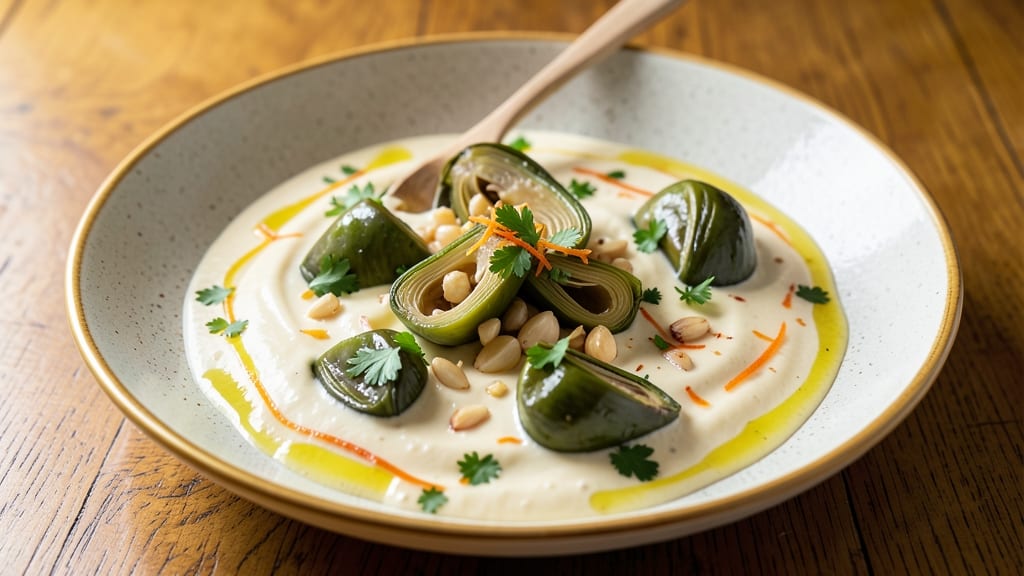
This artichoke cream sauce recipe transforms humble artichoke hearts into a velvety, restaurant-quality sauce that elevates any dish.
The secret lies in blending tender artichokes with rich cream and bright herbs, creating a balance of earthy depth and fresh zing that pairs perfectly with grilled meats, pasta, or crusty bread.
What sets this sauce apart is its silky texture—achieved through proper blending and simmering—that clings beautifully to every bite.
Unlike store-bought versions, this sauce starts with fresh ingredients: artichoke hearts simmered until tender, garlic for warmth, and a touch of lemon to brighten the richness. Heavy cream (or a dairy-free alternative) creates that signature velvety consistency, while fresh parsley and basil add a vibrant herbal finish.
The best part? It comes together in just 20 minutes, making it ideal for weeknight dinners or last-minute entertaining.
Once you taste this sauce, you’ll want to drizzle it over everything—grilled chicken, roasted vegetables, or even as a dip for bread. The flavor develops even more after resting, so it’s perfect for meal prep.
Store leftovers in the fridge for up to 5 days or freeze for 3 months, ensuring you always have a gourmet sauce on hand. This isn’t just a sauce; it’s a flavor upgrade for any meal.
The versatility of this recipe makes it a kitchen staple. Use it as a pasta sauce, a creamy dip, or a glaze for meats. The herbs can be adjusted to suit your taste—try adding thyme for a Mediterranean twist or chives for a lighter touch.
Whether you’re cooking for one or hosting a dinner party, this artichoke cream sauce delivers restaurant-quality results with minimal effort.
Ingredients for artichoke cream sauce
Fresh artichokes, velvety cream, and bright herbs create this restaurant-worthy sauce in minutes.
| Ingredient | Amount | Notes |
|---|---|---|
| Artichoke Hearts 🍃 | 14 oz | Marinated, drained and chopped |
| Heavy Cream 🥛 | 1 cup | Full-fat for best texture |
| Extra-Virgin Olive Oil 🫒 | ¼ cup | For richness and blending |
| Fresh Garlic Cloves 🧄 | 3 cloves | Minced for aromatic depth |
| Lemon Juice 🍋 | 1 tbsp | Freshly squeezed for brightness |
| Fresh Parsley Leaves 🌿 | ¼ cup | Chopped for fresh herbal finish |
| Fresh Basil Leaves 🌿 | 0.15 cup | Chopped for vibrant zing |
| Diamond Crystal Kosher Salt 🧂 | ½ tsp | For seasoning balance |
| Freshly Ground Black Pepper 🌶️ | ¼ tsp | For subtle heat |
| Vegetable Broth 💧 | ½ cup | Low-sodium for depth |
The artichoke hearts are the foundation—look for marinated hearts in the olive oil aisle at Whole Foods or Trader Joe's for the best flavor. Draining them thoroughly prevents wateriness in your sauce, so pat them dry with a paper towel. Fresh garlic and lemon juice are non-negotiable here; garlic powder won't give the same depth, and bottled lemon juice lacks brightness. For the herbs, farmers market basil and parsley have the most vibrant flavor, but grocery store varieties work in a pinch. The heavy cream should be full-fat—half-and-half or light cream won't create that signature velvety texture.
No heavy cream? Full-fat coconut milk works beautifully for a dairy-free version, though the texture will be slightly lighter. Short on parsley? Substitute with cilantro or chives—just reduce to half the amount. The vegetable broth can be swapped for white wine or chicken stock, but keep the sodium in check. For extra richness, add 1 tbsp of vegan butter at the end. The sauce thickens as it cools, so if it's too thin after blending, simmer it for 2-3 minutes to reduce. If you prefer a sharper taste, add an extra 0.5 tbsp of lemon juice—but don't overdo it, or the sauce will turn bitter.
This sauce keeps beautifully in the fridge for 5 days, though the flavor actually improves after resting for a few hours. For longer storage, freeze in ice cube trays—perfect for adding to dishes later. To reheat, warm gently on the stove over low heat, stirring constantly to prevent curdling. The sauce pairs perfectly with grilled chicken, roasted vegetables, or as a dip for crusty bread. Double the batch—it disappears faster than you'd think, and leftovers make quick weeknight meals even more special.
Why You'll Love This Recipe
- No Chopping Needed: I swear by this—just drain the artichokes, slice them, and toss them in. No peeling, no dicing, no mess. That lemon juice brightens everything in seconds while you wait for the cream to simmer.
- Rich but Light: The heavy cream makes it velvety, but the olive oil and garlic keep it from feeling heavy. Honestly, the balance of tangy lemon and buttery richness is my new favorite sauce for anything.
- Weeknight to Dinner Party: Same simple steps whether I’m slathering it over grilled chicken for Tuesday or drizzling it on seared scallops for guests. The artichokes hold their shape, so it looks fancy even when it’s effortless.
- Leftovers That Shine: This sauce actually tastes better the next day—thicker, deeper, and perfect for tossing with pasta or spooning over roasted veggies. I make double batches just to have it on hand.
Step-by-step instructions for artichoke cream sauce
This velvety sauce comes together effortlessly with rich, herby layers.
Sauté Garlic in Olive Oil
Heat the 0.25 cup Extra-Virgin Olive Oil in a medium saucepan over medium heat until shimmering but not smoking. Add the 3 cloves Fresh Garlic Cloves that you've minced finely—this small amount packs maximum flavor without overpowering. Cook for 30-45 seconds until the garlic becomes fragrant and just begins to turn golden around the edges.
Watch the garlic closely—it burns quickly. You'll know it's ready when the kitchen fills with that irresistible aroma. This quick cooking preserves the garlic's sweetness rather than letting it turn bitter. Remove the pan from heat immediately after the garlic reaches this point.
Add Artichokes and Broth
Return the pan to medium heat and add the 14 oz Artichoke Hearts (drained and chopped) along with the 0.5 cup Vegetable Broth. Stir gently to combine, then bring the mixture to a gentle simmer. Let it cook for 4-5 minutes until the artichokes are heated through and the liquid begins to reduce slightly.
You'll notice the artichokes release their bright, slightly tangy flavor into the broth. This is where the sauce begins to develop its complex character. Taste the mixture now—it should be bright and slightly acidic from the artichokes. If you want to adjust the flavor early, this is the moment to add a pinch more salt.
Incorporate Cream and Acid
Reduce the heat to low and slowly pour in the 1 cup Heavy Cream while whisking continuously. The cream will begin to thicken almost immediately as it heats. Add the 1 tbsp Lemon Juice next, stirring well to distribute it evenly throughout the sauce.
The lemon juice brightens the rich cream and balances the earthy artichokes. You'll see the sauce begin to thicken noticeably as it simmers gently. Keep whisking occasionally to prevent any scorching at the bottom of the pan. This step is where the sauce transforms from simple to luxurious.
Season and Finish with Herbs
Season the sauce with the 0.5 tsp Diamond Crystal Kosher Salt and 0.25 tsp Freshly Ground Black Pepper, stirring well to combine. Add the 0.25 cup Fresh Parsley Leaves and 0.15 cup Fresh Basil Leaves (both chopped) and simmer for another 2-3 minutes until the herbs are just wilted and the sauce reaches your desired consistency.
Taste again and make any final adjustments—perhaps a touch more salt or a splash of lemon if it needs more brightness. The sauce should be velvety but still have a slight sheen, indicating it's ready. For a smoother texture, you can strain the sauce through a fine-mesh sieve, though I prefer to leave the herbs for that fresh, vibrant finish.
Serve Warm Over Your Favorite Dishes
Remove the sauce from heat and let it rest for 2-3 minutes to allow the flavors to meld completely. This resting period ensures the sauce reaches its full potential before serving. The artichoke cream sauce pairs beautifully with grilled chicken, shrimp scampi, or even as a pasta topping.
For an extra touch, garnish with additional chopped herbs or a drizzle of the Extra-Virgin Olive Oil before serving. The sauce will maintain its creamy texture for about 1 hour at room temperature, making it perfect for meal prep or serving directly from the stove.
Pro Tips For Making Artichoke Cream Sauce
- Sauté Garlic Low and Slow: I learned this the hard way—crisping garlic in olive oil too fast turns it bitter. For this sauce, keep the heat at a gentle simmer (just until you see tiny bubbles) and stir constantly. You want golden flecks, not burnt bits, or your whole dish will taste like regret.
- Chop Hearts into Uniform Bites: Artichoke hearts vary in size, and inconsistent pieces mean uneven cooking. Cut them into ½-inch cubes—this ensures they soften at the same rate when simmering in the cream. (Yes, it’s tedious, but your sauce won’t be gloppy or undercooked.)
- Temper the Cream Gradually: Pouring cold heavy cream into a hot pan is a one-way ticket to scrambled sauce. Warm the cream separately over low heat until it’s steaming, then whisk it into the artichoke mixture in stages. This keeps the sauce silky, not grainy or broken.
- Finish with Lemon Zest: A squeeze of lemon juice brightens the dish, but the zest adds depth without overpowering. Use the peel of ½ lemon—rub it directly into the sauce while it’s warm, then strain it out. (Your future self will notice the difference, even if you don’t believe it now.)
Best sauces and condiments for this recipe
Creamy Pasta Pairing
This artichoke cream sauce transforms fettuccine alfredo into a Mediterranean masterpiece. Toss 8 oz cooked fettuccine with 1.5 cups of the warm sauce, reserving ¼ cup for drizzling.
Finish with 2 tbsp grated Parmesan and 1 tbsp toasted pine nuts for crunch. The artichoke’s earthiness cuts through the richness, while the herbs add freshness. 🌟
Grilled Chicken Glaze
Brush 4 boneless chicken breasts with 2 tbsp olive oil and season with salt and pepper. Grill over medium-high heat for 6-7 minutes per side until golden. Drizzle with ½ cup of the warm artichoke cream sauce in the last 2 minutes of cooking.
The sauce caramelizes slightly, creating a sticky, flavorful crust. Serve with roasted asparagus for a complete meal.
Vegetable Dip Perfection
Use the sauce as a dip for crudités—thin it slightly with 2 tbsp warm water if needed. Serve with carrot sticks, celery, and sliced bell peppers.
For extra flair, top with crumbled feta cheese and a sprinkle of toasted sesame seeds. The creamy texture contrasts beautifully with crisp vegetables, making it a crowd-pleasing appetizer. ✨
Meat Lover's Upgrade
Drizzle the sauce over seared scallops or pan-seared shrimp for a restaurant-worthy finish. The artichoke’s brightness balances the richness of the seafood, while the herbs add a fresh herbal note.
For scallops, sear in 1 tbsp butter for 2 minutes per side, then spoon ¼ cup of the sauce over each. Garnish with lemon zest for a citrusy kick.
Bread Dip Extraordinaire
Warm 1 baguette at 350°F for 8-10 minutes until crisp. Slice and serve with the artichoke cream sauce for dipping. The crusty bread soaks up the sauce beautifully, creating a satisfying contrast.
For a gourmet touch, add 1 tbsp capers to the sauce before serving—this Mediterranean twist adds a briny depth that pairs perfectly with the bread. 🥖
Storage and Reheating
Store leftovers in an airtight container in the fridge for up to 5 days. For freezing, portion into ice cube trays, cover with plastic wrap, and transfer to a freezer bag for up to 3 months.
To reheat, warm gently on the stove over low heat, stirring constantly to prevent curdling. If the sauce thickens too much, add 1 tbsp water or broth to restore its velvety consistency.
Nutrition facts
Frequently asked questions
Can I use canned artichoke hearts instead of marinated ones?
Yes, but you'll need to adjust the recipe slightly. Drain and rinse 14 oz canned artichoke hearts thoroughly to remove excess sodium, then chop them. For extra flavor, simmer them in 0.5 cup water or broth for 3-4 minutes before adding to the sauce. The texture will be slightly different but still delicious!
How do I make this sauce dairy-free?
Swap the heavy cream for 1 cup full-fat coconut milk (or cashew cream for a neutral taste). Use 1 tbsp nutritional yeast for a cheesy flavor, and add 1 tsp cornstarch mixed with 1 tbsp water to thicken. The texture will be slightly lighter but still creamy and flavorful.
Why did my sauce separate or curdle?
This usually happens from overheating or adding cold cream too quickly. Always whisk continuously when adding cream, and keep heat at low. For separated sauce, whisk in 1 tbsp cold water or broth and simmer gently for 1-2 minutes to re-emulsify. Adding a pinch of salt helps too!
Can I make this sauce ahead of time?
This sauce tastes even better the next day. Store in an airtight container in the fridge for up to 5 days. For freezing, portion into ice cube trays, cover with plastic, and transfer to a freezer bag. Thaw overnight in the fridge before reheating gently on low heat.
What's the best way to thicken or thin the sauce?
For a thicker sauce, simmer uncovered for 2-3 minutes to reduce. To thin, whisk in 1 tbsp warm water or broth at a time. Need more richness? Stir in 1 tbsp melted butter or extra cream. For a smoother texture, strain through a fine-mesh sieve before serving.