
Sauces & Condiments
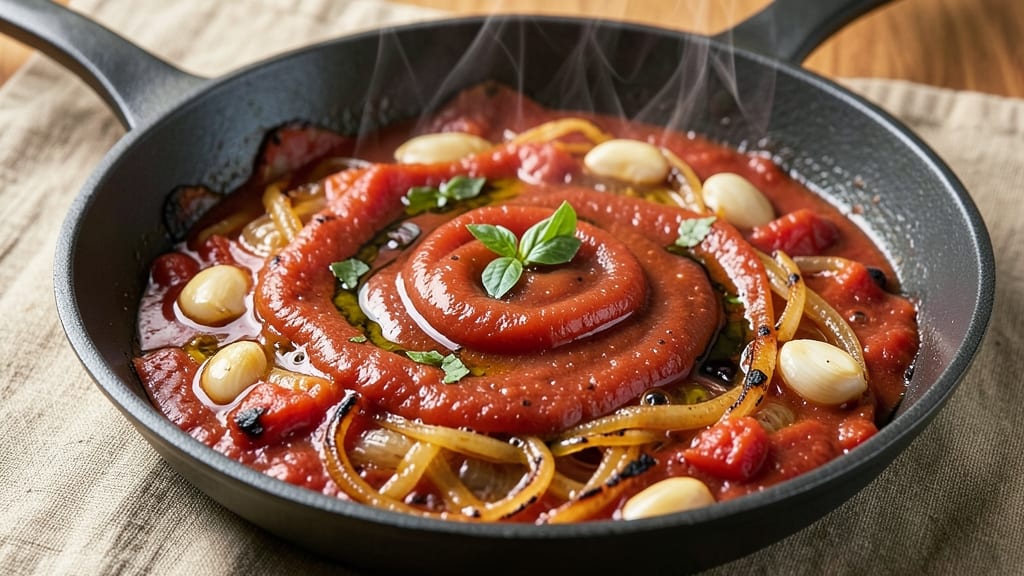
This basic lasagna sauce recipe transforms simple ingredients into a rich, slow-simmered foundation for perfect lasagna layers. The key lies in caramelizing onions and garlic before adding tomatoes, creating depth that elevates every bite. Professional results come from patience—letting flavors meld over 30 minutes on low heat.
What sets this sauce apart is its versatility. It works as a standalone condiment for pasta or pizza, yet holds up beautifully when baked between lasagna layers.
The right balance of acidity and sweetness ensures it won’t turn mushy during baking, while a final adjustment of salt and pepper guarantees perfect seasoning every time. For texture lovers, a quick blend with an immersion blender creates a silky consistency without losing the rustic charm of visible tomato pieces.
The sauce thickens naturally as it simmers, eliminating the need for cornstarch or flour. This is the kind of sauce that makes homemade lasagna taste like a restaurant classic. Use it immediately for fresh lasagna or store it in the freezer for up to three months.
The flavor actually improves with time, making it a pantry staple worth perfecting. Let’s get started on building this essential sauce foundation.
Ingredients for basic lasagna sauce
Nine essential ingredients crafting a sauce that transforms humble lasagna into restaurant-quality perfection.
| Ingredient | Amount | Notes |
|---|---|---|
| Extra-Virgin Olive Oil 🫒 | ½ cup | High-quality, fruity variety preferred |
| Yellow Onions 🧅 | 2 whole | Thinly sliced for even caramelization |
| Garlic Cloves 🧄 | 6 cloves | Minced for aromatic depth |
| San Marzano Crushed Tomatoes 🍅 | 28 oz | High-quality canned tomatoes |
| Tomato Paste 🍅 | 2 tbsp | Squeeze tube preferred for convenience |
| Dry Red Wine 🍷 | ½ cup | Bold Cabernet Sauvignon recommended |
| Vegetable Broth 💧 | 1 cup | Low-sodium preferred |
| Fresh Basil Leaves 🌿 | ½ cup | Chopped for vibrant flavor |
| Diamond Crystal Kosher Salt 🧂 | 1 ½ tsp | Adjust to taste at the end |
| Freshly Ground Black Pepper 🌶️ | ½ tsp | Freshly cracked for optimal flavor |
The foundation begins with San Marzano tomatoes—their natural sweetness and low acidity create a balanced sauce perfect for lasagna. Whole Foods or high-end grocery stores carry these premium cans, but even standard brands like Mutti work well. For onions, yellow varieties caramelize best, developing a deep sweetness that anchors the sauce. Garlic should be freshly minced just before cooking to preserve its aromatic oils, and Penzeys Spices offers pre-minced garlic if you prefer convenience. The extra-virgin olive oil isn't just fat—it carries delicate fruity notes that elevate the entire dish, so invest in a high-quality brand like California Olive Ranch.
No San Marzano tomatoes? Whole peeled tomatoes blended with their juices work nearly as well, though you'll need about 2 cups instead. Substituting red wine? Dry sherry or additional vegetable broth maintains the depth without altering the flavor profile. Fresh basil can be swapped for dried oregano at one-third the amount, though the texture and color will differ. The tomato paste is non-negotiable for thickening—Rao's squeeze tubes are perfect for this recipe as they eliminate waste and last for months in the pantry. For a meatier flavor, add 1/2 cup finely chopped mushrooms with the onions, though this isn't traditional.
This sauce thickens beautifully as it simmers, but if you prefer immediate texture control, blend half the batch with an immersion blender after removing from heat. Store in airtight containers in the fridge for 5-7 days or freeze for up to 3 months—the flavor actually improves with time. For lasagna, use 2 cups per 9x13-inch pan, spreading evenly between layers. The sauce can be reheated gently on the stove or in the microwave, though oven reheating during baking is ideal for maximum flavor integration.
Why You'll Love This Recipe
- Foolproof Foundation: I swear by this sauce because it’s the backbone of every lasagna I make—no fancy techniques, just a deep pot, a knife, and 20 minutes. The San Marzano tomatoes alone make the difference; they’re sweet, meaty, and never watery like store brands.
- Garlic Kiss: That moment when the garlic hits? Pure magic. I brown it low and slow in olive oil until it’s golden, not burnt—just enough to coat every bite with a rich, aromatic punch. Honestly, this step alone turns a basic sauce into something special.
- Meal Prep MVP: Between us, this sauce keeps for weeks in the fridge and freezes like a dream. I make double batches on Sundays, then pull it out for weeknight dinners or to toss with pasta when I’m too tired to cook. No waste, no stress.
- Budget Booster: Tomato paste and onions stretch this sauce further than anything else I’ve tried. A single jar of San Marzanos and a can of paste feed my family for three meals—lasagna, soup, even a quick marinara. My wallet thanks me every time.
Step-by-step instructions for slow-simmered lasagna sauce
This method builds deep, complex flavor through careful layering and patience—essential for authentic lasagna.
Sauté Onions Until Translucent and Sweet
Heat the 0.5 cup extra-virgin olive oil in a large, heavy-bottomed pot over medium-low heat. Add the 2 whole yellow onions, sliced paper-thin, and cook for 15-20 minutes until completely softened and golden brown at the edges. This slow caramelization develops natural sweetness that forms the sauce's foundation.
Stir occasionally to prevent burning, but resist the urge to rush—you're not just cooking onions, you're building flavor. The onions should yield to gentle pressure when pressed with a wooden spoon, indicating they've released their moisture and sugars. If they darken too quickly, reduce the heat slightly to maintain even cooking.
Add Garlic and Tomato Paste for Depth
Push the onions to one side of the pot and add the 6 cloves minced garlic cloves to the empty space. Sauté for 30 seconds until fragrant but not browned—garlic burns in seconds, and you want to preserve its bright, aromatic qualities rather than bitterness.
Return the onions to the center and stir in the 2 tbsp tomato paste, mixing vigorously for 1-2 minutes until fully incorporated. The paste will darken slightly as it melts into the onions, creating a rich, concentrated base. This step is where the sauce's umami profile begins to develop—don't skip it, even if it seems like an extra step.
Deglaze with Wine and Reduce
Pour in the 0.5 cup dry red wine and scrape up any browned bits from the bottom of the pot with a wooden spoon. These caramelized fragments, known as fond, contain concentrated flavors that dissolve into the wine. Let the mixture simmer for 3-4 minutes until the wine has reduced by half and its alcohol content has cooked off.
This reduction step is critical—it transforms the wine's acidity into a mellow, fruity depth that balances the richness of the finished sauce. You'll notice the aroma shift from sharp and vinous to warm and spiced. If the sauce becomes too thick at this stage, you can add 1-2 tablespoons of vegetable broth to loosen it slightly while maintaining the proper consistency.
Build the Tomato Base with Patience
Add the 28 oz San Marzano crushed tomatoes and 1 cup vegetable broth, stirring to combine. Bring the mixture to a gentle simmer, then reduce heat to low and let it cook uncovered for 45-60 minutes. The sauce should bubble softly but steadily—this slow simmer allows the flavors to meld and the acidity to mellow.
During this time, stir occasionally to prevent skin formation, but avoid constant stirring which can break down the tomatoes' natural texture. You're looking for a sauce that's thickened but still saucy enough to coat the back of a spoon. The color should deepen to a rich, ruby red, and the aroma should evolve from bright tomato to complex, layered notes of caramel, wine, and herbs.
Finish with Herbs and Seasoning
Remove the pot from heat and stir in the 0.5 cup chopped fresh basil leaves and 0.5 tsp freshly ground black pepper. Let the sauce sit off the heat for 5 minutes to allow the basil to infuse its bright, sweet notes. Then return to low heat and add the 1.5 tsp Diamond Crystal kosher salt, adjusting to taste—this is your final chance to balance the seasoning before serving.
The sauce should now have a velvety texture with just the right balance of acidity, sweetness, and umami. If you're making lasagna, let the sauce cool slightly before layering—hot sauce can cook the noodles too quickly and make them mushy. For best results, this sauce develops even more depth when reheated with your lasagna, so don't be afraid to make it ahead and store it in the refrigerator for up to 5 days or freeze it for 3 months.
Pro Tips For Making Basic Lasagna Sauce
- Cook Onions Slowly: I learned this the hard way—drowning onions in oil and blistering them just turns your sauce bitter. Instead, keep the heat medium-low and let them sweat for 8-10 minutes until they’re translucent but not browned. That’s when their sweetness comes out.
- Crush Garlic, Don’t Mince: Minced garlic burns before it flavors. Roughly crush the cloves with the flat side of your knife, then let them sit in the oil for 30 seconds before stirring. You’ll get deep, nutty flavor without the acrid bite.
- Deglaze With Tomatoes: Skip the water splash—your sauce will taste flat. After browning the onions and garlic, add the tomato paste and stir for 1-2 minutes to cook it down. Then pour in the crushed tomatoes right away. The paste will thicken the sauce and deepen the flavor instantly.
- Simmer Uncovered: I used to cover my sauce to speed things up, but that turns it gluey. After adding tomatoes, simmer uncovered for 20-30 minutes, stirring occasionally. The water will evaporate, concentrating the flavor without making it heavy. (Yes, even if you’re impatient like me.)
Troubleshooting this recipe
Sauce Too Thin?
If your sauce isn’t thickening enough during simmering, reduce the heat to lowest setting and let it cook uncovered for an additional 15-20 minutes. The acidity in tomatoes will naturally break down as it simmers longer.
For immediate thickening, blend half the sauce with an immersion blender—this creates a silky texture without adding fillers. If you need quick results, mix 1 tbsp cornstarch with 1 tbsp cold water, stir into the sauce, and simmer for 2-3 minutes until thickened. 💧
Sauce Too Thick?
Add 2-3 tablespoons of warm vegetable broth or water, one tablespoon at a time, while stirring constantly. The sauce should coat the back of a spoon but remain pourable. Avoid adding too much liquid at once—it’s easier to fix thickness than to thin it later.
If you’re using this for lasagna, slightly thicker sauce is ideal as it will reduce further during baking. For immediate use as a condiment, aim for a consistency between ketchup and heavy cream. ✨
Sauce Too Acidic?
Balance acidity by adding 1-2 teaspoons of tomato paste to deepen the umami flavor. A pinch of sugar (½ tsp) or a splash of dry red wine can also help soften the sharpness. Simmer for an additional 5-10 minutes to let flavors meld.
If the sauce is still too tangy, stir in ½ cup finely chopped mushrooms or a splash of heavy cream (¼ cup) to round out the flavor profile. 🍷
Sauce Tastes Bland?
Boost flavor by adding ½ teaspoon of balsamic vinegar or a splash of fish sauce (½ tsp) for umami depth. Freshly cracked black pepper (an extra ¼ tsp) and a pinch of red pepper flakes add warmth.
For a richer taste, stir in 1 tbsp butter or 2 tbsp grated Parmesan cheese at the end. If you’re making lasagna, layering with ricotta or mozzarella will also elevate the overall dish. 🌶️
Sauce Separates?
This happens when tomatoes cook too vigorously. To fix it, whisk vigorously or blend the sauce until smooth. For prevention, keep the heat at a gentle simmer (small bubbles, not a rolling boil) and stir occasionally.
If separation persists, add 1 tbsp olive oil or 1 tbsp tomato paste to help emulsify the sauce. Let it simmer for 5 minutes to restore consistency. 🔥
Sauce Burns or Sticks?
Use a heavy-bottomed pot (like All-Clad or Le Creuset) to prevent scorching. If the sauce sticks, add 1-2 tablespoons of water or broth to deglaze, scraping up browned bits with a wooden spoon.
Avoid stirring constantly—this can break down the sauce’s texture. For future attempts, reduce heat slightly and keep the pot moving gently on the stove. 💡
Nutrition facts
Frequently asked questions
Can I make this lasagna sauce without red wine?
Replace the 0.5 cup dry red wine with 0.5 cup vegetable broth or 0.5 cup dry sherry for similar depth. For extra richness, add 1 tbsp tomato paste or 1 tbsp balsamic vinegar to compensate for the missing wine acidity. The sauce will still develop great flavor—just slightly less complexity.
How do I adjust this sauce for vegetarian lasagna?
This recipe is already vegetarian-friendly, but you can enhance it further by adding ½ cup finely chopped mushrooms with the onions or stirring in 1 tbsp nutritional yeast at the end for a cheesy, umami boost. For a meatier texture without meat, blend in ½ cup cooked lentils after simmering. The sauce's natural depth will still shine through.
Can I use this sauce for other dishes besides lasagna?
This versatile sauce works perfectly for pasta, pizza, ravioli, or as a dipping sauce for garlic bread. For pizza, spread it thinly under toppings. For pasta, use 1 cup per serving and toss with al dente noodles. The slow-simmered depth makes it ideal for any Italian-inspired dish where rich tomato flavor is key.
Why does my lasagna sauce taste too acidic?
Acidity often comes from unripe tomatoes or over-simmering. To fix it, stir in 1-2 tsp tomato paste or ½ tsp sugar and simmer for 5 more minutes. For immediate balance, add 1 tbsp heavy cream or ¼ cup grated Parmesan. The wine reduction step helps prevent this—always reduce wine until it's nearly evaporated before adding tomatoes.
How long can I store this sauce before using it in lasagna?
Store in an airtight container in the fridge for up to 5-7 days—flavor actually improves with time! For longer storage, freeze in 1-cup portions for up to 3 months. Thaw overnight in the fridge before using. The sauce reheats beautifully—simmer gently on the stove or warm in the microwave (stirring to prevent separation).