
Sauces & Condiments
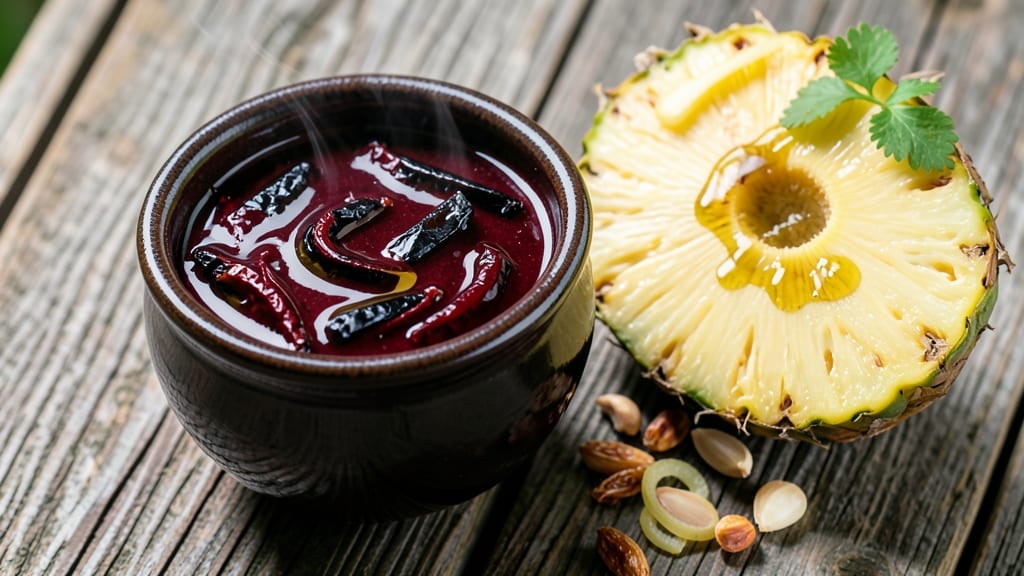
This arbol chile hot sauce delivers smoky, fiery heat with deep, toasted chile complexity—perfect for adding bold flavor to tacos, grilled meats, or spicy cocktails. The key lies in charring the chiles over an open flame to unlock their natural smokiness before blending them into a tangy, vinegar-based base.
I developed this recipe after years of experimenting with traditional Mexican hot sauces, and it never fails to impress.
The process is straightforward but requires patience: toast the dried arbol chiles until fragrant, then soak them in hot vinegar to soften and infuse the liquid with their intense heat.
Optional ingredients like garlic, onion, and a touch of fruit (like pineapple or mango) add layers of flavor without overpowering the chile’s natural fire. The result is a sauce with a balance of heat, acidity, and smoky depth that’s far more complex than store-bought versions.
What you’ll end up with is a versatile hot sauce that can be adjusted for heat—reduce the number of chiles for a milder kick or add more for a scorchingly spicy finish. The texture is smooth and slightly viscous, clinging to food for maximum flavor impact.
Whether drizzled over tacos, mixed into marinades, or stirred into Bloody Marys, this sauce elevates every dish it touches.
Store the sauce in a clean glass jar in the refrigerator for up to 3 months, where the flavors will continue to meld and deepen over time. For an even more intense version, let the chiles ferment in the vinegar for a few days before blending.
Here’s how to make it—your taste buds will thank you.
Ingredients for arbol chile hot sauce
Nine ingredients transform simple chiles into fiery, smoky hot sauce magic.
| Ingredient | Amount | Notes |
|---|---|---|
| Dried Arbol Chiles 🌶️ | ½ oz | Charred over flame for smokiness |
| White Vinegar 💧 | 1 cup | Distilled white vinegar preferred |
| Garlic Cloves 🧄 | 2 whole | Fresh, peeled, lightly crushed |
| Yellow Onion 🧅 | ¼ cup | Diced, yellow or white preferred |
| Fresh Pineapple 🍍 | ¼ cup | Juice only, optional for sweetness |
| Extra-Virgin Olive Oil 🫒 | ¼ cup | For smooth texture and richness |
| Salt 🧂 | ½ tsp | Kosher or sea salt preferred |
| Ground Black Pepper 🌶️ | ¼ tsp | Freshly ground for best flavor |
| Cumin Seeds 🌿 | ½ tsp | Toasted for deeper aroma |
| Cayenne Pepper 🔥 | ¼ tsp | Adjust for desired heat level |
The chiles are everything here. Mexican specialty stores or online retailers like Chipotle or La Tienda carry the best dried arbol chiles—look for vibrant red, not faded or shriveled. Toast them over a gas flame or under a broiler until fragrant and slightly blackened (about 3-5 minutes). The smokiness from charring is what gives this sauce its depth. For the vinegar, distilled white vinegar works best—it’s neutral enough not to overpower the chile’s natural heat. If you can’t find arbol chiles, habanero or serrano will work in a pinch, but the flavor will be different.
No pineapple? Mango or orange juice adds sweetness just as well. Skip the fruit entirely for a purer chile-forward sauce. The garlic and onion are optional but add serious depth—roast them first for even more complexity. Want extra heat? Add more cayenne or a pinch of red pepper flakes. For a smoother texture, strain the sauce through a fine-mesh sieve. If you’re feeling adventurous, let the chiles soak in the vinegar for 24 hours before blending—this deepens the flavor even more.
Store your hot sauce in a clean glass jar in the fridge for up to 3 months. The flavors will only get better with time, so don’t rush to use it all at once. If you make a big batch, freeze portions in ice cube trays for easy single-use servings. The sauce thickens as it sits, so stir before each use. For a restaurant-quality touch, add a splash of lime juice just before serving—trust me, it’s worth it.
Why You'll Love This Recipe
- I swear by this shortcut: just soak those dried arbols in hot water for 10 minutes while you dice the onion—no knife skills required. The vinegar does all the work breaking down the heat while you prep.
- No-Chop Needed: I swear by this shortcut: just soak those dried arbols in hot water for 10 minutes while you dice the onion—no knife skills required. The vinegar does all the work breaking down the heat while you prep.
- Sweet Heat Balance: That pineapple isn’t just for flavor—it cuts through the arbol’s smoky bite with a bright, tangy finish. Honestly, the first time I added it, I thought, “Why didn’t I do this sooner?”
- Party in a Bottle: Slap this on tacos, drizzle it over grilled fish, or use it as a wake-up call for scrambled eggs. I’ve even seen my picky roommate reach for the bottle—(yes, even on a Tuesday night).
Step-by-step instructions for arbol chile hot sauce
Here's how to create a rich, smoky hot sauce with layers of heat and complexity.
Char the Arbol Chiles and Toast the Cumin
Start by charring the 0.5 oz dried arbol chiles over a gas flame or under a broiler for 1-2 minutes per side until they're blackened in spots and smell intensely smoky. This step unlocks their deep, smoky flavor that vinegar alone can't replicate. Work quickly—they burn fast once they start to darken.
While the chiles cool slightly (they'll need to be cool enough to handle), toast the 0.5 tsp cumin seeds in a dry skillet over medium heat for 1-2 minutes until fragrant and lightly golden. Shake the pan occasionally to prevent burning. The aroma should fill your kitchen—this is the foundation of your sauce's depth. Let both the chiles and cumin cool completely before proceeding.
Sauté Onion and Garlic in Olive Oil
Heat the 0.25 cup extra-virgin olive oil in a saucepan over medium heat. Add the 0.25 cup diced yellow onion and cook for 3-4 minutes until softened and just beginning to turn golden. The onions should release their moisture but not brown deeply—you want sweetness, not bitterness.
Add the 2 whole garlic cloves (lightly crushed) and cook for another 30 seconds until fragrant. Be careful not to let the garlic burn—it should smell sweet and nutty, not bitter. Remove the pan from heat temporarily while you prepare the chiles and cumin for blending.
Blend All Ingredients for Smooth Texture
Transfer the charred chiles, toasted cumin, sautéed onion and garlic mixture, 1 cup white vinegar, 0.25 cup fresh pineapple juice, 0.5 tsp salt, and 0.25 tsp ground black pepper to a blender. Add the 0.25 tsp cayenne pepper if you want extra heat—this is where you can adjust the spice level to your preference.
Blend on high for 30-45 seconds until completely smooth. You might need to stop and scrape down the sides once or twice. The sauce should be vibrant red with a thick, syrupy consistency. If it's too thick after blending, add 1-2 tablespoons of vinegar to reach your desired pouring consistency.
Simmer and Strain for Refinement
Pour the blended sauce back into the saucepan and bring to a gentle simmer over medium-low heat. Let it cook for 10-15 minutes, stirring occasionally, until it thickens slightly and the flavors meld together. You'll notice the vinegar sharpness mellows as the chile oils release their heat and smokiness.
After simmering, let the sauce cool slightly, then strain it through a fine-mesh sieve into a clean jar. This removes any remaining chile skins or cumin particles, giving you a silky-smooth sauce. The strained sauce should have a deep red color with a glossy sheen from the olive oil. Let it cool completely before sealing the jar.
Pro Tips For Making Arbol Chile Hot Sauce
- TOAST CHILES UNTIL DARK: Skip the light toast—arbols need to turn nearly black before hitting the vinegar. I learned this the hard way when my sauce tasted bitter and raw; now I watch for that deep, smoky aroma before pulling them off the dry pan. A minute too long won’t ruin them, but stopping too soon means underdeveloped heat.
- PEEL GARLIC AFTER SOAKING: Toss peeled garlic cloves in warm vinegar for 10 minutes first. The skins slide off effortlessly, and the vinegar mellows their sharpness—no more chewing through raw garlic in every bite. (Yes, even if you’re impatient like me, wait the full time.)
- STRAIN THE PINEAPPLE: Blend the pineapple with the rest, then strain through a fine-mesh sieve. This removes fibrous pulp that turns your sauce grainy, and the liquid keeps all the bright acidity. I used to skip it, and the texture always felt off afterward.
- SIMMER LOW AND LONG: Reduce heat to a bare simmer after blending—boiling makes the sauce cloudy and dulls the chile’s punch. Twenty minutes at this stage concentrates the flavors without burning the vinegar. (Your future self will notice the difference.)
Storing and reheating this recipe
Fridge Storage Essentials
Store your arbol chile hot sauce in a clean glass jar with an airtight lid in the refrigerator for up to 3 months. The glass preserves the sauce’s vibrant color and prevents absorption of fridge odors.
I always use mason jars—they’re sturdy and easy to seal. Let the sauce cool completely before sealing to prevent condensation, which can dilute flavors over time. 💧
Freezing for Longevity
For longer storage, freeze the sauce in ice cube trays—perfect for single-use portions. Once frozen, transfer cubes to a freezer-safe bag with all air removed to prevent freezer burn. Thaw overnight in the fridge before use.
The texture remains stable, though it may separate slightly—just stir before using. This method keeps the sauce fresh for up to 6 months without sacrificing quality.
Reheating Methods
If you’ve refrigerated the sauce, gently reheat it on the stovetop over low heat for 2-3 minutes—just enough to warm through without boiling. Avoid microwaving, as it can break down the delicate chile oils and make the sauce watery.
Stir occasionally to distribute heat evenly. For a restaurant-style touch, add a splash of fresh lime juice while reheating to brighten the flavors. ✨
Adjusting Consistency
The sauce thickens as it sits, so stir before each use. If it becomes too thick, thin it with 1-2 tablespoons of vinegar or a splash of water. For extra smoothness, strain through a fine-mesh sieve before reheating.
If the sauce separates, simply whisk vigorously to recombine the oils and liquid. This ensures every drizzle delivers that signature smoky heat. 🌶️
Flavor Evolution
Your hot sauce will taste even better after 1-2 weeks of refrigeration as the flavors meld. The vinegar’s acidity mellows slightly, and the chile oils deepen. I like to taste-test after a week—sometimes I add a pinch of salt or a drop of olive oil to adjust.
The longer it sits, the more complex it becomes, making it worth the wait. 💡
Nutrition facts
Frequently asked questions
Can I substitute arbol chiles with other hot peppers?
Yes, but the flavor will differ! For a similar heat level, use habanero or serrano chiles (1:1 ratio), though they lack arbol’s smoky depth. For milder heat, try ancho or guajillo chiles (soaked first) but reduce to 0.25 oz since they’re less potent. Toasting is key—char them until fragrant for best results.
How do I adjust the heat level in this sauce?
Start with the 0.25 tsp cayenne called for, then adjust to taste. For milder heat, omit it entirely. For extra spice, add 0.5 tsp more cayenne or blend in 1-2 extra charred chiles. Remember: vinegar mellows heat over time, so taste after simmering and straining before finalizing.
Why does my sauce look watery after blending?
This happens when chiles don’t soften enough in vinegar. Let them soak for 15-20 minutes before blending, or simmer the mixture for 5 extra minutes to thicken. If needed, reduce heat uncovered for 3-5 minutes to evaporate excess liquid. For a smoother texture, strain through a fine-mesh sieve.
Can I make this sauce without vinegar?
Not recommended—vinegar is essential for both preservation and brightening the chile flavors. However, you could replace it with apple cider vinegar (for mild sweetness) or lime juice (for tang). The sauce will ferment faster, so use within 2 weeks and store in the fridge. Expect a slightly different flavor profile.
What’s the best way to use this hot sauce?
This versatile sauce elevates everything! Drizzle over tacos, grilled meats, or seafood for instant heat. Mix into cocktails (like margaritas or Bloody Marys) for a smoky kick. Stir into mayo or aioli for spicy sandwich spreads. Even a dash in soups or stews adds depth. Start with 1/2 tsp and adjust to taste.