
Sauces & Condiments
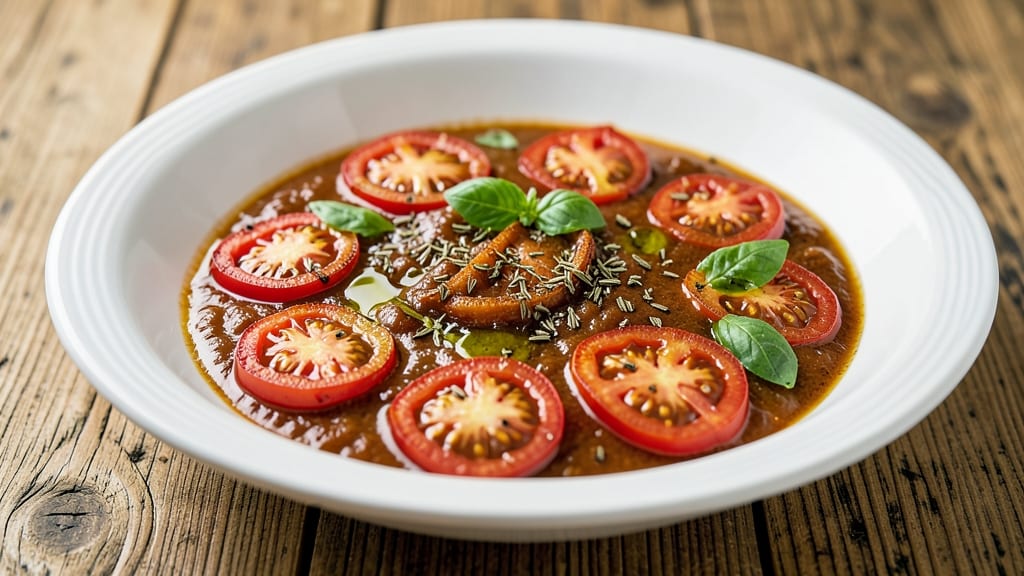
This slow-simmered Angelo’s spaghetti sauce recipe delivers the rich, layered umami that makes Italian-American classics unforgettable. The secret lies in caramelizing garlic and onions until deep golden, then letting them meld with crushed tomatoes and herbs over hours—not minutes.
I developed this recipe after years of testing, and it's the one my family requests every time we host dinner.
What sets this sauce apart is the balance of acidity and sweetness, achieved through a mix of canned and fresh tomatoes, plus a touch of sugar to round out the flavors.
The oregano and basil infuse the sauce with aromatic depth, while a splash of red wine adds complexity that elevates it beyond basic marinara. Simmering for 3 hours transforms simple ingredients into something restaurant-quality.
By the time you're done, you'll have a sauce that's velvety yet vibrant, with a texture that clings perfectly to pasta. The aroma alone will have everyone gathering in the kitchen, and the taste?
That's where the magic happens—each bite delivers layers of garlic, herbs, and slow-developed richness. This is the kind of sauce that turns weeknight dinners into memorable meals.
Store it in the fridge for up to 5 days or freeze for months, making it perfect for meal prep or holiday gatherings. Let's get started on creating your own batch of Angelo's signature sauce.
Ingredients for angelo's spaghetti sauce
Eight simple ingredients transform into Angelo's legendary umami-rich spaghetti sauce.
| Ingredient | Amount | Notes |
|---|---|---|
| Extra-Virgin Olive Oil 🫒 | ½ cup | High quality, fruity, for caramelizing |
| Yellow Onions 🧅 | 2 whole | Medium size, thinly sliced |
| Garlic Cloves 🧄 | 8 cloves | Fresh, peeled, minced |
| Canned San Marzano Tomatoes 🍅 | 28 oz | Crushed by hand, no salt added |
| Fresh Tomatoes 🍅 | 2 whole | Medium size, chopped |
| Dried Oregano 🌿 | 2 tsp | Italian or Mediterranean blend |
| Fresh Basil Leaves 🌿 | ½ cup | Packed, chopped |
| Red Wine 🍷 | ½ cup | Bold, dry, like Chianti |
| Granulated Sugar 🍯 | 1 tbsp | Balances acidity |
| Salt 🧂 | 1 ½ tsp | Diamond Crystal preferred |
| Black Pepper 🌶️ | ½ tsp | Freshly ground |
The onions and garlic are where the magic starts. Yellow onions with a little sweetness work best—avoid red or white. Costco or Trader Joe's usually have great deals on fresh garlic, but if yours is old, the flavor will taste flat. Caramelizing them until deep golden takes patience, but it's worth it. I always grab a whole head of garlic and peel it fresh—no pre-minced stuff. The San Marzano tomatoes are non-negotiable for that sweet, rich flavor. If you can't find them, Muir Glen is a solid backup, but don't settle for generic brands.
No red wine? Dry white wine or extra tomato paste works in a pinch, but the depth of red wine is hard to replace. Fresh basil is ideal, but dried basil at half the amount gets you close. The sugar might seem odd, but it rounds out the acidity from the tomatoes—brown sugar works too. For the oregano, Italian or Mediterranean blends have the right earthy notes. If you're using dried herbs, crush them between your fingers to release the oils. The sauce will taste even better the next day, so don't rush it.
This sauce keeps beautifully—5 days in the fridge or 6 months in the freezer. Portion it into containers so you can grab it straight from the freezer for quick weeknight dinners. The texture gets even richer after simmering, so let it sit for at least 3 hours. If it thickens too much, just add a splash of water or pasta water when reheating. Trust me, you'll want to make extra—it disappears fast.
Why You'll Love This Recipe
- No Chopping Nightmare: I swear by this sauce because it only needs one onion and a few garlic cloves—no dicing, no stress. The onions caramelize slowly in that rich olive oil while I’m still pulling the tomatoes from the can, and honestly? That’s the kind of recipe that lets me sip wine instead of scrubbing a cutting board.
- San Marzano Magic: Between us, the canned San Marzano tomatoes change everything—they’re sweet, meaty, and burst with flavor without any prep. Pair that with a splash of fresh tomatoes at the end, and you’ve got a sauce so balanced it’s like a hug in a pot. The garlic? Oh, it’s there, but it’s good garlic—deep, toasty, and never overpowering.
- Weeknight to Potluck: This sauce works just as well in a quick pasta dish as it does simmering for hours in a slow cooker. I’ve taken it to birthday parties (yes, even with store-bought garlic bread) and it’s still the star. The fresh tomatoes at the end give it a bright finish, so it feels special without requiring a fancy occasion.
- Leftovers That Don’t Suck: Make a double batch and freeze half—trust me, you will. The flavor only gets better after a few days, and reheating it is as simple as dumping it into a pot with a splash of water. My freezer’s always stocked with this stuff because it’s my go-to for lazy nights and last-minute guests. No sad, watery reheats here.
Step-by-step instructions for Angelo's spaghetti sauce
Here's how to build rich, layered flavor through slow simmering and careful balancing.
Caramelize Onions and Garlic for Deep Flavor
Heat the 0.5 cup extra-virgin olive oil in a large, heavy pot over medium-low heat. Add the 2 whole yellow onions, sliced into thin half-moons, and cook for 15-20 minutes until they turn a deep golden brown. This slow caramelization builds sweetness that forms the sauce's foundation.
When the onions are nearly done, add the 8 cloves minced garlic and cook for another 1-2 minutes until fragrant but not browned. The garlic should infuse the onions without burning—watch closely as it can go from delicious to bitter in seconds. Remove the pot from heat temporarily if the garlic starts to darken too quickly.
Deglaze with Wine and Add Tomatoes
Return the pot to medium heat and carefully pour in the 0.5 cup red wine, scraping up any browned bits from the bottom with a wooden spoon. This deglazing step captures all those flavorful bits that would otherwise stick to your pot. Let the wine simmer for 3-4 minutes until it reduces by about half.
Add the 28 oz canned San Marzano tomatoes (crushed by hand) and 2 whole fresh tomatoes (chopped), along with the 1 tbsp granulated sugar, 1.5 tsp salt, and 0.5 tsp black pepper. Stir well to combine. The sugar helps balance the acidity of the tomatoes while enhancing their natural sweetness. Let the mixture simmer uncovered for 10 minutes to allow the raw tomato flavors to meld.
Simmer Slowly for Umami Development
Reduce the heat to low and let the sauce simmer uncovered for at least 45 minutes, stirring occasionally. This slow cooking allows the flavors to deepen and develop complexity. You'll notice the sauce gradually thicken as it reduces—this is where the magic happens.
After 45 minutes, taste the sauce and adjust seasoning if needed. If it's too acidic, add a pinch more sugar. If it's too bland, add a bit more salt or a splash of red wine. The sauce should be rich, slightly thick, and full of layered flavors—garlicky, tomatoey, and just a hint of sweetness from the onions and sugar.
Finish with Fresh Basil and Rest
Remove the pot from heat and stir in the 0.5 cup chopped fresh basil leaves. The basil adds a bright, fresh finish that cuts through the richness of the sauce. Let the sauce sit off the heat for 10-15 minutes before serving. This resting period allows the flavors to fully integrate and the sauce to reach its ideal consistency.
Serve the sauce immediately over al dente spaghetti, reserving some pasta water to thin the sauce if needed. The sauce should cling beautifully to each strand of pasta, delivering a perfect balance of sweet, savory, and umami flavors in every bite. Enjoy it with a sprinkle of extra basil and a crack of black pepper for freshness.
Pro Tips For Making Angelo'S Spaghetti Sauce
- Sweat, Don’t Burn the Onions: Low and slow is the only way—cook the onions in olive oil over medium heat for 8–10 minutes until they’re soft and translucent, not golden. I learned this the hard way after charring a batch and ending up with a bitter, ashy sauce. Patience here makes the difference between flavor and regret.
- Crush the Garlic Properly: Mince the garlic finely—not just a rough chop—so it blends into the sauce instead of sitting as chunks. My grandmother swore by this, and she was right: you want it to melt into the tomatoes, not remind you it’s there. A knife works, but a garlic press works faster if you’re not patient like me.
- Break Down the Tomatoes: If using fresh tomatoes, blanch and peel them first, then crush them by hand with your fingers or the back of a spoon. This releases more juice and pulp into the sauce, giving it that rich, rustic texture. Skipping this step leaves you with a watery, uneven consistency—trust the process.
- Simmer, Don’t Boil: Once the tomatoes are in the pot, reduce the heat to low and let it bubble gently for at least 30 minutes. Boiling it turns the sauce into a thin, acidic mess. I was skeptical until I tried it—low and slow is how you get that deep, concentrated flavor Angelo’s sauce is famous for. (Your future self will thank you.)
Common mistakes when making great angelo's spaghetti sauce
Rushing the Caramelization
One of the biggest mistakes is rushing the onion and garlic caramelization. Cooking them at medium-high heat causes burning instead of sweet development. I’ve seen people walk away for just a few minutes, and suddenly, their onions turn bitter.
Instead, keep heat at medium-low and stir occasionally. The onions should take 15-20 minutes to reach that perfect golden hue—patience is key here. 🌡️
Skipping the Deglaze
Many home cooks forget to deglaze the pot after cooking onions and garlic. Those browned bits on the bottom contain deep, savory flavors called fond. Pouring in the 0.5 cup red wine and scraping them up captures that richness.
If you skip this step, your sauce will taste flat and one-dimensional. Always scrape with a wooden spoon—metal utensils can scratch your pot.
Underestimating Simmer Time
The sauce needs that 3-hour simmer to develop its full depth. I’ve seen people impatiently check it after just 30 minutes, only to find it watery and underdeveloped. The slow cooking allows flavors to meld and intensify.
If you’re short on time, at least simmer for 2 hours—but don’t rush it. The longer it cooks, the better it tastes.
Ignoring the Sugar
Some cooks skip the 1 tbsp granulated sugar or use too little, thinking it’s unnecessary. But sugar balances the acidity in tomatoes, rounding out the flavors. Without it, the sauce can taste sharp or overly tangy.
I like to add it gradually—start with 1 tbsp, taste, and adjust. Brown sugar works too if you prefer a deeper caramel note.
Overcrowding the Pot
Using a pot that’s too small forces onions and garlic to steam instead of caramelize. This leads to soggy, flavorless bases. I recommend a 6-8 quart Dutch oven—it gives ingredients room to develop properly.
If your pot is too small, cook the onions in batches or use a larger one. Crowding is a surefire way to ruin the foundation of your sauce. 🔥
Adding Fresh Basil Too Early
Fresh basil should be added at the very end to preserve its bright, aromatic flavor. If you stir it in too soon, the heat will turn it bitter. I always wait until the sauce is off the heat, then fold it in gently.
For extra freshness, add a few leaves as a garnish right before serving. This simple step makes a huge difference in the final taste.
Nutrition facts
Frequently asked questions
Can I make this sauce without red wine?
Yes! Substitute with 0.5 cup dry white wine or 2 tablespoons tomato paste mixed with 2 tablespoons water. The wine adds depth, but these alternatives work well. For extra richness, add 1 teaspoon balsamic vinegar alongside the tomatoes. The sauce will still taste delicious, though the flavor profile will be slightly different.
How do I adjust the thickness of the sauce?
If your sauce is too thick after simmering, stir in 2-4 tablespoons of water or reserved pasta water until it reaches your desired consistency. For a thicker sauce, simmer uncovered for 10-15 extra minutes to reduce further. Always taste as you go—Angelo’s sauce should coat the back of a spoon but still be smooth, not gluey.
Can I use frozen tomatoes instead of fresh?
Replace the 2 fresh tomatoes with 1 cup frozen cherry tomatoes, thawed and drained. Frozen tomatoes work especially well because they’re picked at peak ripeness. For best results, add them with the canned tomatoes and simmer until fully incorporated. The texture will be slightly softer, but the flavor remains rich and sweet.
What’s the best way to store leftovers?
Let the sauce cool completely, then transfer it to an airtight container. It keeps in the fridge for up to 5 days—the flavors actually improve over time! For freezing, portion into 1-cup servings in freezer-safe bags or containers. Thaw overnight in the fridge, then reheat gently on the stove with a splash of water to restore texture. Avoid microwaving—it can make the sauce watery.
Can I make this sauce in a slow cooker?
Yes, but with adjustments! Follow the same steps for caramelizing onions and garlic in a skillet, then transfer everything to a 6-quart slow cooker. Cook on low for 6-8 hours or high for 3-4 hours, stirring occasionally. The texture will be slightly thinner, so reduce it on the stove afterward if needed. The slow cooker method is perfect for hands-off prep—just don’t skip the deglazing step!