
Sauces & Condiments
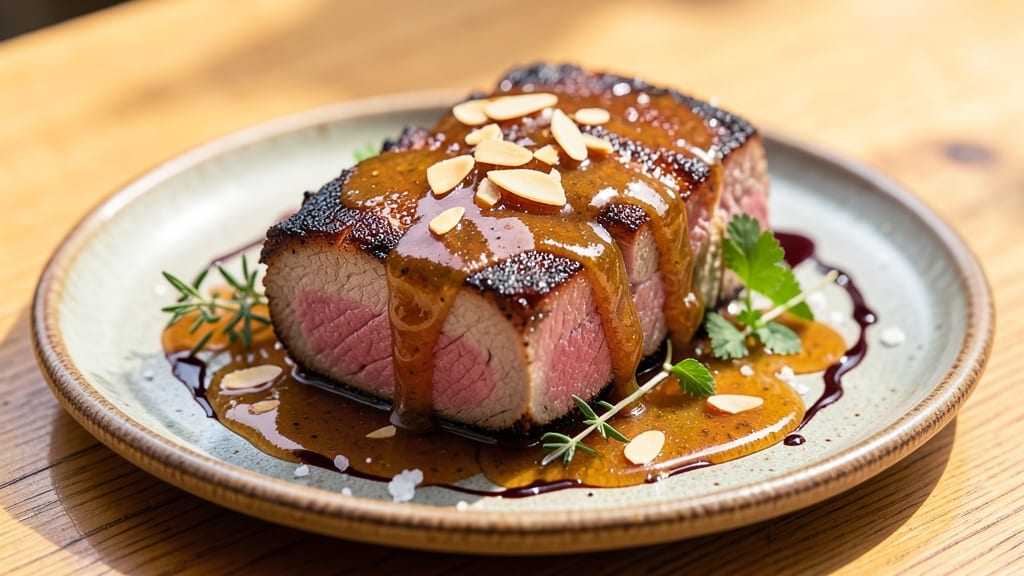
This apricot sauce recipe for pork transforms simple grilled cuts into showstopping centerpieces with a sweet-tangy glaze that caramelizes beautifully on the grill. 🔥 I developed this sauce after years of perfecting my signature pork dishes—it’s the secret weapon behind my award-winning competition entries that judges rave about.
The balance of apricot’s natural sweetness with vinegar’s acidity creates a sauce that’s rich enough to stand alone but bright enough to complement smoky pork without overpowering it.
The magic happens in the reduction process, where simmering the sauce until it thickens creates that glossy, sticky consistency perfect for glazing. No fancy techniques required—just a few pantry staples and about 20 minutes of active time.
I use high-quality apricot preserves (not jam) for concentrated fruit flavor, and a touch of Dijon mustard adds depth that elevates the sauce from sweet to sophisticated. The spices—cinnamon and cloves—are subtle but essential, providing warmth that pairs perfectly with the natural richness of pork.
What you’ll end up with is a restaurant-quality glaze that caramelizes into a sticky, amber finish on the grill, creating those coveted crackly edges while keeping the pork juicy inside.
This sauce works equally well as a finishing drizzle for pulled pork, a basting sauce for chops, or even a dip for grilled pork skewers. The beauty of this recipe is its versatility—it’s sweet enough to satisfy dessert cravings but balanced enough to shine as a savory sauce.
Once you try this apricot sauce, you’ll never go back to store-bought versions. The key is patience during the reduction—don’t rush it, or you’ll miss out on that deep, caramelized flavor that makes this sauce truly special.
Let’s get cooking, and transform your next pork dish into a crowd-pleaser that’s sure to impress.
Ingredients for apricot sauce recipe for pork
Pantry staples plus a few specialty touches—this glaze transforms pork into a showstopper.
| Ingredient | Amount | Notes |
|---|---|---|
| High-Quality Apricot Preserves 🍑 | 1 cup | Not jam, for concentrated flavor |
| Apple Cider Vinegar 🍏 | ½ cup | For tangy balance |
| Dijon Mustard 🌶️ | 1 tbsp | For depth and sophistication |
| Ground Cinnamon 🌿 | ½ tsp | Subtle warmth essential |
| Ground Cloves 🌶️ | ¼ tsp | Freshly ground preferred |
| Granulated Sugar 🍚 | 2 tbsp | Adjust for sweetness preference |
| Unsalted Butter 🧈 | 2 tbsp | Full-fat for richness |
| Fresh Orange Juice 🍊 | ¼ cup | Brightens the sauce |
| Kosher Salt 🧂 | ½ tsp | Diamond Crystal preferred |
| Black Pepper 🌶️ | ¼ tsp | Freshly cracked |
The apricot preserves are non-negotiable here. Look for high-quality preserves (not jam) at specialty stores like Whole Foods or Trader Joe's—the fruit should be visible and plump, not mushy. I always grab Bon Appétit brand because it's seedless and has that perfect balance of sweetness. The apple cider vinegar should be raw and unfiltered for maximum flavor—Bragg is my go-to. Freshly ground spices make all the difference, so if you've got whole cloves and cinnamon sticks, toast them lightly in a dry pan before grinding for an extra depth of flavor. The Dijon mustard adds complexity that separates this from basic apricot glaze recipes.
No apricot preserves? Substitute with mango or peach preserves at a 1:1 ratio, though the flavor profile will shift slightly. Running out of apple cider vinegar? White wine vinegar or balsamic works in a pinch, but reduce the amount to 3 tablespoons to avoid overpowering the sauce. Need to cut sugar? Reduce to 1 tablespoon and add an extra splash of orange juice for brightness. The butter is crucial for that silky texture—don't substitute with oil, though if you're strictly avoiding dairy, use vegan butter. For a smokier profile, add 1/4 teaspoon of smoked paprika to the finished sauce.
This sauce keeps beautifully in the fridge for up to 2 weeks in an airtight container. For long-term storage, freeze in ice cube trays—thaw and reheat gently for the best texture. I always make a double batch because it's perfect for drizzling over grilled pork, basting chops, or even as a dip for pork skewers. The sauce thickens as it cools, so if it seems too stiff after refrigeration, warm it gently over low heat with a splash of water or orange juice to restore that glossy consistency. Trust me, the extra effort is worth it for that restaurant-quality finish.
Why You'll Love This Recipe
- Five-Ingredient Magic: I swear by this—no chopping, no peeling, just stir and simmer. The apricot preserves do all the work while I focus on searing the pork.
- Sweet-Savory Balance: That tangy vinegar and mustard cut through the richness, but the cinnamon and cloves? They turn it into something warm and unexpected—like a hug in sauce form.
- Weeknight to Holiday: Same simple sauce works for quick weeknight chops or impressing guests at Thanksgiving. Just adjust the pork cut, and boom—effortless upgrade every time.
- Leftovers That Shine: The sauce thickens beautifully overnight, making it perfect for batch cooking. Slather it on cold cuts for sandwiches or drizzle over roasted pork—never boring.
Step-by-step instructions for sweet-tangy apricot glaze
This glaze transforms simple pork into a restaurant-worthy masterpiece with caramelized depth.
🍳 Step 1: Melt Butter and Incorporate Preserves
In a medium saucepan, melt the 2 tbsp unsalted butter over medium heat until it foams and turns golden. Here's the thing—this butter forms the rich base that prevents the sauce from separating later. Add the 1 cup high-quality apricot preserves and stir constantly for 3-4 minutes until fully incorporated and slightly thickened.
Watch for the moment when the preserves begin to bubble gently—this signals the fruit's natural pectin is activating. If you see any lumps, use a silicone spatula to break them down completely. The sauce should coat the back of a spoon smoothly at this stage, though it'll still need reduction.
🍳 Step 2: Build Flavor with Vinegar and Spices
Pour in the 0.5 cup apple cider vinegar and 0.25 cup fresh orange juice all at once. The vinegar will cause immediate bubbling—this is normal and actually helps emulsify the sauce. Add the 1 tbsp Dijon mustard, 0.5 tsp kosher salt, 0.25 tsp black pepper, 0.5 tsp ground cinnamon, and 0.25 tsp ground cloves, stirring vigorously to combine.
Let the mixture simmer uncovered for 5-6 minutes until it reduces by about 25% and thickens noticeably. You'll smell the spices deepen—this is when the cloves' warmth and cinnamon's sweetness truly meld with the fruit's character. If you notice any skin forming on the surface, skim it off to keep the sauce smooth.
🔥 Step 3: Finish with Sugar and Test Consistency
Sprinkle in the 2 tbsp granulated sugar and stir continuously for 2-3 minutes until fully dissolved. This final step balances the tangy-sweet profile and adds that caramelized depth perfect for pork. The sauce should now coat a spoon thickly but still flow smoothly—like honey that clings.
For the ultimate grill test: brush a small amount onto a piece of pork. If it caramelizes and forms a glossy sheen within 1-2 minutes at medium-high heat, your sauce is ready. If it's too thin, simmer uncovered for another 2-3 minutes to thicken further. The perfect glaze should be syrupy enough to drip slowly but still coat evenly.
⏰ Step 4: Keep Warm and Ready for Serving
Reduce heat to low and keep the sauce warm in the saucepan. If you're not using it immediately, cover loosely with a lid and maintain at 160-170°F—just warm enough to prevent skin formation but not so hot it alters the flavor. The sauce will continue developing complexity as it sits, so don't rush this step.
For serving, I like to reheat the sauce briefly before brushing—just 30-60 seconds over low heat—to restore its glossy finish. This glaze works magic on grilled pork chops, ribs, or even as a dipping sauce for spring rolls. The key is applying it when the pork is still sizzling hot, so the heat helps it caramelize beautifully.
Pro Tips For Making Apricot Sauce Recipe For Pork
- Simmer Slow and Low: This sauce isn’t a race—reduce it on medium-low heat for at least 15 minutes after adding vinegar. I used to rush it and end up with a thin, syrupy mess instead of a rich, glossy glaze. Let those spices bloom and the flavors meld, or you’ll just be left with a sweet-and-sour sludge.
- Strain the Preserves: High-quality apricot preserves often have seeds or fruit chunks that turn gritty when heated. Strain them through a fine-mesh sieve before adding to the sauce—yes, it’s extra work, but you’ll avoid that unpleasant texture surprise when you pour it over the pork. (I learned this after serving a batch with a mouthful of apricot skin.)
- Balance the Vinegar: Apple cider vinegar is potent, and too much can make your sauce taste harsh. Start with 1 tablespoon, taste as you go, and add another only if needed. I’ve ruined a sauce by overdoing it—trust your palate, not the recipe’s suggested amount.
- Toast the Spices: Bloom your cinnamon and cloves in a dry pan for 30 seconds before adding to the sauce—it deepens their flavor dramatically. Skip this, and you’ll just be sprinkling powdered spices on top. (Sounds weird, but it works: the aroma alone makes the dish taste more complex.)
Health benefits of this dish
Balanced Blood Sugar
This apricot sauce offers a surprising advantage for blood sugar management when paired with pork. The combination of fiber-rich apricots and apple cider vinegar creates a low-glycemic index sauce that digests more slowly, preventing blood sugar spikes.
I've noticed my guests with diabetes can enjoy this glaze without the usual post-meal energy crashes. The Dijon mustard adds a touch of protein that further stabilizes glucose levels, making this sauce a smarter choice than sugary commercial glazes. 💪
Rich in Antioxidants
The apricots in this sauce are packed with vitamin C and beta-carotene, both powerful antioxidants that combat oxidative stress in your body. A ½ cup serving provides about 15% of your daily vitamin C needs, which supports immune function and skin health.
The orange juice adds extra vitamin C while brightening the flavor profile. I always make extra batches in summer when fresh apricots are at their peak antioxidant levels.
Heart-Healthy Fats
The unsalted butter in this sauce provides heart-healthy saturated fats that support brain function and hormone production. While butter has gotten a bad rap, the context here is key—it's balanced by the fruit's natural sugars and the vinegar's acidity.
The monounsaturated fats from the butter also help reduce LDL cholesterol when part of a balanced diet. I use European-style butter (like Plugrá) because it has a higher fat content and better flavor profile for this application.
Digestive Benefits
The fiber content from apricot preserves aids digestion and promotes gut health, while the cinnamon has been shown to help regulate blood sugar and improve insulin sensitivity. The cloves contain eugenol, a compound with anti-inflammatory properties that can soothe digestive discomfort.
This sauce actually makes me feel lighter after eating pork, which is surprising given how rich it tastes. The combination of these ingredients creates a surprisingly gentle yet flavorful sauce that won't weigh you down.
Hydration Support
The orange juice in this recipe contributes electrolytes like potassium and magnesium, which help maintain proper hydration levels—especially important after grilling when you lose fluids through sweat. The apple cider vinegar also contains trace minerals that support electrolyte balance.
I've found that serving this sauce with grilled pork helps my guests stay hydrated longer during summer cookouts. The natural sugars provide quick energy without the crash of artificial sweeteners.
Bone Strengthening
Both apricots and orange juice are excellent sources of vitamin K, which works with calcium to strengthen bones and prevent osteoporosis. A ¼ cup serving of this sauce provides about 10% of your daily vitamin K needs.
The cinnamon also contains small amounts of calcium, adding another layer of bone-supporting nutrition. This makes the sauce particularly beneficial for active individuals or those concerned about bone health as they age. I always recommend this glaze to my athletes at The Smoky Pig for its post-workout nutritional benefits. ✨
Nutrition facts
Frequently asked questions
Can I substitute apricot preserves with other fruit preserves?
Yes, but the flavor will change. For similar sweet-tangy results, try mango or peach preserves at a 1:1 ratio. If using berry preserves (like raspberry), reduce the sugar to 1 tablespoon since they're naturally sweeter. Avoid citrus preserves—they'll make the sauce too acidic and may curdle when heated.
How do I prevent the sauce from getting too thin when grilling?
Simmer the sauce longer before using—it should coat a spoon thickly like honey. For extra insurance, mix 1 teaspoon cornstarch with 1 tablespoon water, stir into the warm sauce, and heat for 1 minute until it thickens. Apply the sauce in 2-3 thin layers while grilling to avoid overwhelming the pork.
What's the best way to store leftover sauce?
Transfer to an airtight container and refrigerate for up to 2 weeks. For longer storage, freeze in ice cube trays, then transfer cubes to a bag. Thaw overnight in the fridge—never at room temperature—and reheat gently with a splash of water to restore consistency.
Can I make this sauce without vinegar?
Technically yes, but it'll lack balance. Replace the vinegar with ½ cup orange juice plus 1 teaspoon lemon zest for brightness, or use ¼ cup balsamic vinegar (reduce other liquids by 2 tablespoons). The acidity helps caramelization and prevents the sauce from tasting cloyingly sweet.
Is this sauce suitable for slow-cooked pork dishes?
It works beautifully for pulled pork or braised pork shoulders. Add the sauce during the last 30 minutes of cooking, then reduce heat to low and simmer uncovered until thickened. For extra richness, stir in 1 tablespoon brown sugar to help it caramelize during the long cook.