
Sauces & Condiments
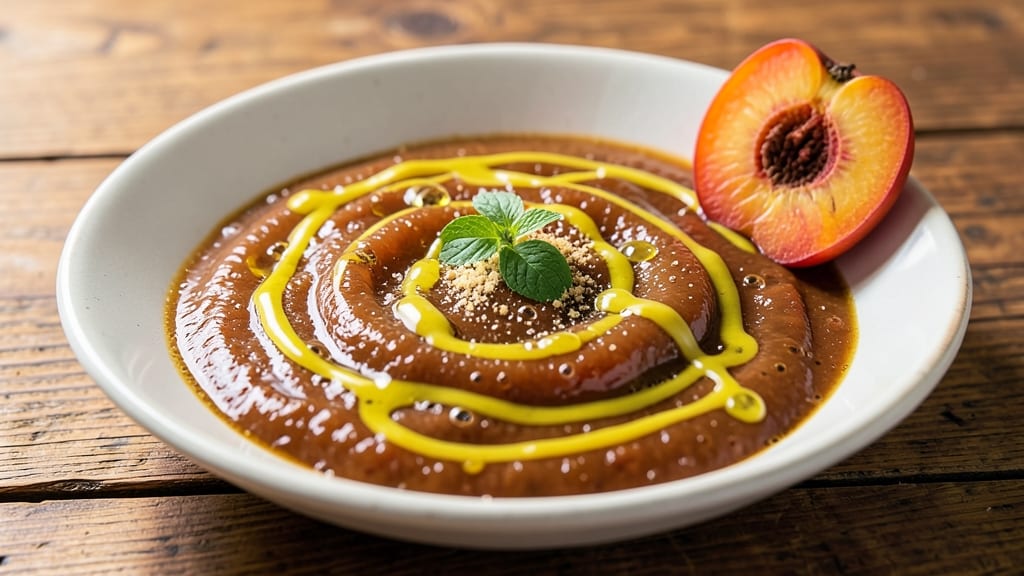
This apricot mustard sauce recipe transforms simple ingredients into a sweet-tangy masterpiece that elevates grilled chicken, roasted vegetables, and even sandwiches. The perfect balance of apricot jam’s fruity depth and Dijon mustard’s sharp bite creates a sauce that’s versatile yet unforgettable—ideal for anyone craving restaurant-quality flavor at home.
I developed this recipe after years of experimenting with fruit-based condiments, and it’s now my go-to for adding complexity to meals without overpowering the main dish.
The magic lies in simmering apricot jam with Dijon mustard, vinegar, and a touch of honey until smooth and glossy. This foolproof method takes just 15 minutes and requires minimal ingredients—no fancy techniques, just careful balance.
The sauce thickens beautifully, coating proteins and vegetables with a sticky-sweet glaze that caramelizes slightly when brushed on hot meat. It’s the kind of sauce that makes weeknight dinners feel like a special occasion.
What you’ll end up with is a rich, velvety sauce that’s tangy enough to cut through fatty meats but sweet enough to satisfy a dessert craving. It pairs perfectly with grilled chicken, pork chops, or even as a drizzle over roasted Brussels sprouts.
The best part? It keeps well in the fridge for up to two weeks, so you can make a batch and use it all week long. This isn’t just a sauce—it’s a flavor game-changer for any dish.
For extra depth, consider adding a pinch of garlic powder or a splash of balsamic vinegar. Store it in an airtight container, and you’ll always have a restaurant-quality condiment ready to elevate your meals. Let’s get cooking—this sauce is easier to make than you think!
Ingredients for apricot mustard sauce
Nine simple ingredients transform into a restaurant-quality sauce that's perfect for grilled chicken and more.
| Ingredient | Amount | Notes |
|---|---|---|
| Apricot Jam 🍑 | ½ cup | High-quality, not low-sugar |
| Dijon Mustard 🌶️ | ¼ cup | Mild or medium heat preferred |
| Apple Cider Vinegar 🍎 | ¼ cup | For tangy brightness |
| Honey 🍯 | 2 tbsp | Wildflower or clover preferred |
| Extra-Virgin Olive Oil 🫒 | ¼ cup | For richness and gloss |
| Garlic Powder 🧄 | ½ tsp | Optional for extra depth |
| Salt 🧂 | ½ tsp | Kosher or sea salt |
| Black Pepper 🌶️ | ¼ tsp | Freshly ground preferred |
| Balsamic Vinegar 🍷 | 1 tbsp | For optional depth (add last) |
The apricot jam is the star here—look for brands like Bonne Maman or Smucker's for that rich, fruity depth. Trader Joe's and Whole Foods both carry excellent options. If you're using low-sugar jam, add an extra teaspoon of honey to balance the flavors. Dijon mustard? Maille or Amora are my go-tos—they've got that perfect tang without overpowering. And don't skip the apple cider vinegar—it's what makes this sauce truly shine with its bright acidity. I always grab the organic kind at Costco when I'm making a big batch.
No apricot jam? Peach or plum jam works too—just adjust the honey to taste. Short on Dijon? Yellow mustard plus a pinch of smoked paprika gets you close. The honey can be swapped for maple syrup if you prefer, though it'll have a different flavor profile. Want more depth? Add a pinch of smoked paprika or a dash of cinnamon. The balsamic vinegar is optional but worth it—look for aged balsamic at Trader Joe's for that extra richness. And if you're making this ahead, store the vinegar separately until you're ready to use it to keep the sauce fresh longer.
This sauce keeps beautifully—up to 2 weeks in the fridge once opened. I always make a double batch so I have some ready for next week. For extra shine, give it a quick stir before using. Freezes perfectly for up to 3 months if you want to make a big batch for the holidays. Just thaw in the fridge overnight. The flavors actually improve over time, so don't be afraid to make it ahead. And if it gets too thick, just add a splash of water or vinegar to loosen it up.
Why You'll Love This Recipe
- Five-Ingredient Magic: I swear, this sauce comes together while I’m still scrolling through my phone. Just whisk those five things—jam, mustard, vinegar, honey, oil—and boom. No peeling, chopping, or waiting for anything to simmer. Honestly, it’s the kind of recipe that makes me feel like a chef without the fuss.
- Sweet-Savory Balance: That first tangy hit of Dijon mustard? Then the jam swoops in with its jammy richness, and the vinegar cuts through like a bright little wake-up call. The honey ties it all together—smooth, sticky, and just sweet enough to make me want to drizzle it on everything. It’s the kind of flavor that lingers in a good way.
- Dress-Up Anything: I’ve slathered this on grilled chicken, tossed it with roasted veggies, and even used it as a glaze for pork chops. It’s my go-to for when I’m tired of plain old BBQ or store-bought sauces. Between us, it’s also the star of my lazy Sunday brunch—drizzled over yogurt with toasted nuts. (Yes, even on a Tuesday night.)
- Makes Leftovers Look Smart: A little goes a long way, so I always end up with extra. The good news? It keeps for weeks in the fridge, and the flavor only gets deeper. I’ll batch-make it on Sundays and use it all week—no sad, wilted leftovers here. Plus, it’s cheap enough that I don’t even flinch when I make double. Budget win.
Step-by-step instructions for apricot mustard sauce
This sweet-tangy sauce comes together in minutes with simple pantry staples.
Warm and Thin the Apricot Jam
Place the 0.5 cup apricot jam in a small saucepan over medium-low heat. Let it warm for 2-3 minutes, stirring gently with a silicone spatula until it becomes smooth and pourable. You'll know it's ready when it loses its thick, jam-like consistency and starts to glisten slightly.
While warming, add the 0.25 cup apple cider vinegar and 2 tbsp honey to the pan. Stir constantly for 1-2 minutes until everything is fully combined and heated through. The vinegar will help cut through the sweetness of the jam, while the honey adds just the right amount of golden depth. Keep the heat low to prevent burning—you want the flavors to meld, not scorch.
Incorporate the Mustard and Seasonings
Remove the saucepan from heat and let it cool slightly for 1 minute. This prevents the mustard from curdling when you add it. Then, whisk in the 0.25 cup Dijon mustard until smooth. You might need to scrape the bottom of the pan to get every last bit of flavor.
Add the 0.5 tsp garlic powder, 0.5 tsp salt, and 0.25 tsp black pepper, whisking vigorously to distribute evenly. Taste the mixture—this is your chance to adjust the balance. If it needs more tang, add a splash of vinegar. If it feels too sharp, a drizzle of honey can soften the edges. The goal is a harmony of sweet, tangy, and slightly spicy notes.
Finish with Olive Oil and Balsamic
Return the saucepan to low heat and slowly drizzle in the 0.25 cup extra-virgin olive oil while whisking continuously. The oil will emulsify with the sauce, creating a silky texture. Let it simmer gently for 2-3 minutes, stirring often, until it thickens slightly and coats the back of a spoon.
Finally, stir in the 1 tbsp balsamic vinegar—this is the secret that elevates the sauce from good to extraordinary. The balsamic adds a deep, caramelized richness that ties everything together. Taste again and adjust seasoning if needed. The sauce should be glossy, well-balanced, and ready to drizzle over grilled chicken, roasted vegetables, or even as a glaze for pork chops.
Cool and Serve
Transfer the sauce to a bowl and let it cool to room temperature. This allows the flavors to fully meld and the texture to set slightly. If the sauce thickens too much as it cools, whisk in 1-2 teaspoons of warm water to loosen it to a pourable consistency.
Serve immediately over grilled chicken, roasted vegetables, or use as a marinade for meats. For best results, store leftovers in an airtight container in the refrigerator for up to 5 days. Reheat gently before serving to maintain its silky texture. This sauce is incredibly versatile—don’t be afraid to experiment with it on everything from sandwiches to cheese boards!
Pro Tips For Making Apricot Mustard Sauce
- Warm the Jam First: Dump cold apricot jam straight into your pan and you’ll end up with a gloppy, uneven sauce. Simmer it for 2-3 minutes on low heat first—just until it’s loose and fragrant. This step actually changes how the flavors meld, not to mention it prevents clumping when you add the mustard.
- Use Real Dijon: That cheap "prepared mustard" with additives will make your sauce taste flat. Splurge on a smooth, high-quality Dijon—it’s the backbone of the flavor here. If you’re in a pinch, at least strain out any visible seeds or lumps before mixing.
- Balance Vinegar Gradually: Pouring all the apple cider vinegar at once can make the sauce taste harsh. Start with half, taste, then add the rest one teaspoon at a time. You’re aiming for bright, not sour—this is where most people overdo it.
- Whisk in the Oil Last: Add the extra-virgin olive oil while the sauce is still hot, then whisk like you’re trying to win an arm-wrestling match. This emulsifies everything beautifully, giving it that silky finish. If you add it too early, you’ll end up with a split sauce—trust me, I’ve tried.
Pro cooking tips for perfect results
Emulsify Like a Pro
Whisking in the extra-virgin olive oil is where the sauce transforms from good to restaurant-quality. I use a balloon whisk for this step—it creates air pockets that help the oil blend smoothly. Start with low heat and add the oil slowly, letting it incorporate before adding more.
If you rush, the sauce will break and separate. A quick fix? Stir in 1 tsp warm water to help re-emulsify. 🌟
Balance is Key
Taste as you go—this sauce needs three flavors to shine: sweet (jam), tangy (vinegar), and sharp (mustard). If it tastes too sweet, add 1 tsp apple cider vinegar.
Too sharp? A drizzle of honey or maple syrup evens it out. I often adjust the ratio to 1:1 sweet-to-tangy for perfect harmony. Trust your taste buds—they know best!
Heat Control Matters
Never let the sauce boil—medium-low heat is your friend. Boiling causes the mustard to curdle and the jam to lose its glossy finish. If it starts to bubble, remove it from heat immediately.
For extra shine, finish with a 1 tbsp aged balsamic vinegar—this adds depth without heat. I like to simmer for just 2-3 minutes after adding oil to let flavors meld. 🔥
Thickness Adjustments
Sauces thicken as they cool. If yours becomes too stiff, whisk in 1 tsp warm water or apple cider vinegar to loosen it. For a thicker glaze, simmer uncovered for 1-2 extra minutes to reduce.
I’ve found that storing it in a glass jar (like Ball mason jars) helps maintain texture longer than plastic containers.
Flavor Boosters
Want extra depth? Add ½ tsp smoked paprika or a pinch of cinnamon while warming the jam. For a herby twist, stir in 1 tsp fresh thyme or rosemary at the end.
I’ve also used 1 tsp grated ginger for a zesty kick—it pairs beautifully with grilled pork. Just remember: add spices after removing from heat to preserve their aroma.
Storage Secrets
This sauce keeps for up to 2 weeks in the fridge, but flavors deepen over time. Store in an airtight container (I use Le Parfait glass jars) and shake before using.
For freezing, portion into ice cube trays, then transfer to a bag—this makes it easy to thaw just what you need. Reheat gently in a saucepan over low heat or microwave in 20-second bursts to avoid curdling. ✨
Nutrition facts
Frequently asked questions
Can I substitute apricot jam for fresh apricots in this sauce?
Fresh apricots work beautifully but require extra prep! Peel, pit, and finely chop 1 cup fresh apricots (about 4-5 medium), then simmer them with 2 tbsp water for 5 minutes until soft before blending into a purée. Use this purée to replace the jam in the recipe. The texture will be slightly thinner, so reduce the sauce longer if you prefer a thicker consistency.
How do I adjust the sweetness if I prefer less sugar?
Reduce the honey to 1 tbsp and increase the apple cider vinegar to 3 tbsp for a more balanced tang. For extra depth without sweetness, add ½ tsp lemon juice or a pinch of cinnamon. Taste as you go—this sauce is all about finding your perfect balance between sweet and tangy!
Can I make this sauce without cooking it?
Yes, but the texture will be less glossy and cohesive. Whisk all ingredients together in a bowl, then let it sit for 10 minutes to thicken slightly. For best results, though, simmering helps emulsify the oil and blend flavors more thoroughly. If you skip cooking, add 1 tbsp cornstarch mixed with 1 tbsp water to thicken it.
What are the best ways to use this sauce besides grilled chicken?
This versatile sauce elevates so many dishes! Drizzle it over roasted vegetables, use as a marinade for pork tenderloin, or spread it on sandwiches with prosciutto and arugula. It also makes an amazing dip for fries or a glaze for baked salmon. For a sweet twist, try it with vanilla ice cream or as a topping for pancakes!
Why did my sauce separate when I added the oil?
This happens when the sauce is too hot or the oil is added too quickly. Remove from heat, let it cool for 1 minute, then whisk in the oil slowly. If it still separates, stir in 1 tsp warm water or vinegar to help re-emulsify. For future batches, maintain low heat and whisk continuously while adding oil.