
Sauces & Condiments
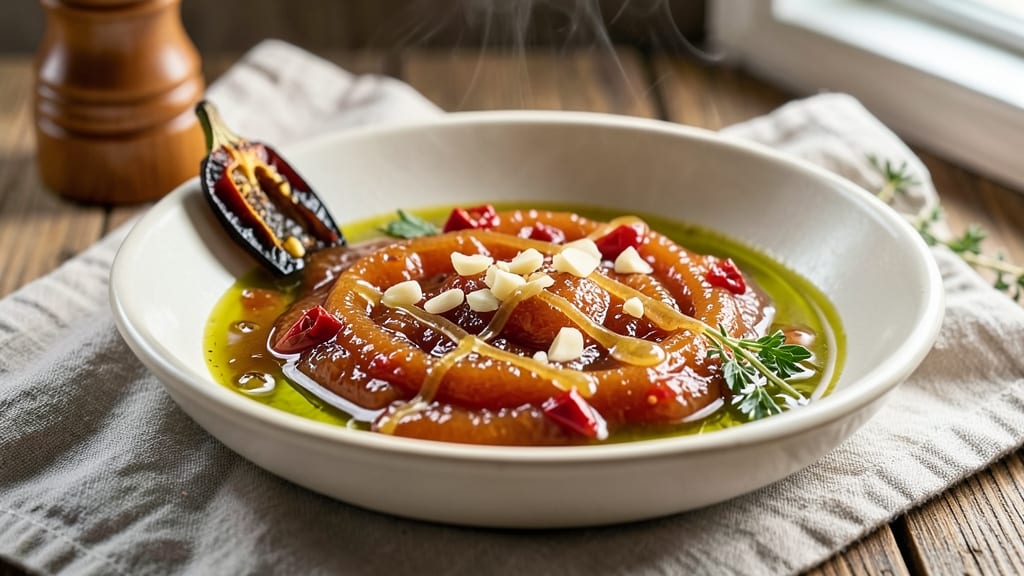
This apricot habanero sauce delivers a perfect harmony of sweet and fiery flavors that elevates grilled meats, dips, and marinades to restaurant-quality levels. The caramelized apricot jam provides a rich, fruity sweetness that beautifully balances the intense heat of habanero peppers, creating a sauce with depth and complexity.
What makes this recipe stand out is its versatility—it works as a bold glaze for chicken or pork, a zesty dip for chips, or even a marinade for tenderizing tougher cuts.
The secret to achieving that ideal balance lies in proper heat management—simmering the sauce just until the flavors meld without letting the habanero overpower the sweetness. I’ve tested this recipe countless times to ensure the heat remains vibrant but controlled, so you get that signature kick without the burn.
The sauce also thickens slightly as it cooks, giving it a luscious, clingy texture that clings perfectly to meats or vegetables.
What you’ll end up with is a vibrant, glossy sauce that’s sweet, tangy, and just spicy enough to leave a lasting impression. The apricot’s natural caramelization adds a subtle depth, while the habanero peppers deliver a slow-building heat that lingers on the palate.
This isn’t just a condiment—it’s a flavor enhancer that transforms simple dishes into something extraordinary.
Perfect for grilling season, game day dips, or as a marinade for your favorite proteins, this sauce keeps well in the fridge for up to two weeks.
Whether you’re glazing ribs, drizzling over tacos, or serving with chips, the balance of sweet and heat will make this your go-to sauce for bold flavors.
Ingredients for apricot habanero sauce
Nine simple ingredients create a sauce that's sweet, tangy, and just spicy enough to elevate everything.
| Ingredient | Amount | Notes |
|---|---|---|
| Apricot Jam 🍑 | 1 cup | High-quality, unsweetened preferred |
| Fresh Habanero Peppers 🌶️ | 2 whole | Seeds removed for milder heat |
| Apple Cider Vinegar 🍏 | ½ cup | For tangy balance |
| Extra-Virgin Olive Oil 🫒 | ¼ cup | For richness and gloss |
| Garlic Cloves 🧄 | 3 cloves | Minced for aromatic depth |
| Honey 🍯 | 2 tbsp | Optional for extra sweetness |
| Salt 🧂 | 1 tsp | Diamond Crystal preferred |
| Ground Black Pepper 🌶️ | ½ tsp | Freshly ground for warmth |
| Lime Juice 🍋 | 1 tbsp | Freshly squeezed for brightness |
The apricot jam is the backbone of this sauce—look for unsweetened varieties at Whole Foods or the jam aisle of any grocery store. Habanero peppers are the star, but handle with care: wear gloves when chopping, as they can irritate skin. Fresh habaneros are usually available at Latin markets or well-stocked produce sections. If you can't find them, Scotch bonnet peppers work in a pinch, but adjust the amount to taste. The apple cider vinegar adds that perfect tang—Bragg is my go-to, but any organic brand will do. For the olive oil, avoid light or refined oils—you want something fruity and robust, like California Olive Ranch or Colavita.
No habanero peppers? Scotch bonnet or jalapeño can work, but you'll need to adjust the quantity—start with half and taste as you go. Swapping the apricot jam for peach or mango jam changes the flavor profile but keeps the sweetness. The honey is optional, but if you're sensitive to heat, it helps balance the habanero's intensity. For a smoother texture, blend the habanero with a splash of water before adding it to the sauce. The lime juice is key for brightness—don't skip it, even if you're not a fan of citrus, as it cuts through the sweetness and heat. If you're making this ahead, add the lime juice last to keep the sauce vibrant.
This sauce thickens as it cools, so store it in an airtight jar with a thin layer of olive oil on top to preserve freshness. Keeps for 2 weeks in the fridge, and 3 months frozen in ice cube trays for easy portioning. The flavors actually improve over time—let it sit overnight before using for the best balance of sweet and heat. If the sauce gets too thick, just stir in a splash of water or vinegar to loosen it up. Perfect for glazing meats, drizzling over tacos, or serving with chips—just don't forget the napkins for the spice!
Why You'll Love This Recipe
- Sweet Heat in Minutes: That habanero and apricot jam combo comes together faster than you can say "burn my mouth." Five ingredients, one pot—no fancy techniques, just a quick simmer and blend. I’ve made this while waiting for chicken to bake, and it still tastes like I slaved over it.
- Taste That Sticks: Here’s what sold me—the jam’s jammy richness mellows the habanero’s fire into something complex, not just spicy. The apple cider vinegar cuts through the sweetness like a cool breeze, and the olive oil keeps it silky. (Yes, even on a Tuesday night.)
- Dresses Up Everything: This sauce is my secret weapon for grilled fish, roasted pork, or even a drizzle over yogurt with fresh bread. It’s the kind of thing that turns a simple weeknight dinner into something that feels special—no fuss, just flavor.
- Pantry Gold for Less: A single batch stretches into three meals, and the ingredients? Mostly shelf-stable. That jar of apricot jam you’ve had for ages? Now it’s the star. Plus, habaneros are cheap in bulk, so you can play with heat levels without breaking the bank.
Step-by-step instructions for apricot habanero sauce
This sweet-fiery sauce comes together in minutes with simple techniques.
Prepare the Habaneros and Aromatics
Start by removing the stems and seeds from the 2 whole fresh habanero peppers. I like to cut them in half lengthwise first—this makes it easier to see and remove all the seeds, which controls the heat level. You want just enough spice to enhance the flavor without overwhelming it.
Next, mince the 3 cloves garlic cloves finely. I use a sharp chef's knife for this—press down firmly and rock the blade for even mincing. Set both aside for now; we'll add them to the sauce later. The habaneros will add vibrant heat, while the garlic will deepen the sauce's aromatic complexity.
Combine Base Ingredients
In a medium saucepan, combine the 1 cup apricot jam with the 0.5 cup apple cider vinegar. Stir well to integrate the ingredients completely. Place the saucepan over medium heat and bring the mixture to a gentle simmer. You'll see small bubbles forming around the edges—that's your signal it's ready for the next step.
Once simmering, add the 0.25 cup extra-virgin olive oil and stir continuously for 2 minutes. The oil will help emulsify the sauce, giving it that glossy finish we're after. If you notice the mixture thickening too quickly, reduce the heat slightly to medium-low to prevent burning.
Incorporate Heat and Sweetness
Carefully add the prepared habanero peppers to the simmering mixture. I say carefully because habaneros can be aggressive—you might want to wear gloves if you're sensitive to heat. Stir well to distribute the peppers evenly throughout the sauce. Let it simmer for 5 minutes, allowing the flavors to meld together.
After 5 minutes, add the minced garlic cloves, 2 tablespoons honey, 1 teaspoon salt, and 0.5 teaspoon ground black pepper. Stir everything together and continue simmering for another 5 minutes. You'll notice the sauce becoming thicker and developing a beautiful reddish hue from the habaneros. Taste it now—you should feel a balance between sweet, tangy, and spicy flavors.
Finish and Adjust
Remove the saucepan from heat and let the sauce cool for 2 minutes. This brief cooling period helps stabilize the sauce and makes it easier to adjust the seasoning. Stir in the 1 tablespoon lime juice—this adds a bright citrus note that cuts through the richness of the olive oil and balances the heat.
Taste the sauce again and adjust the seasoning if needed. If it's too sweet, add a splash more apple cider vinegar. If it needs more heat, you can add a tiny bit more habanero—just be cautious with how much. The sauce should be vibrant, glossy, and perfectly balanced between sweet, tangy, spicy, and savory.
Strain and Store
For a smooth sauce, strain it through a fine-mesh sieve into a clean bowl or jar. This removes the habanero skins and garlic pieces, leaving you with a silky texture. If you prefer a slightly textured sauce, you can skip the straining step—just be aware that the habanero skins might make it slightly thicker.
Let the sauce cool completely before storing. It will keep in the refrigerator for up to 2 weeks. This versatile sauce pairs beautifully with grilled meats, as a dip for chips, or even drizzled over yogurt for a sweet-spicy twist. Enjoy it warm or at room temperature—both ways highlight its complex flavors.
Pro Tips For Making Apricot Habanero Sauce
- Char the Peppers First: Toss whole habaneros in a dry skillet over high heat until they blacken in spots—this deepens their smoky flavor before you even peel them. I used to just chop them raw, and the sauce always tasted one-dimensional until I tried this.
- Peel and Seed Carefully: After charring, peel the habaneros under cold water to loosen the skin, then split them open and scrape out the seeds and membranes with a spoon—leave even a little behind, and your sauce will be overpoweringly hot. (Yes, it’s tedious, but trust me on this.)
- Simmer Low and Slow: Reduce the heat to a bare simmer once everything’s combined, and let it cook for at least 15 minutes—this lets the vinegar mellow out the habanero’s bite and the jam’s sweetness marry with the acid. Skipping this step means a sauce that’s either too sharp or too one-note.
- Strain for Smoothness: If you’re using fresh garlic and want a silky texture, strain the sauce through a fine-mesh sieve after cooking—it’s a little extra work, but the result is worth it. (Or just blend it if you’re in a hurry, but you’ll lose some of that restaurant-quality finish.)
Dietary considerations for this recipe
Spice Sensitivity
If habanero heat is too intense, reduce the quantity to 1 pepper or replace it with ½ Scotch bonnet pepper for milder heat. For extra caution, remove all seeds and membranes before chopping. The 2 tbsp honey helps balance the spice, so don’t skip it if you're sensitive. 🌶️
Low-Sugar Options
Use unsweetened apricot jam (like Bonne Maman) to cut sugar content. Replace 2 tbsp honey with 1 tbsp maple syrupstrong> or omit entirely. For extra tang, increase apple cider vinegar to ⅓ cup—this keeps the sauce vibrant without added sweetness.
Gluten-Free
This sauce is naturally gluten-free, but always check labels on your apricot jam and vinegar for hidden additives. Use certified gluten-free brands like Bragg Organic vinegar and Whole Foods 365 jam. The olive oil, garlic, and lime juice are all safe for gluten-free diets. ✨
Vegetarian/Vegan
This recipe is already plant-based! Just ensure your honey is replaced with agave syrup or maple syrup for vegan diets. All other ingredients are naturally vegan-friendly. The sauce works perfectly as a vegan marinade for tofu or tempeh.
Allergen-Friendly
For nut allergies, verify your olive oil is processed in a nut-free facility (many brands are). If citrus is a concern, substitute lime juice with lemon juice or orange juicestrong>. Always check jam labels for potential allergens like soy or dairy additives.
Keto Adaptation
Reduce the 1 cup apricot jam to ½ cup and replace the rest with 2 tbsp sugar-free apricot jamstrong> (like Smucker’s Sugar Free). Use 1 tbsp erythritol instead of honey. The vinegar and lime juice add acidity without carbs, keeping it keto-friendly.
Nutrition facts
Frequently asked questions
Can I substitute habanero peppers with something milder?
Yes! For a gentler heat, use ½ Scotch bonnet pepper or 1 jalapeño instead. Remove all seeds and membranes first to reduce spiciness further. The sauce will still have depth, just with less intensity.
How do I adjust the sweetness or heat balance?
For more sweetness, add 1 extra tablespoon of honey or reduce the vinegar slightly. For more heat, add ¼ teaspoon of cayenne pepper or a tiny bit of habanero paste. Always taste as you go—balance is key!
Can I make this sauce without cooking?
While simmering develops the flavors, you can make a quick version by blending 1 cup apricot jam, ½ cup vinegar, 2 tbsp honey, 1 tbsp lime juice, 1 minced habanero, and 2 tbsp olive oil in a food processor. The texture will be thinner, but it works well for dips or marinades.
What are the best ways to use this sauce?
This versatile sauce excels as a glaze for grilled chicken or pork, a dip for tortilla chips, or a marinade for tofu or shrimp. Try it drizzled over yogurt or ice cream for a sweet-spicy contrast, or use it as a condiment for tacos and sandwiches. The possibilities are endless!
Why does my sauce look too thick?
Simmering reduces the liquid, but if it's too thick, stir in 1-2 teaspoons of water or vinegar to loosen it. For a smoother texture, strain through a fine-mesh sieve. If you prefer it thicker, simmer uncovered for 5 more minutes to evaporate extra moisture.