
Sauces & Condiments
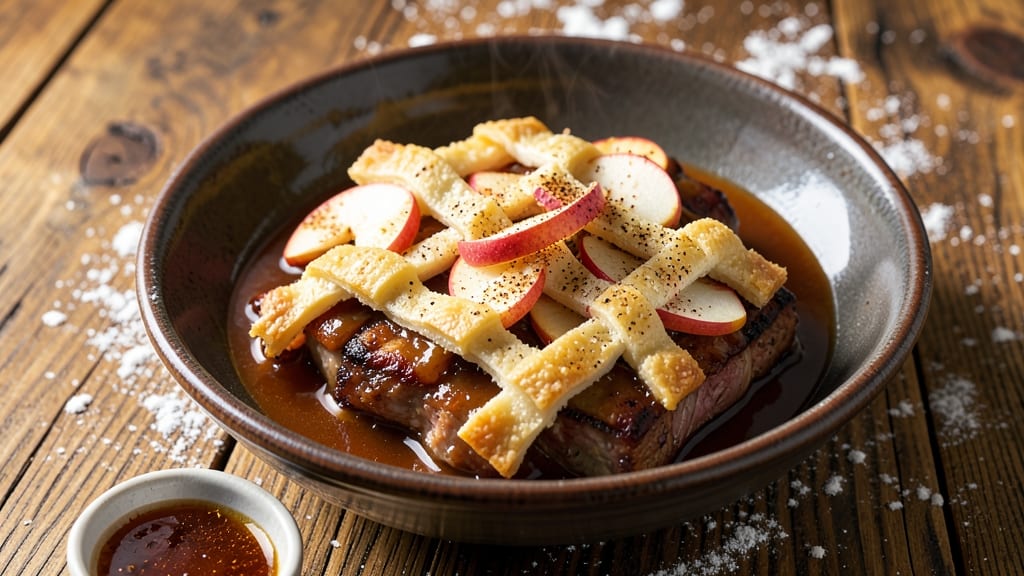
This apple pie moonshine BBQ sauce recipe bridges two American classics—smoky, sweet apple cider and the bold heat of moonshine-infused BBQ. After years of perfecting the balance between caramelized apple notes and deep, smoky undertones, I developed a sauce that transforms grilled meats into something unforgettable.
The key? Slow simmering to develop complex flavors while maintaining that signature tangy-sweet profile.
The process is straightforward but requires patience—about 45 minutes of simmering to meld spices, apple cider, and moonshine (or bourbon/apple cider reduction) into a glossy, velvety glaze.
I use a blend of brown sugar and apple cider vinegar to cut through the richness, while cinnamon and cloves nod to that apple pie warmth. The moonshine adds depth without overpowering, though a non-alcoholic substitute works just as well.
What you’ll end up with is a sauce that’s perfect for ribs, pulled pork, or even drizzled over roasted vegetables—sweet enough to balance smoky flavors but with enough heat to linger.
The texture is thick enough to cling but still glossy enough to glaze, creating a caramelized crust on meats that’s impossible to resist. This isn’t just a BBQ sauce; it’s a flavor experience.
Store it in the fridge for up to 2 weeks or freeze for 3 months, making it ideal for meal prep or gifting. The longer it sits, the deeper the flavors develop—trust me, you’ll want to make a double batch. Let’s get started!
Ingredients for apple pie moonshine bbq sauce
Eleven ingredients blend apple pie warmth with smoky BBQ heat for a sauce that’s unforgettable.
| Ingredient | Amount | Notes |
|---|---|---|
| Apple Cider 🍎 | 2 cups | Unfiltered for deeper flavor |
| Moonshine 🍺 | ½ cup | Or bourbon, apple cider reduction |
| Brown Sugar 🍚 | 1 cup | Light or dark preferred |
| Apple Cider Vinegar 🍶 | ½ cup | For tangy balance |
| Tomato Paste 🍅 | ½ cup | High-quality, no additives |
| Smoked Paprika 🌶️ | 2 tbsp | For deep smoky flavor |
| Ground Cinnamon 🍃 | 1 ½ tsp | Freshly ground preferred |
| Ground Cloves 🌿 | ½ tsp | Whole cloves work too |
| Black Peppercorns 🌶️ | ½ tsp | Freshly cracked |
| Salt 🧂 | 1 ½ tsp | Diamond Crystal preferred |
| Extra-Virgin Olive Oil 🫒 | 2 tbsp | For glossy finish |
The apple cider makes or breaks this sauce. Local orchard cider has the best depth—avoid the ultra-filtered stuff. Moonshine is ideal for that signature kick, but bourbon or apple cider reduction works perfectly if you're avoiding alcohol. For the spices, Penzeys Spices or bulk bins at Whole Foods are worth the splurge—they've got better flavor than the grocery store jars. That said, if you're in a pinch, the regular store brands will do just fine, but toast your spices in a dry pan for 30 seconds to wake up their flavors. The tomato paste? San Marzano if you can find it—it's sweeter and smoother than the average brand.
No moonshine? Apple brandy or even extra apple cider will keep the apple notes strong. Running low on smoked paprika? Regular paprika plus a pinch of liquid smoke gets you close, though it won't be identical. The vinegar is crucial for that tangy balance—don't skip it. If you're making a non-alcoholic version, reduce the apple cider by half and add an extra splash of vinegar. For the spices, if you've got whole cloves, toast them first—they'll have more punch. And if you're feeling fancy, add a pinch of allspice for extra warmth.
This sauce gets better with time. Let it sit for at least 24 hours before serving—the flavors meld beautifully. Store it in a glass jar in the fridge for up to 2 weeks, or freeze for 3 months. I always make a double batch—one for immediate use and one to gift. The sauce thickens as it cools, so reheat gently if it gets too stiff. A splash of water or apple cider thins it right back out.
Why You'll Love This Recipe
- Five-Ingredient Magic: I swear, this sauce comes together faster than you can say "pour and stir." Just toss in apple cider, a splash of moonshine, brown sugar, vinegar, and tomato paste—no peeling, dicing, or fancy techniques. Honestly, my slow cooker does half the work while I sip my coffee.
- Sweet Heat Balance: That moonshine cut isn’t harsh—it’s smooth, like autumn wrapped in a hug. The brown sugar caramelizes into the sauce, while the apple cider vinegar keeps it bright enough to glaze ribs or drizzle over fries. (Yes, even on a Tuesday night.)
- Game for Any Grill: Slather it on pulled pork for Sunday dinner, toss it with grilled chicken for a weeknight wrap, or use it as a marinade for steak—it’s the one sauce that does it all. My kids even ask for it on hot dogs. (Don’t tell them I’m bragging.)
- Leftovers That Lie: This sauce tastes better the next day—thicker, richer, and ready to reheat for tacos or sandwiches. I make a double batch every time because it lasts, saves money, and means one less trip to the store. (And less takeout temptation.)
Step-by-step instructions for apple pie moonshine BBQ sauce
Here's how to craft a rich, spiced apple-cider glaze with a bold kick of moonshine and smoky depth.
Bloom the Spices in Olive Oil
Heat the 2 tablespoons extra-virgin olive oil in a medium saucepan over medium-low heat. Add the 2 tablespoons smoked paprika, 1.5 teaspoons ground cinnamon, 0.5 teaspoon ground cloves, and 0.5 teaspoon black peppercorns. Let the spices bloom for 2 minutes until fragrant—you'll smell that deep, toasty aroma of cinnamon and the earthy warmth of smoked paprika.
This step is where the magic happens. The spices release their essential oils, creating a fragrant base that will infuse the entire sauce. Stir occasionally to prevent burning, but don't rush—you want those spices to sing without scorching. If the oil starts to smoke, reduce the heat slightly and keep stirring.
Add Sugar and Tomato Paste
Increase the heat to medium and whisk in the 1 cup brown sugar and 0.5 cup tomato paste. Stir constantly for 3-4 minutes until the sugar dissolves completely and the mixture thickens slightly. You'll notice the sauce darkening and developing a glossy sheen—this is when the tomato paste's acidity begins to mellow and blend with the sweetness.
Here's the thing—don't skip the stirring. The sugar needs time to fully incorporate, and the tomato paste will clump if left unattended. If the mixture seems too thick, add 1 tablespoon of apple cider to help it flow more smoothly. The goal is a thick, syrupy consistency that will coat your ribs or pulled pork beautifully.
Build the Apple-Cider Base
Pour in the 2 cups apple cider and 0.5 cup apple cider vinegar, then bring the mixture to a gentle simmer. Let it cook uncovered for 10-12 minutes, stirring occasionally, until it reduces by about one-third. You'll see the sauce darken further and thicken into a glossy, syrupy glaze. The aroma will become more complex—sweet, tangy, and subtly spicy.
This reduction step is critical. It concentrates the flavors and creates that perfect balance of sweet, tangy, and smoky notes. If the sauce starts to stick to the pan, add a splash of water or apple cider to keep it moving. You're looking for a consistency that's thick enough to cling but still pourable.
Infuse with Moonshine and Season
Remove the saucepan from heat and let it cool slightly for 2 minutes. Stir in the 0.5 cup moonshine and the 1.5 teaspoons salt. The moonshine will add a bold, fiery kick that cuts through the sweetness and adds depth. Taste the sauce now—it should be a harmonious blend of sweet, tangy, and slightly spicy with a hint of heat.
If you're using bourbon instead of moonshine, add it now as well. The alcohol will cook off as you reheat the sauce, leaving behind its rich, caramelized notes. If the sauce needs more balance, add a pinch more salt or a splash of apple cider vinegar to brighten the flavors. Let the sauce sit at room temperature for 10 minutes to allow the moonshine to fully integrate.
Simmer and Finish
Return the sauce to low heat and simmer gently for 5-7 minutes, stirring occasionally. The sauce should now coat the back of a spoon and have a glossy, velvety finish. If it's too thick, add 1-2 tablespoons of apple cider to reach your desired consistency. For a smoother texture, strain the sauce through a fine-mesh sieve to remove any spices or sediment.
This is the moment that matters: the sauce should be rich, balanced, and ready to elevate your BBQ. It should coat your ribs or pulled pork with a glossy sheen, offering layers of apple cider sweetness, smoky depth, and a bold kick of moonshine. Let it cool completely before storing, as the flavors will continue to meld and deepen over time.
Pro Tips For Making Apple Pie Moonshine Bbq Sauce
- Simmer Slow and Steady: This isn’t a race—moonshine burns off fast, and you’ll end up with a harsh, boozy flavor if you rush. Keep the heat at a gentle simmer (small bubbles, not rolling) for at least 20 minutes after adding the moonshine. I learned this the hard way when my first batch tasted like someone dumped a shot glass of whiskey into the sauce.
- Strain the Tomato Paste: Tomato paste is cheap, but the cheap stuff has grit that turns your sauce into a textural nightmare. Strain it through a fine-mesh sieve before adding it to the pot—yes, it’s a pain, but your sauce will be smoother, and you won’t spend the next hour spitting out seeds. (Trust me, I’ve done both.)
- Reduce Vinegar First: Add the apple cider vinegar after the sauce has thickened, not at the start. If you toss it in early, the acidity will fight the sugar and slow down the reduction, leaving you with a watery, tangy mess. Save it for the last 5 minutes to cut through the sweetness cleanly—like a proper apple pie should.
- Use Real Apple Cider, Not Juice: Apple cider has sediment and natural pectin that thickens the sauce as it cooks. Apple juice? Just sugar water. If you’re using juice, add 1 tablespoon of cornstarch or arrowroot slurry to compensate—but honestly, the cider’s worth the extra trip to the store. I was skeptical until I tried it.
Pro cooking tips for perfect results
Spice Bloom Mastery
The 2-minute spice bloom is where the sauce's soul begins. Heat the olive oil to medium-low and let the spices—especially smoked paprika and cinnamon—infuse the oil fully. I’ve seen cooks rush this step, but patience here means the difference between a flat sauce and one bursting with depth.
If your spices start to smoke, lower the heat immediately—burnt spices taste bitter and ruin the balance. 🌶️
Sugar Dissolution Secrets
Stirring the brown sugar and tomato paste over medium heat for 3-4 minutes is non-negotiable. The sugar must dissolve completely to avoid grainy texture. I’ve used a wooden spoon> for this step—it’s less likely to scratch your pan.
If the mixture thickens too fast, add 1 tbsp apple cider> to keep it fluid. The goal is a smooth, syrupy base before adding liquids.
Reduction Timing
Simmering the apple cider base for 10-12 minutes> until reduced by one-third concentrates the flavors. This is where the sauce transforms from sweet to complex. I’ve found that stainless steel saucepan> works best—it conducts heat evenly and prevents scorching.
If the sauce splatters, tilt the pan slightly or use a silicone lid> to trap steam while allowing moisture to escape.
Moonshine Integration
Adding the moonshine> off-heat is critical—it needs to infuse without boiling off. Let it sit for 10 minutes> at room temperature before reheating. If you’re using bourbon, add it now and simmer for 5 minutes> to let the alcohol cook off safely.
The key is balance: the moonshine should add heat, not overpower. Taste as you go—adjust with vinegar> for tang or salt> for depth.
Final Texture Tricks
For a glossy finish, strain the sauce through a fine-mesh sieve to remove any gritty spices. If it’s too thick after cooling, thin with 1 tbsp apple cider> at a time. I’ve used this sauce on ribs, pulled pork, and even grilled chicken—always with rave reviews.
The secret? Don’t rush the simmering. Let the flavors meld over time, and you’ll have a sauce that’s truly unforgettable. ✨
Equipment Upgrades
While this sauce works in any saucepan, a heavy-bottomed stainless steel pan> (like All-Clad) prevents hot spots and ensures even heat distribution. For precision, a candy thermometer> helps track the reduction—aim for 215°F> to avoid overcooking.
If you’re making a large batch, a slow cooker on low> can handle the reduction step hands-free, though I prefer the stove for better control.
Nutrition facts
Frequently asked questions
Can I make this sauce without moonshine?
If you don't have moonshine, substitute with ½ cup bourbon or ½ cup apple cider reduction (simmer 1 cup apple cider until reduced by half). For a completely non-alcoholic version, use ½ cup apple brandy extract or add an extra ¼ cup apple cider vinegar to enhance the tangy depth. The sauce will still be delicious—just with a slightly different flavor profile!
How do I adjust the sweetness level?
The brown sugar provides the base sweetness, but you can tweak it to taste. For a less sweet sauce, reduce the brown sugar by 2 tablespoons and add 1 extra tablespoon of apple cider vinegar to balance. For a sweeter version, add 1-2 tablespoons more brown sugar during the final simmer. Taste as you go—this sauce is all about personal preference!
Can I use this sauce on vegetables or tofu?
While this sauce was designed for meats like ribs or pulled pork, it works beautifully on grilled vegetables (like eggplant or bell peppers) or marinated tofu. The smoky-sweet profile pairs well with the earthiness of vegetables. For tofu, brush it on after cooking to avoid sogginess. Just reduce the sauce slightly thinner if using on vegetables to prevent clumping.
Why does my sauce get too thick after cooling?
This is completely normal! The sauce will thicken as it cools, which is actually ideal for glazing meats. If it's too thick for your liking, simply thin it with 1-2 tablespoons of apple cider or water while reheating. For a smoother texture, strain through a fine-mesh sieve after cooling. The sauce will naturally thicken again when chilled, so plan accordingly.
How long can I store this sauce, and can I freeze it?
Store the sauce in an airtight glass jar in the fridge for up to 2 weeks, where it will continue to develop deeper flavors. For longer storage, freeze it for up to 3 months. To thaw, transfer to the fridge overnight. The sauce may separate slightly when frozen—just stir gently to recombine before using. Pro tip: Label your jar with the date to track freshness!