
Sauces & Condiments
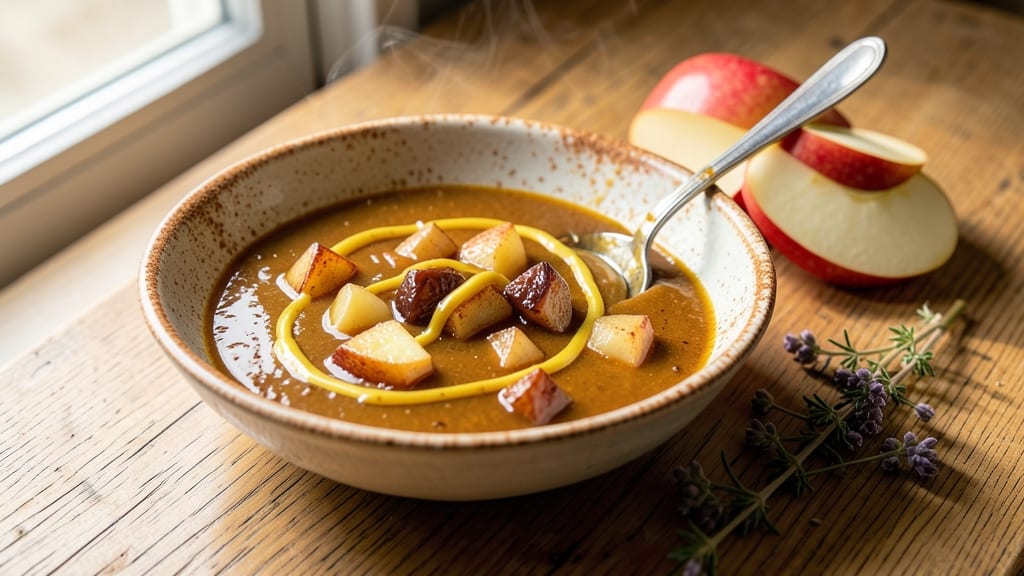
This apple mustard sauce recipe transforms simple ingredients into a versatile glaze that elevates roasted chicken, pork, and even sandwiches with its perfect balance of sweetness and tang.
The secret lies in simmering apples with mustard, vinegar, and a touch of sweetener until the flavors meld into a smooth, glossy sauce that clings beautifully to meat or bread. I developed this recipe after years of experimenting with fruit-based glazes, and it consistently delivers restaurant-quality results at home.
The beauty of this sauce is its simplicity—just six ingredients come together in a single pot, with no emulsifiers needed. Apples provide natural sweetness while softening as they cook, while Dijon mustard adds depth and a subtle kick.
A splash of apple cider vinegar brightens the flavors, and a pinch of cinnamon rounds out the profile. The sauce thickens naturally as it simmers, creating a glossy finish that caramelizes slightly when brushed onto roasted meats.
What makes this sauce truly special is its versatility—use it as a glaze for pork chops or chicken thighs, a dip for pretzels or fries, or even a sandwich spread. The sweet-tangy flavor profile works equally well with savory dishes or as a finishing touch for roasted vegetables.
It stores perfectly in the refrigerator for up to a week, making it an ideal make-ahead condiment for meal prep or holiday gatherings.
For an extra touch of richness, stir in a spoonful of mayonnaise or Greek yogurt before serving, which helps balance the acidity and adds creaminess. The sauce also freezes beautifully, so you can make a big batch and keep it on hand for quick weeknight dinners.
Let's get started—this sauce is easier to make than you think!
Ingredients for apple mustard sauce
Six simple ingredients create this restaurant-quality glaze that transforms roasted meats and sandwiches.
| Ingredient | Amount | Notes |
|---|---|---|
| Apples 🍎 | 2 medium | Peeled, cored, chopped |
| Dijon Mustard 🧂 | ½ cup | High-quality for best flavor |
| Apple Cider Vinegar 🍶 | ¼ cup | Unfiltered preferred |
| Granulated Sugar 🍚 | ¼ cup | Or maple syrup for depth |
| Ground Cinnamon 🌿 | ½ tsp | Freshly ground preferred |
| Salt 🧂 | ½ tsp | Kosher or sea salt |
| Water 💧 | ¼ cup | For thinning as needed |
The apples are the foundation—Honeycrisp or Fuji work best for their balance of sweetness and tartness. Walmart or local farmers markets usually carry these varieties fresh. Avoid apples that are too soft or mealy, as they won't hold up during cooking. I always buy a few extra apples and keep them in the fridge for smoothies or oatmeal. For the mustard, Maille or Amora are my go-tos—they have that perfect tang without being overpowering. The vinegar should be unfiltered if possible, as it adds subtle complexity to the sauce.
No Dijon mustard? Whole-grain mustard thinned with water works in a pinch, though the flavor will be slightly different. Running short on apples? Cooked apple sauce (unsweetened) at half the amount gets you close. For a touch of richness, stir in 1 tbsp of mayonnaise or Greek yogurt at the end. The sugar can be swapped for maple syrup or agave nectar if you prefer a more complex sweetness. If your sauce turns out too thick, add water 1 tbsp at a time until it reaches a glossy consistency perfect for glazing.
This sauce keeps beautifully in an airtight container in the fridge for up to 1 week. For longer storage, freeze portions in ice cube trays—just thaw overnight in the fridge before using. I like to make a double batch and portion it out so I always have some on hand for quick weeknight dinners. The sauce thickens as it cools, so if it seems too stiff when cold, just reheat gently with a splash of water. Perfect for meal prep, holiday gatherings, or spontaneous dinner parties.
Why You'll Love This Recipe
- No-Fuss Simplicity: I swear by this recipe because it’s the kind of sauce that doesn’t demand perfection—just a knife, a bowl, and 10 minutes. Peel and dice one apple (or use pre-sliced for lazy days), toss it with mustard, vinegar, and a pinch of cinnamon, then let it simmer. That’s it. No blenders, no straining, no stress.
- Tangy-Sweet Magic: Here’s what sold me—the way the sharpness of Dijon mustard and apple cider vinegar cuts through the sugar, then the cinnamon warms it all up. It’s the kind of balance that makes you want to drizzle it on everything: grilled chicken, roasted Brussels sprouts, even a simple cheese plate. Honestly, the first time I tasted it, I grabbed the jar and forgot what I was making.
- Weeknight to Holiday: Between us, this sauce is my secret weapon for busy nights and special occasions. Keep a jar in the fridge for quick weeknight dinners, but also? It’s the star of my Thanksgiving table when I’m serving roasted turkey or mashed potatoes. The apples add a fresh, bright note that feels festive without being fussy.
- Budget-Friendly Staple: I make this sauce at least once a month because it’s dirt cheap and lasts forever. Apples stay crisp in the fridge, and the vinegar and mustard are pantry basics. Plus, a little goes a long way—one batch stretches over three meals, and I’ve even frozen leftovers for last-minute cravings. It’s the kind of recipe that saves money and time.
Step-by-step instructions for apple mustard sauce
This sweet-tangy glaze balances rich flavors perfectly—here's how to make it shine.
Cook the Apples Until Soft
In a medium saucepan, combine the 2 medium peeled, cored, and chopped apples with the 0.25 cup granulated sugar and 0.25 cup apple cider vinegar. Bring to a gentle boil over medium-high heat, then reduce to medium-low heat and simmer uncovered for 8-10 minutes until the apples break down and the mixture thickens slightly.
Stir occasionally to prevent sticking, and watch for the apples to soften completely—they should be tender enough to mash easily with a fork. The mixture should smell sweetly aromatic with a hint of vinegar tang. If the sauce reduces too quickly, add 1-2 tablespoons of water to maintain moisture, but don't over-dilute it yet.
Blend Until Smooth
Transfer the cooked apple mixture to a blender or food processor. Add the 0.5 cup Dijon mustard, 0.5 tsp ground cinnamon, and 0.5 tsp salt. Blend until completely smooth, scraping down the sides as needed. The sauce should be velvety with no visible apple chunks—this ensures a silky texture that coats proteins beautifully.
Taste the mixture and adjust the seasoning if needed. If the sauce tastes too sharp, add a pinch more sugar. If it lacks tang, stir in an extra ½ teaspoon of apple cider vinegar. The balance should be sweet, tangy, and subtly spiced—this is your flavor foundation.
Simmer to Thicken
Return the blended sauce to the saucepan and place it over low heat. Add the 0.25 cup water and stir constantly with a wooden spoon, allowing the sauce to simmer gently for 5-7 minutes until it thickens to a glossy, coatable consistency. You're aiming for a sauce that clings to a spoon but still flows freely—it should coat the back of a spoon without dripping.
If the sauce thickens too quickly, add 1 tablespoon of water at a time until you reach the ideal texture. The sauce should be smooth, glossy, and ready to glaze—this is where the magic happens. Remove from heat immediately to prevent over-thickening, which can make the sauce grainy.
Cool and Adjust Before Serving
Let the sauce cool slightly for 5-10 minutes—this allows the flavors to meld and the texture to stabilize. Taste again and make any final adjustments: a splash of water if it's too thick, a pinch of sugar if it needs sweetness, or a dash of vinegar for more tang. The sauce should now be perfectly balanced—sweet from the apples and sugar, tangy from the vinegar, and rich from the mustard.
This sauce pairs beautifully with roasted chicken or pork, drizzled over grilled vegetables, or even as a dip for pretzels. It keeps well in the refrigerator for up to 5 days, and reheats beautifully—just warm gently over low heat, stirring occasionally to maintain its smooth texture.
Pro Tips For Making Apple Mustard Sauce
- Simmer Low and Slow: This sauce isn’t a race—after combining everything, keep the heat at a gentle simmer for 8–10 minutes. I used to crank it up, thinking it’d speed things along, but that just burns the apples and turns the sauce bitter. A steady, barely-bubbling heat lets the flavors meld without scorching.
- Peel and Dice Apples: Skip the core, but don’t skip peeling. The skin stays tough even when cooked, and it can make the sauce grainy. Dice the apples into small, even pieces—about ¼-inch cubes—so they soften completely and blend smoothly into the sauce. (Yes, it’s tedious, but trust me.)
- Balance the Vinegar: Apple cider vinegar adds tang, but too much makes the sauce sharp and unbalanced. Start with 1 tablespoon, taste, then adjust. If it’s still too sour, a pinch of sugar (or even a splash of water) can dial it back without overpowering the mustard.
- Strain for Smoothness: If you want a silky texture, strain the sauce through a fine-mesh sieve after simmering. The apples break down into a thick pulp that can make the sauce clumpy—straining removes the texture without losing flavor. (Save the pulp for pancakes or oatmeal; it’s delicious.)
Best sauces and condiments for this recipe
Sweet-Tangy Glaze
This sauce shines as a glaze for roasted meats—especially pork chops or chicken thighs. Brush it on during the last 10-15 minutes of cooking at 375°F for a caramelized finish. The apple-mustard combo creates a sticky, flavorful crust that contrasts perfectly with crispy skin. 🔥
Sandwich Spread
Thin the sauce slightly with 1-2 tablespoons of water for a spreadable consistency. Slather it on toasted bread with sharp cheddar and crispy bacon for a gourmet twist. The sweetness balances the saltiness, making every bite irresistible. I love this combo for brunch sandwiches!
Pretzel Dip
Serve warm or at room temperature for dipping soft pretzels or fries. The mustard adds a sharp contrast to the sweet apples, while the cinnamon gives it a cozy, spiced depth. For extra richness, stir in 1 tablespoon of mayonnaise before serving. Perfect for game day or snack time!
Vegetable Enhancer
Drizzle over roasted Brussels sprouts or caramelized onions to add sweetness and tang. The sauce clings beautifully to vegetables, making them taste like a gourmet side dish. Toss with a pinch of black pepper for extra zing. ✨
Breakfast Twist
Use as a pancake or waffle syrup substitute. Warm the sauce slightly and drizzle over fluffy pancakes with crispy bacon or maple-glazed sausage. The mustard adds a savory kick that elevates breakfast to restaurant-level quality. 💛
Grilled Cheese Upgrade
Spread a thin layer between sourdough bread and Gruyère cheese for a sweet-savory grilled cheese. The acidity in the sauce cuts through the richness, creating a perfect balance. Add thinly sliced apples for extra texture and flavor. This combo is a game-changer for lunch!
Nutrition facts
Frequently asked questions
Can I substitute regular mustard for Dijon in this recipe?
You can, but the flavor will be slightly different. Regular mustard lacks Dijon's refined, peppery depth, so your sauce may taste more coarse. For best results, use whole-grain mustard thinned with 1 tablespoon of water—this mimics Dijon's texture while keeping the tang. The sauce will still work well, especially for dipping or sandwiches where texture matters less.
How do I fix a sauce that's too thick or too thin?
For a sauce that's too thick, stir in 1 tablespoon of water at a time over low heat until it reaches a glossy, coatable consistency. If it's too thin, simmer uncovered for 2-3 extra minutes to reduce the liquid. The ideal texture should cling to a spoon but still flow freely. For immediate fixes, a splash of cold water can thin it quickly, while longer simmering thickens it naturally.
Can I make this sauce without apples? What's a good substitute?
Yes! For a similar texture, use ½ cup unsweetened applesauce or ¼ cup apple juice reduced by half in a saucepan. For a different flavor profile, try peach slices or mango chunks cooked down with the vinegar and sugar. The mustard and cinnamon will still provide that signature tang and warmth, though the sweetness level may change slightly.
How long can I store this sauce, and can I freeze it?
This sauce keeps in an airtight container in the fridge for up to 1 week. For longer storage, freeze portions in ice cube trays or small containers. Thaw overnight in the fridge before using. The texture may thicken slightly when frozen, so add a splash of water when reheating. The flavor actually improves after a day or two as the ingredients meld further. Perfect for meal prep!
What's the best way to use leftover sauce?
Leftover sauce is incredibly versatile! Use it as a marinade for chicken or pork (1:1 ratio with oil), a dip for veggie sticks or chips, or a glaze for baked sweet potatoes. Thin it with water for a quick pancake syrup substitute, or mix with mayo for a tangy coleslaw dressing. The possibilities are endless—don't let it go to waste!