
Sauces & Condiments
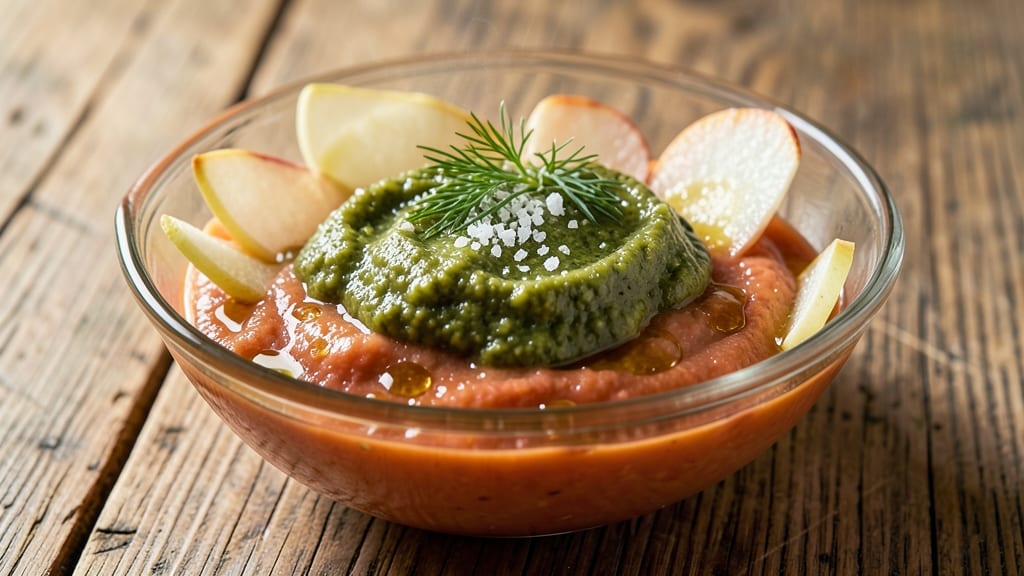
This apple horseradish sauce recipe transforms simple ingredients into a bold, tangy condiment that elevates roasts, mashed potatoes, and even sandwiches. The sharp bite of horseradish meets the sweet crunch of apples, creating a balance that’s both refreshing and complex.
I developed this sauce after realizing how often store-bought versions fell flat—too sweet, too thin, or lacking depth. This version fixes all that with precise measurements and a simple technique.
The magic lies in the preparation: finely grating fresh horseradish and apples ensures a smooth yet textured consistency, while a touch of honey or sugar tempers the heat. Vinegar ties everything together, adding brightness and helping the sauce last longer in the fridge.
Unlike many recipes, this one avoids overpowering spices, letting the natural flavors shine through. The result is a sauce that’s versatile enough for holiday meals but simple enough for a weeknight dinner.
What makes this sauce stand out is its ability to enhance dishes without overpowering them. A spoonful brightens creamy mashed potatoes, cuts through rich roasted meats, or adds a tangy kick to sandwiches. The texture is just right—smooth enough to spread easily but with enough body to cling to food.
Best of all, it keeps well in the refrigerator for up to a week, so you can make a batch ahead for holiday gatherings or meal prep.
Ready to elevate your meals with this foolproof sauce? The ingredients are simple, the steps straightforward, and the results guaranteed to impress.
Whether you’re hosting a dinner or just looking to add a new flavor dimension to your cooking, this apple horseradish sauce delivers sharp, zesty flavor that’s impossible to resist.
Ingredients for apple horseradish sauce
Eight simple ingredients create a sauce that balances sharp horseradish with sweet apple perfection.
| Ingredient | Amount | Notes |
|---|---|---|
| Granny Smith Apples 🍎 | 1 ½ cups | Peeled, finely grated or minced |
| Fresh Horseradish Root 🌿 | ½ cup | Finely grated, no rind |
| White Vinegar 💧 | ½ cup | Distilled preferred for clarity |
| Granulated Sugar 🍯 | ¼ cup | Or light honey for floral notes |
| Extra-Virgin Olive Oil 🫒 | ¼ cup | High-quality, fruity variety |
| Salt 🧂 | 1 tsp | Diamond Crystal preferred |
| Black Peppercorns 🌶️ | ¼ tsp | Freshly cracked, coarse grind |
| Fresh Lemon Juice 🍋 | 2 tbsp | Strained for clarity |
The horseradish root is the heart of this sauce—fresh, never powdered. Trader Joe's or well-stocked grocery stores carry it in the produce section, often near the ginger. Look for firm, white roots with no soft spots; the fresher, the better. Granny Smith apples add the perfect sweet-tart contrast, but any crisp apple works—just peel and grate finely. Organic produce minimizes bitterness, though conventional works fine. The vinegar should be white vinegar (not apple cider) for proper acidity balance. If you can't find fresh horseradish, pre-grated horseradish from a jar is a decent substitute, though it lacks the same punch.
No Granny Smith apples? Fuji or Honeycrisp work beautifully—their natural sweetness complements the horseradish. Swap the sugar for honey or maple syrup if you prefer floral undertones, but reduce to 2 tbsp to avoid overpowering. For a smoother texture, blend the grated apple and horseradish briefly before adding other ingredients. Diamond Crystal kosher salt dissolves more easily than table salt, so use it if you're particular about texture. If you're sensitive to heat, reduce the horseradish to 0.25 cup—the sauce will still have depth without being overwhelming. The lemon juice can be omitted if you dislike acidity, but it brightens the entire sauce.
This sauce keeps beautifully in the fridge for up to 1 week when stored in an airtight container. For longer storage, transfer to a sealed jar and freeze for up to 3 months. The texture may thicken slightly after chilling—stir in a splash of water or vinegar to restore consistency. Portion into small jars for meal prep; a spoonful elevates everything from roasted meats to mashed potatoes. Avoid metal spoons when serving—stainless steel or plastic prevents reactions with the horseradish. The sauce tastes even better the next day as flavors meld, so make a batch ahead for holiday meals.
Why You'll Love This Recipe
- Five-Ingredient Magic: I swear by this combo—Granny Smiths bring that sharp tang, while fresh horseradish root adds a peppery kick that lingers. No fancy techniques, just peel, grate, and mix. That’s it.
- Unexpected Crowd-Pleaser: Between us, this sauce sneaks up on people. The vinegar cuts the heat just enough, and the sugar balances it like a perfect hug. My husband’s a horseradish skeptic—now he asks for seconds.
- Holiday Table Star: Roast beef? Check. Thanksgiving leftovers? Even better. A drizzle of this sauce turns dry turkey into something special, and it keeps like a dream. Make a batch now, thank yourself later.
- Pantry Stash Winner: Fresh horseradish lasts forever in the fridge, and the apples stay crisp for days. I double the recipe, bottle it, and gift it—people think I’m a genius. (Shhh, don’t tell them it’s foolproof.)
Step-by-step instructions for apple horseradish sauce
Master this sharp, bright condiment that elevates holiday roasts and creamy mashed potatoes.
👨🍳 Step 1: Prepare the Base Ingredients
Start by peeling and finely grating the 1.5 cups Granny Smith Apples using a box grater or food processor. I prefer a fine texture—this ensures the apples blend smoothly into the sauce without any noticeable chunks. Transfer the grated apples to a medium saucepan and set aside.
Next, peel the 0.5 cup Fresh Horseradish Root using a vegetable peeler, then grate it finely. Horseradish is potent, so I recommend wearing gloves if you're sensitive to its strong aroma. Add the grated horseradish to the saucepan with the apples. The combination of tart apples and peppery horseradish creates the perfect balance of flavors.
🍳 Step 2: Cook the Mixture
Place the saucepan over medium heat and add the 0.5 cup White Vinegar and 0.25 cup Granulated Sugar. Stir gently to combine, making sure the sugar dissolves completely. Let the mixture simmer for 5-7 minutes, stirring occasionally, until the apples begin to soften and release their juices.
You'll notice the mixture will thicken slightly as the apples break down. This is when the flavors start to meld together. Keep the heat at medium—too high and the horseradish will lose its sharpness. The sauce should have a glossy appearance and a slightly reduced consistency by the end of this step.
🥘 Step 3: Incorporate the Finishing Touches
Remove the saucepan from heat and let it cool for 2-3 minutes. This cooling period prevents the 0.25 cup Extra-Virgin Olive Oil from separating when added. Slowly drizzle in the olive oil while whisking vigorously to emulsify the sauce. The olive oil adds richness and helps balance the sharpness of the horseradish.
Add the 1 tsp Salt and 0.25 tsp Black Peppercorns (pre-cracked for a more robust texture), then stir in the 2 tbsp Fresh Lemon Juice. Taste the sauce and adjust the seasoning if needed—you might want to add a touch more sugar to counteract the sharpness or a splash more vinegar for brightness. The sauce should have a harmonious balance of sweet, tangy, and spicy notes.
⏰ Step 4: Chill and Serve
Transfer the sauce to a clean jar or airtight container and refrigerate for at least 1 hour before serving. Chilling allows the flavors to fully develop and the texture to set properly. The sauce will thicken as it cools, creating a smooth, spreadable consistency that pairs beautifully with roasted meats and potatoes.
When ready to serve, give the sauce a quick stir to ensure everything is well combined. The final product should be vibrant in color—bright green from the horseradish and apples, with a glossy sheen from the olive oil. Serve chilled alongside your favorite holiday dishes for a refreshing contrast to rich, savory flavors.
Pro Tips For Making Apple Horseradish Sauce
- GRATE THE HORSERADISH FINE: Fresh horseradish loses its kick fast once exposed to air. Use the smallest holes on your grater—think "snow" not "shreds"—and work quickly. Cover the grated pile with plastic wrap between uses, pressing out excess air, or it’ll mellow in minutes.
- PEEL THE APPLES AFTER GRATING: Granny Smiths stay crisp longer if you peel them after grating. The acid in the vinegar will soften the skin anyway, but skipping this step means grittier texture and a sauce that separates faster. A microplane works best—no peeling needed, just scrape the skin off afterward.
- COOK THE VINEGAR FIRST: Don’t toss everything in cold. Warm the vinegar and sugar together for 2 minutes before adding apples and horseradish—this dissolves the sugar completely and mellows the vinegar’s sharpness. I used to skip this, and the sauce always tasted unevenly tangy.
- STRAIN OUT THE PULP: After blending, let the sauce sit for 5 minutes, then strain through a fine-mesh sieve lined with cheesecloth. This removes apple strings and horseradish fibers, giving you a silky texture. (Yes, it’s extra work, but the difference is noticeable—especially with Granny Smiths, which can get stringy.)
Regional styles of this recipe
Classic New England Style
In New England, this sauce takes center stage during holiday feasts, especially with roast turkey or cornbread. The regional version often includes a splash of apple cider instead of white vinegar—about ¼ cup—to add depth and a subtle caramel note.
I find McIntosh apples work beautifully here, as their mild sweetness balances the horseradish’s heat. Serve it warm with New England clam chowder for a coastal twist that locals swear by. 🍎
Southern Barbecue Twist
Down South, this sauce becomes a smoky-sweet glaze for pulled pork or brisket. Add 1 tbsp smoked paprika and ½ cup apple cider vinegar to the recipe, then simmer for an extra 10 minutes to deepen the flavors.
The Southern version often includes a touch of hot honey (about 1 tbsp) to mellow the horseradish’s bite while adding a smoky sweetness. Pair it with slow-cooked pulled pork or drizzle over mac and cheese for a crowd-pleaser. 🔥
Midwest Potato Pairing
The Midwest loves this sauce as a mashed potato topping, where it’s often thickened with a splash of heavy cream (about 2 tbsp). Substitute Yukon Gold potatoes for the apples—grate them finely and cook until soft, then blend with the horseradish mixture.
The creamy texture makes it perfect for Thanksgiving leftovers or potato pancakes. Add a pinch of nutmeg for warmth, a nod to the region’s German heritage. 🥔
Pacific Northwest Fusion
On the West Coast, this sauce gets a fresh, bright makeover with ingredients like local pear purée (swap apples) and a drizzle of honey from Washington State. Add 1 tsp grated fresh ginger for a zesty kick that complements salmon or Dungeness crab.
The Pacific Northwest version often skips sugar entirely, relying on the natural sweetness of the fruit. Serve it chilled with grilled halibut or as a dip for wonton strips. 🌿
European Horseradish Adaptations
In Germany, this sauce is called "Apfel-Meerrettich-Sauce" and often includes a splash of white wine (about 2 tbsp) to mellow the horseradish. The British version, meanwhile, might swap apples for pears and add a dash of Worcestershire sauce for umami depth.
For a French touch, stir in 1 tsp Dijon mustard and serve with roasted duck or boeuf bourguignon. Each version keeps the sharp horseradish but tailors the sweetness to local tastes. ✨
Nutrition facts
Frequently asked questions
Can I substitute powdered horseradish for fresh?
Yes, but expect a milder flavor. Use 1 tablespoon powdered horseradish for every 0.5 cup fresh horseradish called for in the recipe. The texture will be smoother, but fresh horseradish delivers that signature sharp kick. If you're sensitive to heat, reduce the powdered amount by half.
How do I adjust the sweetness or heat level?
For a sweeter sauce, add 1 extra tablespoon sugar or honey per batch. To reduce heat, cut the horseradish to 0.25 cup and add 1 extra tablespoon apple juice to balance. Taste as you go—this sauce is highly customizable! The vinegar can also be reduced by 1 tablespoon if you prefer less tang.
Can I make this sauce ahead of time?
This sauce tastes even better after 24 hours as flavors meld. Store in an airtight container in the fridge for up to 1 week. For longer storage, freeze for 3 months. Thaw overnight in the fridge—never at room temperature. The texture may thicken slightly after chilling, so stir in a splash of water or vinegar if needed.
What are the best dishes to serve with this sauce?
This versatile sauce shines with roasted meats like turkey or beef, mashed potatoes, cornbread, or even as a sandwich spread. It also pairs beautifully with seafood like salmon or crab cakes. For a non-traditional twist, drizzle it over grilled cheese sandwiches or use it as a dip for veggie sticks. The sharp flavors cut through richness perfectly!
Why did my sauce separate?
Separation usually happens if the sauce cools too quickly or if oil was added too fast. To fix it, whisk vigorously or blend briefly to re-emulsify. For prevention, always add olive oil slowly while whisking over low heat for 1-2 minutes after removing from the stove. A splash of vinegar or lemon juice can also help bind the mixture back together.