
Sauces & Condiments
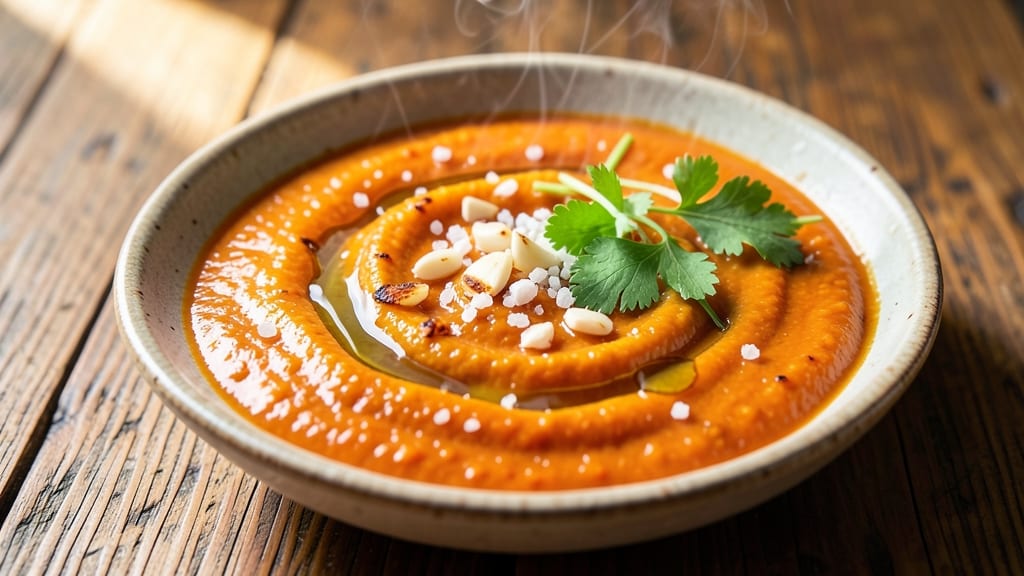
This anticuchera sauce recipe transforms simple grilled skewers into a burst of Peruvian street food magic—smoky, tangy, and impossible to resist. The secret lies in aji amarillo paste, white vinegar, and garlic that simmer into a vibrant, slightly spicy sauce with a velvety texture.
I developed this version after years of testing, balancing traditional flavors with a modern touch that works equally well on anticuchos, grilled meats, or even as a marinade.
The sauce begins with a fragrant base of garlic and aji amarillo, the signature yellow Peruvian chili that gives it its signature golden hue. White vinegar cuts through the richness, while a touch of sugar and salt rounds out the flavors.
The key is simmering gently to let the ingredients meld without losing their bright, fresh character. This isn't just a dipping sauce—it's the soul of the dish, elevating every bite with its complex, layered taste.
What you'll end up with is a glossy, aromatic sauce that clings to grilled meats like a second skin, delivering a perfect balance of heat, acidity, and umami. The smoky notes from the aji amarillo deepen as it cooks, while the vinegar keeps it bright and tangy.
It's the kind of sauce that transforms a simple skewer into a restaurant-worthy experience, all while staying true to its Peruvian roots.
Perfect for serving with anticuchos, grilled chicken, or even as a marinade for beef strips. This sauce keeps well in the refrigerator for up to a week, making it ideal for meal prep or entertaining. Let's get started—your taste buds will thank you.
Ingredients for anticuchera sauce
Eight ingredients, bold Peruvian flavors—this sauce turns grilled skewers into unforgettable bites.
| Ingredient | Amount | Notes |
|---|---|---|
| Aji Amarillo Paste 🌶️ | ½ cup | Peruvian yellow chili paste |
| White Vinegar 🍶 | ½ cup | Distilled or apple cider |
| Garlic Cloves 🧄 | 6 cloves | Fresh, minced or finely chopped |
| Granulated Sugar 🍚 | 1 tbsp | Balances acidity and heat |
| Kosher Salt 🧂 | 1 tsp | Diamond Crystal preferred |
| Olive Oil 🫒 | 2 tbsp | Extra-virgin for richness |
| Ground Black Pepper 🌶️ | ½ tsp | Freshly ground preferred |
| Red Wine Vinegar 🍷 | 1 tbsp | For depth of flavor |
| Fresh Cilantro Leaves 🌿 | ¼ cup | Chopped, for garnish |
| Water 💧 | ¼ cup | For thinning if needed |
The aji amarillo paste is the heart of this sauce, so don't skimp. You can find it at Latin markets or well-stocked grocery stores like Whole Foods or H Mart. If you can't find it, yellow bell pepper paste is a decent substitute, though it won't have the same depth. The garlic should be fresh—no dried or powdered substitutes here. For the vinegar, white vinegar is traditional, but apple cider vinegar adds a nice fruity note if you prefer. I always grab extra garlic because it's the base flavor that ties everything together.
No aji amarillo? Yellow bell pepper paste or sweet paprika can stand in, but expect a milder flavor. The red wine vinegar is optional but adds complexity—white vinegar alone works if that's all you have. Fresh cilantro is ideal, but dried oregano at half the amount works in a pinch. If the sauce thickens too much, just add a splash of water or vinegar to loosen it up. The sugar and salt are non-negotiable—they balance the acidity and heat perfectly. Trust me, the sauce tastes even better the next day as the flavors meld together.
This sauce keeps beautifully in the fridge for up to 1 week, sealed in a jar with a thin layer of olive oil on top to preserve freshness. For longer storage, freeze it in ice cube trays—just thaw and stir before using. I like to make a big batch because it's perfect for meal prep. It pairs beautifully with anticuchos, grilled chicken, or even as a marinade for beef strips. The sauce thickens as it cools, so don't worry if it looks too thin while cooking.
Why You'll Love This Recipe
- Pan-Friendly Magic: I swear by this sauce because it’s one bowl, one heat source—no blender, no strainer, just a quick simmer. The aji amarillo paste dissolves like a dream, and the vinegar cuts through the richness without overpowering. Honestly, I’ve made it on a camping stove, a tiny apartment burner, and even a double boiler when I was lazy.
- Umami Bomb: That first hit of garlic and aji amarillo? It’s like a flavor grenade in the best way—bright, tangy, with just enough heat to linger. The sugar balances the acidity so perfectly, it’s the kind of sauce that makes you pause mid-bite to savor it. (Yes, even on a Tuesday night.)
- Sauce for Everything: This isn’t just for anticuchos—drizzle it over grilled chicken, toss it with roasted potatoes, or use it as a marinade. I’ve even glopped it on avocado toast when I was desperate. It’s the kind of versatile sauce that turns ordinary meals into something special without trying too hard.
- Pantry Goldmine: Between us, this recipe costs next to nothing—aji amarillo paste is cheap, and the rest are staples. A single batch stretches for days, and it keeps like a champ in the fridge. I’ll be real: I’ve had it last a full week, and it only gets better as the flavors meld. Budget-friendly? More like budget hero.
Step-by-step instructions for anticuchera sauce
Here's how to make this vibrant sauce that brings bold Peruvian flavors to life.
Sauté the Garlic in Olive Oil
Heat the 2 tablespoons olive oil in a medium saucepan over medium-low heat. Add the 6 cloves garlic cloves, minced or finely chopped, and sauté for 2-3 minutes until they turn golden and fragrant. Be careful not to let them brown too much—they should smell sweet and nutty, not bitter. This step builds the aromatic foundation of your sauce, so don't rush it.
Here's the thing—if your garlic starts to sizzle too aggressively, immediately reduce the heat to low. Garlic burns quickly and can turn acrid, ruining the delicate balance of flavors you're working toward. The goal is to infuse the oil with garlic's essence without overpowering it.
Add Aji Amarillo Paste and Vinegars
Lower the heat to medium-low and add the 0.5 cup aji amarillo paste. Stir continuously for 2 minutes until the paste is fully incorporated and the mixture begins to simmer gently. Next, pour in the 0.5 cup white vinegar and 1 tablespoon red wine vinegar, stirring to combine. You'll notice the sauce thicken slightly as the vinegars begin to cook off.
The aji amarillo paste is where the magic happens—its smoky, slightly sweet heat will transform your sauce. If you're using a high-quality paste, you'll taste its depth immediately. Let the mixture simmer for 3-4 minutes until it starts to bubble gently and the raw vinegar smell dissipates. This step reduces the acidity and deepens the flavor profile.
Balance with Sugar and Seasonings
Add the 1 tablespoon granulated sugar, 1 teaspoon kosher salt, and 0.5 teaspoon ground black pepper to the saucepan. Stir well to dissolve the sugar completely—this balances the acidity and heat from the vinegars and aji amarillo. Let the mixture simmer for another 4-5 minutes, stirring occasionally, until it reaches your desired consistency. You're aiming for a smooth, slightly thick sauce that coats the back of a spoon.
Taste the sauce at this stage. It should be tangy, slightly sweet, and packed with smoky depth. If it's too thick, add 1-2 tablespoons of water at a time until it reaches a pourable consistency. The sugar will help round out the flavors, while the salt and pepper ensure everything is well-balanced. This is where you fine-tune the sauce to perfection.
Finish with Fresh Cilantro
Remove the saucepan from heat and stir in the 0.25 cup fresh cilantro leaves, chopped. Let the sauce sit for 5 minutes to allow the cilantro to infuse its bright, herbaceous flavor. This step adds a fresh contrast to the smoky, tangy base. If you prefer a smoother sauce, you can strain out the cilantro after infusion, but I like to leave it in for texture and color.
Here's a pro tip: If you're serving the sauce immediately, garnish each portion with an extra sprinkle of cilantro. The fresh herb will brighten the dish and make it look as vibrant as it tastes. Let the sauce cool slightly before serving—this allows the flavors to meld even more, resulting in a more cohesive and delicious final product.
Pro Tips For Making Anticuchera Sauce
- Bloom the Aji Amarillo: Heat the paste in a saucepan with 2 tablespoons of water first—just until it smells fragrant and the oil starts separating. Skipping this step leaves your sauce tasting raw and bitter, like eating a chili pepper straight from the jar.
- Toast the Garlic: Sauté the minced garlic in a dry pan for 30 seconds until it’s golden, not browned—just enough to wake up its flavor. I learned this the hard way when my sauce tasted flat because I rushed it into the vinegar too soon.
- Balance the Vinegar: Start with half the vinegar called for, taste, then add the rest gradually. Too much upfront makes your sauce taste like a pickle, and you’ll regret it later when you’re left scrambling for sweetness.
- Simmer, Don’t Boil: Keep the sauce at a gentle bubble—tiny, controlled movements—never a rolling boil. Boiling turns vinegar harsh and burns the sugar, leaving you with a bitter, one-note sauce instead of the bright, balanced one you want.
Troubleshooting this dish
Sauce Too Thin?
If your sauce ends up too thin after simmering, don’t panic—this is easily fixed. Reduce the heat to low and let it cook uncovered for 5-7 minutes, stirring occasionally. The vinegar and water will evaporate, thickening the sauce naturally.
For an instant fix, mix 1 teaspoon cornstarch with 1 tablespoon cold water, stir into the sauce, and simmer for 2 more minutes until it reaches your desired consistency. 🔥
Sauce Too Thick?
Thick sauce happens when vinegar cooks off too much or you forgot to thin it earlier. Add 1-2 tablespoons of water or vinegar at a time, stirring constantly, until it reaches a smooth, pourable consistency.
If it’s still too thick, simmer it uncovered for 1-2 minutes to let excess liquid evaporate naturally. Avoid over-thinning—this sauce should coat the back of a spoon but still be spreadable.
Garlic Burns Too Quickly
Burnt garlic ruins the delicate balance of flavors in this sauce. To prevent this, use medium-low heat and keep stirring constantly. If the garlic starts to brown too fast, immediately reduce heat to low or remove the pan from heat for 30 seconds to cool slightly.
Freshly minced garlic cooks faster than pre-minced—always chop your own for best results. 🧄
Lacking Depth of Flavor
If your sauce tastes flat, it might need more complexity. Try adding ½ teaspoon smoked paprika or 1 teaspoon soy sauce for umami depth. For extra brightness, squeeze in ½ teaspoon lemon juice.
Let the sauce sit for 10-15 minutes off heat—flavors often meld better after resting. If using store-bought aji amarillo paste, opt for a high-quality brand like La Costeña or Pisco for richer results.
Sauce Separates or Looks Oily
This usually happens when vinegar and oil aren’t properly emulsified. To fix it, whisk in 1 tablespoon of water or vinegar while the sauce is still warm.
For a smoother texture, blend the sauce briefly in a blender or food processor, then strain through a fine-mesh sieve to remove any separated oil. Stirring vigorously while hot can also help re-emulsify the ingredients naturally.
Too Spicy or Bitter
If the heat or bitterness overpowers the sauce, balance it with ½ teaspoon more sugar or 1 teaspoon honey. For bitterness, add ½ teaspoon lemon juice to brighten the flavors. If using a very strong aji amarillo paste, reduce the amount to ¼ cup next time.
Taste as you go—this sauce is all about balance, and adjustments are easy while it’s still cooking.
Nutrition facts
Frequently asked questions
Can I make this sauce without aji amarillo?
Yes, but the flavor will be different. Use ½ cup yellow bell pepper paste or ¼ cup sweet paprika mixed with 1 teaspoon smoked paprika for depth. The sauce will be milder and less smoky, but still delicious. For extra heat, add ¼ teaspoon cayenne pepper or a pinch of red pepper flakes.
How long does homemade anticuchera sauce last?
Store it in an airtight container in the fridge for up to 1 week. For longer storage, freeze in ice cube trays—thaw and stir before using. The sauce actually improves after 24 hours as flavors meld. Always keep a thin layer of olive oil on top to preserve freshness and prevent oxidation.
Is this sauce spicy? Can I adjust the heat?
The heat comes from aji amarillo paste, which varies in spice level. For milder sauce, reduce paste to ¼ cup and add ½ teaspoon honey to balance. For extra heat, increase paste to ⅔ cup and add ¼ teaspoon cayenne. Always taste as you go—this sauce is highly customizable!
What's the best way to serve this sauce?
Drizzle over grilled anticuchos, beef skewers, or chicken. It also works as a marinade for 2-3 hours before grilling. For appetizers, serve with plantain chips or fresh bread. The sauce pairs perfectly with cold beers or Peruvian pisco sours. Don't be afraid to experiment—it's versatile!
Why does my sauce look oily after cooking?
This happens when vinegar and oil separate. Fix it by whisking in 1 tablespoon warm water or vinegar while stirring vigorously. For a smoother texture, blend briefly or strain through a fine-mesh sieve. The sauce should emulsify naturally as it cools. This is normal and easily corrected!