
Sauces & Condiments
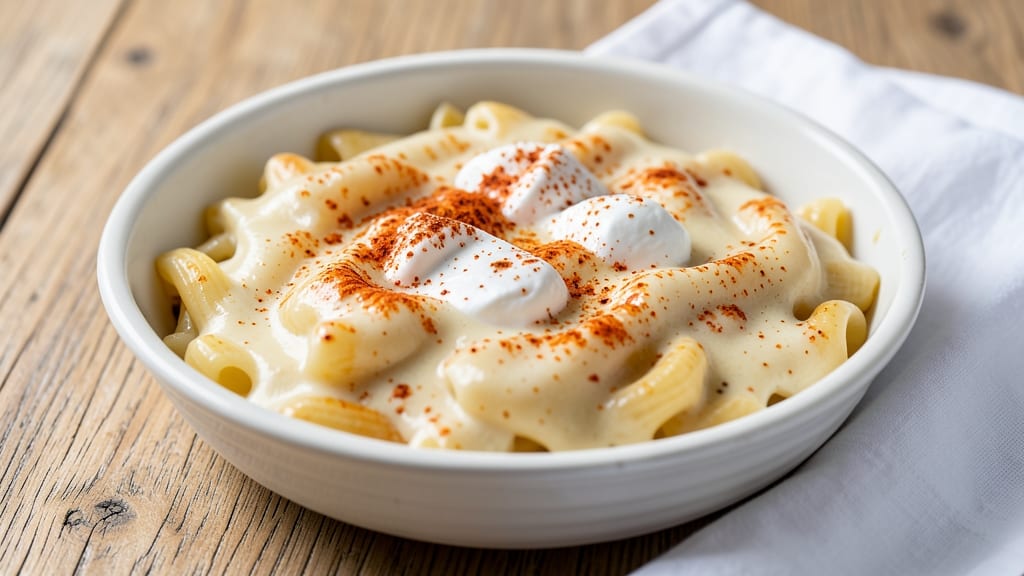
This Annie's Mac and Cheese sauce recipe delivers the creamy, cheesy perfection you crave with a velvety three-cheese blend that coats every noodle beautifully. The secret lies in a rich roux base and perfectly balanced cheeses that create a sauce so smooth it feels like a hug in every bite.
I've perfected this version to be foolproof—no lumps, no separation, just pure cheesy goodness that pairs perfectly with any pasta.
The foundation starts with a classic roux made from butter and flour, cooked just until golden to form the perfect thickening agent. Then comes the cheese trio—sharp cheddar for tang, creamy Gruyère for depth, and a touch of cream cheese for that signature velvety texture.
The sauce is finished with a splash of milk to create that signature smooth consistency that clings to every strand of pasta.
What makes this sauce truly special is how it transforms ordinary mac and cheese into a restaurant-quality dish. The blend of cheeses creates complex flavors that balance perfectly—creamy, tangy, and just a little nutty from the Gruyère.
Each spoonful delivers that rich, cheesy satisfaction without being overly heavy, making it ideal for both weeknight dinners and special occasions.
The best part? This sauce keeps beautifully in the refrigerator for up to five days, allowing you to make a big batch for the week.
Whether you're serving it over elbow macaroni, mixing it into baked dishes, or using it as a creamy sauce for vegetables, this recipe delivers consistent, delicious results every time.
Ingredients for annie's mac and cheese sauce
Eight ingredients transform into velvety, restaurant-quality mac and cheese sauce every time.
| Ingredient | Amount | Notes |
|---|---|---|
| Unsalted Butter 🧈 | ¾ cup | Cold, cubed for roux |
| All-Purpose Flour 🌾 | ¾ cup | Sifted for smooth sauce |
| Sharp White Cheddar Cheese 🧀 | 2 cups | Shredded, block preferred |
| Gruyère Cheese 🧀 | 1 cup | Shredded, aged for best flavor |
| Cream Cheese 🧈 | 4 oz | Full-fat for creaminess |
| Whole Milk 🥛 | 1 ½ cups | Room temperature preferred |
| Yellow Elbow Macaroni 🍝 | 1 lb | Cooked al dente |
| Diamond Crystal Kosher Salt 🧂 | 1 ½ tsp | Adjust to taste |
| Freshly Ground Black Pepper 🌶️ | ½ tsp | Freshly cracked |
| Nutritional Yeast 🍃 | 2 tbsp | Optional for umami boost |
The cheese makes or breaks this sauce. Sharp white cheddar gives that signature tang, while Gruyère adds nutty depth—don't substitute with mild cheddar. I always grab Kraft 2-year aged for the cheddar and imported Gruyère from Whole Foods if I'm feeling fancy. The cream cheese is non-negotiable for that signature velvety texture. For the butter, Plugrá or Land O'Lakes work perfectly, but avoid salted—we're controlling the seasoning. If you're in a pinch, Earth Balance vegan butter works too, though the flavor won't be identical.
No Gruyère? Parmesan at half the amount gets you close, but you'll lose that nutty complexity. Running low on elbow macaroni? Any short pasta shape works—penne, cavatappi, even rotini. The flour matters here—King Arthur all-purpose gives the best texture, but Gold Medal is fine. For a dairy-free version, swap the milk for unsweetened almond milk and use vegan cream cheese. The nutritional yeast is optional but adds that cheesy umami kick without extra fat—worth keeping on hand if you make this often.
This sauce reheats beautifully—just add a splash of milk if it gets too thick. Keeps for 5 days in the fridge, covered tightly. For longer storage, freeze portions for up to 3 months. I always make double batches because it disappears fast. The best part? It tastes even better the next day as all the flavors meld together. Store leftovers in an airtight container with a piece of parchment paper pressed against the surface to prevent a skin from forming.
Why You'll Love This Recipe
- No-Fuss Roux: I swear by the butter-flour base here—just melt, whisk, cook until golden. No fancy techniques, no waiting for hours; that velvety roux builds flavor in minutes while I chop veggies or set the table. Honestly, the hardest part is resisting the urge to taste it mid-cook.
- Cheese Love Bomb: Sharp cheddar and Gruyère? That’s a match made in heaven. The creamy tang from cream cheese ties it all together—rich but not heavy, with just enough bite to make you reach for another bite. (Yes, even on a Tuesday night.)
- Leftovers That Don’t Suck: This sauce reheats like a dream, keeping its creamy texture instead of turning gloppy. I make a double batch on Sundays, freeze half, and pull it out for lazy nights or last-minute potlucks. No one ever guesses it’s from the freezer.
- Budget-Friendly Luxury: Five ingredients, all pantry staples (or cheap to grab). The Gruyère is the star, but a little goes a long way—you won’t need a fancy cheese drawer to make this taste like you spent hours in the kitchen. My daughter picks out the cheddar blocks at the store, but still asks for seconds.
Step-by-step instructions for annie's mac and cheese sauce
Here's how to craft a velvety, three-cheese sauce that clings perfectly to every noodle.
Make the Perfect Roux
In a heavy-bottomed saucepan, melt the 0.75 cup unsalted butter over medium heat. Once fully melted and foaming subsides, add the 0.75 cup all-purpose flour all at once. Immediately stir vigorously with a wooden spoon to prevent lumps from forming. You're creating a roux—the foundation of your sauce.
Cook the mixture for 3-4 minutes, stirring constantly, until it turns a rich, golden brown color. This color change indicates the flour has fully cooked and lost its raw taste. The roux should smell nutty and be thick enough to coat the back of a spoon. If it starts to darken too quickly, reduce the heat slightly to maintain that perfect golden hue.
Gradually Add Milk for a Smooth Sauce
Slowly pour in the 1.5 cups whole milk while whisking continuously to prevent clumping. The mixture will thicken immediately as the milk absorbs into the roux. Keep whisking for 5-7 minutes over medium-low heat until the sauce becomes smooth and thickens enough to coat the back of a spoon.
This gradual addition is crucial—adding milk too quickly creates lumps that are nearly impossible to fix. You'll know it's ready when the sauce holds its shape when you draw your finger through it, leaving a clean line that doesn't fill back in immediately. Keep an eye on it; the sauce should never boil or it will develop a floury taste.
Incorporate the Cheese Blend
Reduce the heat to low and begin adding the cheeses in stages. First, stir in the 4 oz cream cheese until completely melted and smooth. Then, gradually add the 2 cups sharp white cheddar cheese and 1 cup gruyère cheese, folding each addition until fully incorporated before adding the next.
The gruyère adds a nutty depth that balances the sharpness of the cheddar, while the cream cheese creates that signature velvety texture. Stir constantly to prevent any cheese from clumping. If the sauce starts to thicken too much, whisk in 1-2 tablespoons of milk at a time until you reach a creamy, spoonable consistency. The final sauce should coat the back of a spoon but still be pourable.
Season and Finish with Nutritional Yeast
Remove the sauce from heat and stir in the 1.5 tsp diamond crystal kosher salt, 0.5 tsp freshly ground black pepper, and 2 tbsp nutritional yeast. The nutritional yeast adds an umami richness that elevates the dish from ordinary to extraordinary. Taste and adjust the seasoning—this is where you can really make the sauce your own.
Let the sauce rest for 5 minutes off the heat. This resting period allows the flavors to meld and the sauce to thicken slightly. The final texture should be luxurious and clingy, ready to coat every strand of pasta perfectly. If you're making this ahead, now is the time to cover and keep it warm until serving.
Combine with Cooked Pasta
Cook the 1 lb yellow elbow macaroni according to package instructions until al dente—about 1 minute less than recommended. Drain and immediately transfer to the saucepan with the cheese sauce. Toss gently but thoroughly to coat each noodle evenly with the velvety sauce.
For the best results, let the mac and cheese sit for 2-3 minutes before serving. This gives the sauce time to fully absorb into the pasta, creating that perfect balance of creamy sauce and tender noodles. Serve immediately while hot, and watch as everyone digs in for seconds.
Pro Tips For Making Annie'S Mac And Cheese Sauce
- Whisk Like Your Life Depends On It: When you melt the butter and add the flour, don’t just stir—whisk aggressively for 2-3 minutes until the roux turns a pale golden color. I used to rush this, and the sauce always tasted flat. This step builds flavor and prevents a chalky finish.
- Grate Cheese Like a Pro: Use a box grater for the cheddar and Gruyère—no pre-shredded cheese. The waxy anti-caking agents in bagged cheese make the sauce grainy. If you’re lazy, pulse pre-shredded in a food processor, but it won’t be the same.
- Temper the Cream Cheese: Warm the cream cheese slightly (30 seconds in the microwave or a bowl over hot water) before mixing it into the sauce. Cold lumps will turn your creamy sauce into a sad, streaky mess. Trust me, it’s worth the 30 seconds.
- Salt the Butter First: Add a pinch of salt to the butter before melting it—it’s the first layer of flavor. The unsalted butter alone won’t give enough seasoning, and you’ll end up playing catch-up later. Do it now, or regret it later.
Storing and reheating this recipe
Fridge Storage Tips
Store your leftover mac and cheese sauce in an airtight glass container with a tight-fitting lid. I always press a piece of parchment paper directly on the sauce surface before sealing to prevent that dreaded skin from forming.
Keep it refrigerated for up to 5 days—the flavors actually deepen overnight as the cheeses meld together beautifully. 🧂
Freezing for Later
For longer storage, portion the sauce into freezer-safe containers or heavy-duty freezer bags, leaving 1-inch headspace for expansion. I recommend freezing in 1-cup portions for easy single-serving reheats. Label with the date and freeze for up to 3 months—the texture remains creamy when thawed properly. 🥶
Stovetop Reheating
When reheating, transfer the sauce to a saucepan over medium-low heat and add 1-2 tablespoons of milk if it looks too thick. Stir constantly for 5-7 minutes until fully heated through (165°F internal temperature).
The gentle heat prevents the cheese from separating. For best results, I like to reheat just until warmed through—overheating can make the sauce grainy. ✨
Microwave Method
For quick reheats, transfer sauce to a microwave-safe bowl and cover loosely with a paper towel. Heat on 50% power for 2-3 minutes, stirring halfway, until hot.
Add a splash of milk if needed to restore creaminess. This method works well for single servings but can make the sauce slightly thinner than stovetop reheating. 🔥
Reviving Thick Sauce
If your sauce thickens too much after storage, simply whisk in 1 tablespoon of milk at a time until you reach that perfect velvety consistency. For extra richness, I sometimes add 1 teaspoon of butter while reheating.
The key is patience—let the sauce sit for 2-3 minutes off heat after reheating to let flavors rebalance. 💫
Make-Ahead Sauce
Make this sauce 24 hours ahead for even better flavor development. Store it in the fridge, then reheat gently before combining with pasta. I always double the batch because it disappears fast—perfect for meal prep! The sauce keeps its creamy texture beautifully when stored properly. 💡
Nutrition facts
Frequently asked questions
Can I make this sauce without cream cheese?
Yes, but the texture will be slightly less velvety. Replace the 4 oz cream cheese with an extra 0.5 cup of milk and 0.5 cup of shredded Gruyère for a closer flavor profile. The sauce will still be creamy, just with a bit more body from the extra cheese. For a dairy-free version, use vegan cream cheese or cashew cream instead.
Why did my sauce get lumpy?
Lumps usually happen when milk is added too quickly to the roux or when cheese isn't incorporated slowly. Always whisk continuously when adding milk, and melt cheeses gradually over low heat. If lumps appear, immediately blend the sauce with an immersion blender or strain through a fine-mesh sieve for a silky finish.
How can I make this sauce spicier?
Add ½ teaspoon of cayenne pepper or 1 teaspoon of smoked paprika when seasoning, then adjust to taste. For heat without dryness, stir in 1-2 tablespoons of hot sauce or a dash of chili flakes at the end. Remember, cheddar cheese already has a natural sharpness that pairs well with mild heat.
Can I use this sauce for dishes other than mac and cheese?
This versatile sauce works perfectly as a creamy dip for veggie sticks, a topping for baked potatoes, or even a filling for cheesy stuffed shells. For baked dishes, add a splash of milk before baking to prevent the cheese from separating. The nutty Gruyère also makes it great for grilled cheese sandwiches or cheesy breadsticks.
What's the best way to reheat leftovers?
For creamiest results, reheat on the stovetop over medium-low heat with 1-2 tablespoons of milk to restore smoothness. Stir constantly and remove from heat just before it reaches 165°F to prevent graininess. Microwave reheating works in a pinch, but add a splash of milk afterward to fix any separation. Always let reheated sauce rest for 2-3 minutes before serving.