
Sauces & Condiments
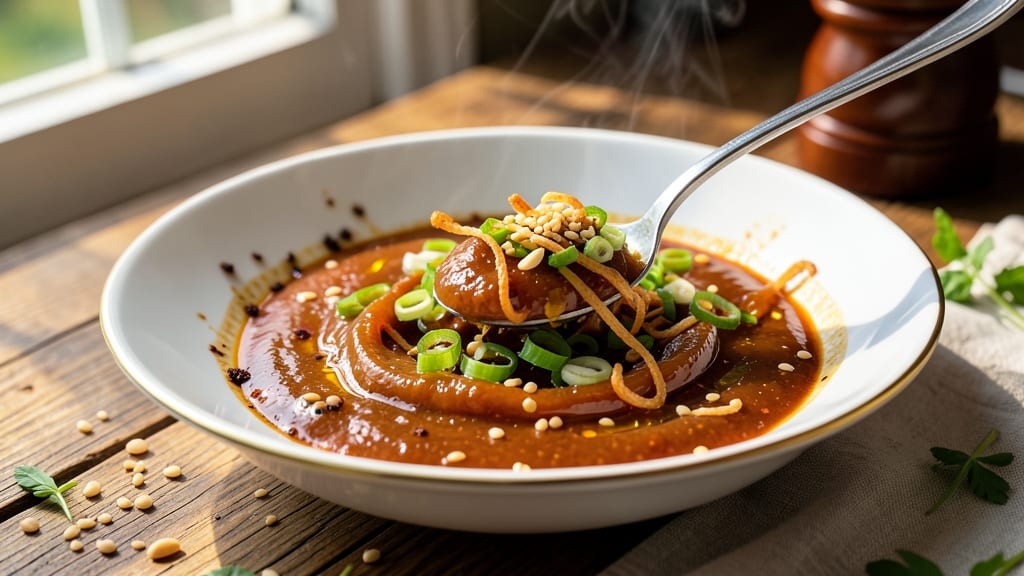
This Annie Chun's Pad Thai sauce recipe delivers the same balanced sweet-sour umami flavor you love in minutes, with a homemade version that's far more vibrant and customizable.
The secret lies in the perfect harmony of tamarind paste for tang, fish sauce for umami depth, and just the right amount of sugar to create that signature Thai sweetness. I've refined this recipe over countless stir-fry sessions to ensure every spoonful captures that restaurant-quality taste without the artificial aftertaste.
The beauty of making your own sauce is complete control over the flavor profile—no more guessing what's in those bottled versions. With just 7 simple ingredients and 15 minutes of prep time, you'll create a sauce that's rich, glossy, and packed with authentic Thai flavors.
The sauce thickens as it cooks, creating that perfect consistency for tossing with noodles or drizzling over proteins.
What makes this version special is how it balances all the essential elements: the tangy brightness of tamarind, the savory punch of fish sauce, and the subtle sweetness that makes pad thai irresistible.
What you'll end up with is a versatile sauce that elevates any pad thai dish—whether you're using fresh rice noodles or traditional egg noodles.
The sauce keeps well in the refrigerator for up to 2 weeks, making it perfect for meal prep or when you want to recreate that restaurant experience at home.
Each batch delivers that perfect harmony of flavors that makes pad thai so universally loved, with none of the artificial additives found in store-bought versions.
This sauce works equally well as a marinade for chicken or shrimp, a dipping sauce for spring rolls, or the star of your homemade pad thai. The recipe scales easily, so you can make a big batch and store it for future meals.
Let's get started on creating that authentic pad thai flavor at home.
Ingredients for annie chun's pad thai sauce
Seven ingredients, one magical sauce—this is your shortcut to Annie Chun's signature pad thai flavor.
| Ingredient | Amount | Notes |
|---|---|---|
| Tamarind Paste 🍈 | ½ cup | Unadulterated, no sugar added |
| Fish Sauce 🐟 | ⅓ cup | Red Boat preferred for quality |
| Brown Sugar 🍚 | ¼ cup | Light or dark, packed |
| Rice Vinegar 🍶 | ¼ cup | White or seasoned variety |
| Soy Sauce 🥢 | ¼ cup | Light or regular, not low-sodium |
| Sesame Oil 🌰 | 1 tbsp | Toasted, for aroma |
| Garlic Cloves 🧄 | 3 cloves | Minced, for depth |
Tamarind paste is the star here—Red Boat tamarind is my go-to, but any unadulterated paste works. Look for thick, sticky paste with no added sugar. If you can't find tamarind paste, tamarind concentrate from Latin markets is a great alternative. The fish sauce? Red Boat is worth the splurge—it's clean, salty, and packed with umami. No need for fancy brands on the rest, though. The brown sugar should be packed into the measuring cup for accuracy. I always grab the Domino brand because it's reliable and affordable.
No tamarind paste? Lime juice plus a pinch of sugar gets you close, though it won't be identical. Swap soy sauce for coconut aminos if you're avoiding gluten. Sesame oil missing? Toasted peanut oil adds a similar nuttiness. The garlic is non-negotiable—it's what gives the sauce that authentic depth. If you're short on time, garlic powder at half the amount works in a pinch, but fresh is always better. The rice vinegar adds that bright tang—don't skip it, even if you're not a fan of vinegar flavors.
This sauce keeps for 2 weeks in the fridge, sealed tightly in a jar. The flavors actually improve over time, so make extra if you can. For meal prep, I freeze portions in ice cube trays—just thaw and stir when ready to use. The sauce thickens as it cooks, so if it seems too thin, simmer it longer. If you make a big batch, divide it into containers so you always have some ready. Trust me, you'll want to make this again and again.
Why You'll Love This Recipe
- Five-Ingredient Magic: I swear, this sauce is the closest I’ve gotten to restaurant-quality Pad Thai without a single headache. Just stir tamarind, fish sauce, brown sugar, rice vinegar, and soy sauce—no peeling garlic or chopping herbs required. That tangy-sweet balance? Pure alchemy.
- Umami Bomb: The fish sauce and soy sauce team up to deliver a salty depth that sticks to your ribs. Honestly, I’ve tried store-bought sauces, but this homemade version has a complexity—like a secret handshake of Thai flavors—you just can’t buy.
- Weeknight Superstar: This sauce doubles as my go-to for quick stir-fries, marinades, or even a drizzle over grilled chicken. (Yes, even on a Tuesday night.) The rice vinegar keeps it bright, so it works for lunchboxes or last-minute takeout vibes.
- Budget-Friendly Staple: A jar of tamarind paste and a bottle of fish sauce last me months, and this recipe costs pennies per serving. Between us, I’ve made it for date nights, potlucks, and my kid’s “I’m not hungry but I’ll eat if it’s fun” phase—zero guilt.
Step-by-step instructions for Annie Chun's pad Thai sauce
Here's how to create that signature sweet-sour umami balance in just minutes.
Combine Wet Ingredients in a Saucepan
In a medium saucepan, whisk together the 0.5 cup tamarind paste with the 0.33 cup fish sauce until fully dissolved. I like to use a fork for this step—it helps break up any lumps in the tamarind paste. Add the 0.25 cup brown sugar and stir until it melts completely into the mixture. You're looking for a smooth, thick consistency at this point.
The tamarind paste gives that signature tangy depth, while the fish sauce brings the umami punch. Don't rush this step—properly dissolving the tamarind ensures your sauce won't be grainy. If you're using a particularly thick tamarind paste, you might need to warm the mixture gently over low heat for about 1 minute to help it incorporate smoothly.
Add Vinegar and Soy Sauce
Once the tamarind and sugar are fully combined, pour in the 0.25 cup rice vinegar and 0.25 cup soy sauce. Stir well to incorporate these acidic and salty elements. The mixture will become slightly thinner as you combine everything. Let it simmer gently over medium-low heat for about 3-4 minutes, stirring occasionally.
This is where the sauce starts to come together. The vinegar brightens the flavors while the soy sauce adds another layer of saltiness. You'll notice the aroma becoming more complex as the ingredients meld. Keep the heat low—you don't want to reduce the sauce yet, just let the flavors marry. The sauce should be smooth with no visible sugar crystals remaining.
Incorporate Garlic and Sesame Oil
After about 3 minutes of simmering, add the 3 minced garlic cloves and stir for 30 seconds until fragrant. Immediately remove the pan from heat and stir in the 1 tablespoon sesame oil. The garlic should be cooked just enough to release its aroma without burning.
Here's the thing—garlic burns quickly, so don't let it sit in the sauce too long. The sesame oil adds that nutty aroma that's essential to authentic Pad Thai flavor. Stirring it in off the heat preserves its delicate flavor. At this point, your sauce should have a thick, glossy consistency with a beautiful balance of sweet, sour, salty, and umami notes.
Adjust Seasoning and Texture
Taste your sauce and adjust the seasoning if needed. You might want to add a pinch more salt if it needs more depth, or a splash of water if it's too thick. The sauce should coat the back of a spoon but still be pourable. If it's too thick, add 1-2 tablespoons of water at a time until you reach the right consistency.
This is your chance to perfect the balance. Authentic Pad Thai sauce has that perfect harmony of flavors—sweet from the tamarind and sugar, tangy from the vinegar, salty from the fish sauce and soy sauce, and aromatic from the garlic and sesame oil. If it tastes too sweet, add a bit more fish sauce. If it's too sour, a touch more brown sugar will help balance it out. The sauce should be vibrant and complex, not one-dimensional.
Pro Tips For Making Annie Chun'S Pad Thai Sauce
- DILUTE THE TAMARIND FIRST: Tamarind paste is stubborn—just dumping it in will leave you with clumps that ruin the sauce. Mix it with 1/4 cup warm water first, then stir until it’s smooth. I learned this the hard way after scraping gummy bits out of my sauce for the third time.
- USE LIGHT BROWN SUGAR: Dark brown sugar adds molasses flavor that throws off the delicate balance here. Light brown sugar dissolves cleaner and keeps the sauce bright, not muddy. If you only have dark, sift it first to remove excess grains—it makes a real difference.
- STOP AT 90 SECONDS: Simmer the sauce for exactly 90 seconds—no more, no less. Any longer and the fish sauce’s umami turns bitter. Set a timer and resist the urge to taste-test; your patience will pay off in a perfectly balanced sauce.
- SWAP RICE VINEGAR FOR LEMON: Short on rice vinegar? Use white vinegar + 1 tsp lemon juice instead—it’s the closest substitute without altering the sauce’s tang. Skip the apple cider vinegar; it adds a funky sweetness that doesn’t belong here.
Regional styles of annie chun's pad thai sauce
Thai Street Food Style
This sauce captures the bold, vibrant flavors of street food stalls in Bangkok, where vendors balance sweet, sour, and umami in every bite. The key is using Red Boat fish sauce—its clean, salty profile is essential for that authentic street food punch.
I always add an extra pinch of salt at the end if I want that extra depth, just like the vendors do. The sauce should be glossy and coat the back of a spoon, perfect for tossing with fresh rice noodles or shrimp. 🌶️
Northern Thai Adaptation
For a Northern Thai twist, reduce the brown sugar by 1 tablespoon and add 1 teaspoon of lime zest along with the rice vinegar. This version leans more toward tangy and herbal, inspired by the mountainous regions where herbs like lemongrass and kaffir lime are staples.
The lime zest adds a bright, citrusy note that balances the tamarind's tartness beautifully. Serve this version with grilled chicken or tofu for a lighter take.
Southern Thai Fusion
Southern Thai cuisine loves coconut milk, so for a fusion version, stir in 2 tablespoons of coconut milk at the end while the sauce is still warm. This creates a creamy, slightly tropical flavor profile that works wonderfully with seafood like shrimp or squid.
The coconut milk also mellows out the tanginess slightly, making it ideal for those who prefer a smoother sauce. Garnish with fresh cilantro and crushed peanuts for extra texture. 🥥
Vietnamese-Inspired Variation
To give this sauce a Vietnamese-inspired twist, swap the rice vinegar for 2 tablespoons of fish sauce (in addition to the original amount) and add 1 teaspoon of sugar-free fish sauce (like Red Boat).
This version is saltier and more complex, reminiscent of the bold flavors in Vietnamese pho or bun cha. The extra fish sauce adds that signature umami depth that Vietnamese cuisine is known for. Pair this with grilled pork or rice paper rolls for a delicious fusion.
Balinese-Inspired Sweetness
For a Balinese-inspired touch, replace the brown sugar with palm sugar (available at Asian markets) and add ½ teaspoon of ground turmeric for a warm, earthy note. Palm sugar caramelizes beautifully, adding a deeper sweetness that's characteristic of Balinese cuisine.
This version works perfectly with grilled chicken satay or as a dipping sauce for lumpia. The turmeric also gives it a beautiful golden hue, making it as visually appealing as it is delicious. 🌺
Nutrition facts
Frequently asked questions
Can I make this sauce without tamarind paste?
Yes! For a quick substitute, mix ¼ cup lime juice with 1 tablespoon brown sugar to mimic tamarind's tangy-sweet balance. The sauce will be brighter but still delicious. For deeper flavor, try 1 tablespoon tamarind concentrate (diluted with water) from Latin markets. Remember, tamarind paste gives that signature complex depth, so substitutes won't be identical but work in a pinch.
How long can I store homemade pad thai sauce?
This sauce stays fresh for 2 weeks in an airtight container in the refrigerator. For longer storage, freeze portions in ice cube trays—thaw and stir when ready to use. The flavors actually improve over time, so making a big batch is worth it. Just check for any separation (normal) and stir well before using. If mold appears or the smell changes, discard it.
Why does my sauce taste too salty?
Fish sauce and soy sauce are the main culprits! Balance it by adding 1-2 teaspoons of brown sugar or 1 tablespoon rice vinegar to cut the saltiness. If it's still too strong, thin with 1 tablespoon water and taste again. The key is gradual adjustments—add just a little at a time. Remember, the sauce should be complex, not overwhelming. Start with the original recipe and adjust only if needed.
Can I use this sauce for other dishes besides pad thai?
This versatile sauce works perfectly for stir-fries, marinades (especially for chicken or shrimp), dipping sauces for spring rolls, or even as a glaze for grilled meats. The sweet-sour balance makes it great for rice bowls or noodle dishes. Just remember that the sauce's intensity works best when paired with proteins or vegetables that can stand up to its bold flavors.
What's the best way to thin or thicken the sauce?
For a thicker sauce, simmer it uncovered for 2-3 minutes to reduce. If it's too thick, add 1 tablespoon water at a time while stirring. For a smoother texture, blend briefly with an immersion blender. The ideal consistency should coat the back of a spoon but still be pourable. Pro tip: If you're using it for tossing noodles, a slightly thinner consistency works best for even coating.