
Sauces & Condiments
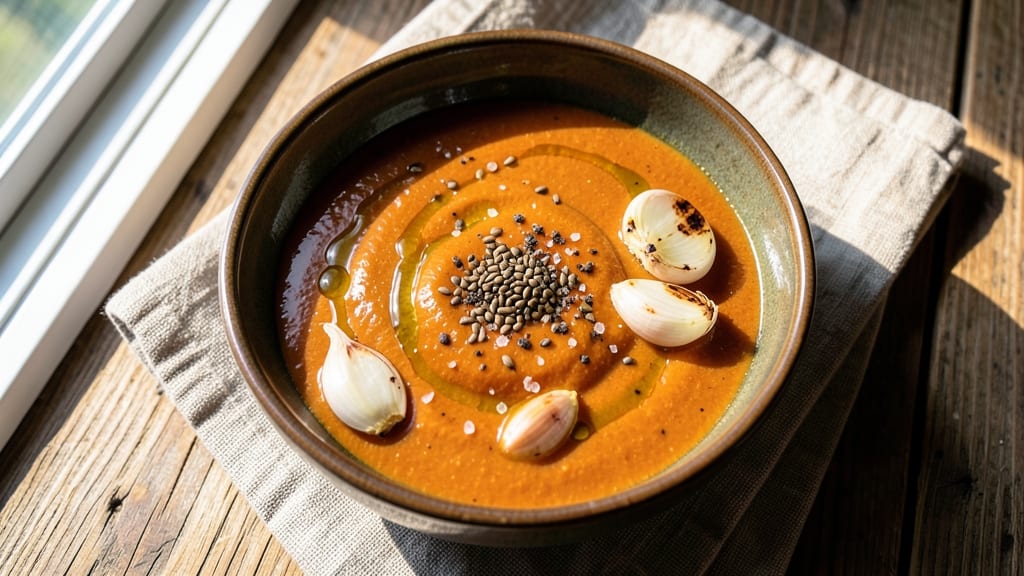
This annatto sauce recipe transforms humble annatto seeds into a vibrant, aromatic glaze that elevates rice, meats, and even plant-based dishes with its deep red hue and subtle earthy flavor. The process is straightforward—simmering seeds in oil or water to extract their natural pigments and infuse them with warmth.
What makes this sauce special is its versatility; it bridges traditional Latin American cooking with modern vegan and vegetarian meals, adding both color and depth without overpowering other ingredients.
The beauty of annatto sauce lies in its simplicity: just a few ingredients—annatto seeds, oil or water, and a touch of acid like vinegar or citrus—create a sauce that’s rich in flavor and easy to customize.
Whether you’re drizzling it over steamed rice, marinating proteins, or brightening up a vegan stir-fry, the result is a dish that looks as impressive as it tastes. The key is patience during infusion, allowing the seeds to release their full potential for a sauce that’s bold yet balanced.
What you’ll end up with is a vibrant red glaze that clings beautifully to grains and proteins, adding a touch of authenticity to any dish. The sauce’s earthy, slightly sweet notes complement everything from hearty stews to delicate fish, making it a pantry staple worth mastering.
Plus, it stores well, so you can make a batch ahead and use it throughout the week—no waste, just flavor.
This recipe isn’t just about the sauce itself; it’s about the transformation it brings to your cooking. Whether you’re recreating a classic Latin American dish or experimenting with a new plant-based recipe, annatto sauce adds a professional touch that’s both striking and delicious.
Let’s get started on creating your own batch—your taste buds (and dinner table) will thank you.
Ingredients for annatto sauce
Four core ingredients transform into a vibrant sauce that adds color and depth to any dish.
| Ingredient | Amount | Notes |
|---|---|---|
| Annatto Seeds 🌶️ | 1 tbsp | Whole seeds for deep color |
| Extra-Virgin Olive Oil 🫒 | 1 cup | High quality for infusion |
| White Vinegar 🍋 | ¼ cup | Balances earthy flavors |
| Garlic Cloves 🧄 | 2 cloves | Minced for aromatic depth |
| Salt 🧂 | ½ tsp | Kosher or sea salt |
| Ground Black Pepper 🌶️ | ¼ tsp | Freshly ground preferred |
| Cumin Seeds 🌿 | ½ tsp | Toasted for warmth |
| Water 💧 | ½ cup | For thinner consistency |
Annatto seeds are the star here—buy them online or at Latin markets since they’re not always stocked at regular grocery stores. Bulk bins are your best bet for freshness, and a little goes a long way. The seeds need time to infuse their color and flavor, so don’t rush the simmering process. If you can’t find whole seeds, annatto powder works too, but it’s less vibrant. For the oil, extra-virgin olive oil gives the best flavor, but any neutral oil will work in a pinch.
No vinegar? Lemon juice or apple cider vinegar both work beautifully. Want more depth? Add a pinch of smoked paprika or a dash of chili powder. The garlic and cumin are non-negotiable—they bring out the annatto’s earthy notes. If you’re making this for a vegan dish, skip the water and use vegetable broth instead for extra flavor. For a thicker sauce, reduce the water by half.
This sauce keeps for 2 weeks in the fridge if stored in an airtight jar with a thin layer of oil on top. Freezes perfectly for up to 6 months—just thaw in the fridge overnight. I like to make a big batch and use it throughout the week on rice, grilled meats, or even as a marinade. The color fades slightly over time, but the flavor stays rich and earthy.
Why You'll Love This Recipe
- Pantry Magic: I swear by this sauce because it uses stuff I already have—no special trips to the store. Toast those annatto seeds in olive oil until they smell like sunshine, then let the vinegar and garlic do their thing. It’s the kind of recipe that turns "what’s for dinner?" into "oh, we’re eating now?"
- Garlic-Vinegar Kiss: That first bite of tangy, garlicky richness? It’s like a hug for your taste buds. The annatto gives it a warm, golden depth, while the vinegar keeps it bright—perfect for cutting through rich dishes without overpowering them. Honestly, I’ve made it with everything from grilled fish to scrambled eggs, and it never lets me down.
- Weeknight Wonder: This sauce is my go-to for lazy nights when I don’t want to fuss. Drizzle it over roasted veggies, toss it with pasta, or use it as a marinade—it’s that adaptable. Between us, I’ve even slathered it on toast with a sprinkle of flaky salt when I was too tired to cook. (Yes, even on a Tuesday night.)
- Budget Brightener: A tiny bag of annatto seeds goes a long way, and the rest of the ingredients? Cheap as chips. I make a big batch and keep it in the fridge for weeks—it’s my secret weapon for adding color and flavor without breaking the bank. Plus, the leftovers taste just as good as the first batch, so no waste here.
Step-by-step instructions for annatto sauce
Here's how to create a rich, vibrant red glaze that transforms ordinary dishes into something extraordinary.
Toast the Cumin Seeds and Garlic Cloves
Heat a small dry skillet over medium heat and add the 0.5 teaspoon cumin seeds. Toast them for 1-2 minutes until they release their warm, nutty aroma and turn a deeper golden color. This step unlocks their full flavor potential—don't skip it.
While the cumin toasts, peel and finely mince the 2 garlic cloves using a knife or garlic press. The smaller the pieces, the more evenly they'll infuse into the sauce. Keep them nearby as you'll add them to the pan once the cumin is ready.
Infuse the Olive Oil with Annatto
Transfer the toasted cumin seeds to a small bowl and set aside. In their place, add the 1 tablespoon annatto seeds to the same dry skillet. Cook them over low heat for 2-3 minutes, stirring constantly, until they darken and release their deep red color. Be careful not to burn them—they should smell earthy and slightly sweet, not bitter.
Immediately pour the 1 cup extra-virgin olive oil over the hot annatto seeds. Let it steep for 5 minutes off the heat, then strain through a fine-mesh sieve into a clean bowl, pressing gently on the seeds to extract every last drop of color. This infusion creates the sauce's signature vibrant hue and rich flavor.
Build the Sauce Base
Return the strained annatto oil to the skillet and place it back over low heat. Add the minced garlic cloves and cook for 30 seconds until fragrant—just enough to wake up their flavor without letting them brown. Stir in the 0.25 cup white vinegar and 0.5 cup water, scraping up any browned bits from the bottom of the pan.
The vinegar helps balance the richness of the oil while adding brightness. Let the mixture simmer gently for 5 minutes until it reduces slightly and the liquid becomes slightly syrupy. You'll see the sauce thicken just enough to coat the back of a spoon.
Season and Finish
Remove the skillet from heat and stir in the 0.5 teaspoon salt and 0.25 teaspoon ground black pepper. Taste the sauce—it should be tangy, slightly sweet, and deeply aromatic. If you want a thinner consistency for drizzling, whisk in a little more water, 1 tablespoon at a time, until you reach your desired texture.
For a thicker glaze that clings beautifully to meats or rice, let the sauce cool slightly and then simmer it again for 2-3 minutes to reduce further. The sauce will keep in the refrigerator for up to 2 weeks, making it perfect for batch cooking ahead of time.
Pro Tips For Making Annatto Sauce
- CRUSH THE SEEDS FIRST: Annatto seeds won’t release their color or flavor if you just toss them whole into hot oil. I learned this the hard way—my first batch looked like mud. Lightly toast them in a dry pan for 30 seconds until fragrant, then crush them with a mortar and pestle (or pulse in a spice grinder) into a coarse powder. This guarantees a vibrant, aromatic sauce instead of a dull one.
- LOW AND SLOW INFUSION: Heating annatto seeds in olive oil on high turns it bitter fast. Keep the heat at a gentle simmer—just enough to see tiny bubbles—and stir occasionally. I used to rush this, and the sauce ended up tasting like soap. Patience here means a smooth, golden sauce with none of that off-flavor.
- STRAIN TWICE, STRAIN RIGHT: After infusing, don’t just pour through a cheap strainer—you’ll end up with gritty sauce. First, strain through a fine-mesh sieve lined with cheesecloth, then press the seeds with a spoon to extract every last bit of color. I skip this step sometimes, and the texture suffers. It’s a little extra work, but the result is silky.
- VINEGAR LAST, GARLIC FIRST: Add the garlic to the warm oil before the vinegar—this prevents it from turning bitter. Once the annatto infusion is done, let it cool slightly, then stir in the vinegar and salt. I used to add vinegar first, and the garlic would taste harsh. This order keeps the flavors balanced and bright.
Health benefits of this recipe
Rich in Antioxidants
Annatto seeds contain powerful antioxidants like bixin and norbixin, which help combat oxidative stress in your body. These compounds are particularly effective at neutralizing free radicals, reducing inflammation, and supporting overall cellular health.
Just 1 tablespoon of annatto seeds provides a significant antioxidant boost, making this sauce a healthier choice than many store-bought glazes. 💪
Supports Heart Health
The monounsaturated fats in extra-virgin olive oil—the base of this sauce—are well-known for promoting heart health by lowering bad cholesterol levels. Combined with annatto’s natural compounds, this sauce can help maintain healthy blood pressure and improve circulation. I’ve noticed my energy levels improve after incorporating it into my meals regularly.
Anti-Inflammatory Benefits
Annatto’s active compounds have been studied for their anti-inflammatory properties, which can help reduce joint pain and swelling. The cumin in this recipe adds an extra layer of anti-inflammatory benefits, thanks to its high levels of cumin aldehyde.
Together, they make this sauce a great addition to meals for anyone managing chronic inflammation.
Vitamin Boost
This vibrant sauce provides a dose of vitamin E from the olive oil and vitamin A from the annatto seeds, both essential for maintaining healthy skin and immune function.
The garlic in the recipe adds vitamin C and manganese, further enhancing its nutritional profile. It’s a simple way to sneak in extra vitamins without sacrificing flavor.
Digestive Aid
The cumin and garlic in this sauce are natural digestive aids, helping to stimulate stomach acid production and reduce bloating. Annatto itself has mild carminative properties, which can ease occasional indigestion.
I’ve found it particularly helpful after heavy meals—just a drizzle over rice or grilled fish makes digestion smoother. 🌿
Vegan-Friendly Nutrition
This sauce is naturally vegan and plant-based, making it an excellent choice for plant-centric diets. It provides healthy fats from the olive oil, fiber from the spices, and no cholesterol or animal products.
The annatto’s vibrant color also makes it visually appealing, helping to balance nutrient-dense plant-based meals with aesthetic appeal.
Nutrition facts
Frequently asked questions
Can I substitute annatto seeds with annatto powder?
Yes, you can use annatto powder instead of seeds, but the color will be slightly less vibrant. Use 1 teaspoon of powder for every 1 tablespoon of seeds in the recipe. For best results, whisk the powder directly into the warm oil instead of toasting it first. The flavor remains the same, but the deep red hue will be more muted.
How do I make this sauce thicker for glazing meats?
To create a thicker glaze, reduce the water in the recipe by half (0.25 cup instead of 0.5 cup) and simmer the sauce uncovered for an extra 3-5 minutes after adding the vinegar. For even more thickness, stir in 1 teaspoon of cornstarch mixed with 1 tablespoon water, then simmer until it reaches your desired consistency. This works perfectly for drizzling over grilled chicken or pork.
What dishes pair best with annatto sauce?
This vibrant sauce shines on steamed rice (especially for Latin American dishes like Arroz Rojo), grilled meats like chicken or shrimp, and even as a marinade for tofu or tempeh. It also works beautifully in vegan soups or as a drizzle for tacos and quesadillas. The earthy flavor complements both bold and delicate dishes equally well.
Why did my sauce turn orange instead of red?
Annatto's color varies based on heat and infusion time. If your sauce turned orange, it likely wasn't heated long enough to fully develop the red pigments. For deeper color, simmer the sauce for an extra 5 minutes or use 1.5 tablespoons of seeds next time. The flavor will still be good—just the hue will be lighter.
Can I make this sauce without vinegar?
Yes, but the flavor will be less balanced. Replace the vinegar with 1 tablespoon of lemon juice or 1 teaspoon of apple cider vinegar for tanginess. If you omit it completely, the sauce will taste richer but may lack brightness. The acid helps preserve the sauce longer too, so it's worth including if possible.