
Sauces & Condiments
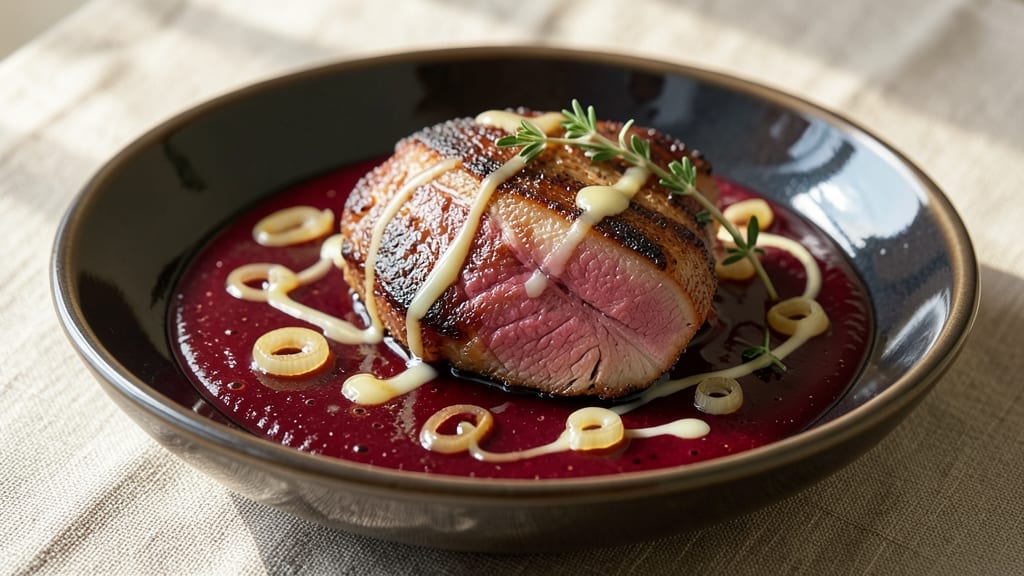
This Anjou sauce recipe transforms humble ingredients into a velvety wine reduction with deep caramelized sweetness—perfect for elevating roasted meats and vegetables. 💛 The secret lies in slow simmering red wine with shallots, vinegar, and a touch of stock until it thickens into a glossy, complex sauce that balances acidity and richness.
I developed this version after years of refining French techniques at home, ensuring every spoonful delivers restaurant-quality depth without the fuss.
The beauty of Anjou sauce is its versatility—it works as a glaze for duck, a drizzle over roasted carrots, or even a tangy accompaniment to creamy mashed potatoes.
Unlike store-bought reductions, this version builds flavor through careful caramelization of shallots and reduction of wine, creating layers of umami and sweetness that no bottled sauce can match. The process is straightforward but requires patience; letting it simmer until syrupy ensures a sauce that clings beautifully to whatever it graces.
What sets this recipe apart is the balance of ingredients: a splash of vinegar brightens the wine’s depth, while a touch of cream (optional) adds luxurious body. The result is a sauce that’s rich enough to stand alone but light enough to enhance, not overpower.
Whether you’re hosting a dinner party or simply craving a flavorful weeknight meal, this Anjou sauce will transform ordinary dishes into something extraordinary.
Store it in the refrigerator for up to 2 weeks or freeze for longer use—its concentrated flavors only intensify over time. Pair it with roasted lamb, grilled vegetables, or even as a finishing touch for soups. Here’s how to make it perfectly every time.
Ingredients for anjou sauce
Ten ingredients, one elegant sauce—transforming simple pantry staples into restaurant-quality wine reduction.
| Ingredient | Amount | Notes |
|---|---|---|
| Dry Red Wine 🍷 | 2 cups | Bold, dry variety like Cabernet Sauvignon |
| Shallots 🧅 | 1 lb | Peeled, thinly sliced into rings |
| White Wine Vinegar 🍶 | ½ cup | For acidity balance |
| Vegetable Stock 💧 | ½ cup | Low-sodium preferred |
| Heavy Cream 🥛 | ¼ cup | Optional for luxurious body |
| Unsalted Butter 🧈 | 2 tbsp | Cold, cut into small cubes |
| Granulated Sugar 🍚 | 1 tbsp | For subtle caramelization |
| Diamond Crystal Kosher Salt 🧂 | 1 tsp | Adjust to taste |
| Fresh Thyme Leaves 🌿 | 2 tbsp | Or 1 tsp dried thyme |
| Extra-Virgin Olive Oil 🫒 | 1 tbsp | For deglazing |
The red wine is non-negotiable here—bold, dry varieties like Cabernet Sauvignon or Merlot work best, as their tannins contribute depth during reduction. Trader Joe's and Whole Foods carry excellent options, or decant an open bottle you already have. Shallots elevate the sauce with their delicate sweetness; avoid onions, as their bitterness can overpower. For the vinegar, white wine vinegar is essential—apple cider won't cut it. The vegetable stock should be low-sodium to avoid over-salting the finished sauce. For butter, unsalted is critical—salted will disrupt the careful balance of flavors you're building.
No red wine? Substitute with beef stock, though the depth will differ slightly. Shallots unavailable? Yellow onions work in a pinch, but reduce them longer to caramelize. The heavy cream is optional but adds luxurious body—coconut cream is a suitable vegan alternative. For sugar, honey or maple syrup can replace granulated, though they'll impart additional flavor notes. Fresh thyme is ideal, but dried thyme at one-third the amount works if you're short on time. The olive oil is purely functional—any neutral oil will suffice for deglazing, though extra-virgin adds subtle richness.
This sauce develops best when made fresh, but its concentrated flavors actually intensify over time. Store it in an airtight container in the refrigerator for up to 2 weeks, or freeze for up to 3 months—thaw gently in the fridge before reheating. For serving, reheat gently over low heat, stirring occasionally, until warmed through. The sauce thickens as it cools, so add a splash of warm water or stock if it becomes too stiff. It pairs beautifully with roasted lamb, duck, or even grilled vegetables—just drizzle generously and let the sauce cling to every bite.
Why You'll Love This Recipe
- Pantry Magic: I swear by this sauce because it uses what’s already lurking in my cupboards—no special trips to the store. Swap the shallots for onions if you’re in a rush, and that dry red wine? I’ve even used the half-glass left from dinner the night before.
- Velvet & Vinegar: The white wine vinegar cuts through the richness of the heavy cream like a whisper, while the shallots caramelize into something sweet and nutty. Honestly, it’s the kind of balance that makes you pause mid-bite—like a fancy restaurant trick, but with ingredients you’d never guess could work so well together.
- Weeknight Swiss Army: This sauce turns into whatever you need: a quick drizzle over roasted chicken, a swirl in mashed potatoes, or even a fancy glaze for grilled fish. I’ll be real, it’s my go-to when I’m serving unexpected guests or just don’t feel like cooking.
- Leftovers That Lie: The best part? This sauce actually improves the next day. The flavors meld into something deeper, and it reheats like a dream—no clumping, no weird textures. Between us, I’ve made a whole batch just to reheat portions all week. Budget win.
Step-by-step instructions for slow-simmered wine reduction
Mastering Anjou sauce begins with patience and precision—this method delivers a velvety, caramelized reduction perfect for game meats.
🍳 Step 1: Caramelize Shallots Until Golden
Heat the 1 tablespoon extra-virgin olive oil in a heavy-bottomed saucepan over medium-low heat. Add the 1 lb shallots in a single layer, ensuring they don't overlap. Cook undisturbed for 10-12 minutes, stirring only when necessary, until deeply golden brown with a sweet, nutty aroma.
This slow caramelization builds the sauce's foundational sweetness. If the shallots brown too quickly, reduce heat—you want them to cook gently, not burn. The edges should be crisp while maintaining moisture in the center. Once fully caramelized, remove the shallots with a slotted spoon and set aside temporarily.
🔥 Step 2: Build the Wine Reduction
Return the saucepan to medium-high heat and add the 2 cups dry red wine. Immediately scrape up any browned bits from the bottom with a wooden spoon—these contain concentrated flavor. Bring to a gentle simmer and reduce by half (about 8-10 minutes), until the liquid thickens to a syrupy consistency.
Here's where the magic happens: the alcohol evaporates while the wine's natural sugars concentrate. You'll notice the aroma intensify as the reduction deepens in color. If it reduces too quickly, lower the heat slightly to prevent scorching. The goal is a rich, jam-like consistency that coats the back of a spoon.
🥘 Step 3: Incorporate Vinegar and Stock
Add the 0.5 cup white wine vinegar and 0.5 cup vegetable stock, stirring to combine. Return to a simmer and cook for another 5-7 minutes until the liquid reduces by one-third, creating a balanced acidity-sweetness profile. The sauce should now coat a spoon with a glossy sheen.
This step prevents the sauce from becoming overly sweet. The vinegar cuts through the wine's richness while the stock adds depth. Taste occasionally—you're aiming for a harmonious blend where sweetness, acidity, and umami coexist. If the sauce thickens too much, add 1 tablespoon water to adjust consistency.
🍳 Step 4: Finish with Butter and Cream
Reduce heat to low and whisk in the 2 tablespoons cold unsalted butter and 1 tablespoon granulated sugar. Cook for 2 minutes until the butter melts completely, creating a silky emulsion. Remove from heat and stir in the 0.25 cup heavy cream, then the 2 tablespoons fresh thyme leaves and 1 teaspoon kosher salt. Let steep for 5 minutes off the heat.
The butter and sugar create a luxurious mouthfeel while the cream adds velvety body. The thyme infuses its aromatic essence, and the salt enhances all flavors. Here's the thing—don't skip the resting time. This allows the flavors to meld and the sauce to reach its full potential. The final texture should be smooth, glossy, and thick enough to coat the back of a spoon.
⏰ Step 5: Strain and Adjust
Strain the sauce through a fine-mesh sieve into a clean saucepan, pressing gently on the solids to extract maximum flavor. Return to low heat and simmer for 3-5 minutes to refine the texture. Taste and adjust seasoning—add more salt if needed, or a splash of vinegar for brightness.
This final reduction ensures a polished, professional finish. The sauce should now be velvety with a perfect balance of sweetness, acidity, and umami. For best results, use immediately over roasted game meats, but it can be refrigerated for up to 3 days or frozen for 3 months. Reheat gently over low heat, stirring frequently to prevent separation.
Pro Tips For Making Anjou Sauce
- SWEEAT DON’T BROWN SHALLOTS: I learned this the hard way—when shallots turn golden, they turn bitter. Keep the heat low and stir often; you’re aiming for translucent, not toasted. If you rush, the sauce will taste like you burned the vinegar.
- DEGLAZE WITH VINEGAR FIRST: After cooking shallots, hit the pan with a splash of white wine vinegar before the wine. It cuts through the fond faster and adds brightness. Skip this, and you’ll be scrubbing a stubborn brown crust later.
- USE COLD CREAM: Temper that heavy cream—whisk it into the warm sauce slowly or you’ll end up with scrambled eggs. Start with a ladle of sauce to the cream, then mix back in. Yes, it’s extra steps, but your sauce won’t curdle.
- SALT THE STOCK: Vegetable stock is usually bland. Boost it with a pinch of salt now—it’ll make the sauce richer without overpowering. I used to forget, and the final dish always tasted flat. Don’t be that cook.
Dietary considerations for this anjou sauce
Gluten-Free Adaptations
Anjou sauce is naturally gluten-free, but always double-check your ingredients—especially the red wine and vegetable stock. Some brands add gluten as a fining agent, so opt for certified gluten-free options like Trader Joe's gluten-free wine or Pacific Foods gluten-free stock.
The sauce's base remains unchanged, but verify all components to keep it safe for gluten-sensitive diets. 💛
Dairy-Free Versions
Skip the heavy cream and butter entirely, then replace them with coconut cream (¼ cup) and vegetable shortening (2 tbsp) for a neutral, dairy-free finish. The sauce will still develop depth from the wine and shallots, though the texture will be slightly lighter.
For extra richness, whisk in 1 tbsp nutritional yeast after simmering.
Vegan Considerations
This sauce easily adapts to vegan diets by omitting the butter and cream, then using coconut cream (¼ cup) and olive oil (1 tbsp) for body. Ensure your wine and stock are vegan-certified, and use vegan butter (like Miyoko's) if you prefer a richer finish.
The caramelized shallots and vinegar provide all the necessary acidity and sweetness without dairy.
Low-Sodium Options
Use low-sodium vegetable stock and reduce the salt to ½ teaspoon (or omit entirely). Enhance flavor with an extra ½ teaspoon black pepper or ¼ teaspoon smoked paprika for depth.
The sauce's natural sweetness and acidity will still shine, just with a lighter sodium profile. Taste as you go—you may need to adjust further based on your stock's saltiness.
Sugar-Free Adjustments
Replace the 1 tablespoon granulated sugar with 1 teaspoon erythritol or monk fruit sweetener for a sugar-free version. The sauce will still caramelize beautifully, though the sweetness level will be subtler. Balance with an extra ¼ teaspoon cinnamon or pinch of allspice to complement the wine's natural fruitiness.
Allergen-Friendly Tips
For nut allergies, ensure all ingredients are nut-free (some wines may process in nut-filled facilities). For soy sensitivities, use soy-free vegetable stock and verify wine labels. The sauce's core ingredients—wine, shallots, vinegar—are typically allergen-free, but always read labels carefully. When in doubt, prepare the sauce fresh with single-ingredient verification. ✨
Nutrition facts
Frequently asked questions
Can I use any red wine for this Anjou sauce?
For best results, choose a bold, dry red wine like Cabernet Sauvignon or Merlot—these varieties have enough tannins and depth to create a rich reduction. Avoid sweet or fruity wines, as they'll overpower the sauce's balanced sweetness and acidity. If you're using a leftover bottle, decant it first to let the flavors concentrate.
What's the secret to getting the perfect caramelized shallots?
Patience is key! Cook the shallots over medium-low heat for 10-12 minutes without stirring too often—this allows them to develop deep golden color and sweetness. Use a heavy-bottomed pan to prevent burning, and make sure they're in a single layer so they caramelize evenly. If they brown too quickly, lower the heat immediately.
How do I know when the sauce is reduced enough?
The sauce is ready when it coats the back of a spoon with a glossy sheen and reduces by about half its original volume. For the first reduction (wine only), it should take 8-10 minutes—stir occasionally and taste as you go. The final sauce should be thick but still pourable, not paste-like. If it gets too thick, add 1 tablespoon water or stock to adjust.
Can I make this sauce ahead of time?
This sauce actually tastes better the next day as the flavors meld. Store it in an airtight container in the fridge for up to 2 weeks, or freeze for 3 months. When reheating, warm gently over low heat and stir frequently to prevent separation. If it thickens too much, add a splash of water or stock to restore consistency.
What are the best dishes to serve with Anjou sauce?
Anjou sauce shines with roasted game meats like duck or lamb, but also pairs beautifully with grilled vegetables, seared scallops, or even mashed potatoes. Its sweet-tangy profile works especially well with rich, fatty proteins—think braised short ribs or pan-seared chicken thighs. For vegetarian options, drizzle it over roasted root vegetables or polenta.