
Sauces & Condiments
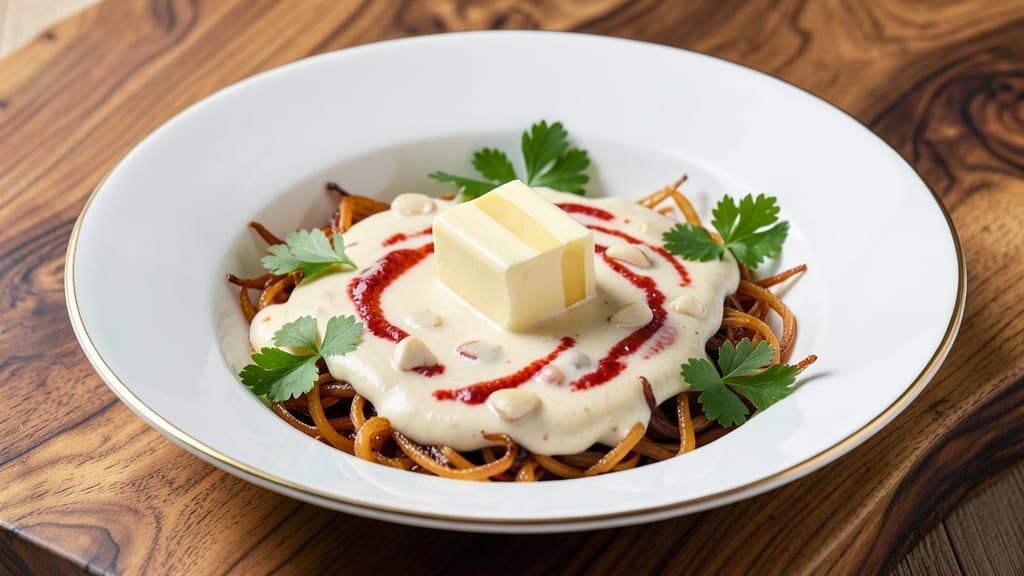
This Angie’s lobster sauce recipe transforms simple pantry staples into a velvety, herb-infused sauce that elevates any seafood dish. The secret lies in balancing rich tomato paste with bright herbs and a touch of cream, creating a sauce that's both comforting and sophisticated.
I developed this recipe after years of perfecting restaurant-quality flavors at home, ensuring every spoonful delivers that luxurious lobster experience without the hefty price tag.
The foundation begins with a deep, caramelized base of shallots and garlic, which builds layers of flavor before adding tomato paste and fish stock. Simmering slowly allows the sauce to develop depth while maintaining a silky texture.
Fresh herbs like thyme and parsley are stirred in at the end to brighten the sauce without overpowering its creamy richness.
What you'll end up with is a sauce that's perfect for dipping lobster tails, drizzling over pasta, or serving with shrimp cocktails. The buttery tomato cream base pairs beautifully with the fresh herb notes, creating a versatile condiment that works equally well in casual or formal settings.
This recipe delivers restaurant-quality results with minimal effort.
The best part? It keeps well in the refrigerator for up to five days, making it ideal for meal prep or entertaining. Whether you're serving seafood for a special occasion or simply want to elevate your weeknight dinner, this lobster sauce will become a staple in your kitchen.
Let's get started on creating this luxurious sauce.
Ingredients for angie's lobster sauce
Twelve simple ingredients create a luxurious lobster sauce that rivals restaurant quality.
| Ingredient | Amount | Notes |
|---|---|---|
| Shallots 🧅 | ½ cup | Finely minced for caramelization |
| Garlic Cloves 🧄 | 4 cloves | Peeled and minced |
| Tomato Paste 🍅 | ½ cup | High-quality, unsweetened |
| Fish Stock 🐟 | 1 ½ cups | Homemade or quality store-bought |
| Heavy Cream 🥛 | ½ cup | Full-fat for richness |
| Unsalted Butter 🧈 | 2 tbsp | European-style preferred |
| Fresh Thyme 🌿 | 2 tbsp | Leaves only, chopped |
| Fresh Parsley 🌿 | ¼ cup | Finely chopped |
| Dry White Wine 🍷 | ¼ cup | Sauvignon Blanc or Pinot Grigio |
| Sea Salt 🧂 | 1 ½ tsp | Diamond Crystal preferred |
| Black Pepper 🌶️ | ½ tsp | Freshly ground |
| Lemon Juice 🍋 | 1 tbsp | Freshly squeezed |
The shallots and garlic are where the magic starts. Fresh shallots from the grocery store's produce section (not the pre-minced jarred kind) caramelize beautifully, building that deep, sweet foundation. I grab mine from Whole Foods or the local market—they're usually sold whole so you can peel and mince them yourself. Garlic? Freshly minced makes all the difference—no pre-minced jars here. If you're using garlic powder, it's a poor substitute, but if you're in a pinch, half the amount works in a bind. The tomato paste should be thick and smooth—Muir Glen or Rao's are my go-tos, but any good-quality brand will do. Don't use the watery canned tomato stuff; it'll ruin the texture.
No white wine? Dry vermouth or extra fish stock works in a pinch, but the acidity helps balance the richness. Fresh herbs are non-negotiable for that bright finish—dried thyme at one-third the amount can work, but it won't have the same vibrancy. The heavy cream and butter are what give this sauce that velvety, restaurant-quality texture, so don't skimp on full-fat versions. For the fish stock, homemade is ideal, but Knorr or Pacific brand from the store are solid backups. If you're making this ahead, the sauce actually improves overnight as the flavors meld—just reheat gently before serving.
This sauce keeps beautifully in the fridge for up to 5 days, sealed in an airtight container with a thin layer of oil on top to preserve freshness. For longer storage, freeze it in ice cube trays—perfect for single servings later. Reheat gently on the stove, stirring constantly, until just warmed through. It reheats beautifully and tastes even better the next day, so make extra if you can. The lemon juice at the end adds that final bright note, so don't skip it—it's what makes this sauce sing.
Why You'll Love This Recipe
- Pantry-Friendly Magic: I swear by this sauce because it lives in my fridge, not my freezer. No fancy ingredients—just shallots, garlic, and a splash of fish stock—mean I can make it anytime, even when I forget to meal prep.
- Rich Without the Effort: That heavy cream and tomato paste combo? It’s like a hug for your taste buds. The sauce is velvety but never heavy, and the garlic-shallot base adds depth without requiring me to slave over a stove.
- Weeknight to Dinner Party: I use it for pasta, seafood, or even as a dip—no rules. (Yes, even on a Tuesday night.) The fish stock keeps it light enough for summer meals, while the cream makes it feel special enough for guests.
- Doubles for Leftovers: Here’s what sold me—this sauce tastes better the next day. I make a big batch, store it, and use it for lunches or quick dinners. Plus, the ingredients stretch far, so it’s my wallet’s new best friend.
Step-by-step instructions for Angie's lobster sauce
Here's how to craft this velvety, herb-infused sauce that pairs perfectly with seafood.
Build the Flavor Base with Shallots and Garlic
Heat the 2 tablespoons unsalted butter in a medium saucepan over medium-low heat. Add the 0.5 cup finely minced shallots and cook for 5-6 minutes until they turn a beautiful golden brown. This caramelization step is crucial—it develops deep, sweet flavors that form the sauce's foundation.
Once the shallots are golden, reduce the heat to low and add the 4 cloves minced garlic. Cook for 1-2 minutes until fragrant but not browned. Garlic burns quickly, so keep a close eye on it. The moment it releases its aroma, you're ready for the next step. If it starts to darken, remove the pan from heat for 30 seconds to cool slightly before proceeding.
Develop the Tomato-Wine Base
Pour in the 0.25 cup dry white wine and stir to deglaze the pan, scraping up any browned bits from the bottom. This step captures all the flavor you've built so far. Let the wine simmer for 2-3 minutes until it reduces by about half and the alcohol smell dissipates completely.
Next, add the 0.5 cup tomato paste and stir vigorously to incorporate it fully. Cook for 3-4 minutes until the mixture thickens slightly and turns a rich, deep red color. The tomato paste will help balance the acidity of the wine and provide a smooth, velvety texture to the finished sauce.
Simmer with Fish Stock and Seasonings
Pour in the 1.5 cups fish stock and bring the mixture to a gentle simmer. Add the 1.5 teaspoons sea salt and 0.5 teaspoon freshly ground black pepper, stirring to combine. Let it simmer uncovered for 10-12 minutes until the sauce reduces by about one-third and becomes slightly thickened.
During this time, add the 2 tablespoons chopped fresh thyme. This is where the sauce develops its signature brightness and depth. Stir occasionally to prevent the sauce from sticking to the bottom of the pan. You'll know it's ready when the sauce coats the back of a spoon and has a rich, concentrated aroma.
Finish with Cream and Fresh Herbs
Reduce the heat to low and gradually whisk in the 0.5 cup heavy cream. Be careful not to let the sauce boil—keep it at a gentle simmer to prevent curdling. Stir continuously for 3-4 minutes until the cream is fully incorporated and the sauce becomes silky smooth.
Finally, add the 1 tablespoon freshly squeezed lemon juice and 0.25 cup chopped fresh parsley. Stir well and let the sauce simmer for another 1-2 minutes. The lemon juice brightens the flavors, while the parsley adds a fresh, vibrant finish. Taste and adjust the seasoning if needed—you might want to add a pinch more salt or a splash of lemon juice for balance.
Rest and Serve Warm
Remove the sauce from heat and let it rest for 5 minutes. This resting period allows the flavors to meld together and the sauce to thicken slightly. The sauce should be smooth, glossy, and perfectly balanced—rich from the cream and butter, bright from the lemon and herbs, and deep from the caramelized shallots and tomato.
Serve the sauce immediately over lobster, shrimp, or grilled fish, or drizzle it over pasta for a luxurious touch. The sauce keeps well in the refrigerator for up to 3 days, though it's best enjoyed fresh. If it thickens too much when reheated, simply add a splash of warm water or fish stock to reach your desired consistency.
Pro Tips For Making Angie'S Lobster Sauce
- Cook Shallots Slow: This isn’t a race—sweat those shallots in butter for 8-10 minutes until they’re translucent and just starting to caramelize. I learned this the hard way: rushing them burns the garlic flavor before it even develops, and you’ll taste the bitter edge in every bite.
- Mince Garlic Fine: No big chunks here. Use a knife or microplane to get garlic into a paste before adding it to the shallots. It blends smoother and infuses faster—no one wants to chew through garlic surprises in a silky sauce.
- Simmer, Don’t Boil: Once you add the fish stock, keep the heat at a gentle simmer, not a rolling boil. You’re building flavor, not making soup. A fast boil can turn your sauce cloudy and dilute the richness of the cream later.
- Temper the Cream: Warm the heavy cream separately until steaming (not boiling) before whisking it into the sauce. Cold cream will curdle and turn your lobster sauce into a sad, lumpy mess—trust me, I’ve seen it happen.
Best sauces and condiments for angie's lobster sauce
Classic Pairings
This lobster sauce shines as a dipping sauce for lobster tails or crab legs—just serve it warm in a shallow bowl with a side of baked potato chips for crunch.
I love drizzling it over buttered shrimp scampi or spooning it onto steamed mussels for that restaurant-quality touch. The creamy texture cuts through the richness of seafood beautifully. 🐟
Pasta Perfection
Toss ½ cup of sauce with 8 ounces linguine or fettuccine and finish with toasted pine nuts and grated Parmesan. The buttery tomato base clings perfectly to the pasta, while the fresh herbs add brightness.
For extra decadence, add seared scallops or grilled calamari on top. The wine in the sauce adds a subtle elegance that elevates simple pasta dishes.
Seafood Plating
Use this sauce as a garnish for grilled salmon or halibut—simply drizzle it over the fish and sprinkle with chopped chives. It also works wonderfully with poached oysters or seared tuna.
The sauce’s richness balances the delicate flavors of seafood without overpowering them. For a showstopper, arrange shrimp skewers on a platter and serve with the sauce on the side. 🍽️
Vegetable Pairings
Don’t limit this sauce to seafood—it’s fantastic with roasted Brussels sprouts or grilled asparagus. The creamy texture complements the earthy flavors of vegetables, while the lemon brightens the dish.
Toss it with sautéed mushrooms and wild rice for a vegetarian-friendly option that still feels indulgent. The sauce’s versatility makes it a great addition to any meal.
Bread and Appetizers
Serve this sauce with crusty baguette slices or garlic bread for dipping—it’s a crowd-pleaser at parties. You can also use it as a topping for stuffed mushrooms or baked clams.
The sauce’s creamy texture makes it ideal for appetizers, adding a luxurious touch without requiring much effort. A small bowl of this sauce on the table instantly elevates any gathering. 🍞
Nutrition facts
Frequently asked questions
Can I make this lobster sauce without wine?
The wine adds acidity that balances the richness, but you can substitute 0.25 cup extra fish stock or dry vermouth for a similar effect. If using stock, add 1 extra teaspoon lemon juice to compensate for the missing acidity. The sauce will still be delicious—just slightly less complex.
How do I adjust the consistency if it's too thick?
If your sauce thickens too much after resting, simply whisk in 1-2 tablespoons warm water or fish stock until you reach a smooth, pourable consistency. For extra silkiness, add 1 teaspoon heavy cream while reheating. The sauce should coat the back of a spoon but still flow easily.
What's the best way to store leftovers?
Transfer the cooled sauce to an airtight container and refrigerate for up to 5 days. For longer storage, freeze in ice cube trays (thaw in the fridge) or small jars. When reheating, warm gently over low heat while stirring constantly to prevent separation. A splash of warm water or stock helps restore texture.
Can I use this sauce in cold dishes?
This sauce works beautifully in seafood salads, cold pasta dishes, or as a dipping sauce for chilled appetizers. Chill the sauce completely before using to enhance its creamy texture. For extra freshness, add 1 extra tablespoon chopped parsley just before serving. The lemon brightens cold applications perfectly.
What if my sauce curdles when adding cream?
Curdling happens when the sauce boils too vigorously. To fix it, immediately remove from heat and whisk in 1 tablespoon cold butter or 1 tablespoon cornstarch slurry (mix 1 tbsp cornstarch + 2 tbsp cold water). Stir constantly until smooth. Next time, keep heat at a gentle simmer when adding cream. The sauce should never bubble rapidly.