
Sauces & Condiments
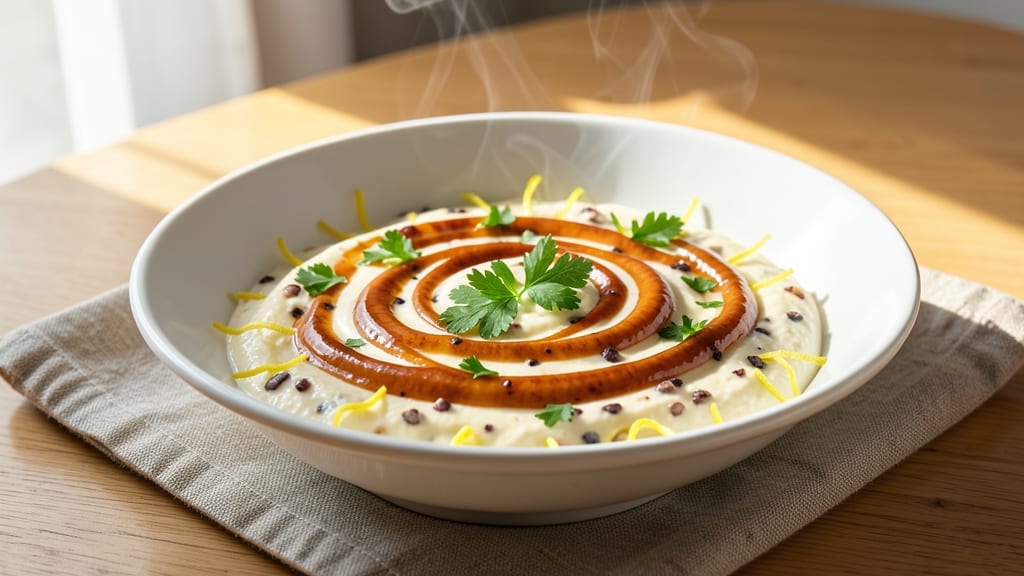
This anchovy cream sauce recipe transforms simple ingredients into a luxurious, umami-rich sauce that elevates pasta, seafood, or vegetables in minutes. The secret lies in balancing salty anchovies with velvety cream, creating a silky, flavorful sauce that's surprisingly easy to make.
I developed this recipe after craving that restaurant-quality depth without the fuss—now you can achieve it at home.
The process is straightforward: simmer anchovies in butter until dissolved, then gradually whisk in cream while keeping the heat low to prevent curdling. A splash of lemon juice brightens the richness, and fresh herbs add freshness, ensuring the sauce remains balanced and vibrant.
This sauce works equally well tossed with linguine, drizzled over grilled fish, or spooned alongside roasted vegetables.
What makes this sauce special is its versatility—it's perfect for pescatarians and can be adapted for vegetarians by omitting the anchovies (though the umami depth will be noticeably different). The result is a smooth, velvety sauce with just the right amount of saltiness and creaminess, ready in under 15 minutes.
Store any leftovers in the fridge for up to 3 days or freeze for longer shelf life.
Once you try this sauce, you'll never reach for store-bought again. The combination of salty, savory, and creamy creates a flavor profile that's hard to resist. Whether you're cooking for a weeknight dinner or a special occasion, this sauce delivers restaurant-quality results with minimal effort. Let's get started!
Ingredients for anchovy cream sauce
Nine ingredients balance salty, creamy, and bright for restaurant-quality sauce in minutes.
| Ingredient | Amount | Notes |
|---|---|---|
| Anchovy Fillets 🐟 | 4 oz | High-quality, oil-packed preferred |
| Unsalted Butter 🧈 | ½ cup | Cold, cubed for even melting |
| Heavy Cream 🥛 | 1 ½ cups | Full-fat for richest texture |
| Fresh Lemon Juice 🍋 | 1 ½ tbsp | Brightens the sauce beautifully |
| Fresh Parsley Leaves 🌿 | ¼ cup | Finely chopped for freshness |
| Garlic Cloves 🧄 | 2 cloves | Minced for aromatic depth |
| Diamond Crystal Kosher Salt 🧂 | ¼ tsp | Adjusts to taste after mixing |
| Freshly Ground Black Pepper 🌶️ | ⅛ tsp | Freshly cracked for best flavor |
| Extra-Virgin Olive Oil 🫒 | 1 tbsp | For finishing drizzle |
The anchovies are non-negotiable here—Colavita or Simona brands from the Italian aisle deliver the best quality. Look for oil-packed fillets, not the canned kind with additives. Butter matters too: Plugrá or Land O'Lakes unsalted cubes melt perfectly without burning. Fresh parsley? Trader Joe's sells pre-washed bunches that stay vibrant longer. Garlic should be freshly minced right before cooking—pre-minced loses its punch. For the cream, Organic Valley heavy cream gives the smoothest texture, but any full-fat brand works.
No anchovies? Fish sauce or soy sauce at half the amount adds umami depth, though it won't be identical. Short on butter? Olive oil works in a pinch, but the sauce will taste different. Fresh herbs missing? Dried parsley at one-third the amount works, but fresh is ideal. The lemon juice can be bottled if needed (just check for no added sugar), but fresh brightens everything. For a vegetarian version, swap anchovies for 1 tbsp nutritional yeast plus 1 tsp soy sauce—the umami will be milder but still delicious.
This sauce keeps for 3 days in the fridge—store in an airtight container with plastic wrap pressed directly on the surface to prevent a skin from forming. For longer storage, freeze in ice cube trays with a splash of water between cubes—thaw and stir gently. The sauce reheats beautifully, though it's best fresh. I always make extra—it disappears fast on linguine or grilled fish. If you're serving it over seafood, add a pinch more salt at the end since fish can be naturally salty.
Why You'll Love This Recipe
- Five-Ingredient Magic: I swear by this—just melt butter, toss in anchovies (they dissolve like a dream), then stir in cream and lemon. No chopping, no fuss, and honestly? That’s all it takes.
- Umami Bomb: Between us, anchovies pack a punch—salty, briny, and rich in ways store-bought sauces can’t match. The lemon cuts through the cream, so you get this perfect balance of decadent and bright.
- Pasta’s Best Friend: Slather it over linguine, toss with grilled fish, or drizzle on toasted bread—this sauce works everywhere. I’ve used it for weeknight dinners, potlucks, and even as a quick dip. No overthinking.
- Leftovers That Don’t Let You Down: Make a double batch, and it’ll still taste fresh for days. The cream thickens nicely, and the parsley keeps it vibrant. My lazy Sundays thank me every time.
Step-by-step instructions for anchovy cream sauce
Here's how to create a velvety, umami-rich sauce that transforms simple pasta into something extraordinary.
Melt the Butter and Infuse with Garlic
Place the 0.5 cup unsalted butter in a medium saucepan over medium-low heat. Let it melt completely, swirling occasionally so it melts evenly without browning. Once fully melted, add the 2 cloves minced garlic and cook for 1-2 minutes until fragrant but not browned—this prevents bitterness and ensures pure garlic flavor.
Here's the thing—garlic burns faster than you think. Keep the heat gentle and watch closely. You'll know it's ready when the pan smells intensely aromatic but doesn't have that sharp, burned aroma. Remove from heat immediately after this step to preserve the delicate flavor.
Add Anchovies and Create the Umami Base
Return the saucepan to medium heat and add the 4 oz anchovy fillets, breaking them into small pieces as they melt into the butter. Stir constantly for 2-3 minutes until the anchovies dissolve completely into the butter. This step is crucial—it develops the sauce's signature umami depth without any fishy aftertaste.
Don't rush this process. The anchovies should melt smoothly into the butter, creating a rich, savory paste. If you see any pieces remaining, continue stirring until fully incorporated. This is where the sauce's complex flavor profile begins to form—take your time here.
Incorporate Heavy Cream and Simmer Gently
Reduce the heat to low and gradually whisk in the 1.5 cups heavy cream. Bring the mixture to a gentle simmer, then reduce heat to maintain a barely perceptible bubble at the surface. Cook for 5-7 minutes, stirring occasionally, until the sauce thickens slightly and coats the back of a spoon.
This low-and-slow approach prevents curdling and ensures a silky texture. You're looking for a sauce that's thick enough to cling to pasta but still flows smoothly. If it thickens too quickly, add 1-2 tablespoons water to adjust the consistency. The sauce should be velvety, not grainy.
Finish with Lemon and Seasonings
Remove the saucepan from heat and stir in the 1.5 tablespoons fresh lemon juice, 0.25 teaspoon kosher salt, and 0.125 teaspoon freshly ground black pepper. The acidity from the lemon brightens the rich flavors while balancing the umami. Taste and adjust seasoning—you might need a touch more salt depending on the quality of your anchovies.
Here's where it gets good—fold in the 0.25 cup finely chopped parsley leaves just before serving. This adds freshness and visual appeal. The parsley should be finely chopped so it distributes evenly throughout the sauce without overwhelming it. Keep the sauce warm until ready to serve over your favorite pasta.
Finish with Olive Oil for Elegance
Just before serving, drizzle in the 1 tablespoon extra-virgin olive oil and stir gently to combine. This final touch adds a luxurious sheen and subtle fruity notes that complement the umami depth. The olive oil should be warm but not hot—just enough to blend seamlessly into the sauce.
This sauce works beautifully over linguine, spaghetti, or even as a creamy dip for crusty bread. The key to success lies in the balance of flavors and the gentle cooking process. Serve immediately while the sauce is still warm and silky—it won't keep well once cooled.
Pro Tips For Making Anchovy Cream Sauce
- Melt Butter Slowly: Start with cold butter, then melt it over medium-low heat—this prevents the heavy cream from curdling when you add it later. I learned this the hard way after watching a batch of sauce turn into a lumpy mess because I rushed the butter.
- Crush Anchovies First: Mash the anchovy fillets with the back of a fork or a spoon before adding them to the butter—this dissolves them faster and keeps the sauce smooth. Skipping this step means you’ll end up with tiny fishy bits instead of a silky texture.
- Strain the Cream: After heating the cream, strain it through a fine-mesh sieve to remove any cooked-on bits or potential lumps—this guarantees a velvety finish. Yes, it’s an extra step, but your sauce will taste like it came from a restaurant, not a rushed weeknight.
- Finish with Lemon Zest: Add a tiny pinch of lemon zest along with the juice—it brightens the sauce without overpowering the anchovy flavor. I was skeptical until I tried it; now I can’t imagine making this sauce without it.
Troubleshooting great anchovy cream sauce
Sauce Too Salty?
If your sauce tastes overly salty, it’s likely from the anchovies or salt. Start by adding 1-2 tablespoons of heavy cream to dilute the saltiness—this works because cream is neutral and won’t alter the flavor.
For a more dramatic fix, whisk in 1 teaspoon of lemon juice, which brightens the sauce and helps balance the salt. If you’re still struggling, a pinch of sugar (¼ teaspoon) can help round out the flavors without overpowering the umami. 💡
Sauce Curdled or Grainy?
Curdling happens when the sauce gets too hot or the cream separates. To fix it, immediately remove the pan from heat and whisk in 1 tablespoon of cold heavy cream or a splash of cold water.
If the texture is still grainy, strain the sauce through a fine-mesh sieve to remove any lumps. For prevention, always cook the cream over low heat and never let it boil. A splash of lemon juice can also help emulsify the sauce back together.
Anchovies Too Strong?
If the anchovy flavor is overpowering, balance it with extra acidity. Add 1 tablespoon of lemon juice or a pinch of sugar to mellow the saltiness. A small handful of finely chopped fresh parsley or basil can also help soften the intensity.
For a milder umami base, reduce the anchovy amount to 3 oz next time and add ½ teaspoon of fish sauce for depth without the same punch.
Sauce Too Thin?
If your sauce is too thin, simmer it uncovered over low heat for an extra 2-3 minutes to evaporate excess liquid. For a quicker fix, mix 1 teaspoon of cornstarch with 1 tablespoon of cold water, then whisk it into the sauce until it thickens.
Alternatively, stir in 1 tablespoon of cold butter to enrich the texture without altering the flavor. Always taste as you go—this sauce should coat the back of a spoon but still flow smoothly. 🥄
Sauce Separated After Cooling?
If the sauce separates after cooling, it’s likely due to temperature changes. To fix it, gently reheat the sauce over low heat while whisking constantly. If it still separates, whisk in 1 tablespoon of cold heavy cream or a splash of water to help re-emulsify.
For prevention, store the sauce in an airtight container and press plastic wrap directly on the surface to minimize contact with air. Reheat slowly to avoid shocking the sauce with temperature changes.
No Anchovies Available?
If you’re out of anchovies, use 1 tablespoon of fish sauce or soy sauce for umami depth. For a vegetarian option, replace the anchovies with 1 tablespoon of nutritional yeast plus ½ teaspoon of soy sauce.
The flavor won’t be identical, but it’ll still add richness. If you’re using fish sauce, reduce the salt by ¼ teaspoon since it’s already salty. Always taste as you go—adjust seasonings gradually to avoid overdoing it. 🌱
Nutrition facts
Frequently asked questions
Can I make this sauce without heavy cream?
For a lighter version, substitute the heavy cream with 1.5 cups whole milk or 1 cup half-and-half. The texture will be slightly thinner but still delicious. For a vegan option, use 1.5 cups full-fat coconut milk (canned, not carton) and add 1 teaspoon cornstarch to help thicken it. The umami flavor will still shine through!
How do I prevent the sauce from curdling?
Curdling happens when cream separates due to heat. To avoid it, always cook the cream over low heat and never let it boil. Stir constantly while simmering, and if the sauce starts to thicken too quickly, remove it from heat immediately. Adding a splash of lemon juice while cooking can also help stabilize the emulsion. For extra insurance, whisk in 1 tablespoon cold cream at the end to smooth out any potential separation.
What's the best pasta to pair with this sauce?
This rich sauce pairs beautifully with linguine, fettuccine, or spaghetti—the flat surfaces help it cling perfectly. For extra texture, try pappardelle or tagliatelle. If you want to avoid carbs, drizzle it over grilled fish, shrimp, or roasted vegetables like asparagus or zucchini. The sauce also works as a creamy dip for crusty bread or crostini!
Can I make this sauce ahead of time?
Yes! Store leftover sauce in an airtight container in the fridge for up to 3 days. To reheat, warm it gently over low heat while stirring constantly. For longer storage, freeze the sauce in ice cube trays with a splash of water between cubes. Thaw overnight in the fridge and stir gently before using. The texture may thicken slightly after refrigeration—thin with a splash of warm water or cream if needed.
Why does my sauce taste fishy instead of umami?
Fishy flavor usually means the anchovies weren't fully dissolved.