
Sauces & Condiments
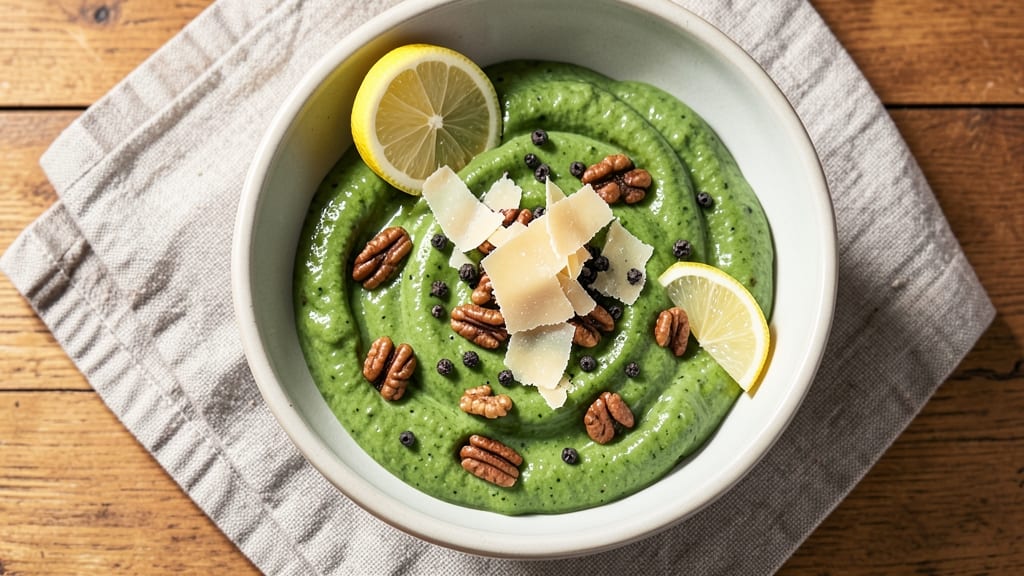
This arugula pesto sauce transforms simple ingredients into a vibrant, peppery-green condiment that elevates everything from pasta to grilled meats. The secret lies in balancing fresh arugula's sharp bite with creamy texture—achieved through precise blending and emulsification.
Unlike traditional basil pesto, this version delivers a sophisticated depth that pairs beautifully with rich dishes while keeping prep straightforward.
The process begins with fresh arugula, garlic, and lemon juice blended with olive oil until perfectly emulsified—no lumps, just silky smoothness. A touch of Parmesan (or nutritional yeast for vegan) adds umami richness while maintaining that bright, herbaceous character.
What sets this sauce apart is its versatility: toss it with hot pasta, drizzle over roasted vegetables, or use as a marinade for chicken.
What you'll end up with is a sauce that's vibrant in color, balanced in flavor, and effortlessly adaptable to any meal. The arugula's natural peppery notes shine through while the olive oil and lemon create a harmonious, creamy texture that clings perfectly to food.
Best of all, it keeps beautifully in the fridge for up to 5 days, making it an ideal make-ahead condiment.
For those who prefer it even smoother, add a splash of water or milk while blending—this ensures a perfectly emulsified sauce every time. The result? A restaurant-quality condiment that's simple to make at home, with just the right amount of bite and creaminess to transform ordinary dishes into something extraordinary.
Ingredients for arugula sauce
Bright green arugula meets creamy olive oil and nutty Parmesan for a sophisticated sauce that elevates any dish.
| Ingredient | Amount | Notes |
|---|---|---|
| Fresh Arugula Leaves 🌿 | 3 cups | Packed, stems removed for best texture |
| Extra-Virgin Olive Oil 🫒 | ¾ cup | High-quality, fruity variety preferred |
| Garlic Cloves 🧄 | 3 cloves | Peeled, roughly chopped for even distribution |
| Parmesan Cheese 🧀 | ½ cup | Freshly grated, high-quality preferred |
| Lemon Juice 🍋 | 2 tbsp | Freshly squeezed for bright acidity |
| Toasted Pine Nuts 🥜 | ¼ cup | Lightly toasted for enhanced nuttiness |
| Sea Salt 🧂 | ½ tsp | Fine grain for even seasoning |
| Freshly Ground Black Pepper 🌶️ | ¼ tsp | Freshly cracked for optimal flavor |
| Cold Water 💧 | 1 tbsp | For emulsification if needed |
The arugula is the star—farmers market greens have the most vibrant flavor, but grocery store varieties work well if they're fresh and crisp. Look for leaves that are deep green, not wilted or yellowing. Toasting the pine nuts in a dry pan for 2-3 minutes enhances their flavor dramatically—Costco or Trader Joe's sell them pre-toasted, which saves time. For the Parmesan, grate it yourself from a wedge; pre-grated cheese contains anti-caking agents that can make the sauce grainy. The olive oil should be extra-virgin with noticeable peppery notes—California or Italian varieties are ideal for this application.
No pine nuts? Walnuts or cashews work beautifully as substitutes, though they alter the texture slightly. Fresh arugula not available? Baby spinach can be used in a pinch, but the peppery bite will be milder. For a vegan version, replace the Parmesan with nutritional yeast and add an extra tablespoon of lemon juice to brighten the flavor. The garlic can be roasted for a sweeter profile—simply wrap the cloves in foil and bake at 400°F for 10 minutes before blending. If the sauce separates, add the cold water one tablespoon at a time until emulsified—this is normal and easily fixed.
This sauce keeps beautifully in an airtight container in the fridge for up to 5 days, though it's best within the first 2 days for peak freshness. To preserve its vibrant color, pour a thin layer of olive oil on top before sealing. For longer storage, portion into ice cube trays and freeze—perfect for single servings. The sauce reheats well, though it's best served at room temperature or slightly chilled. Store the pine nuts separately if you're concerned about rancidity, adding them fresh when ready to use.
Why You'll Love This Recipe
- No Chopping Needed: I’ll admit, I used to dread wilted greens—until I realized this sauce thrives on roughly torn arugula. No knife skills required; just rip those leaves like you’re tearing lettuce for a salad. The texture stays bright, and the flavor? Still packs a punch.
- Garlic-Lemon Zing: That first bite of bright, tangy sauce with the garlic’s sharp kick? It’s the kind of flavor that makes you pause mid-spoonful. The lemon cuts through the richness of the olive oil, and the Parmesan ties it all together—salty, nutty, and just enough to make you want seconds.
- Pasta’s Best Sidekick: Between us, this sauce turns ordinary pasta into a showstopper. Drizzle it over spaghetti, toss it with grilled chicken, or even slather it on toasted bread—it’s the kind of versatile sauce that makes meal planning effortless. (Yes, even on a Tuesday night.)
- Budget-Friendly Luxury: Honestly, arugula might sound fancy, but a single bunch stretches further than you’d think. Pair it with pantry staples like olive oil and Parmesan, and you’ve got a restaurant-worthy sauce for under $5. Leftovers? They keep for days in the fridge, so you’re not scrambling for ideas later.
Step-by-step instructions for arugula pesto sauce
Transform vibrant arugula into a luxurious sauce with this precise, professional method.
Toast the Pine Nuts for Depth of Flavor
Place the 0.25 cup toasted pine nuts in a dry skillet over medium-low heat. Toast for 2-3 minutes until they release their aroma and develop a light golden color. Watch carefully—they burn quickly. Remove immediately when fragrant and transfer to a small bowl to cool for 2 minutes. This step enhances their nutty flavor and prevents bitterness in the final sauce.
I always toast nuts separately rather than in the food processor because their delicate oils can degrade under the blade's heat. The cooled pine nuts will blend smoothly into the sauce without adding excess heat that could turn the pesto bitter.
Pulse Arugula and Garlic for Maximum Texture
In a high-powered food processor, combine the 3 cups fresh arugula leaves and 3 cloves garlic cloves. Pulse 4-5 times until finely chopped but not completely pureed. You want visible texture—this prevents the sauce from becoming too thick. Stop immediately when the mixture resembles coarse sand. The vibrant green color should remain visible, indicating proper chopping without over-processing.
I press down on the pulse button rather than running continuously to maintain control. Over-processing releases bitter compounds from the arugula's stems, which can dominate the flavor. The goal is to create a base that still has visible texture while allowing the other ingredients to blend smoothly.
Add Cheese and Process Until Fully Combined
Add the 0.5 cup Parmesan cheese and 0.5 tsp sea salt to the processor. Pulse 3-4 times until the cheese is completely incorporated and the mixture forms a coarse paste. Scrape down the sides with a spatula to ensure even blending. The cheese should dissolve completely, creating a smooth, creamy base that coats the back of a spoon.
This is where the sauce begins to take shape. The Parmesan's fat content helps emulsify the mixture, while the salt enhances the natural flavors of the arugula and garlic. If the mixture appears dry at this stage, it's normal—the olive oil will bind everything together in the next step.
Gradually Incorporate Olive Oil for Perfect Emulsion
With the processor running, slowly drizzle in the 0.75 cup extra-virgin olive oil through the feed tube. This gradual addition prevents the sauce from becoming too thick. Process for an additional 30-45 seconds until the mixture is completely smooth and homogeneous. The sauce should coat the blade and sides of the processor, indicating proper emulsification.
I always use a high-quality, fruity olive oil here—the flavor difference is noticeable. If the sauce appears too thick after adding all the oil, add 1 tablespoon cold water and pulse once more. The water helps loosen the emulsion without diluting the flavor significantly.
Finish with Lemon Juice and Adjust Seasoning
Stop the processor and add the 2 tablespoon lemon juice and 0.25 teaspoon freshly ground black pepper. Pulse 2-3 times just to combine. Taste immediately and adjust seasoning if needed—add more salt if the sauce tastes bland, or more lemon juice if it needs brightness. The sauce should be vibrant, tangy, and perfectly balanced.
This sauce is best used immediately, but if needed, cover the surface with a thin layer of olive oil to prevent oxidation and refrigerate for up to 3 days. The lemon juice adds a bright acidity that cuts through the richness of the cheese and nuts, creating a sauce that's both luxurious and refreshing.
Pro Tips For Making Arugula Sauce
- STRIP THE STEMS: Tear the arugula by hand instead of chopping—it keeps the leaves intact and prevents that bitter, overworked taste. I used to pulse it in a food processor, but the sauce ended up mushy and lost its bright flavor.
- SAUTÉ GARLIC LOW: Cook the garlic on medium-low heat until just fragrant—about 30 seconds—then immediately remove it from the pan. High heat burns garlic faster than you think, and you’ll taste the bitterness in every bite.
- GRATE PARMESAN FRESH: Skip the pre-grated cheese—it’s full of anti-caking agents that make the sauce grainy. Use a microplane or fine grater right before adding it, so the cheese stays sharp and melts smoothly into the sauce.
- LEMON JUICE LAST: Add the lemon juice after the sauce is off the heat—it brightens the flavors without cooking out. I learned this after making a batch where the sauce tasted flat because I added it too early.
Best sauces and condiments for this dish
Creamy vs. Vinaigrette
This arugula sauce can be made in both creamy and vinaigrette styles—it all depends on your oil-to-ingredient ratio. For a creamy pesto, use the full 0.75 cup olive oil and blend until smooth.
For a vinaigrette version, reduce the oil to 0.3 cup and add 1 tbsp Dijon mustard to help emulsify. The vinaigrette version has a lighter texture but still packs that peppery arugula punch. 💛
Herb Variations
Swap out or add herbs to customize the flavor profile. Try 1 tbsp fresh basil for a sweeter, more traditional pesto vibe, or 1 tsp dried oregano for a Mediterranean twist.
For a smoky depth, add ½ tsp smoked paprika—it pairs beautifully with the arugula's natural bitterness. I love using Thai basil for an aromatic, slightly spicy kick.
Protein Add-Ins
Boost the sauce's protein content by blending in ½ cup cooked chickpeas for a vegan option or ¼ cup crumbled feta for tangy brightness. For a richer texture, add 2 tbsp tahini—it adds a nutty depth that complements the pine nuts.
These additions work best when added with the cheese in Step 3 for even distribution.
Sweet Heat Balance
Add a touch of sweetness to balance the peppery arugula with 1 tsp honey or ½ tsp maple syrup. For heat, incorporate ½ tsp hot honey or a pinch of red pepper flakes.
I often drizzle the sauce with chili oil right before serving to let guests customize their spice level. The sweetness mellows the arugula's bite while the heat adds excitement. ✨
Storage Hacks
To preserve freshness, store the sauce in an airtight container with a thin layer of olive oil on top—this prevents oxidation and keeps the vibrant green color. For longer storage, freeze in ice cube trays** and transfer to a bag.
Thaw overnight in the fridge and stir in a splash of water if it thickens. The sauce reheats beautifully but is best at room temperature for maximum flavor impact.
Nutrition facts
Frequently asked questions
Can I use baby spinach instead of arugula?
Yes, but expect a milder flavor. Baby spinach works well in a pinch, though it lacks arugula's signature peppery bite. For best results, use 2 cups spinach instead of 3 cups arugula since it's less dense. The sauce will be greener but less vibrant in flavor.
Why did my arugula sauce turn bitter?
Over-processing releases bitter compounds from the arugula stems. Pulse the greens only 4-5 times—never blend continuously. Also check your garlic: roasted garlic adds sweetness, while raw garlic can become harsh if over-blended. Toasting nuts too long also contributes bitterness.
How can I make this sauce nut-free?
Swap pine nuts for 2 tbsp tahini or omit them entirely. Add 1 tbsp Dijon mustard to help emulsify the sauce with less fat. For extra creaminess, blend in ¼ cup silken tofu or avocado. The texture will be slightly different but still delicious.
Can I make this sauce ahead of time?
Store in an airtight container with a thin layer of olive oil on top. It keeps for 5 days in the fridge. For longer storage, freeze in ice cube trays—perfect for single servings. Thaw overnight in the fridge and stir with a splash of water if it thickens.
What's the best way to use leftover arugula sauce?
Drizzle over hot pasta, spread on toasted bread, or use as a marinade for grilled chicken. It also makes an excellent sandwich spread or topping for roasted vegetables. For extra flavor, add a pinch of red pepper flakes or fresh herbs before serving.