
Sauces & Condiments
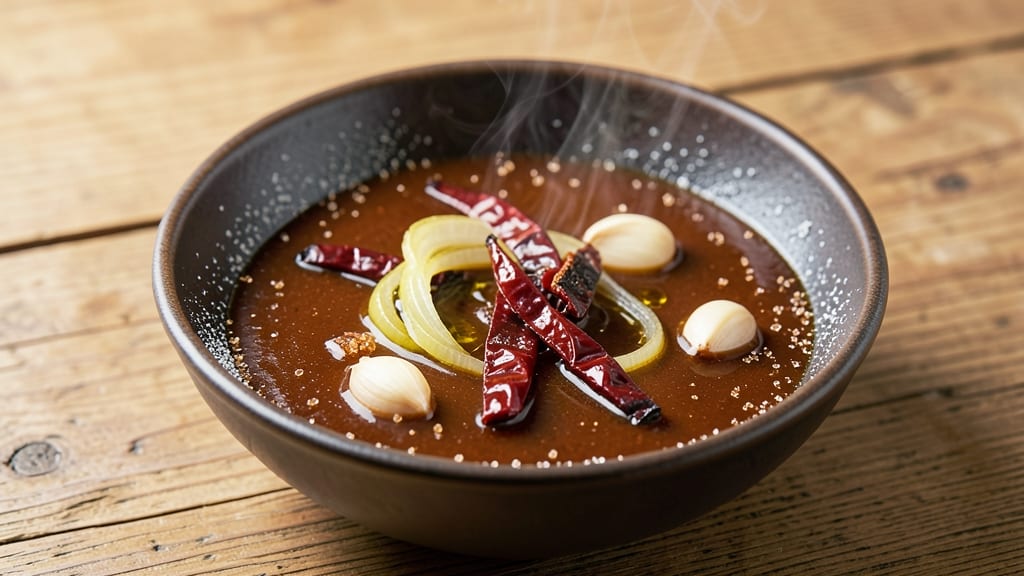
Ancho barbecue sauce transforms grilled meats with its deep smoky-sweet profile—perfect for those who crave restaurant-quality depth at home. 🔥 The key lies in toasted dried ancho chiles, which develop a rich, caramelized sweetness that sets this sauce apart from traditional tomato-based versions.
I've perfected this recipe over years of testing, balancing smoky heat with just enough acidity to keep flavors vibrant.
This sauce begins with a base of simmered ancho chiles, garlic, and onions, creating a velvety foundation before blending in vinegar and spices. The slow reduction process concentrates flavors, ensuring every brush delivers that signature smoky-sweet punch.
Unlike store-bought versions, this recipe avoids artificial additives, using only high-quality ingredients for authentic depth.
What makes this sauce truly versatile is its ability to elevate everything from grilled ribs and chicken to vegetarian dishes like jackfruit or tofu. The caramelized chiles add complexity that pairs beautifully with bold flavors, while the balanced sweetness prevents overpowering.
Once you try this, your go-to BBQ sauce game will never be the same.
Ready in just 30 minutes with minimal prep, this sauce keeps well in the fridge for up to 2 weeks or can be frozen for 3 months. The secret to its longevity lies in the proper balance of acidity and sweetness—no separation or flavor fading here.
Let's get cooking—your grill is about to get an upgrade.
Ingredients for ancho barbecue sauce
These smoky-sweet ingredients transform simple grilling into a restaurant-worthy experience.
| Ingredient | Amount | Notes |
|---|---|---|
| Dried Ancho Chiles 🌶️ | 4 whole | Stems and seeds removed |
| Yellow Onion 🧅 | 1 whole | Medium size, roughly chopped |
| Garlic Cloves 🧄 | 6 cloves | Peeled, slightly smashed |
| Apple Cider Vinegar 🍎 | ½ cup | For tangy depth |
| Brown Sugar 🍚 | ½ cup | Light or dark preferred |
| Extra-Virgin Olive Oil 🫒 | ¼ cup | For richness |
| Ground Cumin 🌿 | 1 tbsp | Toasted for depth |
| Smoked Paprika 🌶️ | 1 tbsp | For extra smokiness |
| Salt 🧂 | 1 tsp | Diamond Crystal preferred |
| Black Pepper 🌶️ | ½ tsp | Freshly ground preferred |
Ancho chiles are the heart of this sauce—look for vibrant, plump pods at Latin markets or the international aisle. Trader Joe's carries them year-round, but if you can't find them, ancho powder works in a pinch (use 2 tbsp instead). Toasting them in a dry skillet for 30 seconds deepens their flavor—don't skip this step. The onions should be sweet, so yellow or Vidalia work best. For garlic, freshly peeled cloves release more flavor than pre-minced. I always double-check my spices: if your cumin smells like dust, toss it and buy fresh.
No apple cider vinegar? White vinegar or balsamic both work, but the flavor will shift slightly. Brown sugar substitutes? Maple syrup or coconut sugar keep the caramel notes. Olive oil can be swapped for avocado oil if you prefer a milder taste. For extra smokiness, add 1/2 tsp liquid smoke (though nothing beats the real thing). The sauce thickens as it cools, so if it seems too thin while warm, reduce it by 5 minutes longer. Pro tip: San Marzano crushed tomatoes add depth if you want to stretch this into a thicker glaze.
This sauce keeps beautifully—2 weeks in the fridge sealed tightly, or 3 months in the freezer. I portion mine into ice cube trays for easy grilling sessions. The flavors actually improve after a day or two as the smokiness mellows. For reheating, simmer gently on low heat or microwave in 30-second bursts. If it thickens too much, a splash of water or vinegar brings it back to perfection. Leftovers? Perfect for marinades or as a dip for fries.
Why You'll Love This Recipe
- No Soaking Required: I’ll admit—most chile sauces make me groan at the thought of soaking dried peppers. But ancho chiles? Just toast them whole in a dry pan until fragrant. Five minutes, no mess, and you skip the whole "waiting for rehydration" game.
- Sweet-Smoky Magic: That brown sugar and vinegar combo? It’s where this sauce gets its soul. The ancho gives a deep, earthy warmth, while the vinegar keeps it bright—like a hug from your abuela’s kitchen. Honestly, I’ve used it on everything from grilled chicken to roasted potatoes, and it never lets me down.
- Weeknight Workhorse: Between us, this is the sauce I reach for when I’m staring at a half-empty fridge. Slather it on burgers, drizzle it over tacos, or toss it with roasted veggies. It’s the kind of thing that turns a simple meal into something that feels intentional—even when you’re eating cereal for dinner.
- Makes Leftovers Worth It: I always double the batch because the flavor only gets better after a day or two. Store it in the fridge, and it mellows into something richer, like a well-aged wine. Plus, it’s cheap to make—just a handful of pantry staples—and stretches across multiple meals without breaking the bank.
Step-by-step instructions for ancho barbecue sauce
Here's how to build a rich, smoky sauce that balances sweetness and heat perfectly.
🔥 Step 1: Toast the Ancho Chiles Until Fragrant
Heat a dry skillet over medium heat and add the 4 whole dried ancho chiles. Toast them for 30-45 seconds per side until they darken slightly and release their deep, smoky aroma. This step is crucial—it awakens the chiles' natural flavors without burning them. Watch closely; they'll darken quickly once they start to sing.
Remove the chiles from the pan and transfer them to a heatproof bowl. Immediately cover with hot tap water to soften them. Let them soak for 15 minutes until pliable and easy to handle. This rehydration process makes them easier to work with and ensures even blending later.
🍳 Step 2: Sauté Onion and Garlic Until Caramelized
In the same skillet, add 2 tablespoons of the extra-virgin olive oil and heat over medium-low heat. Add the roughly chopped yellow onion and cook for 8-10 minutes, stirring occasionally, until it softens and begins to caramelize along the edges. You're looking for a deep golden color—this adds sweetness that balances the smokiness.
Add the 6 smashed garlic cloves and stir for 30 seconds until fragrant but not browned. Here's where it gets good: add the 1 tablespoon smoked paprika and 1 tablespoon ground cumin, stirring constantly for 1 minute until the spices bloom and fill your kitchen with that warm, earthy aroma. This is the flavor foundation of your sauce.
🥘 Step 3: Blend the Rehydrated Chiles and Aromatics
Drain the rehydrated ancho chiles, reserving ¼ cup of the soaking liquid. Transfer the chiles to a blender along with the sautéed onion and garlic mixture. Add the remaining ¼ cup extra-virgin olive oil, ½ cup apple cider vinegar, ½ cup brown sugar, 1 teaspoon salt, and ½ teaspoon black pepper.
Blend until completely smooth, scraping down the sides as needed. The sauce should be velvety with no visible texture. If it's too thick, add 2-3 tablespoons of the reserved soaking liquid until it reaches a pourable consistency—you want it thick enough to coat but still glide over ribs or chicken.
🔥 Step 4: Simmer and Thicken the Sauce
Pour the blended sauce into a saucepan and bring to a gentle simmer over medium-low heat. Let it cook uncovered for 15-20 minutes, stirring occasionally, until it thickens slightly and reduces by about 25%. You'll see the sauce darken and deepen in color as the flavors meld together. Taste and adjust seasoning—you might need a pinch more salt or sugar to balance the acidity.
For extra richness, stir in 1 tablespoon butter during the last 2 minutes of cooking. This adds a silky texture that makes the sauce sing. Once thickened to your liking, remove from heat and let it cool slightly before using. The sauce will continue to thicken as it cools, so don't over-reduce it.
Pro Tips For Making Ancho Barbecue Sauce
- SOAK CHILES IN HOT WATER: Dried ancho chiles are stubborn—just tossing them in room temp water won’t cut it. Use boiling water to soften them in 15 minutes (not the 30+ you’ll waste otherwise). Strain through a fine-mesh sieve to remove skins, but don’t rinse—you want that deep, smoky flavor, not a watered-down sauce.
- CARAMELIZE ONIONS LOW AND SLOW: Skip the high heat—it burns before it sweetens. Cook onions over medium-low with a splash of vinegar (yes, even at this stage) for 20-25 minutes, stirring occasionally. They’ll turn deep amber and add complexity that raw or rushed onions never will.
- STRAIN GARLIC AFTER COOKING: Raw garlic burns easily and can make the sauce bitter. Sauté minced cloves in the onion mixture until fragrant (about 2 minutes), then strain them out. The flavor infuses the sauce without that harsh, uncooked bite—trust me, your taste buds will notice.
- SWEETEN WITH BROWN SUGAR LAST: Add brown sugar when the sauce is nearly done, not at the start. The heat breaks down its molasses faster, giving you that perfect balance of smoky, tangy, and sweet without cloying richness. Stir in the last 5 minutes, then taste—adjust with vinegar if it’s too sweet.
Pro cooking tips for great ancho barbecue sauce
Toast Chiles Perfectly
Never skip toasting your ancho chiles—this unlocks their deep, complex flavors. I use a cast-iron skillet over medium heat and toast them 30-45 seconds per side until fragrant.
Watch closely—they darken fast! Toasting removes the raw, bitter edge while concentrating their smoky sweetness. If you burn them, the sauce will taste bitter and overpowering. 🔥
Caramelize Onions Slowly
Patience is key here—8-10 minutes of slow cooking transforms onions from sharp to sweet. Use medium-low heat and stir occasionally to prevent browning. The deeper the caramelization, the richer the sauce.
I like to add a splash of water if they stick, but don’t overdo it. The goal is golden edges, not a crispy mess.
Blend Until Silky
Use an immersion blender if you don’t want to transfer hot liquids. Pulse until smooth, then scrape down the sides—this ensures no pockets of unblended chile remain. The sauce should coat the back of a spoon but still pour easily.
If it’s too thick, add reserved soaking liquid (not water) to maintain balance. A high-powered blender like Vitamix handles this effortlessly.
Simmer Gently
Never boil your sauce—medium-low heat prevents scorching and preserves flavor. Stir every 2-3 minutes to prevent sticking. The sauce reduces by 25% when ready, so don’t rush it.
Taste as you go: add brown sugar for sweetness or vinegar for tang. A wire whisk helps dissolve any sugar lumps that form.
Butter Finish
Stir in 1 tablespoon unsalted butter in the last 2 minutes for a velvety texture. The butter adds richness and helps emulsify the sauce. If you’re vegan, swap for olive oil or coconut oil.
Let the sauce rest 5 minutes before serving—it thickens as it cools, so adjust consistency now to avoid surprises later. 💫
Nutrition facts
Frequently asked questions
Can I substitute ancho chiles with other dried peppers?
Ancho chiles are key for their mild, smoky-sweet flavor, but you can use pasilla or mulato chiles as substitutes. Avoid hotter peppers like guajillo—they'll add unnecessary heat. For a milder sauce, remove seeds completely. If using powder, toast 2 tablespoons first to mimic the toasting step.
How do I adjust the sweetness for a smokier sauce?
Reduce the brown sugar to ¼ cup and add 1 extra tablespoon of smoked paprika instead. For deeper smokiness, toast the chiles until almost black (1 minute per side) and add ½ teaspoon of liquid smoke during the simmer. The vinegar keeps acidity balanced.
Can I make this sauce without a blender?
Yes! Finely chop the rehydrated chiles and sauté them with the onions and garlic for 5 extra minutes until completely broken down. Strain through a fine-mesh sieve to remove skins, then proceed with the recipe. The texture will be slightly grainier but still delicious.
What's the best way to use leftover sauce?
Store-bought BBQ sauce can't compete with this! Use it as a marinade for 6-8 hours for chicken or pork, or brush on grilled veggies like eggplant. Thin with water for a dipping sauce, or reduce it further to make a glaze. It also works beautifully in tacos or as a pizza sauce base.
Why did my sauce turn bitter?
Most likely, you over-toasted the chiles or didn't remove the stems/seeds. For next time, toast just until fragrant (30 seconds per side) and use only the flesh. If it's already bitter, balance it with 1 extra tablespoon of brown sugar and 1 teaspoon of apple cider vinegar during the simmer.