
Sauces & Condiments
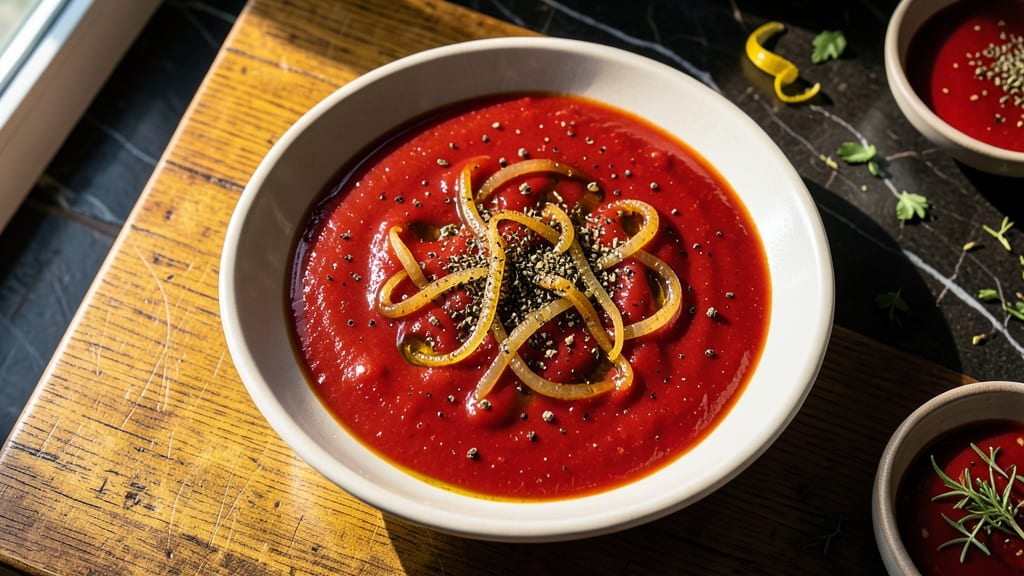
This Amish-style pizza sauce recipe delivers the simple, hearty tomato flavor that defines traditional Amish cooking—no garlic, no complex herbs, just fresh tomatoes, basic spices, and a slow simmer that deepens natural sweetness.
The Amish have long relied on preserved tomatoes and pantry staples to create rich, flavorful sauces that elevate everyday meals, and this version stays true to that heritage while being adaptable for modern kitchens.
The beauty of this sauce lies in its simplicity: just canned tomatoes, onions, a touch of sugar, and a few classic spices that create depth without overpowering.
Unlike many commercial pizza sauces, this one avoids garlic and excessive herbs, focusing instead on the pure tomato flavor that's been a staple in Amish households for generations. The slow simmer reduces the sauce to a thick, velvety consistency perfect for spreading or dipping.
What makes this sauce truly special is its versatility—use it as a pizza topping, dip for breadsticks, or even a base for hearty soups. The recipe yields enough for multiple uses, and you can easily adjust the sweetness or acidity to suit your taste.
With just 15 minutes of active time and 30 minutes of simmering, you'll have a batch of sauce that tastes like it's been simmering all day.
Storage is equally simple: this sauce keeps beautifully in the refrigerator for up to 5 days or can be frozen for 3 months, making it perfect for meal prep.
Whether you're making pizza night special or just want to bring that classic Amish flavor to your table, this recipe delivers restaurant-quality results with minimal effort.
Ingredients for amish pizza sauce
Eight simple ingredients for that classic Amish tomato flavor—no garlic, no fuss, just pure tomato goodness.
| Ingredient | Amount | Notes |
|---|---|---|
| Canned San Marzano Tomatoes 🍅 | 2 cans | 28 oz each, crushed by hand |
| Yellow Onion 🧅 | 1 whole | Medium size, finely chopped |
| Granulated Sugar 🍚 | 1 tbsp | Adjust to taste for sweetness |
| Dried Oregano 🌿 | 1 tsp | Crumbled between fingers |
| Salt 🧂 | 1 tsp | Diamond Crystal preferred |
| Black Pepper 🌶️ | ½ tsp | Freshly cracked for best flavor |
| Olive Oil 🫒 | 1 tbsp | Extra-virgin for richness |
| Fresh Basil Leaves 🌿 | ¼ cup | Packed, chopped finely |
| Red Wine Vinegar 🍷 | 1 tsp | Balances acidity |
San Marzano tomatoes are the gold standard here—Trader Joe's or Whole Foods carry them year-round. Look for the 28-oz cans; they're sweeter and less acidic than regular tomatoes. Fresh basil is ideal, but dried basil at half the amount works in a pinch. The olive oil might seem small, but it's what helps the sauce cling beautifully to pizza dough. For the onions, yellow or sweet onions both work, but yellow adds a touch of bite that traditional Amish recipes often include.
No San Marzano? Any good-quality canned tomatoes will do—just taste and adjust the sugar or vinegar. Swap dried oregano for fresh if you prefer, but use one-third the amount since fresh herbs pack more flavor. The red wine vinegar can be swapped for lemon juice if you don't have it, though it adds a slightly different depth. Want more sweetness? Add another tablespoon of sugar. Need more acidity? A splash of vinegar or even a pinch of citric acid (found in baking aisles) does the trick.
This sauce keeps 5 days in the fridge, so make a big batch and freeze extras in ice cube trays for easy portioning. It reheats beautifully—just warm on the stove with a splash of water if it thickens. The basil wilts fast, so add it fresh just before using or store it separately. For best results, let the sauce cool completely before storing to prevent mold.
Why You'll Love This Recipe
- Pantry Magic: This sauce comes together with just five ingredients—no fancy prep, no special skills. I keep a can of San Marzano tomatoes and a jar of oregano on hand just for this, because it’s the kind of recipe that turns "I don’t feel like cooking" into "I made something delicious."
- Sweet-Savory Balance: That little pinch of sugar isn’t just for sweetness—it cuts through the acidity of the tomatoes and makes the oregano sing. Honestly, the first time I tasted it, I thought, "Why didn’t I do this sooner?" It’s rich without being heavy, tangy without being harsh.
- Weeknight Workhorse: Slather it on crusty bread for a quick dinner, toss it with grilled chicken for a hearty salad, or use it as a marinade for meatballs. I’ve even drizzled it over roasted veggies when I’m out of olive oil—it’s that versatile. (Yes, even on a Tuesday night.)
- Leftovers That Last: A single batch stretches for three pizzas, a batch of meat sauce, and still has enough to freeze for next month. Between us, I’ve had this sauce sit in my fridge for a week and still taste like it was made yesterday—no weird aftertaste, just pure flavor. Budget-friendly? Absolutely.
Step-by-step instructions for Amish-style pizza sauce
This homemade sauce delivers that classic Amish flavor—sweet, tangy, and bursting with fresh herbs.
Sauté the Onion Until Transparent
Heat the 1 tablespoon olive oil in a medium saucepan over medium heat. Add the 1 whole yellow onion, finely chopped, and cook for 5-6 minutes, stirring occasionally. You'll know it's ready when the onion becomes soft and translucent, losing its raw bite. This step builds the sauce's foundation by mellowing the onion's sharpness while developing its sweetness.
Don't rush this step—if the onion starts to brown too quickly, reduce the heat slightly. The goal is to create a flavor base without any color development. I like to stir every minute or so to ensure even cooking and prevent any sticking. This gentle approach preserves the onion's natural sweetness that will shine through in the finished sauce.
Add Tomatoes and Seasonings
Pour in the contents of the 2 cans San Marzano tomatoes, crushing any large chunks with your hands as you add them. Stir in the 1 tablespoon granulated sugar, 1 teaspoon dried oregano, 1 teaspoon salt, and ½ teaspoon black pepper. Bring the mixture to a gentle boil over medium-high heat, then immediately reduce to medium-low heat. This combination of ingredients creates the signature Amish balance—sweet, savory, and slightly tangy.
Let the sauce simmer uncovered for 15 minutes, stirring occasionally. You'll notice the tomatoes break down and thicken slightly as they release their juices. This simmering process allows the flavors to meld together while reducing the sauce to a perfect consistency. The sugar helps balance the acidity of the tomatoes, while the oregano and pepper add that classic Italian herb profile.
Finish with Vinegar and Fresh Basil
After 15 minutes, stir in the 1 teaspoon red wine vinegar. This small addition brightens the sauce with a subtle tang that cuts through the richness. Immediately add the ¼ cup chopped fresh basil leaves and continue simmering for another 5 minutes. The basil will infuse the sauce with its signature fresh aroma while maintaining its vibrant green color.
Taste the sauce and adjust the seasoning if needed. You might want to add a pinch more salt or sugar to achieve the perfect balance. The sauce should be thick enough to coat the back of a spoon but still have a smooth, pourable consistency. Real talk: this is where the magic happens—the combination of sweet, tangy, and herby flavors comes together in perfect harmony.
Cool and Store Properly
Remove the sauce from heat and let it cool to room temperature. This cooling process allows the flavors to settle and intensify. Once cooled, transfer the sauce to an airtight container. It will keep in the refrigerator for up to 5 days, or you can freeze it for up to 3 months for later use.
I always recommend letting the sauce sit for at least 30 minutes before using it on pizza. This resting time allows the flavors to fully develop and the sauce to thicken slightly, ensuring it doesn't soak into your crust instead of creating that beautiful, glossy layer we all love. The longer it sits, the better the flavor becomes—trust the process!
Pro Tips For Making Amish Pizza Sauce
- CRUSH THE ONION: Dice that onion fine—think rice-sized pieces, not thick slices. I used to leave chunks in, and they’d turn to mush while the rest caramelized. A quick pulse in the food processor (no chopping board needed) saves time and keeps texture consistent.
- SIMMER LOW AND LONG: Once the sauce hits a boil, drop the heat to a gentle simmer—not a rolling one. I learned this after scorching three batches; Amish sauce needs time to develop depth, not burn. Thirty minutes uncovered does the trick.
- SALT IN LAYERS: Taste the sauce before adding sugar or oregano—then salt it. The sugar balances acidity, but if you salt last, you’ll either overdo it or miss the mark. Start with ½ teaspoon, adjust, and repeat.
- SKIP THE PEELS: San Marzano tomatoes have thick skins that refuse to break down. Use a spoon to scoop out the flesh without the skins—it cuts down on stringy bits and gives you a smoother sauce. (Yes, it’s extra work, but worth it.)
Creative variations of amish pizza sauce
Classic Amish Tomato Sauce
The original recipe stays true to Amish traditions with its minimal ingredients and slow simmer. The key is using San Marzano tomatoes for their natural sweetness and low acidity—this is what gives the sauce that signature Amish depth.
The 1 tablespoon sugar balances the tomatoes' natural acidity while enhancing their flavor without overpowering. I've found that simmering uncovered for 20 minutes total develops the richest tomato flavor, as it allows excess moisture to evaporate naturally. 🍅
No-Garlic Variation
Many traditional Amish recipes avoid garlic, and this version keeps it simple with just onion, tomatoes, and basic spices. For an even milder flavor, you can reduce the onion to ½ of a small onion and increase the sugar to 1.5 tablespoons to compensate.
The dried oregano and black pepper provide enough warmth without garlic's intensity. This version works beautifully as a dip for breadsticks or a topping for white pizza crusts.
Sweetened Tomato Base
If you prefer a sweeter sauce, increase the sugar to 2 tablespoons and add ½ teaspoon cinnamon for warmth. This variation works wonderfully with apple slices on pizza or as a glaze for roasted meats.
The cinnamon adds a subtle spice that pairs well with mozzarella cheese and caramelized onions. For extra richness, stir in 1 tablespoon tomato paste at the end of cooking to deepen the flavor.
Herb-Free Option
Skip the fresh basil and dried oregano for a completely herb-free version that still delivers bold tomato flavor. Instead, add ½ teaspoon ground allspice or ¼ teaspoon ground cloves for warmth.
This version is perfect for those who prefer a cleaner tomato taste or have herb sensitivities. The red wine vinegar remains essential for balancing the sweetness and adding brightness.
Low-Acid Adaptation
For a milder, less acidic sauce, reduce the red wine vinegar to ½ teaspoon and add ½ teaspoon citric acid (found in baking aisles) to control tanginess. This adjustment works well if you're sensitive to acidity or using very ripe tomatoes.
The sauce will have a smoother, more mellow flavor that still clings beautifully to pizza dough. For extra richness, stir in 1 tablespoon unsalted butter at the end of cooking.
Freezer-Friendly Batch
Double the recipe and freeze half for later use—this sauce freezes exceptionally well. Portion it into ice cube trays for easy single-use servings, then transfer the cubes to a freezer bag. When reheating, thaw in the fridge overnight and warm gently on the stove with a splash of water.
The texture remains smooth, and the flavor intensifies after freezing, making it perfect for meal prep. ❄️
Nutrition facts
Frequently asked questions
Why does this Amish pizza sauce use sugar?
The 1 tablespoon sugar balances the natural acidity of canned tomatoes, creating that signature sweet-tangy flavor traditional Amish recipes are known for. It also helps develop deeper caramelized notes during the simmer, making the sauce richer without adding any artificial ingredients. Many Amish cooks rely on sugar to enhance tomato flavor naturally.
Can I make this sauce without fresh basil?
Swap the ¼ cup fresh basil for 1 teaspoon dried basil or even ½ teaspoon dried marjoram for a similar earthy aroma. The key is adding herbs at the very end to preserve their bright flavors. If you're avoiding all herbs, try ½ teaspoon ground allspice instead for subtle warmth.
How do I adjust if my tomatoes are too acidic?
Add ½ teaspoon more sugar or ½ teaspoon citric acid (found in baking aisles) to balance the acidity. For immediate results, stir in 1 teaspoon honey or maple syrup while simmering. The red wine vinegar can also be reduced to ½ teaspoon if needed. Always taste as you go!
Is this sauce good for freezing?
Yes! This sauce freezes beautifully for up to 3 months. Portion into ice cube trays first for easy single-use servings, then transfer to freezer bags. Thaw overnight in the fridge before using. The texture remains smooth, and flavors actually deepen after freezing—just add a splash of water when reheating if it thickens.
What's the best way to use leftover sauce?
Spread on pizza crusts, use as a dip for breadsticks, or drizzle over roasted vegetables. For extra versatility, thin with 1 tablespoon water to create a light marinade for chicken or pork. The sauce also makes a fantastic base for homemade tomato soup—just add broth and simmer with your favorite vegetables.