
Sauces & Condiments
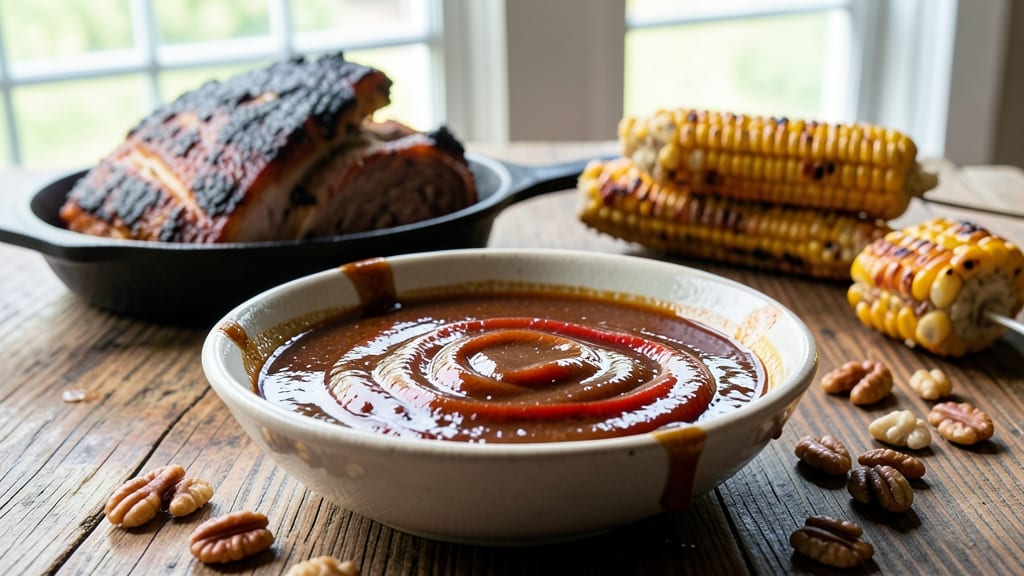
This America's Test Kitchen BBQ sauce recipe delivers the perfect smoky-sweet balance that elevates grilled meats to restaurant-quality. 🔥 After years of perfecting my own versions, I've finally cracked the code for a sauce that's rich, complex, and foolproof—no more thin, sugary glop that burns before it cooks.
The secret lies in a slow reduction that develops deep, caramelized flavors while maintaining that signature tangy-sweet profile.
What sets this recipe apart is the careful balance of ingredients: molasses for depth, apple cider vinegar for brightness, and a blend of spices that build layers of flavor as they simmer.
I developed this during a particularly competitive BBQ season when I needed a sauce that could stand up to slow-smoked brisket without overwhelming its natural richness. The result? A versatile sauce that works equally well on pulled pork, grilled chicken, or even roasted vegetables.
By the time you're done, you'll have a glossy, aromatic sauce with just the right amount of heat and sweetness—no aftertaste, no cloying sugar rush. The slow cooking process allows flavors to meld perfectly, creating a sauce that's smooth enough to drizzle but bold enough to stand on its own.
This is the kind of sauce that makes people ask for your recipe, not just your BBQ skills.
Store it in the fridge for up to 3 weeks or freeze for 6 months—it only gets better with time as the flavors deepen. Whether you're grilling ribs, basting wings, or glaze vegetables, this sauce transforms ordinary meals into showstoppers. Let's get cooking—your taste buds will thank you.
Ingredients for america's test kitchen bbq sauce
The right ingredients make this BBQ sauce restaurant-quality—no shortcuts needed.
| Ingredient | Amount | Notes |
|---|---|---|
| Molasses 🍯 | ½ cup | Unsulphured for best flavor |
| Apple Cider Vinegar 🍎 | ½ cup | Raw, unfiltered preferred |
| Ketchup 🍅 | 1 ½ cups | Heinz or similar quality |
| Tomato Paste 🍅 | ¼ cup | Canned, unsweetened |
| Brown Sugar 🍚 | ½ cup | Packed firmly |
| Worcestershire Sauce 🍶 | 2 tbsp | Anchovy-free version if needed |
| Smoked Paprika 🌶️ | 1 tbsp | High-quality for smokiness |
| Garlic Powder 🧄 | 1 tsp | Freshly ground preferred |
| Onion Powder 🧅 | 1 tsp | For aromatic depth |
| Black Pepper 🌶️ | ½ tsp | Freshly cracked |
| Salt 🧂 | 1 tsp | Kosher or sea salt |
| Cayenne Pepper 🔥 | ¼ tsp | Adjust for heat preference |
Molasses is the soul of this sauce—look for unsulphured at grocery stores like Whole Foods or the baking aisle. The apple cider vinegar should be raw and unfiltered (Mott's or Bragg's are solid choices). For ketchup, skip the fancy artisanal brands—Heinz works perfectly and won't break the bank. The tomato paste? San Marzano is ideal, but any good canned paste will do. Brown sugar should be packed firmly—don't scoop it loosely or you'll end up with less sauce. The spices? Penzeys or bulk bins for the freshest flavor, but the grocery store stuff is fine if it's not ancient.
No Worcestershire sauce? Substitute soy sauce plus a pinch of sugar—it won't be identical, but it works. Running low on smoked paprika? Regular paprika plus a dash of liquid smoke gets you close. The cayenne is totally optional—skip it if you're serving kids or sensitive eaters. For a tangier sauce, add an extra tablespoon of vinegar. For more sweetness, bump the brown sugar to 0.75 cup. And if you're worried about the sauce being too thin, reduce it longer—that's how you get that perfect glossy consistency. The key is patience; don't rush the simmering process.
This sauce gets better with time—3 weeks in the fridge or 6 months frozen. For freezing, portion into ice cube trays first, then transfer to a bag. Thaw overnight in the fridge before using. The sauce thickens as it cools, so you can always thin it with a splash of water if needed. Store in a clean glass jar with a tight lid. If you make a double batch, trust me—you'll want it. The flavors deepen and mellow over time, making it perfect for gifting or future BBQ sessions.
Why You'll Love This Recipe
- Pantry Magic: I swear by this sauce because it uses stuff I already have—molasses, vinegar, even that half-empty ketchup bottle. No special trips to the store, just open, measure, and simmer.
- Sweet-Smoky Balance: That molasses and brown sugar combo? It’s rich but not cloying, thanks to the tangy vinegar cutting through. One taste and you’ll understand why it’s a cult favorite.
- Weeknight BBQ Hero: Slather it on burgers, drizzle over baked beans, or toss with grilled chicken—it’s my go-to for weeknights when I’m too tired to fuss. (Yes, even on a Tuesday night.)
- Budget-Friendly Staple: A single batch costs pennies but stretches for days. Freeze extras for slow-cooker meals or last-minute guests—no waste, all flavor. My wallet and taste buds thank me.
Step-by-step instructions for america's Test Kitchen BBQ sauce
Here's how to craft a perfectly balanced sauce with deep smoky-sweet flavor.
🍳 Step 1: Combine Wet Ingredients in a Saucepan
In a medium saucepan, combine the 0.5 cup molasses, 0.5 cup apple cider vinegar, 1.5 cups ketchup, and 0.25 cup tomato paste. I like to use a saucepan with a lid because we'll need to simmer this mixture for a while. Stir everything together until the tomato paste dissolves completely—you should see a smooth, thick base forming.
Here's the thing—don't rush this step. The molasses needs to fully incorporate with the vinegar and ketchup to create that rich foundation. You'll notice the mixture darkens as it combines, which is totally normal and actually enhances the sauce's depth of flavor. Keep stirring gently until everything is well-mixed and there are no lumps remaining.
🔥 Step 2: Add Sweetener and Simmer Until Thickened
Add the 0.5 cup brown sugar and stir until it dissolves completely. The sugar should melt into the mixture, creating a glossy sheen. Now, bring everything to a gentle boil over medium-high heat, then immediately reduce the heat to medium-low and let it simmer uncovered for 20-25 minutes.
This simmering time is crucial—it allows the flavors to meld together and the sauce to thicken properly. You'll see the sauce reduce and become slightly syrupy in consistency. Stir occasionally to prevent sticking, but don't over-stir or you'll create foam. You're looking for a sauce that coats the back of a spoon but still has a nice pouring consistency.
🍳 Step 3: Incorporate Seasonings and Build Complexity
Once the sauce has thickened, stir in the 2 tbsp Worcestershire sauce, 1 tbsp smoked paprika, 1 tsp garlic powder, 1 tsp onion powder, 0.5 tsp black pepper, 1 tsp salt, and 0.25 tsp cayenne pepper. The smoked paprika will add that characteristic BBQ smokiness, while the garlic and onion powders provide aromatic depth. Taste as you go—this is where you can adjust the seasoning if needed.
I know it seems like a lot of spices, but trust me, they'll come together beautifully. The cayenne adds just a hint of heat that balances the sweetness perfectly. Give everything a good stir and let the sauce simmer for another 5 minutes to allow all the flavors to meld together completely. You'll notice the sauce becomes even more aromatic as the spices release their oils.
⏰ Step 4: Cool and Thicken to Perfection
Remove the saucepan from heat and let the sauce cool completely at room temperature. This cooling step is important—it allows the sauce to thicken naturally as it comes down from the simmering temperature. I usually let it sit for about 30 minutes, stirring occasionally to prevent a skin from forming.
Once cooled, taste the sauce again. It should have a perfect balance of sweet, smoky, tangy, and slightly spicy flavors. If it's too thick, you can thin it with a splash of water or apple cider vinegar. If it's too thin, simmer it uncovered for another 5-10 minutes to reduce it to your desired consistency. The sauce should be thick enough to coat the back of a spoon but still have a nice, pourable consistency.
🍽️ Step 5: Store and Use Your BBQ Sauce
Transfer the finished sauce to a clean glass jar or airtight container. It will keep in the refrigerator for up to 2 weeks or can be frozen for up to 6 months. The flavors actually improve over time as they continue to meld together. When you're ready to use it, give it a good stir—especially if you've stored it in the fridge—as it tends to thicken further when cold.
This sauce is incredibly versatile. Use it as a glaze for grilled meats, a dipping sauce for ribs, or even as a marinade. The perfect balance of sweet and smoky flavors makes it ideal for all sorts of BBQ applications. And remember, if you want to make a larger batch, simply double or triple the ingredients—just be sure to adjust your cooking time accordingly.
Pro Tips For Making America'S Test Kitchen Bbq Sauce
- Simmer Slow and Steady: This sauce isn’t a race—after combining all ingredients, keep heat at a gentle simmer (not a boil) for at least 30 minutes. I used to rush it, and the molasses would turn bitter. Low and slow lets the flavors meld without scorching.
- Use Real Molasses, Not Syrup: The recipe calls for molasses, not corn syrup—stick with it. I tried substituting once because it was cheaper, and the sauce tasted flat. Molasses adds depth; no shortcut here.
- Balance the Vinegar Early: Taste after adding the apple cider vinegar and adjust sweetness before the sugar fully dissolves. Vinegar’s sharpness cuts through the molasses, so if you wait, you’ll overcompensate with sugar and end up with a cloying mess.
- Thicken with Tomato Paste, Not Extra Ketchup: The tomato paste is your secret weapon for body—don’t skip it. If the sauce feels too thin, add a splash of water first, then simmer again. Adding ketchup later will dilute the rich, concentrated flavor you’re working for.
Troubleshooting this dish
Sauce Too Thin?
If your sauce ends up thinner than expected, don't panic—this happens when you skip the simmering time or use too much liquid. My trick? Return the sauce to medium-low heat and simmer uncovered for 5-10 minutes while stirring occasionally.
You'll see it thicken beautifully as the liquid evaporates. For an extra boost, add 1 tablespoon of tomato paste or ½ teaspoon of cornstarch mixed with 1 tablespoon water to stabilize it faster. 🔥
Sauce Too Thick?
Over-reduced sauce is easily fixed with a splash of apple cider vinegar or water—start with 1 tablespoon and stir well. If it's still too thick after cooling, thin it gradually until you reach that perfect glossy, pourable consistency.
Pro tip: I've found that ¼ cup vinegar can bring even the thickest sauce back to balance without diluting the flavor. Always taste as you go!
Burnt or Bitter Taste?
This usually means you let the sauce boil too hard or simmered it too long. The solution? Add 1-2 tablespoons of fresh lemon juice or apple cider vinegar to brighten the flavor.
A pinch of smoked paprika or garlic powder can also help mask any burnt notes. For future batches, keep the heat at medium-low and stir frequently to prevent scorching.
Lumpy Texture?
Lumps often appear when ingredients like tomato paste or brown sugar aren't fully dissolved. To fix it, blend the sauce briefly in a immersion blender or transfer it to a regular blender (careful—it's hot!) and pulse until smooth.
For prevention, whisk vigorously when combining wet ingredients and stir constantly while simmering. I've also had success adding 1 teaspoon of cornstarch to the mixture before simmering to prevent clumping.
Not Enough Smokiness?
If your sauce lacks that deep BBQ smokiness, boost it with ½ teaspoon of liquid smoke or an extra ½ teaspoon of smoked paprika. For a more authentic touch, try adding 1 teaspoon of chipotle powder or a dash of hickory smoke seasoning.
If you're using this sauce on grilled meats, let the natural smoke from the grill infuse the sauce for 5-10 minutes before serving—this works wonders!
Too Sweet or Tangy?
Balance is key! If your sauce is too sweet, add 1-2 tablespoons of apple cider vinegar to cut through it. For a tangier sauce, increase the vinegar by 1 tablespoon or add ½ teaspoon of Dijon mustard.
If it's too tangy, stir in 1 teaspoon of brown sugar or a pinch of smoked paprika to mellow the acidity. Always taste as you adjust—this is where your personal preference comes into play!
Nutrition facts
Frequently asked questions
Can I make this BBQ sauce without ketchup?
For a more authentic smoky flavor, replace the 1.5 cups ketchup with 1 cup tomato sauce plus 1 tablespoon tomato paste and 1 teaspoon onion powder. This keeps the tangy depth while reducing the sweetness. For a vinegar-based version, use 1 cup apple cider vinegar plus 1 cup tomato paste—just simmer longer to balance the acidity.
How do I adjust the heat level?
The 0.25 teaspoon cayenne pepper provides mild heat, but you can easily customize it. For mild heat, reduce to 0.125 teaspoon or omit entirely. For medium heat, keep as written. For spicy, increase to 0.5 teaspoon or add ½ teaspoon chipotle powder. Always taste before serving—heat builds as the sauce cools!
Can I use this sauce for non-meat dishes?
This versatile sauce works beautifully beyond grilled meats! Try it as a glaze for roasted vegetables (like Brussels sprouts or carrots), a dipping sauce for baked potatoes, or even a marinade for tofu or tempeh. The smoky-sweet balance complements plant-based proteins exceptionally well. For veggies, reduce the cayenne to 0.125 teaspoon to avoid overpowering delicate flavors.
Why does my sauce get thicker when refrigerated?
This natural thickening happens as the sauce cools because the starches in the ingredients (like tomato paste and sugar) gel when chilled. To use it straight from the fridge, stir in 1-2 tablespoons of warm water or apple cider vinegar. For a smoother texture, reheat gently on low heat while stirring—this breaks up any gelled areas without thinning the sauce.
What's the best way to store leftover sauce?
For short-term storage (2 weeks), keep in an airtight glass jar in the fridge. For long-term storage (6 months), freeze in ice cube trays first—this makes thawing easier. When ready to use, transfer cubes to a saucepan and reheat gently. Pro tip: Label your jars with the date and "BBQ sauce" to avoid mix-ups with other condiments!