
Sauces & Condiments
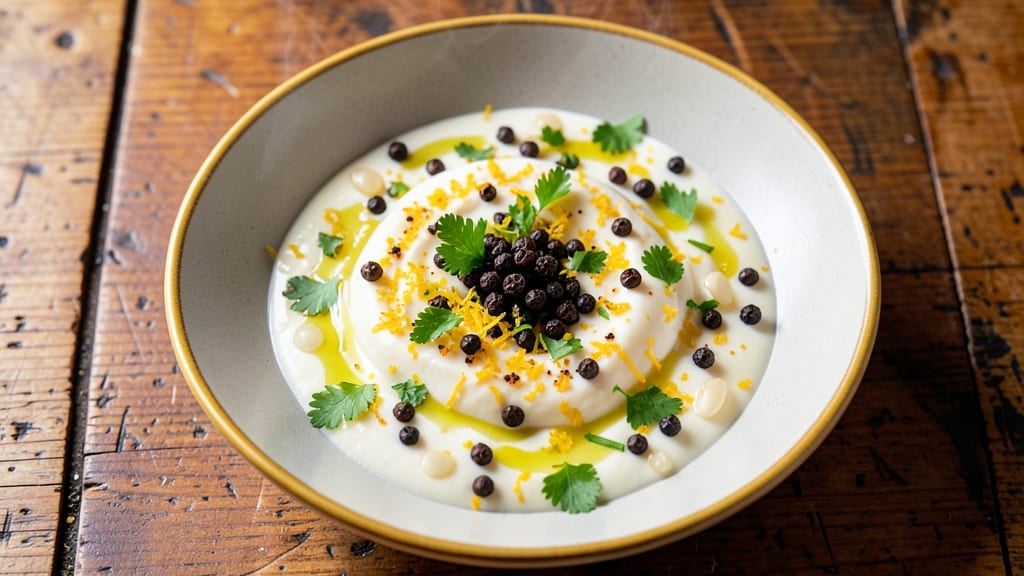
This American deli lemon pepper sauce transforms ordinary dishes into restaurant-worthy meals with just a few simple ingredients. The bright citrus notes and bold black pepper create that signature tangy kick you crave on sandwiches, fries, or grilled meats.
I developed this recipe after realizing how much better homemade sauce tastes compared to store-bought versions—it’s fresher, more flavorful, and completely customizable.
The secret lies in balancing lemon juice with just the right amount of black pepper and a touch of garlic for depth. A splash of buttermilk adds creaminess without overpowering the zesty profile, while fresh herbs like parsley or dill bring a bright finish.
This sauce comes together in minutes, but the flavors develop even more when refrigerated, making it perfect for meal prep.
What makes this sauce truly versatile is its ability to elevate everything from deli sandwiches to roasted chicken or even seafood. The tangy, slightly spicy flavor cuts through rich meats and pairs beautifully with crisp vegetables.
With no artificial ingredients or preservatives, you’ll notice the difference immediately—every bite is brighter and more satisfying.
Store the sauce in an airtight container in the refrigerator for up to a week, or freeze it for longer shelf life. Whether you're drizzling it over fries, mixing it into marinades, or using it as a dipping sauce, this lemon pepper creation will quickly become your go-to condiment.
Let’s get started!
Ingredients for american deli lemon pepper sauce
Bright citrus, creamy tang, and bold pepper—this sauce turns simple bites into deli-worthy magic.
| Ingredient | Amount | Notes |
|---|---|---|
| Fresh Lemon Juice 🍋 | ½ cup | Freshly squeezed, seeds removed |
| Buttermilk 🥛 | ¼ cup | Full-fat for creaminess |
| Extra-Virgin Olive Oil 🫒 | ¼ cup | High-quality, fruity variety |
| Black Peppercorns 🌶️ | 2 tbsp | Freshly cracked, coarse grind |
| Garlic Cloves 🧄 | 2 cloves | Fresh, minced finely |
| Fresh Parsley 🌿 | ¼ cup | Chopped finely, stems removed |
| Fresh Dill 🌿 | ¼ cup | Chopped finely, or sub parsley |
| Granulated Garlic Powder 🧄 | 1 tsp | For extra depth |
| Diamond Crystal Kosher Salt 🧂 | ½ tsp | Adjust to taste |
| Honey 🍯 | 1 tbsp | For subtle sweetness |
The lemon juice is your flavor foundation—pick Meyer lemons if you can (they’re sweeter and more fragrant), but standard lemons work perfectly. Trader Joe’s and Whole Foods sell them year-round, and they’re worth the splurge for this sauce. Freshly cracked black pepper is non-negotiable—pre-ground loses its punch fast. I always grab mine from Penzeys or the bulk section at Costco. The buttermilk adds that signature tangy richness, so don’t skimp on the full-fat version. For the herbs, fresh is ideal, but if you’re in a pinch, dried dill at one-third the amount works in a bind.
No fresh herbs? Dried parsley or dill (one-third the quantity) keeps the bright flavor, though fresh is always better. Short on lemon juice? Substitute lime juice for a sharper twist, but reduce the honey slightly to balance. Want extra heat? Add a pinch of cayenne pepper or a dash of hot sauce. The honey rounds out the tang—if you’re avoiding sugar, maple syrup works beautifully. For a smoother texture, blend everything until silky, or leave it slightly chunky for rustic appeal. This sauce is incredibly forgiving, so play with ratios until it sings.
Store in a clean glass jar with a tight lid in the fridge for up to 1 week, or freeze for 3 months—it actually tastes better after a day or two as flavors meld. I like to portion it into small containers so it’s ready to grab for sandwiches or dipping. The sauce thickens when chilled, so give it a quick stir before using. If it separates, just whisk it back together—it’s all part of the charm. Trust me, you’ll want to make double.
Why You'll Love This Recipe
- Five-Ingredient Magic: I swear by this list—no fancy tools, just a knife, a bowl, and 10 minutes. The buttermilk and olive oil blend like they were meant to, while the peppercorns and garlic cloves crush in seconds (no food processor needed).
- Bright & Tangy Kick: That lemon juice cuts through everything—like a zesty hug for your taste buds. The black peppercorns add a subtle heat, and the garlic? Oh, it’s the secret weapon that makes this sauce ridiculously good on anything.
- Weeknight Superstar: Slather it on grilled chicken, toss it with pasta, or drizzle it over roasted veggies—it works for breakfast, lunch, or dinner. Honestly, I’ve even used it as a marinade for shrimp (yes, even on a Tuesday night).
- Lasts All Week: Make a double batch and store it in the fridge—it keeps for easily five days. The buttermilk thickens just right, so it doesn’t separate, and the flavor only gets better as the citrus mellows. Budget-friendly? Absolutely.
Step-by-step instructions for American deli lemon pepper sauce
Here's how to blend bright citrus, creamy tang, and bold pepper into a signature sauce that elevates any sandwich.
Toast the Peppercorns and Garlic
Heat a dry skillet over medium-low heat and add the 2 tablespoons black peppercorns. Toast them for 2-3 minutes until fragrant and slightly darkened—you'll smell their essential oils releasing. Immediately transfer them to a small bowl and let cool completely. This step intensifies their flavor without burning them.
While the peppercorns toast, peel and finely mince the 2 cloves garlic. Add them to the same skillet and cook for 30 seconds until just golden around the edges—don't let them brown or they'll turn bitter. Remove from heat and combine with the cooled peppercorns in the bowl.
Blend the Wet Ingredients
In a blender or food processor, combine the 0.5 cup fresh lemon juice, 0.25 cup buttermilk, and 0.25 cup extra-virgin olive oil. Blend on high speed for 10-15 seconds until completely emulsified—the mixture should look silky and uniform. The buttermilk adds creaminess while the olive oil creates that signature deli-style richness.
With the blender running, slowly pour in the 1 tablespoon honey through the feed tube. This prevents splattering and ensures even distribution. The honey balances the acidity and adds a subtle sweetness that rounds out the sauce's complexity.
Add Herbs and Seasonings
Add the 0.25 cup fresh parsley, 0.25 cup fresh dill, toasted peppercorns, and minced garlic to the blender. Pulse 2-3 times to break up the herbs, then blend again on high for 20-30 seconds until completely smooth. The herbs should be fully incorporated without any visible chunks.
With the blender still running, add the 1 teaspoon granulated garlic powder and 0.5 teaspoon kosher salt. Blend for another 10 seconds to fully distribute these dry ingredients. Taste the sauce—it should be tangy, peppery, and herbaceous with a bright lemon finish. Adjust the salt if needed, but the honey and buttermilk should balance the acidity perfectly.
Strain and Adjust Consistency
Pour the sauce through a fine-mesh strainer into a clean bowl or jar, pressing gently on the solids with a spoon to extract all the liquid. This ensures a silky texture without any herb bits. The strained sauce should be smooth with a vibrant greenish-yellow hue from the herbs and lemon.
For a thicker sauce suitable for dipping or drizzling, let it sit at room temperature for 15-20 minutes—the buttermilk will naturally thicken slightly. If you prefer it thinner for dressing purposes, whisk in 1-2 tablespoons water until you reach your desired consistency. The sauce should coat the back of a spoon but still pour easily.
Pro Tips For Making American Deli Lemon Pepper Sauce
- TOAST THE PEPPERCORNS: Freshly cracked black peppercorns pack more punch when toasted—just dry-toast them in a skillet over medium for 30 seconds until fragrant. I learned this the hard way when my sauce tasted flat; the heat wakes up their oils and makes the pepper sing.
- STRAIN THE GARLIC: After mincing, press the garlic cloves through a fine-mesh strainer to remove the tough skins—no need to pulverize them into paste. This keeps the texture smooth without that gritty aftertaste that ruins the sauce’s silky finish.
- WHISK IN STAGES: Add the buttermilk to the olive oil slowly while whisking vigorously, then finish with lemon juice—this prevents curdling. I used to dump everything in at once, and half the time, I’d end up with a separated mess.
- USE COLD BUTTERMILK: Pull the buttermilk straight from the fridge and let it sit out for just 5 minutes before mixing—it blends more evenly with the oil. Warm buttermilk turns the sauce into a greasy lump, and nobody wants that.
Troubleshooting this recipe
Lemon Juice Too Sour
If your sauce tastes overly acidic, balance it by adding 1-2 teaspoons honey or 1 teaspoon maple syrup to sweeten the tartness. The honey in the original recipe already helps, but if you used extra-lemon varieties like Eureka lemons, they’re more acidic.
For a smoother fix, whisk in 1 tablespoon buttermilk—it mellows the sharpness while keeping the tang. Taste as you go, since lemon juice varies in acidity by season. 🍋
Pepper Overpowering
Too much black pepper heat? Dilute the sauce by stirring in 1-2 tablespoons water or buttermilk. If you toasted the peppercorns too long, their oils became more concentrated. For future batches, reduce the toast time to 1-2 minutes and use 1 tablespoon whole peppercorns instead of 2 tablespoons.
A pinch of salt (up to ¼ teaspoon) also helps balance the pepper’s sharpness. 🌶️
Sauce Separates
Buttermilk-based sauces often split when chilled. Fix this by whisking vigorously or blending again until smooth. For prevention, ensure all ingredients are at room temperature before blending. If the separation persists, stir in ½ teaspoon xanthan gum (a stabilizer) or 1 teaspoon cornstarch mixed with water.
The sauce should emulsify back into a creamy consistency. ⚡
Herbs Too Strong
Fresh herbs can dominate if overused. Reduce the parsley or dill to 2 tablespoons next time, or blend longer to break them down further. If the flavor is still too intense, add 1 tablespoon olive oil to mellow the herbs’ brightness.
For a milder taste, use dried herbs (one-third the amount) in future batches. The sauce’s balance depends on freshness—older herbs lose their potency faster. 🌿
Not Tangy Enough
Need more zing? Boost the tang by adding 1 tablespoon additional lemon juice or ½ tablespoon apple cider vinegar. For a deeper flavor, infuse the olive oil with 1 clove garlic or a pinch of red pepper flakes before blending.
If the sauce feels flat, a splash of buttermilk (even 1 tablespoon) enhances the creamy acidity. Trust your taste—this sauce is meant to be bold! 💫
Storage Issues
If your sauce develops mold or an off smell after refrigeration, it’s time to toss it. Always store in a clean, airtight glass jar—plastic can absorb odors. For longer shelf life, freeze in ice cube trays, then transfer to a bag.
Thaw overnight in the fridge. The sauce’s texture may thin slightly after freezing, so stir in 1 teaspoon cornstarch if needed. When in doubt, make a fresh batch—it’s that good! ❄️
Nutrition facts
Frequently asked questions
Can I make this sauce without a blender?
Yes! For a chunkier texture, finely chop all ingredients by hand and whisk them together in a bowl. Use a mortar and pestle for the peppercorns and garlic to release their oils. The sauce will be rustic but still flavorful—just stir well and let it sit for 10 minutes before tasting to let flavors meld.
How long does this sauce keep in the fridge?
This lemon pepper sauce stays fresh for up to 1 week when stored in an airtight glass container in the refrigerator. The flavors actually improve after 24 hours as the ingredients meld. For longer storage, freeze in ice cube trays for up to 3 months—perfect for meal prep!
What are the best uses for this sauce?
This versatile sauce works as a dipping sauce for fries or veggies, a sandwich spread, a marinade for chicken or fish, or a drizzle over salads. Try it on grilled meats, roasted potatoes, or even as a finishing sauce for tacos. The bright citrus and peppery kick elevate everything from deli sandwiches to seafood dishes.
Can I substitute buttermilk in this recipe?
Use ¼ cup plain yogurt or ¼ cup milk + 1 teaspoon vinegar (let sit for 5 minutes to curdle). For a dairy-free option, substitute ¼ cup coconut yogurt or ¼ cup unsweetened almond milk + 1 teaspoon lemon juice. The tangy creaminess is key, so choose a thick, tangy alternative.
Why does my sauce look separated after refrigerating?
This is normal with buttermilk-based sauces. Whisk or blend again until smooth—it should emulsify back into a creamy texture. For prevention, ensure all ingredients are at room temperature before blending. If it continues separating, stir in ½ teaspoon xanthan gum or 1 teaspoon cornstarch mixed with water.