
Sauces & Condiments
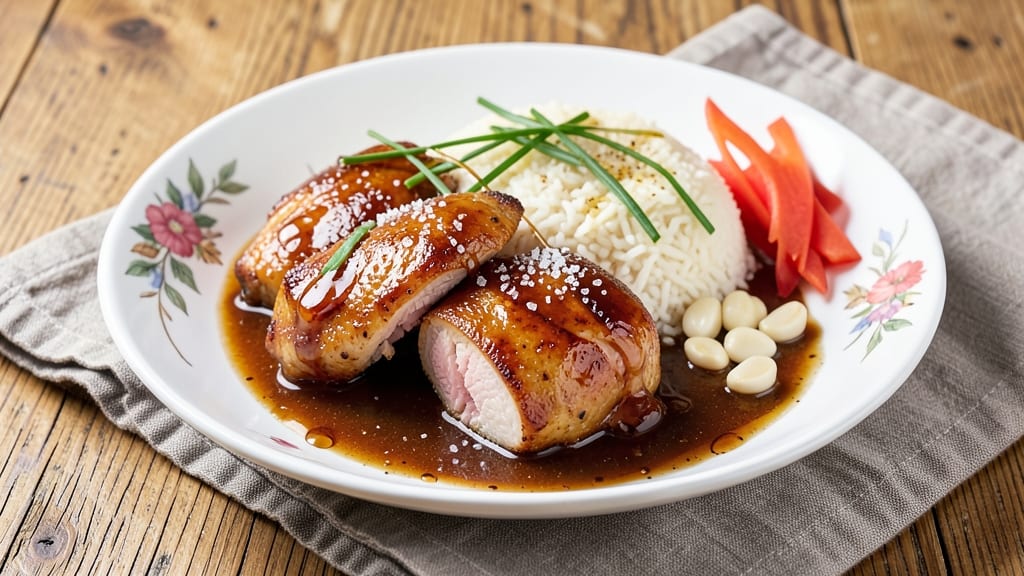
This all sauce recipe transforms simple pantry staples into a game-changing condiment that works as a dip, marinade, or finishing sauce.
The magic lies in balancing umami-rich soy sauce with bright vinegar, aromatic ginger, and a touch of sweetness—creating a versatile base that elevates everything from grilled meats to crispy fries.
I developed this after years of tinkering with Asian-inspired sauces, and it’s now my secret weapon for adding depth without extra effort.
The beauty of this sauce is its adaptability—start with the core ingredients, then customize with chili paste for heat, sesame oil for nuttiness, or citrus zest for brightness. It’s foolproof and ready in just 15 minutes, making it perfect for weeknight meals or last-minute entertaining.
The key is tasting as you go, adjusting the balance until it sings with flavor.
What you’ll end up with is a rich, aromatic sauce that clings beautifully to proteins, enhances stir-fries, or doubles as a tangy dip for spring rolls. Its versatility means you can keep a bottle in your fridge for quick flavor boosts—no more scrambling for the right condiment.
This is the kind of sauce that makes home cooking taste like it came from a restaurant.
Use it to glaze grilled chicken, toss with noodles, or drizzle over roasted vegetables—this sauce does it all. Let’s make it!
Ingredients for all sauce
Nine pantry staples transform into a restaurant-quality sauce that does it all.
| Ingredient | Amount | Notes |
|---|---|---|
| Soy Sauce 🍶 | ½ cup | High-quality, preferably Japanese style |
| Rice Vinegar 🍶 | ½ cup | White or seasoned variety |
| Fresh Ginger 🌿 | ½ cup | Finely grated, aromatic |
| Granulated Sugar 🍯 | ¼ cup | Or honey/maple syrup |
| Sesame Oil 🫒 | 1 tbsp | Toasted, for nuttiness |
| Garlic Cloves 🧄 | 4 cloves | Minced, fresh preferred |
| Red Chili Flakes 🌶️ | 1 tsp | Adjust for heat preference |
| Salt 🧂 | ½ tsp | Diamond Crystal preferred |
| Water 💧 | ½ cup | Room temperature |
The soy sauce is the umami backbone—Kikkoman or Yamasa are my go-tos for that deep, salty complexity. Fresh ginger matters here: organic ginger from the produce section (not the jarred kind) gives the best zing. If you're using pre-minced garlic, drain and rinse it first—it's packed with water. For the vinegar, seasoned rice vinegar adds subtle sweetness, but plain white works too if that's what you've got. The sugar is non-negotiable for balance—it cuts the acidity and rounds out the flavors. Trader Joe's has great bulk bins for all these staples if you want to stock up.
No sesame oil? Toasted peanut oil at half the amount works in a pinch, though it'll have a different profile. Short on garlic? One extra clove of ginger adds depth. Want more heat? Add 1/2 tsp chili paste or a dash of sriracha. For a sweeter version, swap sugar for honey or maple syrup. The water is just for thinning—adjust to reach your desired consistency. Pro tip: Taste as you go—this sauce is all about balance, and you might need more vinegar or sugar depending on your soy sauce's saltiness.
This sauce keeps for 2 weeks in the fridge sealed in a jar. The flavors actually improve over time as everything melds together. For longer storage, freeze in ice cube trays—perfect for portion control. If it thickens, just add a splash of water or vinegar to loosen it up. I like to make a big batch and keep it on hand for quick flavor boosts—it's my secret weapon for elevating everything from stir-fries to grilled meats.
Why You'll Love This Recipe
- Pantry Magic: I swear by this sauce—I mix it from ingredients I always have. No shopping trips, no forgotten spices, just soy, vinegar, and ginger that transform whatever I’m cooking.
- Umami Bomb: That balance of salty soy and bright vinegar? It’s addictive. A splash of sesame oil ties it all together—like a flavor hug for your food.
- Game for Any Meal: Drizzle it on noodles, toss with veggies, or glaze proteins. It’s my secret weapon for weeknight dinners, potlucks, or even takeout night when I’m lazy.
- No-Waste Winner: A little goes a long way, so I make a big batch. Leftovers keep for weeks, and the cost? Pennies per serving. Budget-friendly doesn’t get better than this.
Step-by-Step instructions for all sauce recipe
Here's how to craft this adaptable sauce that works for everything from marinades to dipping sauces.
Prepare the Ginger and Garlic Base
In a medium saucepan, combine the 0.5 cup fresh ginger (finely grated) and 4 cloves garlic cloves (minced). Let them sit for 5 minutes at room temperature while you gather the remaining ingredients. This brief rest enhances their aromatic potential and makes them more flavorful once cooked.
Heat the saucepan over medium-low heat and add the 1 tbsp sesame oil. Cook the ginger and garlic for 2-3 minutes until the garlic becomes fragrant but hasn't yet turned golden. Watch carefully—the garlic burns quickly, and that would make the entire sauce bitter. Once fragrant, remove the pan from heat and set aside temporarily.
Combine Wet Ingredients
Return the saucepan to medium heat and add the 0.5 cup soy sauce, 0.5 cup rice vinegar, and 0.25 cup granulated sugar. Stir to dissolve the sugar completely, which should take about 1 minute. The mixture will begin to simmer gently as the sugar integrates.
Here's the thing—don't rush the sugar. Let it fully dissolve before adding anything else. If you add the ginger-garlic mixture too soon, you'll end up with undissolved sugar crystals that create a gritty texture. Once everything is smooth and combined, stir in the 0.5 tsp salt and 1 tsp red chili flakes.
Simmer and Thicken the Sauce
Pour in the 0.5 cup water and bring the mixture to a gentle boil over medium-high heat. Once boiling, reduce the heat to low and let it simmer uncovered for 10-12 minutes. You're looking for the sauce to reduce by about one-third, until it coats the back of a spoon.
During this time, taste the sauce and adjust the seasoning if needed. If it's too sweet, add a splash more rice vinegar. If it's too salty, add a pinch more sugar. The sauce should balance sweet, salty, tangy, and spicy notes. When it reaches the right consistency, remove it from heat and let it cool for 5 minutes before transferring to a jar.
Finish and Store for Versatility
Return the saucepan to low heat and stir in the ginger-garlic mixture you set aside earlier. Let it warm through for 1-2 minutes—this ensures all the flavors meld together perfectly. The sauce should now have a glossy sheen and a thick, syrupy consistency that's ideal for dipping, glazing, or marinating.
Let the sauce cool completely before storing in an airtight container in the refrigerator for up to 2 weeks. This sauce is incredibly versatile—use it as a dipping sauce for spring rolls, a marinade for grilled meats, or a dressing for noodles. The balance of flavors makes it adaptable to almost any dish.
Pro Tips For Making All Sauce
- Simmer Ginger Low and Slow: I learned this the hard way—chopping ginger fine and tossing it in raw is a waste. Instead, slice it thinly (about 1/8-inch) and simmer it in the sauce for 3-4 minutes first. This softens it enough to blend seamlessly without any gritty surprises, and it releases its aroma into the sauce like a slow dance.
- Balance Vinegar Gradually: Rice vinegar can turn your sauce into a pucker bomb if you dump it all in at once. Start with half the amount, taste, then add the rest a teaspoon at a time—you’re aiming for bright, not sour. (Yes, even if you’re impatient like me.)
- Skip the Boil for Sesame Oil: Adding sesame oil at the end and letting it sit off the heat for 30 seconds is non-negotiable. If you boil it, you’ll kill its nutty aroma and turn it into a bitter afterthought. Just stir it in last, let it mellow, and walk away for a minute.
- Use Dark Soy First: My grandmother swore by this, and she was right: start with 1 tablespoon of dark soy sauce (not regular) to deepen the color before adding the rest. It gives the sauce that rich, glossy finish without overpowering the flavor—like a little insurance policy for visual appeal.
Regional styles of this all sauce
Japanese Shoyu Ponzu
This variation transforms the all sauce into a Japanese-inspired ponzu by swapping rice vinegar for ½ cup citrus ponzu sauce and adding 2 tbsp freshly grated yuzu peel (or substitute 1 tbsp lemon zest).
Use Kikkoman soy sauce and reduce the sugar to 2 tbsp—the ponzu already adds natural sweetness. Finish with 1 tsp grated daikon radish for umami depth. 🍋
Thai-Inspired Nam Prik
For a Thai-inspired twist, replace soy sauce with ½ cup fish sauce and rice vinegar with ½ cup lime juice. Add 1 tbsp palm sugar (or brown sugar) and 1 stalk lemongrass, finely minced.
Stir in 1 tbsp shrimp paste (optional but adds incredible depth) after simmering. Serve as a dipping sauce for spring rolls or grilled skewers.
Korean Gochujang Glaze
Blend the all sauce with 2 tbsp gochujang and 1 tbsp honey for a Korean-inspired glaze. Use ½ cup soy sauce and ¼ cup apple cider vinegar instead of rice vinegar.
Simmer for 8-10 minutes to meld flavors, then finish with 1 tsp toasted sesame seeds. This glaze is perfect for grilled meats or roasted vegetables.
Fusion Garlic-Herb Sauce
Swap ginger for 2 tbsp fresh rosemary and 2 tbsp fresh thyme, finely chopped. Use ½ cup white wine vinegar and 1 tbsp balsamic vinegar for depth.
Add 1 tbsp Dijon mustard and 1 tsp Worcestershire sauce for complexity. This sauce works beautifully as a marinade for chicken or a dip for fries.
Sweet Chili Dipping Sauce
Replace red chili flakes with 2 tbsp sweet chili sauce (like Maesri) and add 1 tbsp rice vinegar for balance. Use ½ cup honey instead of granulated sugar.
Finish with 1 tsp lime zest and 1 tbsp chopped cilantro. This sauce is a crowd-pleaser for spring rolls, dumplings, or grilled shrimp.
Smoky Chipotle Version
Add 1 tbsp adobo sauce (from canned chipotles) and ½ tsp smoked paprika for a smoky kick. Use ½ cup apple cider vinegar and reduce the sugar to 2 tbsp.
Simmer for 10 minutes to deepen the smoky flavor. This sauce pairs perfectly with grilled meats or as a marinade for pork ribs. 🔥
Nutrition facts
Frequently asked questions
Can I make this sauce without fresh ginger?
Yes, but the flavor will be less vibrant. Use 1 tbsp ground ginger or 2 tbsp ginger powder instead, but add it with the wet ingredients at the beginning of Step 2. For best results, try to find fresh ginger—its bright, zesty notes are essential to the sauce's balance. If you can't find it, jarred ginger paste works in a pinch, but it may make the sauce slightly watery.
How can I adjust the sauce for spicier or milder heat?
For extra heat, add ½ tsp extra chili flakes or 1 tsp sriracha at the end. For milder heat, reduce the chili flakes to ½ tsp or omit them entirely. If you prefer smoky heat, stir in ½ tsp smoked paprika after simmering. Always taste as you go—this sauce is all about customization!
Will this sauce work as a marinade?
This sauce is perfect for marinating proteins like chicken, pork, or tofu. For best results, use it within 4 hours of making it (fresh flavors work best). Combine ½ cup sauce with 1 tbsp oil and marinate for 30-60 minutes for poultry or 1-2 hours for beef. The sauce's balance of sweet, tangy, and umami flavors makes it ideal for grilling or roasting.
Can I make this sauce vegan?
Yes! Simply swap the soy sauce for tamari or coconut aminos (both are vegan-friendly). The rest of the ingredients are already plant-based. For extra depth, add 1 tbsp miso paste with the wet ingredients. The sauce will still deliver that same rich, aromatic profile while being fully vegan.
Why did my sauce turn out too thick?
This usually happens if the sauce simmers too long. The goal is to reduce by about one-third, so keep an eye on it. If it's too thick, stir in 1-2 tbsp water or vinegar to loosen it up. For next time, reduce the heat to low once it starts simmering to control the thickness better. The sauce should coat the back of a spoon but still be pourable.