
Sauces & Condiments
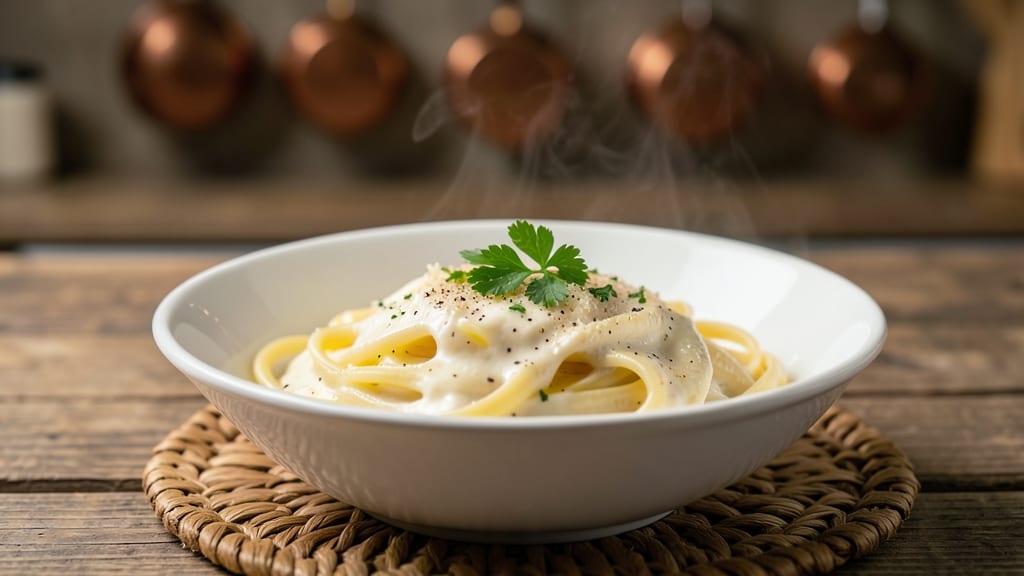
This alfredo sauce recipe with ricotta cheese delivers restaurant-quality creaminess without the risk of curdling—silky, velvety, and rich enough to coat every strand of fettuccine perfectly.
The secret lies in balancing ricotta's tang with sharp Parmesan and a slow, gentle melting technique that creates a sauce so smooth it defies homemade expectations. I've perfected this version after years of trial and error, ensuring it stays luscious even when reheated.
The magic starts with melting butter over medium-low heat, then whisking in ricotta gradually to prevent lumps.
Adding a splash of heavy cream and a pinch of salt at the right moment transforms the sauce from simple to extraordinary—creamy yet light, with just enough body to cling to pasta without feeling heavy.
This isn't your typical Alfredo; it's a velvety masterpiece that pairs beautifully with grilled chicken or crispy garlic bread.
What sets this ricotta Alfredo apart is its foolproof texture—no graininess, no separation, just pure, dreamy smoothness that feels like a hug for your taste buds. The ricotta adds a subtle tang that brightens the richness, while Parmesan contributes depth and umami.
Once you taste this version, store-bought sauce will never satisfy again.
For extra flavor, finish with a sprinkle of fresh parsley or a crack of black pepper. This sauce keeps well in the fridge for up to 5 days, making it perfect for meal prep. Let's create the creamiest Alfredo you've ever made—without the curdling nightmares.
Ingredients for alfredo sauce recipe with ricotta cheese
Eight simple ingredients transform into restaurant-quality Alfredo sauce—creamy, velvety, and foolproof.
| Ingredient | Amount | Notes |
|---|---|---|
| Unsalted Butter 🧈 | ½ cup | Cold, cubed for gradual melting |
| Whole Milk Ricotta Cheese 🧀 | 1 ½ cups | Full-fat for creaminess |
| Heavy Whipping Cream 🥛 | ½ cup | Full-fat for richness |
| Parmesan Cheese 🧀 | 1 cup | Freshly grated, vibrant color |
| Garlic Cloves 🧄 | 2 cloves | Minced, for subtle aroma |
| Fresh Parsley 🌿 | ¼ cup | Chopped, for fresh finish |
| Ground Black Pepper 🌶️ | ½ tsp | Freshly cracked |
| Kosher Salt 🧂 | ½ tsp | Fine grain preferred |
| Fresh Lemon Juice 🍋 | 1 tbsp | Brightens ricotta tang |
| All-Purpose Flour 🌾 | 1 tbsp | Slurry with 2 tbsp water |
The ricotta is your secret weapon—whole milk, full-fat is non-negotiable for that dreamy texture. Grab a 16 oz tub from the dairy case (not the pre-shredded kind) and make sure it's bright white, not yellowed. The Parmesan? Grate it yourself—pre-shredded has anti-caking agents that ruin the sauce. For butter, Land O'Lakes or Plugrá melt beautifully; avoid salted. The garlic should smell strong when minced—no weak, old cloves here. Fresh parsley from the grocery store's refrigerated section works fine, but if it's wilted, skip it and use dried at half the amount.
No ricotta? Cream cheese plus 1 tbsp heavy cream gets you close, but texture won't be identical. Heavy cream substitute? Half-and-half with 1 tbsp butter. Parmesan short on funds? Pecorino Romano has a sharper bite. The flour slurry is optional but helps thicken if your sauce gets too thin—mix it first so no lumps sneak in. Lemon juice can be skipped if you prefer no tang, but trust me, it balances the richness. The butter must melt slowly over medium-low heat—rushing causes lumps that never fully dissolve.
This sauce reheats beautifully—gentle heat only, never microwave directly. Store in an airtight container with a thin layer of plastic wrap pressed right on the surface to prevent a skin. Keeps 5 days in the fridge, freezes for 3 months (portion into ice cube trays first). Double the batch—it disappears faster than you'd think. The parsley and pepper can be added fresh when serving, so don't worry about prepping those until the end.
Why You'll Love This Recipe
- No Fuss, Big Payoff: I swear by this sauce because it’s the kind of recipe that forgives mistakes—ricotta’s tang cuts through any overcooked garlic, and the butter melts into a velvety finish with zero fuss. Honestly, I’ve burned the garlic once and still ended up with something luxurious.
- Creamy Without the Guilt: The ricotta gives it that signature thickness without needing heavy cream alone, and the Parmesan adds depth without overpowering. It’s rich but lighter than traditional Alfredo, and my picky eaters actually ask for seconds—(yes, even on a Tuesday night).
- Weeknight to Dinner Party: This sauce works just as well tossed with store-bought fettuccine for a 20-minute meal as it does drizzled over grilled chicken for company. I’ll be real: the same batch I make for myself gets repurposed into baked pasta for leftovers—no waste, all flavor.
- Pantry Staple Power: Butter, milk, and garlic? Ingredients I already have. The ricotta’s the only splurge, but it stretches farther than you’d think—doubles as a dip, a sandwich spread, or even a quick lasagna topping. Between us, it’s my go-to for when I’m too tired to shop.
Step-by-step instructions for ultra-creamy ricotta Alfredo sauce
Here's how to make velvety, restaurant-quality sauce that won't curdle or separate.
Melt Butter and Create a Flour Slurry
Start by melting the 0.5 cup unsalted butter in a medium saucepan over medium-low heat. Let it melt completely, but don't let it brown—just keep it warm and liquid. In a small bowl, whisk together the 1 tablespoon all-purpose flour with 2 tablespoons water to create a smooth slurry. This will help thicken your sauce beautifully without lumps.
Here's the thing—melting butter slowly prevents it from burning while giving you a rich, flavorful base. Once the butter is fully melted and smooth, you'll add the slurry next. The key is to keep the heat gentle so the flour cooks evenly and doesn't develop a raw taste.
Cook the Flour Slurry and Add Ricotta
Pour the flour slurry into the melted butter and whisk constantly for 1-2 minutes until the mixture thickens slightly and becomes smooth. This step is crucial—it removes the raw flour taste while creating a silky base. Now reduce the heat to low and let it cook for another 1 minute to ensure the flour is fully incorporated.
Next, add the 1.5 cups whole milk ricotta cheese and stir gently until fully combined. The ricotta should melt into the sauce, creating a thick, creamy consistency. If you notice any lumps, use a whisk or immersion blender to smooth it out. This is where the magic happens—the ricotta gives your sauce that ultra-creamy texture that sets it apart from traditional Alfredo.
Incorporate Cream, Garlic, and Seasonings
Stir in the 0.5 cup heavy whipping cream, 2 minced garlic cloves, 0.5 teaspoon kosher salt, and 0.5 teaspoon ground black pepper. Keep the heat at low and let the sauce simmer gently for 3-4 minutes. You'll see the mixture come together beautifully as the cream heats through and the garlic infuses its subtle aroma. The lemon juice is added last—right before serving—to brighten the ricotta's natural tang without cooking it.
This is the moment that matters: the sauce should be smooth, thick, and velvety. If it starts to look too thin, you can simmer it for another minute or two to thicken it further. But don't let it boil—just a gentle simmer is all you need to keep everything creamy and luscious.
Finish with Cheese and Fresh Herbs
Remove the sauce from heat and stir in the 1 cup freshly grated Parmesan cheese and 1 tablespoon fresh lemon juice. The Parmesan should melt completely, adding a rich, nutty depth to the sauce. The lemon juice cuts through the richness just enough to make each bite balanced and bright. Finally, stir in the 0.25 cup chopped fresh parsley for a pop of color and freshness.
Let the sauce rest for 5 minutes before serving. This resting period allows all the flavors to meld together perfectly. The sauce should be thick enough to coat the back of a spoon but still flow smoothly. If you're serving it over pasta, toss it in immediately—this sauce is best enjoyed fresh and warm.
Pro Tips For Making Alfredo Sauce Recipe With Ricotta Cheese
- Melt Butter Slowly: Don’t dump cold butter into the pan—cut it into small cubes first and let them melt gradually over medium-low heat. I learned this the hard way when I rushed it and ended up with scrambled butter instead of a smooth base.
- Strain That Ricotta: Whole milk ricotta has a weird texture when heated—it can turn grainy or clump. Give it a quick pass through a fine-mesh sieve before adding it to the sauce. Yes, it’s extra work, but your sauce will be silky, not lumpy.
- Toast Garlic Lightly: Two minutes over low heat is all it takes to soften the garlic without burning it. Overcooked garlic turns bitter and overpowers the sauce—trust me, you’ll taste the difference if you skip this.
- Finish with Cold Cream: After removing the sauce from heat, stir in the heavy cream while it’s still warm but not boiling. If you add it cold, the sauce will split and look curdled. A splash of ice water at the end also helps stabilize the texture.
Pro cooking tips for great alfredo sauce recipe with ricotta cheese
Heat Control Secrets
Never rush the butter—medium-low heat is non-negotiable. I’ve ruined sauces by cranking the heat too high, causing butter to brown and create bitter flavors. Use a light-colored saucepan so you can easily monitor the butter’s color.
If it starts to foam or smell nutty, you’ve gone too far. The goal is a smooth, pale yellow melt—no brown spots. 🌡️
After adding the ricotta, keep the heat at low to prevent curdling. Ricotta has a delicate texture that breaks down when overheated. If your sauce starts to look grainy, immediately remove it from heat and whisk vigorously.
A handheld immersion blender works wonders for smoothing out any lumps without adding extra liquid.
Emulsification Tricks
The flour slurry is your emulsifier—it binds the fat and liquid for that velvety texture. Whisk it constantly for 1-2 minutes until it thickens slightly. If you skip this step, your sauce will separate.
For extra insurance, add the heavy cream slowly while whisking to prevent curdling. I like to temper the ricotta by mixing a spoonful with warm cream first before adding it all at once.
When stirring in the Parmesan, do it off the heat to avoid cooking the cheese, which can make it grainy. The cheese should melt smoothly into the sauce, creating a rich, nutty depth.
If you notice any lumps, strain the sauce through a fine-mesh sieve for a silky finish. This is especially helpful if you’re using pre-shredded Parmesan.
Timing and Temperature
Simmer the sauce for 3-4 minutes after adding the cream—this is where the flavors meld together. If your sauce is too thin, simmer it longer, but never let it boil.
Boiling breaks the emulsion and causes separation. For extra thickness, add another ½ teaspoon of flour mixed with 1 teaspoon of water and whisk it in until smooth.
The 5-minute rest before serving is crucial. It allows the sauce to thicken slightly and the flavors to settle. During this time, I like to cover the saucepan with a lid to prevent a skin from forming.
If you’re prepping ahead, let the sauce cool completely before storing—this prevents condensation from thinning it out later. ✨
Preventing Curdling
Ricotta is finicky—never cook it directly over heat. Instead, melt the butter and cream first, then gently fold in the ricotta. If your sauce starts to curdle, remove it from heat immediately and whisk in 1 tablespoon of cold heavy cream to stabilize it.
A splash of lemon juice also helps balance the tanginess and smooth out the texture.
For extra insurance, add the lemon juice right before serving. The acidity brightens the ricotta’s flavor and prevents it from becoming too heavy.
If you’re making this sauce ahead, store it in an airtight container with a thin layer of plastic wrap pressed directly on the surface to lock in moisture and prevent a skin from forming. 💡
Nutrition facts
Frequently asked questions
Why does this ricotta Alfredo sauce stay creamy without curdling?
The secret lies in the flour slurry and gentle heat. The slurry acts as a natural emulsifier, while keeping the temperature at low prevents ricotta from breaking down. Adding heavy cream and lemon juice at the end also stabilizes the texture. This method creates a velvety sauce that holds up even when reheated.
Can I make this sauce ahead of time?
Store it in an airtight container with plastic wrap pressed directly on the surface to prevent a skin. It keeps well in the fridge for 5 days and freezes beautifully for 3 months. Reheat gently over low heat or in the microwave with a splash of milk to restore creaminess.
What's the best pasta to pair with this sauce?
This ultra-creamy sauce works best with fettuccine or tagliatelle—their wide, flat surfaces catch the sauce perfectly. For extra decadence, try it with pappardelle or even gnocchi. Avoid thin noodles like spaghetti, as they can become too soggy.
How can I make this sauce dairy-free?
Replace the butter with olive oil or dairy-free margarine, the ricotta with silken tofu or cashew cream, and the Parmesan with nutritional yeast. Use full-fat coconut milk instead of heavy cream. The texture will be lighter but still delicious—just add a splash of lemon juice to brighten the flavors.
What if my sauce gets too thick or too thin?
For a thinner sauce, stir in 1-2 tablespoons of warm milk or cream. To thicken, mix ½ teaspoon flour with 1 teaspoon water, whisk it in, and simmer for 1-2 minutes. Never boil the sauce—just keep it at a gentle simmer to maintain that silky texture.