
Sauces & Condiments
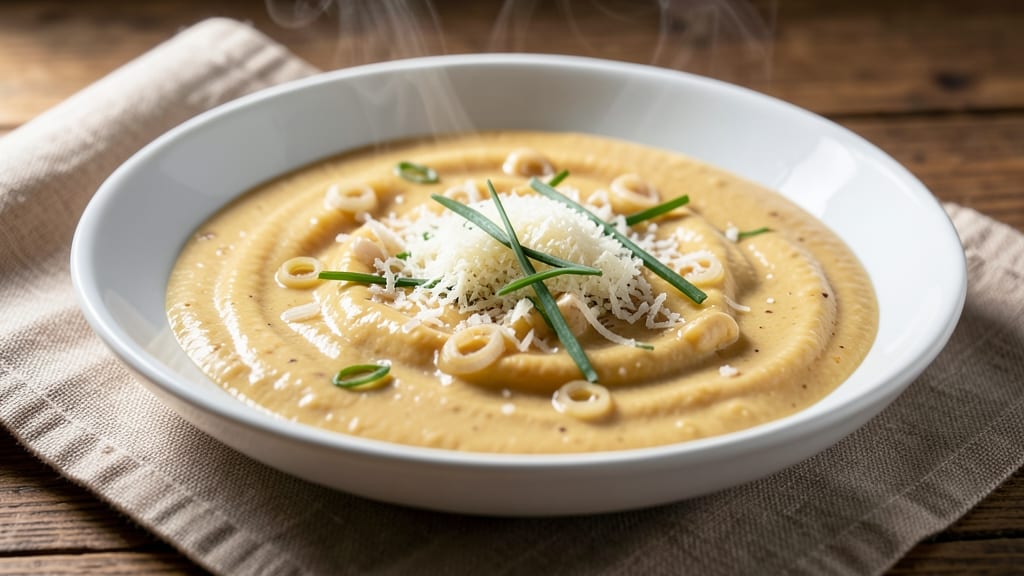
This Alfredo sauce recipe with light cream delivers that signature velvety texture without the lumps or overcooking that ruin so many homemade versions. The secret lies in a slow, gentle reduction that transforms simple ingredients into a silky, restaurant-quality sauce that clings perfectly to pasta.
I've perfected this method after years of testing—no roux, no lumps, just smooth, creamy perfection every time.
The key to this sauce is patience and proper technique. Light cream provides the ideal richness without overpowering the buttery flavor, while a touch of heavy cream adds depth. We'll cook everything on the stovetop at a controlled temperature to prevent curdling, ensuring each spoonful is perfectly smooth.
The result? A sauce that's luxurious enough for special occasions but simple enough for weeknight dinners.
What makes this recipe stand out is its foolproof method that guarantees velvety thickness without separation. The sauce maintains its creamy consistency even after reheating, making it perfect for leftovers.
Whether you're tossing it with fettuccine or using it as a dipping sauce, this version delivers that authentic Italian restaurant taste at home.
Best of all, this sauce comes together in just 15 minutes with basic pantry staples. The ingredients list is short but powerful—no fancy techniques required. Once mastered, you'll never buy store-bought Alfredo sauce again. Let's create this creamy masterpiece that will elevate every pasta dish.
Ingredients for alfredo sauce recipe with light cream
Nine essential ingredients transform into velvety Alfredo perfection—no lumps, no overcooking, just restaurant-quality silkiness.
| Ingredient | Amount | Notes |
|---|---|---|
| Unsalted Butter 🧈 | ¾ cup | Cold, cubed for even melting |
| Light Cream 🥛 | 1 ½ cups | Whole-milk preferred for richness |
| Heavy Cream 🥛 | ¼ cup | Adds depth without overpowering |
| Garlic Cloves 🧄 | 4 cloves | Minced, not powdered |
| Shallots 🧅 | 2 whole | Finely minced, or substitute onion |
| Parmesan Cheese 🧀 | 1 cup | Freshly grated, fine grade |
| Extra-Virgin Olive Oil 🫒 | ¼ cup | For finishing, fruity variety |
| Diamond Crystal Kosher Salt 🧂 | ½ tsp | Adjust to taste |
| Freshly Ground Black Pepper 🌶️ | ¼ tsp | Cracked peppercorns preferred |
| Nutritional Yeast 🍄 | 1 tbsp | Optional, for umami depth |
The butter and cream form the sauce's foundation, so quality matters. European-style unsalted butter like Plugrá or Land O'Lakes has higher fat content, crucial for that signature richness. For the cream, Whole Foods or Trader Joe's brands deliver the best balance of fat and flavor—avoid ultra-pasteurized versions, which can curdle. The Parmesan should be Parmigiano-Reggiano, freshly grated from a block using a fine microplane. Pre-shredded cheese contains anti-caking agents that prevent proper melting. For garlic, freshly minced (not powdered) releases aromatic oils that elevate the sauce's complexity.
No light cream? Heavy cream with 1/4 cup whole milk works as a substitute, though the texture will be slightly lighter. Short on shallots? Yellow onion at twice the amount provides similar sweetness, though with more moisture. The nutritional yeast, while optional, adds a cheesy depth that mimics aged Parmesan—Bob's Red Mill brand is widely available. For a dairy-free version, substitute the cream with full-fat coconut milk, though the texture will differ. The olive oil finish isn't just for flavor—it adds a luxurious sheen and prevents the sauce from drying out when reheated. Always use extra-virgin for its peppery notes that complement the garlic.
This sauce maintains its velvety texture for 5-6 days in the refrigerator when stored in an airtight container with a thin layer of olive oil on top. For longer storage, freeze in 1-cup portions for up to 3 months
Why You'll Love This Recipe
- No Fuss, Big Payoff: I swear, this sauce comes together while you’re still debating what to eat—just melt butter, toss in minced shallots and garlic, let them sing for 2 minutes, then pour in the creams. No whisking, no straining, no waiting for roux to thicken. That first spoonful of velvety, garlicky goodness? Worth every 10 minutes.
- Garlic-Lover’s Dream: Between us, the secret’s in the shallots and garlic—sautéed until fragrant but not browned, so they melt into the cream instead of overpowering it. The light cream keeps it rich but not heavy, while the heavy cream adds that luxurious finish. It’s the kind of flavor that makes you pause mid-bite and think, “Wait, I made this?”
- Weeknight to Dinner Party: This sauce works just as well tossed over spaghetti on a Tuesday as it does drizzled over grilled chicken for company. Honestly, I’ve even used it in baked potatoes and as a creamy dip—no judgment. The best part? It scales effortlessly, whether you’re feeding two or six.
- Leftovers That Don’t Suck: Unlike some sauces that turn grainy or separate, this one actually improves the next day—thicker, richer, and just as delicious. I keep a jar in the fridge for lazy mornings (yes, on toast) or to toss into soups. And because it’s mostly cream and butter, it’s cheaper than takeout but way more impressive.
Step-by-step instructions for silky Alfredo sauce
This method delivers restaurant-quality Alfredo with perfect velvety texture and no lumps.
Melt Butter and Sauté Aromatics
In a medium saucepan, melt the 0.75 cup unsalted butter over medium-low heat. Watch carefully as it transforms from solid to liquid—you want gentle melting without browning. Once fully melted, add the 2 whole shallots and 4 cloves garlic cloves, both finely minced. Cook for 3-4 minutes until the shallots become translucent and the garlic releases its aroma.
This low-and-slow approach prevents burning while developing the aromatic foundation. If the butter starts to foam or brown, immediately reduce the heat to low. The goal is to create a flavor base without any bitterness—this ensures your sauce will taste pure and rich.
Add Cream and Parmesan Gradually
Pour in the 1.5 cups light cream and 0.25 cup heavy cream simultaneously while whisking constantly. The combination of light and heavy cream creates a balanced texture—light cream for smoothness, heavy cream for richness. Bring the mixture to a gentle simmer over medium heat, then immediately reduce heat to low to maintain a controlled temperature.
Gradually whisk in the 1 cup parmesan cheese, adding it in small increments to prevent clumping. The cheese should melt completely, creating a thick, velvety consistency. If you notice any lumps forming, immediately strain the sauce through a fine-mesh sieve for a flawless finish. This step is critical—rushing the cheese incorporation can lead to grainy texture.
Season and Finish with Olive Oil
Stir in the 0.5 tsp diamond crystal kosher salt, 0.25 tsp freshly ground black pepper, and 1 tbsp nutritional yeast (if using). The nutritional yeast adds a subtle umami depth that elevates the sauce without overpowering. Taste and adjust seasoning—Alfredo should be rich but not overly salty. Remove from heat and immediately whisk in the 0.25 cup extra-virgin olive oil. This final step creates a silky sheen and prevents the sauce from becoming too heavy.
The olive oil also helps stabilize the sauce at room temperature, making it ideal for serving over pasta or as a dipping sauce. For best results, use the sauce immediately or store it in an airtight container in the refrigerator for up to 3 days, reheating gently over low heat while stirring constantly to prevent separation.
Pro Tips For Making Alfredo Sauce Recipe With Light Cream
- Melt Butter Slowly: I used to rush this step and end up with a sauce that curdled the second I added cream. Instead, melt the unsalted butter over medium-low heat—not medium, not high—until it’s just liquid gold, but don’t let it brown. This keeps the sauce silky and prevents that dreaded grainy texture when the cream hits.
- Sweat Shallots First: Skip the sizzle—shallots should sweat in the butter for 3-4 minutes until translucent, not golden. If they brown, you’ve lost that delicate sweetness that balances the richness of the cream. Add a pinch of salt here to draw out moisture and make them cook faster.
- Temper the Cream: Pouring cold cream into hot butter is a one-way ticket to curdled sauce. Warm the light cream (and heavy cream, if using) in a separate saucepan until it’s just steaming, then whisk it into the butter in a thin, steady stream. This keeps the sauce smooth and velvety instead of lumpy.
- Use Equal Parts Cream: Light cream gives body, heavy cream adds richness—but don’t go overboard. For a classic Alfredo, split the difference: half light cream, half heavy cream (e.g., 1/2 cup each). The light cream keeps it lighter, while the heavy cream adds that signature decadence without making the sauce too thick.
Storing and reheating your leftovers
Refrigerator Storage
Store your Alfredo sauce in an airtight glass container with a tight-sealing lid, pressing plastic wrap directly against the surface to minimize air exposure. The sauce will keep its velvety texture for 5-6 days when refrigerated at 40°F or below.
I always add a thin layer of extra-virgin olive oil (about 1 tablespoon) on top before sealing—this creates a protective barrier that prevents a skin from forming and preserves freshness. 🧊
Freezer Preparation
For longer storage, portion the sauce into 1-cup glass jars or silicone freezer molds—this makes thawing easier and prevents waste. Leave ½-inch headspace for expansion, then seal tightly. Label with the date and freeze for up to 3 months.
The sauce thickens significantly when frozen, so I recommend adding 1-2 tablespoons of light cream when reheating to restore its silky consistency.
Reheating Gently
Thaw overnight in the refrigerator before reheating. Pour the sauce into a medium saucepan and heat over low heat while stirring constantly with a silicone spatula. Add 1-2 tablespoons of warm light cream if the sauce appears too thick.
Never heat above 160°F—higher temperatures cause separation. For microwave reheating, use 30-second intervals on 50% power, stirring between each interval until just warmed through. 🔥
Texture Restoration
If your reheated sauce seems grainy, immediately strain it through a fine-mesh sieve into a clean saucepan. For extra silkiness, whisk in 1 tablespoon of cold unsalted butter while heating gently.
The key is patience—never rush the process. A properly reheated Alfredo should coat the back of a spoon smoothly, just like fresh from the stovetop.
Preventing Separation
Alfredo sauce is notorious for breaking when reheated improperly. To avoid this, always reheat on low heat and stir constantly. If you notice oil separating, whisk in 1 tablespoon of warm light cream and heat for an additional 1-2 minutes—this helps re-emulsify the sauce.
For best results, use the sauce within 24 hours of reheating, as freshness degrades with each reheat cycle. ⚡
Serving Freshness
Finish your reheated sauce with a fresh drizzle of extra-virgin olive oil and a crack of black pepper just before serving. This simple step revives the sauce's vibrant flavor and creates that restaurant-quality sheen.
I also recommend tossing with hot pasta immediately after reheating to prevent the sauce from cooling too quickly. The contrast of warm pasta and silky sauce is what makes Alfredo so irresistible! 💫
Nutrition facts
Frequently asked questions
Why does your recipe use both light and heavy cream?
The combination creates the perfect balance—light cream provides smoothness while heavy cream adds richness without making the sauce too heavy. This ratio prevents curdling while maintaining that signature velvety texture.
Can I make this sauce without butter?
Yes, but the flavor will be less rich. Substitute with 1/2 cup olive oil plus 1/4 cup extra-virgin olive oil for finishing. The sauce will still be creamy, though it'll have a more Mediterranean profile. For a dairy-free version, use full-fat coconut milk instead of cream.
What's the secret to avoiding lumps in the sauce?
Three key steps:
- Whisk constantly when adding cheese,
- Use low heat to melt butter gradually, and
- Strain through a fine-mesh sieve if needed. The slow, controlled process prevents clumping while developing flavor. Never add cheese all at once—it needs time to melt smoothly.
How do I adjust the thickness for different pasta shapes?
For thick noodles like fettuccine, use the sauce as-is. For thin pasta (angel hair), thin with 1-2 tablespoons warm water or light cream. For hearty dishes (like chicken), keep it thicker—Alfredo should coat but not drown the ingredients. Always taste first!
Can I use this sauce for non-pasta dishes?
It works beautifully as a dip for breadsticks, a topping for grilled chicken or fish, or even a creamy sauce for baked potatoes. Just adjust seasoning—add more garlic for seafood, or a pinch of nutmeg for chicken. The key is to finish with fresh herbs or olive oil right before serving.