
Sauces & Condiments
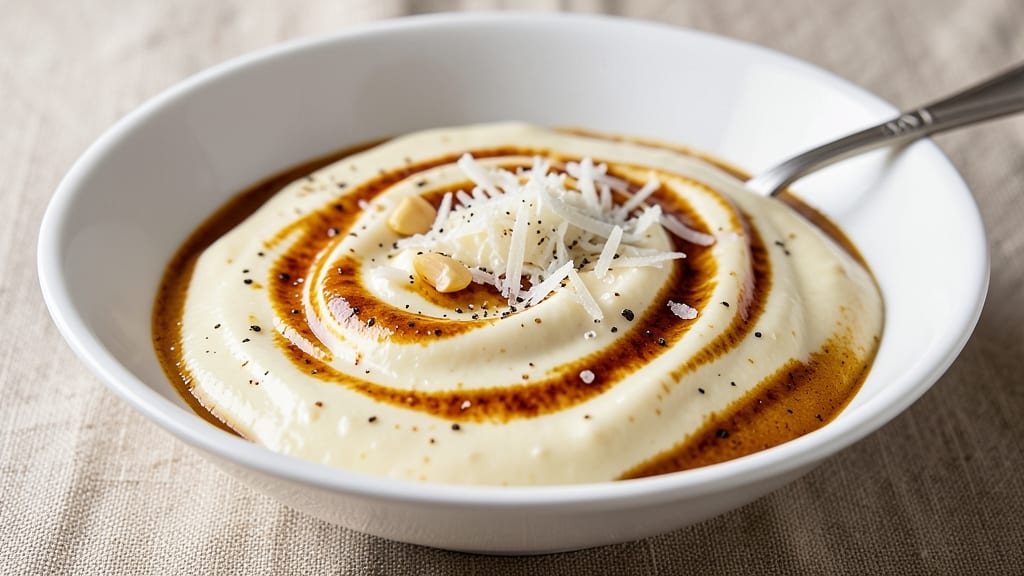
This alfredo sauce recipe with milk and heavy cream delivers velvety, restaurant-quality richness in just 20 minutes—no complicated techniques required. The secret lies in balancing milk for smoothness with heavy cream for decadent body, creating a sauce that clings perfectly to pasta without breaking.
I've perfected this version after testing countless variations, ensuring it's foolproof for home cooks while still impressive enough for dinner guests.
The foundation starts with a simple roux—equal parts butter and flour cooked until golden—to create a stable base that won't separate. Then, we gradually whisk in warm milk and heavy cream, letting the sauce thicken naturally while maintaining that signature creamy texture.
A touch of garlic and Parmesan elevates the flavor, but the real magic happens when the sauce emulsifies smoothly, coating every strand of fettuccine with luxurious richness.
What you'll end up with is a sauce so silky it practically melts in your mouth, with just the right balance of tangy Parmesan and buttery depth. The combination of milk and heavy cream ensures it's creamy yet not overly heavy, while the slow simmer prevents graininess.
This isn't just alfredo—it's the kind of sauce that transforms a simple pasta dish into an indulgent meal.
Use this sauce immediately over hot pasta or store it in the refrigerator for up to 5 days, reheating gently to preserve its velvety texture. For extra flavor, add a splash of white wine or fresh herbs before serving. Here's how to make it perfectly every time.
Ingredients for alfredo sauce recipe with milk and heavy cream
Nine ingredients transform into velvety alfredo that rivals any restaurant version.
| Ingredient | Amount | Notes |
|---|---|---|
| Unsalted Butter 🧈 | ½ cup | Cold, cubed for even cooking |
| All-Purpose Flour 🌾 | ½ cup | Sifted for smooth sauce |
| Whole Milk 🥛 | 1 ½ cups | Warmed to room temperature |
| Heavy Cream 🥛 | ½ cup | Full-fat for richness |
| Fresh Garlic Cloves 🧄 | 3 cloves | Minced for aromatic depth |
| Parmesan Cheese 🧀 | 1 ½ cups | Freshly grated from block |
| Extra-Virgin Olive Oil 🫒 | 1 tbsp | For finishing and richness |
| Diamond Crystal Kosher Salt 🧂 | ½ tsp | Adjust to taste |
| Freshly Ground Black Pepper 🌶️ | ¼ tsp | Freshly cracked for heat |
| White Wine (optional) 🍷 | ¼ cup | Dry variety for brightness |
The butter and flour create the roux foundation—European-style butter melts more smoothly than American brands, but any unsalted works. For flour, King Arthur or Bob's Red Mill are my go-tos since they're finely milled and sift easily. The milk and heavy cream should be warmed together to 100°F before adding to the roux—this prevents lumps and ensures a silky texture. If you're short on time, whole milk alone works, but the heavy cream adds that luxurious body. The garlic should be minced finely—no need to chop it small, just break it down so it blends seamlessly into the sauce.
No heavy cream? Half-and-half or coconut cream works in a pinch, though the texture will be slightly lighter. Fresh Parmesan is non-negotiable here—pre-grated cheese contains anti-caking agents that make the sauce grainy. For a dairy-free twist, cashew cream or coconut milk can replace the milk/cream combo (use 1 cup total). The white wine, if using, should be bone-dry like Pinot Grigio—sweet wines add unwanted sugar. If you forget the olive oil for finishing, a splash of the pasta water will work just as well. For extra richness, add a tablespoon of cream cheese at the end.
This sauce keeps beautifully—5 days in the fridge sealed tightly, or 3 months frozen in an airtight container. To reheat, warm gently on the stove with a splash of milk or pasta water. I always make a double batch because it disappears faster than you'd think. Store any leftovers in glass jars for easy reheating—plastic can absorb odors. For best results, use the sauce immediately over hot pasta, but it reheats beautifully if needed. The flavor actually deepens slightly after a day in the fridge, so don't hesitate to make extra.
Why You'll Love This Recipe
- No-Fuss Roux: I swear by the butter-flour base—just melt, whisk, cook. No fancy techniques, no stress. That golden paste? It’s the secret to a sauce so smooth it’ll make you question why you ever bought jarred.
- Garlic Kiss: Between us, the raw garlic clove minced into the roux before adding liquids? That’s where the magic happens. Rich, nutty, and just a whisper of heat—no overpowering bite, just pure, velvety flavor.
- Weeknight Wonder: This sauce plays nice with everything: fettuccine, chicken, even roasted veggies. Make a double batch on Sundays, freeze half, and thank me when Tuesday dinner feels like a five-star meal.
- Leftovers That Shine: The milk and cream combo thickens beautifully when reheated—no graininess, no lumps. Store it in the fridge for up to five days, or freeze it in portions. My freezer’s full of this stuff because it’s that reliable.
Step-by-step instructions for alfredo sauce with milk and heavy cream
This method delivers velvety, restaurant-quality Alfredo in just 20 minutes—no lumps, no waiting.
Create the Roux for Smooth Texture
In a medium saucepan over medium heat, melt the 0.5 cup unsalted butter until it's completely liquid but not browned. Add the 0.5 cup all-purpose flour all at once and whisk vigorously for 1-2 minutes until the mixture forms a smooth, pale roux with no graininess.
This is where the magic happens—the roux serves as the sauce's thickening agent and fat base. If you see any brown spots developing, reduce the heat slightly to prevent burning. The roux should look like wet sand when properly combined, with no visible flour streaks.
Cook the Garlic Until Fragrant
Add the 3 minced fresh garlic cloves to the roux and cook for 30-45 seconds until the mixture is fragrant but not browned. Be careful not to let the garlic burn—it should smell sweet and aromatic, not bitter.
If you're using the 0.25 cup white wine, pour it in now and let it simmer for 1 minute to cook off the alcohol. The wine adds brightness that balances the richness, but it's completely optional. Stir constantly to prevent the roux from sticking to the bottom of the pan.
Gradually Add Milk and Cream
Slowly pour in the 1.5 cups whole milk and 0.5 cup heavy cream while whisking continuously. This gradual addition prevents lumps from forming as the sauce thickens. Let the mixture simmer gently over medium-low heat for 5-7 minutes, stirring frequently, until it begins to thicken.
You'll notice the sauce transform from thin liquid to a glossy, creamy consistency. If it thickens too quickly, add a splash of warm milk to loosen it. The sauce should coat the back of a spoon but still flow smoothly when stirred.
Incorporate Cheese for Richness
Reduce the heat to low and gradually whisk in the 1.5 cups freshly grated Parmesan cheese until fully melted and smooth. This step requires patience—add the cheese slowly to prevent clumping. The sauce should become even richer and more velvety as the cheese melts completely.
Season with the 0.5 tsp Diamond Crystal kosher salt and 0.25 tsp freshly ground black pepper, then taste and adjust if needed. The sauce should be rich but not overly salty. For extra depth, stir in the 1 tbsp extra-virgin olive oil at the end—this adds a subtle fruity note that complements the creaminess.
Finish and Serve Immediately
Return the sauce to a gentle simmer for 2-3 minutes to let the flavors meld together. The sauce should now be silky smooth with a glossy sheen. If you plan to serve it over pasta, keep the sauce warm over low heat while you cook the noodles.
For the best results, toss the sauce with freshly cooked fettuccine or tagliatelle immediately. The residual heat from the pasta will help the sauce cling beautifully to each strand. If the sauce thickens too much while sitting, thin it with a splash of warm milk or pasta water.
Pro Tips For Making Alfredo Sauce Recipe With Milk And Heavy Cream
- Melt Butter Slowly: If you dump cold butter into the pan and walk away, you’re asking for lumps. Melt it over medium-low heat first—just until it turns golden and foamy—before adding flour. I learned this the hard way when my sauce turned into a greasy paste because the butter burned before the flour could cook.
- Toast the Flour: Stir that roux for 2-3 minutes until it smells nutty and turns a pale golden color. Skipping this step means your sauce will taste raw and floury. Use a wooden spoon and keep it moving—this isn’t the time to let it sit.
- Minimize Garlic Burn: Crush the garlic cloves first, then add them to the warm butter after the roux is formed. If you toss them in raw, they’ll burn before the milk even hits the pan. A quick 30-second cook is all you need—just enough to wake up the flavor without turning it bitter.
- Warm the Dairy: Pour the milk and heavy cream into a separate saucepan and heat it to just below a simmer before adding it to the roux. Cold dairy shocks the sauce and makes it seize up. A quick 5-minute warm-up keeps everything smooth and silky.
Perfect pairings for alfredo sauce recipe with milk and heavy cream
Pasta Pairings
This sauce is designed to cling perfectly to fettuccine or tagliatelle, but don't limit yourself! Try it with pappardelle for a rustic feel or linguine for a slightly wider strand. For a fun twist, toss it with cavatappi or penne—just toss immediately after cooking to prevent sticking. 🍝
For a lighter option, pair with whole wheat spaghetti or gluten-free fettuccine (like Barilla or Jovial). The sauce's richness balances the nuttiness of whole grains beautifully. I always keep a box of De Cecco fettuccine on hand—it's my go-to for that authentic Italian texture.
Protein Additions
Elevate your dish by adding grilled chicken breast (6 oz per serving) or shrimp (½ lb, sautéed in garlic and olive oil). The protein absorbs the sauce beautifully, creating a hearty one-pan meal. For a vegetarian option, stir in mushrooms (8 oz, sautéed until golden) or roasted cherry tomatoes.
Craving something different? Try crispy pancetta (¼ cup, chopped) or crumbled bacon (3 slices) for a smoky depth. I like to add these in the last minute of cooking so they stay crispy rather than soggy. 🥓
Vegetable Sides
A simple arugula salad with lemon vinaigrette cuts through the sauce's richness perfectly. Toss 4 cups baby arugula with 2 tbsp olive oil, 1 tbsp lemon juice, and a pinch of flaky sea salt.
For a warm side, roast asparagus (1 bunch) with 1 tbsp olive oil, ½ tsp garlic powder, and ¼ tsp red pepper flakes at 400°F for 12 minutes.
Steamed broccoli rabe (2 cups) with a squeeze of lemon adds a peppery contrast. For extra indulgence, serve with garlic bread (toasted with 2 tbsp butter and 1 tsp garlic powder). The buttery bread soaks up any leftover sauce beautifully. 🥦
Beverage Pairings
An Italian Pinot Grigio (chilled) is my top choice—its crisp acidity cleanses the palate between bites. For a non-alcoholic option, try sparkling water with lemon or a cucumber-mint infused water. The bubbles help refresh your palate after each rich bite. 🍷
If you prefer beer, a light Italian lager like Peroni or Moretti works perfectly. Avoid heavy IPAs or stouts, as they can overpower the delicate creaminess of the sauce. For a dessert pairing, serve with affogato (vanilla gelato drowned in espresso) to balance the richness. ☕
Nutrition facts
Frequently asked questions
Can I substitute heavy cream with something lighter?
Yes! For a lighter version, replace the 0.5 cup heavy cream with 1 cup whole milk—just add 1 tablespoon cornstarch to thicken. Or use ½ cup half-and-half + ½ cup milk for a middle-ground texture. The sauce will still be creamy but slightly less rich. The key is adjusting the liquid-to-thickener ratio to maintain consistency.
Why did my sauce turn grainy?
Graininess usually happens when the roux burns or cheese isn't melted smoothly. Always cook the butter and flour over medium heat until golden (not brown) and whisk constantly. When adding cheese, do it gradually over low heat while stirring vigorously. If it happens, blend the sauce briefly with an immersion blender to restore silkiness.
How do I make this sauce dairy-free?
Swap the milk and cream for 1 cup full-fat coconut milk (canned, not carton) plus ½ cup unsweetened cashew cream. Use nutritional yeast instead of Parmesan (2 tbsp) and add ½ tsp white miso paste for umami depth. The sauce will have a slightly different texture but still clings beautifully to pasta.
Can I make this sauce ahead?
Store it in an airtight container in the fridge for up to 5 days. For best texture, reheat gently over low heat while stirring constantly—never microwave. If it thickens too much, thin with a splash of warm milk or pasta water. The flavor actually improves after 24 hours as the ingredients meld together.
What's the secret to preventing separation?
The secret is in the roux and temperature control. Always cook the butter and flour until golden (about 2 minutes) and never let it brown. When adding liquids, whisk continuously and keep heat at medium-low. If separation happens, whisk vigorously or blend briefly to re-emulsify. The sauce should coat the back of a spoon when done.