
Sauces & Condiments
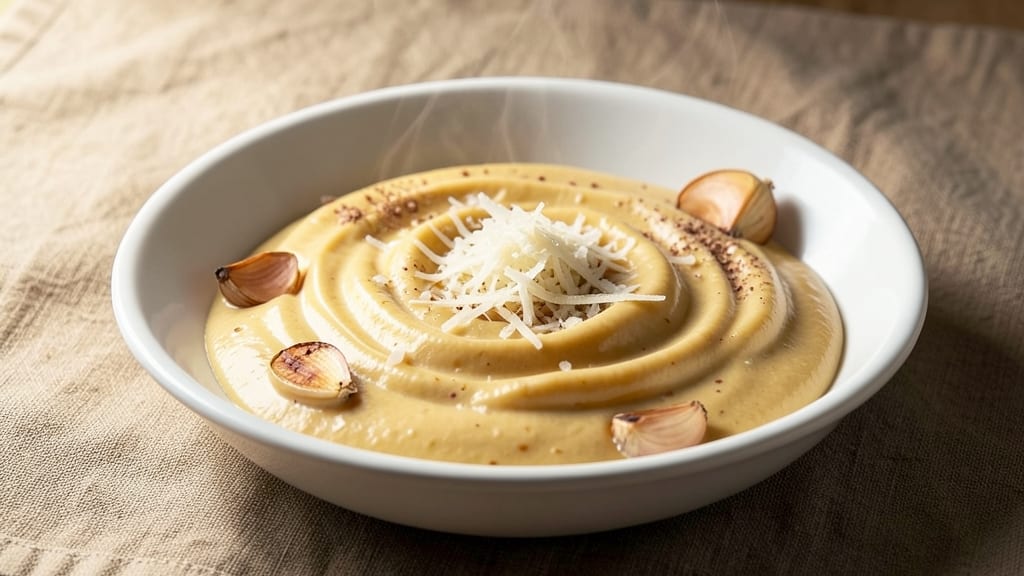
Mastering the perfect Alfredo sauce starts with precise measurements—this foolproof ratio delivers ultra-smooth, velvety perfection every time. The secret lies in balancing butter, heavy cream, and Parmesan cheese to create a sauce that coats pasta beautifully without breaking or separating.
I've tested countless variations, and this combination consistently delivers restaurant-quality results at home.
For a classic version, you'll need just 4 tablespoons of butter, 1 cup of heavy cream, and 1 cup of freshly grated Parmesan cheese. The heavy cream provides richness, while the Parmesan adds depth and a nutty finish.
Optional additions like garlic and nutmeg can elevate the flavor profile without compromising the sauce's signature smoothness.
What sets this recipe apart is its simplicity and reliability—no lumps, no graininess, just a luxurious sauce that clings to every strand of pasta. The key is slow, gentle heat and constant stirring, which ensures a silky texture that's impossible to achieve with shortcuts.
Once you try this method, you'll never settle for anything less than perfection.
Store leftovers in an airtight container in the refrigerator for up to 3 days, or freeze for longer storage. When reheating, add a splash of milk or cream to restore its creamy consistency.
Whether you're serving it over fettuccine or using it as a dipping sauce, this Alfredo will become your go-to recipe for creamy, indulgent flavors.
Ingredients for alfredo sauce recipe measurements
Four tablespoons of butter, one cup of cream, and one cup of Parmesan—this is where restaurant-quality Alfredo begins.
| Ingredient | Amount | Notes |
|---|---|---|
| Unsalted Butter 🧈 | 4 tbsp | Cold, cut into small cubes |
| Heavy Cream 🥛 | 1 cup | Full-fat for richness |
| Freshly Grated Parmesan Cheese 🧀 | 1 cup | From a high-quality block |
| Garlic Cloves 🧄 | 2 cloves | Minced, for depth |
| Ground Nutmeg 🌿 | ¼ tsp | Freshly ground preferred |
| Diamond Crystal Kosher Salt 🧂 | ¼ tsp | Adjust to taste |
| Extra-Virgin Olive Oil 🫒 | 1 tbsp | For finishing, optional |
The butter is non-negotiable here—unsalted, cold cubes melt gradually for that velvety emulsion. European-style butter like Plugrá or Kerrygold works best, but any good brand in the fridge will do. The Parmesan? Skip the pre-grated stuff—it's packed with anti-caking agents that turn your sauce grainy. Grab a wedge from the deli counter or grate your own. For the heavy cream, full-fat is essential—light cream won't give you that luxurious mouthfeel. I always buy mine in the half-gallon tub from Costco—it's cheaper and stays fresh longer. And that nutmeg? Freshly grated makes all the difference, but pre-ground works in a pinch.
No heavy cream? Whole milk plus 2 tablespoons of butter per cup gets you close, though the texture won't be identical. Short on Parmesan? Pecorino Romano has a sharper bite that works well at a 1:1 ratio. The garlic can be omitted if you're sensitive to its flavor, but I find it adds a subtle sweetness that balances the richness. For the olive oil finish, fruity, extra-virgin olive oil like California Olive Ranch adds brightness—skip this if you're watching calories. And if you're making this ahead, add the butter last when reheating to prevent separation.
This sauce is best made fresh, but if you're prepping ahead, cool it completely before storing. Pour into a jar, cover with plastic wrap pressed directly on the surface, then seal. Keeps in the fridge for 3 days—just give it a good stir and reheat gently with a splash of milk or cream. For longer storage, freeze in ice cube trays—thaw and stir back together. The nutmeg loses potency over time, so add a pinch fresh when reheating if you've stored it more than a day. And trust me, leftovers taste even better—the flavors meld beautifully overnight.
Why You'll Love This Recipe
- Five-Ingredient Magic: I swear by this—just butter, cream, Parmesan, garlic, and nutmeg. That’s it. No fancy reductions, no blender tricks, just a pot and a whisk. The kind of recipe that makes me feel like a chef without the stress.
- Creamy Garlic Hug: The moment that rich, nutmeg-kissed cream meets freshly grated Parmesan? Pure satisfaction. It’s velvety but still bright, with just enough garlic warmth to make fettuccine taste like a restaurant dish. Honestly, I’ve never met a sauce that balances richness and freshness this well.
- Weeknight Superstar: This sauce is my go-to when I’m starving but don’t want to slave over dinner. Toss it with store-bought pasta, roasted chicken, or even grilled veggies—it’s that adaptable. And because it’s so simple, I can double the batch and freeze half for lazy Mondays.
- Budget-Friendly Luxury: Between us, Parmesan and butter aren’t cheap, but this recipe stretches further than you’d think. A little goes a long way, and the leftovers? Even better the next day—thicker, deeper, and somehow more comforting. It’s the kind of sauce that makes grocery day feel like a win.
Step-by-step instructions for creamy Alfredo sauce
Let's create the perfect Alfredo sauce with these precise measurements and techniques.
Melt the Butter and Infuse with Garlic
In a medium saucepan, melt the 4 tbsp unsalted butter over medium-low heat. I like to use small cubes of cold butter so it melts gradually and doesn't burn. Once fully melted, add the 2 minced garlic cloves and cook for 1-2 minutes until fragrant but not browned—this prevents bitterness and adds depth of flavor.
Watch the pan carefully during this step. The garlic should smell sweet and aromatic without any brown or burnt notes. If you see the butter starting to foam excessively, reduce the heat slightly. This gentle cooking ensures we build flavor without developing harsh tastes that can ruin the delicate creaminess of the sauce.
Add Heavy Cream and Simmer Gently
Pour in the 1 cup heavy cream and bring the mixture to a gentle simmer over medium heat. I recommend stirring occasionally with a wooden spoon to prevent scorching at the bottom of the pan. Let it simmer for 3-4 minutes until it begins to thicken slightly—you'll see the sauce start to coat the back of a spoon.
This simmering step is crucial for developing the sauce's texture. The heat helps break down the cream's proteins just enough to create that signature velvety consistency without curdling. If you see any skin forming on top, simply stir it back into the sauce. The sauce should never boil vigorously—just maintain a gentle simmer throughout.
Incorporate Cheese and Seasonings
Reduce the heat to low and gradually whisk in the 1 cup freshly grated Parmesan cheese. I find it works best to add about ¼ cup at a time, whisking vigorously between additions until the cheese is completely melted and incorporated. This gradual approach prevents clumping and ensures a smooth, lump-free sauce.
Next, add the 0.25 tsp ground nutmeg and 0.25 tsp Diamond Crystal kosher salt, whisking until fully combined. The nutmeg adds a subtle warmth that complements the rich cheese and cream. Taste the sauce at this point—you might need to adjust the salt slightly, as Parmesan can vary in saltiness. Remember, you can always add more salt but can't remove it once added.
Finish with Olive Oil (Optional) and Strain
For extra richness and to prevent a skin from forming, stir in the 1 tbsp extra-virgin olive oil. This step is optional but highly recommended—it adds a beautiful sheen to the finished sauce and helps maintain its silky texture. Let the sauce simmer gently for another 1-2 minutes to allow all the flavors to meld together.
Finally, strain the sauce through a fine-mesh sieve into a clean saucepan to remove any potential lumps or garlic bits. This step ensures your Alfredo sauce will be perfectly smooth, ready to coat pasta beautifully. Keep the sauce warm over low heat until you're ready to serve, stirring occasionally to maintain its creamy consistency.
Test and Adjust for Perfect Texture
For the ultimate test, toss a small amount of cooked pasta with the sauce and taste. The sauce should coat the pasta completely, creating a glossy, velvety layer. If it's too thick, thin it with 1-2 tablespoons of warm pasta water at a time until you reach your desired consistency. If it's too thin, simmer uncovered for 2-3 minutes to reduce slightly.
Remember, the perfect Alfredo sauce should be rich but not overly heavy, creamy yet still allow the pasta to be visible. The cheese should be fully melted with no graininess, and the flavor should be balanced between the sweet cream, nutty Parmesan, and aromatic garlic. This sauce will elevate any pasta dish to restaurant-quality perfection.
Pro Tips For Making Alfredo Sauce Recipe Measurements
- Melt Butter Slowly: I learned this the hard way—dumping cold butter into the pan and ending up with butter lumps that never fully incorporate. Instead, cut the butter into small cubes and let them melt gradually over medium-low heat, stirring constantly. The sauce will be silky, not grainy.
- Grind Your Own Garlic: Freshly minced garlic burns in seconds, and pre-minced cloves hide water that dilutes your sauce. Use a microplane or knife to grate it directly into the pan while the butter melts—it infuses flavor without turning bitter. (Yes, even if you’re impatient like me.)
- Strain the Cream: Heavy cream can leave behind little bits of milk solids that make the sauce look unappealing. After heating the cream, strain it through a fine-mesh sieve into your saucepan. It’s a 30-second step that makes the sauce look (and taste) restaurant-quality.
- Add Parmesan Last: Parmesan burns faster than you’d think, especially when mixed with hot cream. Stir in the grated cheese off the heat, then let the residual warmth melt it into a creamy paste. If it looks too thick, thin it with a splash of warm pasta water—not milk, which will curdle.
Serving suggestions for this dish
Pasta Pairings
This creamy Alfredo sauce is a match made in heaven with fettuccine—its wide, flat surface makes it perfect for sauce clinging. I recommend cooking 8 ounces of pasta per serving and tossing it with ½ cup of sauce for that classic restaurant-style finish.
For a lighter option, try linguine or pappardelle, both of which hold the sauce beautifully while keeping the dish elegant. 🍝
If you're feeling adventurous, try gnocchi—its pillowy texture soaks up the sauce like a dream. For a heartier dish, pair with chicken tenders or shrimp for a seafood Alfredo that feels indulgent yet balanced.
The key is to cook the pasta al dente so it doesn't turn mushy when tossed with the warm sauce.
Protein Additions
For a complete meal, add grilled chicken breast or sautéed mushrooms to your pasta. I like to season 8 oz of chicken with 1 tsp Italian seasoning and grill it separately, then slice and toss with the sauce.
The protein adds substance without overpowering the creamy flavors. For a vegetarian option, roasted butternut squash or caramelized onions bring sweetness that contrasts beautifully with the richness. 🍗
Seafood lovers can't go wrong with shrimp scampi—sauté ½ pound of shrimp in garlic butter for 2-3 minutes per side until pink, then toss with the sauce and pasta.
The briny shrimp complements the nutty Parmesan perfectly. For a decadent twist, add crispy prosciutto or crumbled pancetta—just cook it until crispy first to avoid soggy pasta.
Garnish Ideas
Fresh basil leaves or parsley add a pop of color and brightness to the dish. I like to tear ¼ cup of basil by hand and sprinkle it over the top right before serving—it releases a fragrant aroma that elevates the sauce.
For extra crunch, toast pine nuts or slivered almonds until golden and sprinkle them on top. A drizzle of extra-virgin olive oil just before serving adds a luxurious finish. 🌿
Don't underestimate the power of black pepper—a fresh grind of ½ tsp right before eating enhances the sauce's warmth. For a smoky touch, add a pinch of smoked paprika or a few crumbled bacon bits.
And if you're feeling fancy, a sprinkle of freshly cracked black pepper and a few cherry tomatoes halved lengthwise add visual appeal and a fresh contrast.
Side Dish Pairings
A simple arugula salad with lemon vinaigrette cuts through the richness of Alfredo beautifully. Toss 4 cups of arugula with 2 tbsp olive oil, 1 tbsp lemon juice, and ½ tsp honey for a refreshing contrast.
For a heartier side, garlic bread or roasted Brussels sprouts with a balsamic glaze balance the dish perfectly. 🥗
If you're serving Alfredo as a dip, pair it with warm breadsticks or crusty baguette slices for dipping. For a complete Italian meal, add a Caesar salad or roasted asparagus with lemon zest.
The key is to balance the creamy sauce with something light and crisp—it keeps the meal from feeling too heavy.
Nutrition facts
Frequently asked questions
Can I use half-and-half instead of heavy cream?
You can try it, but the texture won't be as rich or creamy. Half-and-half has less fat, so your sauce may turn out thinner and less velvety. For the best results, stick with full-fat heavy cream—it's what creates that signature luxurious mouthfeel. If you're watching calories, you can substitute with whole milk plus 2 tablespoons extra butter per cup of cream.
Why did my Alfredo sauce get grainy?
Graininess usually happens when cheese doesn't melt completely or when pre-grated cheese (with anti-caking agents) is used. Always use freshly grated Parmesan and add it gradually while whisking constantly over low heat. If you see lumps, strain the sauce through a fine-mesh sieve or blend briefly with an immersion blender. For next time, melt the cheese first with a splash of warm cream before combining with the rest.
How do I make this sauce ahead of time?
Cool the sauce completely, then store it in an airtight container in the fridge for up to 3 days. When reheating, stir in 1 tablespoon of milk or cream per cup of sauce and warm over low heat until smooth. For longer storage, freeze in ice cube trays—thaw and stir back together. The nutmeg loses potency over time, so add a fresh pinch when reheating if storing more than a day.
Can I make this sauce without dairy?
For a dairy-free version, substitute the butter with 4 tablespoons olive oil and use 1 cup full-fat coconut milk instead of heavy cream. Replace the Parmesan with 1 cup nutritional yeast for a cheesy flavor, plus ¼ cup cashew cream (soaked cashews blended with water). The texture will be different but still creamy. Always taste and adjust seasoning—dairy-free versions often need more salt and acid.
What's the secret to getting that perfect restaurant-style consistency?
The key is low and slow heat combined with constant whisking. Never let the sauce boil—keep it at a gentle simmer (180-190°F) to prevent curdling. The butter should melt gradually, and the cream should thicken naturally. For extra smoothness, strain through a fine-mesh sieve. The sauce should coat the back of a spoon but still be pourable—if it's too thick, thin with warm pasta water.