
Sauces & Condiments
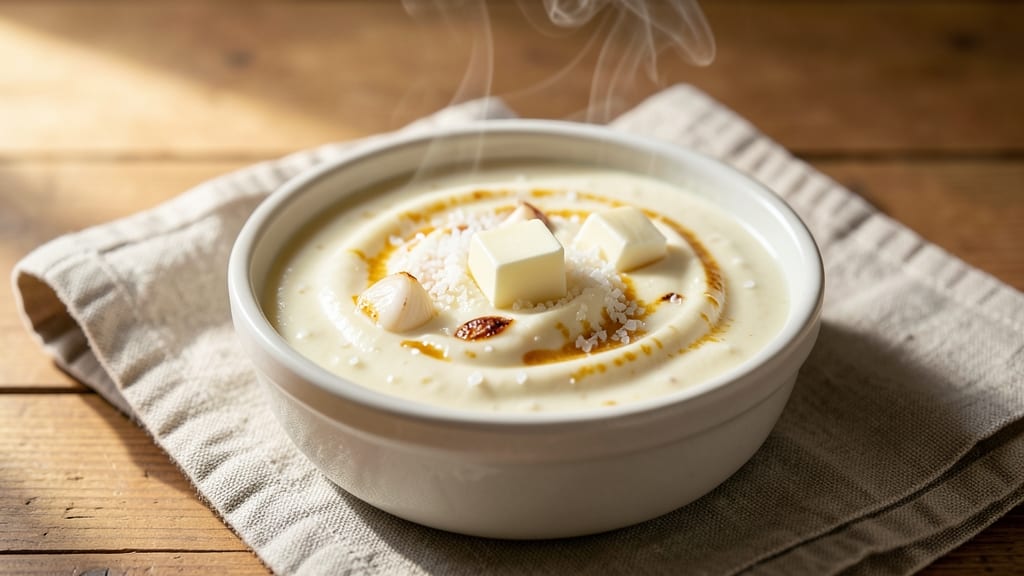
This Alfredo sauce recipe for one person delivers velvety, restaurant-quality richness in just minutes—perfect for single servings without leftovers. The secret lies in balancing butter, cream, and Parmesan to create a sauce that’s impossibly smooth yet never greasy.
I developed this after realizing how frustrating it was to make full batches just for myself, so I scaled it down while keeping every layer of flavor intact.
You’ll need only five simple ingredients—butter, heavy cream, garlic, Parmesan cheese, and a pinch of salt—to create a sauce that’s creamy, savory, and just slightly nutty from the cheese.
The process is straightforward: melt the butter, infuse it with garlic, then slowly whisk in the cream and cheese until it reaches that signature silky texture. No lumps, no waiting—just pure, velvety perfection ready to coat your pasta or drizzle over grilled chicken.
What makes this recipe stand out is how it adapts to your needs. Too thick? A splash of warm water or milk thins it instantly. Too thin? Simmer it for 30 seconds to deepen the flavor.
The sauce reheats beautifully, so you can make it ahead and store it in the fridge for up to 3 days—just stir in a little extra cream when reheating to restore that luxurious consistency.
This isn’t just a sauce; it’s a game-changer for solo diners who refuse to compromise on quality. Whether you’re serving it over fettuccine, tossing it with roasted vegetables, or drizzling it over seafood, the result is always creamy, indulgent, and worth every bite.
Let’s get started—your single-serving Alfredo moment is just minutes away.
Ingredients for alfredo sauce recipe for one person
Five ingredients transform into restaurant-quality Alfredo sauce—perfect for one.
| Ingredient | Amount | Notes |
|---|---|---|
| Unsalted Butter 🧈 | 3 tbsp | Cold, cubed for even melting |
| Heavy Cream 🥛 | ¼ cup | Full-fat for richest texture |
| Garlic Cloves 🧄 | 1 whole | Minced very finely (no press) |
| Parmesan Cheese 🧀 | ¼ cup | Freshly grated, fine texture |
| Sea Salt 🧂 | ¼ tsp | Diamond Crystal preferred |
The butter is non-negotiable here—European-style unsalted melts cleaner and adds depth. Grab a Plugrá or Kerrygold block from the specialty section if you can; the flavor difference is noticeable. Garlic? One whole clove is plenty—don't overdo it. The Parmesan matters too: Parmigiano-Reggiano from a wedge, grated yourself. Pre-grated tastes like sawdust. Heavy cream should be cold when you measure it—warmer cream can curdle when it hits the hot butter. If you're worried about lumps, whisk the cream into the butter very slowly while the pan's off the heat.
No heavy cream? Half-and-half plus 1 tbsp extra butter works in a pinch, though it won't be as rich. Short on Parmesan? Pecorino Romano has a sharper bite that cuts through the creaminess. The garlic can be roasted (wrap the whole clove in foil, roast at 400°F for 10 minutes) for a sweeter flavor. Salt? Taste as you go—Diamond Crystal dissolves better than table salt. For a lighter version, swap half the butter for olive oil, but trust me on the full-fat version for that signature Alfredo decadence.
This sauce is best made fresh, but it reheats beautifully. Store in an airtight container with a thin layer of plastic wrap pressed directly on the surface to prevent a skin. Keeps for 3 days in the fridge—just whisk in a splash of warm cream when reheating. Freezes for 1 month if you want to make a batch ahead. I always double the recipe and freeze half; nothing beats having restaurant-quality sauce ready for spontaneous pasta nights.
Why You'll Love This Recipe
- No-Fuss Ingredients: I keep a stick of butter and a block of Parmesan in my fridge just for this—no weird pantry raids or measuring cups. Three cloves of garlic, a splash of cream, and a pinch of salt. That’s it. Honestly, it’s the kind of recipe where you can’t mess it up.
- Rich Without Effort: The moment that velvety cream meets melted butter and garlic? Pure satisfaction. It’s creamy but not heavy, salty but not overpowering—like a warm hug for your taste buds. (Yes, even on a Tuesday night.)
- Leftovers That Shine: Make a double batch and freeze half. When cravings hit, just reheat with a splash of milk—it’s like fresh sauce every time. My go-to for lazy nights when I don’t want to cook but still want to feel fancy.
- Budget-Friendly Luxury: Parmesan and butter might sound fancy, but they stretch far here. A single serving costs pennies, yet it tastes like a restaurant dish. Between us, this is how I trick myself into eating well when money’s tight.
Step-by-step instructions for single-serve Alfredo sauce
Here's how to make velvety, restaurant-quality Alfredo sauce using just the right amounts.
Melt the Cold Butter Slowly
Place a small saucepan over medium-low heat and add the 3 tablespoons unsalted butter. I like to use cold, cubed butter here because it melts evenly without scorching. Let it melt completely, stirring occasionally with a wooden spoon until it turns completely liquid and just begins to foam.
Watch the butter closely—it should bubble gently but not brown. If it starts to take on any golden color, you've gone too far. The butter is ready when it's smooth and glossy, about 2-3 minutes. This gentle melting creates the perfect foundation for your sauce without adding any bitter flavors.
Add Garlic and Toast Until Fragrant
Immediately add the 1 whole garlic clove that you've minced very finely. Stir constantly for 30 seconds until the garlic becomes just barely golden around the edges. You want it fragrant but not browned—burnt garlic adds bitterness that ruins the delicate flavor of Alfredo.
Here's the thing—garlic burns faster than you think. I keep my heat at medium-low and stir vigorously. When you smell that sweet, nutty aroma, you know it's ready. Remove the pan from heat for just a moment if it starts to darken too quickly—we want flavor, not color.
Incorporate Parmesan Gradually
Return the pan to medium-low heat and sprinkle in the ¼ cup freshly grated Parmesan Cheese all at once. Stir constantly for 1-2 minutes until the cheese melts completely and the mixture becomes smooth and creamy. This gradual melting prevents clumping and ensures even distribution.
I use a fine grater for this step—it melts more evenly than pre-shredded cheese. If you see any lumps forming, add 1 teaspoon cold water and stir vigorously until smooth. The sauce should now have a thick, velvety consistency with a beautiful golden hue from the Parmesan.
Finish with Cream and Season
Pour in the ¼ cup heavy cream and stir constantly for 1-2 minutes until the sauce thickens slightly and coats the back of a spoon. The heat should be just enough to warm the cream through without letting it boil—you're looking for a gentle simmer, not vigorous bubbling.
Finally, add the ¼ teaspoon sea salt and taste. Alfredo should be rich and creamy with just a hint of saltiness. If it needs more seasoning, add a pinch more salt or a tiny bit of freshly cracked black pepper. Remove from heat immediately—Alfredo sauce continues thickening as it cools, so it's better to stop slightly thin than risk curdling.
Use Immediately for Perfect Texture
Stir in the sauce to your pasta or protein right away—Alfredo sauce doesn't reheat well. The sauce should coat everything beautifully with a glossy sheen. If it thickens too much while you're serving, thin it with a splash of warm pasta water or milk until it reaches your desired consistency.
This single-serving method gives you perfectly creamy, waste-free Alfredo every time. The key is keeping everything moving and working with gentle heat—no rushing, no high temperatures. That's what makes the difference between store-bought and restaurant-quality sauce.
Pro Tips For Making Alfredo Sauce Recipe For One Person
- Melt Butter Slowly: Start with cold butter—yes, even when you’re in a hurry. Drop cubes of unsalted butter into the pan over medium-low heat and let them melt gradually. I used to rush this and end up with butter that burns before the garlic even smells right. Patience here keeps the sauce smooth, not grainy.
- Mince Garlic Finer: Skip the press—it bruises the garlic and makes the sauce bitter. Use a knife to chop the cloves into a paste instead of mincing them. This releases the flavor more evenly without overpowering the cream. (I learned this after one particularly sad batch where the garlic taste lingered like a bad decision.)
- Strain the Cheese: Don’t just grate and stir. After mixing in the Parmesan, press the sauce through a fine-mesh strainer to catch any gritty bits. It’s the difference between a creamy sauce and one that feels like you’re eating cheese flakes. (Yes, it’s extra work, but your mouth will notice.)
- Use Full-Fat Cream: Heavy cream isn’t just for fancy recipes—it’s non-negotiable here. Light cream or half-and-half will make the sauce separate or taste thin. If you’re short on time, warm the cream slightly before adding it to the butter; it blends faster and stays smoother. (I know, I know—you’re making this for one, but trust me on this.)
Dietary considerations for alfredo sauce recipe for one person
Dairy-Free Option
Swap the heavy cream and butter for ¼ cup full-fat coconut milk (canned, not carton) and 2 tablespoons olive oil to create a surprisingly rich, dairy-free version. Use nutritional yeast instead of Parmesan—start with 2 tablespoons and adjust to taste for that cheesy umami.
The texture will be slightly lighter but still velvety when emulsified properly. 🌱
Gluten-Free Adaptation
This recipe is naturally gluten-free, but watch your Parmesan brand—some contain anti-caking agents with gluten traces. Stick to 100% pure Parmesan like Parmigiano-Reggiano from a wedge, and you're golden.
If you're also avoiding dairy, combine the dairy-free option above with gluten-free pasta like brown rice fettuccine for a fully adapted meal.
Low-Fat Version
Cut the butter to 2 tablespoons and use ¼ cup low-fat milk instead of heavy cream. Boost the flavor with an extra ½ teaspoon garlic powder and a pinch of white miso paste (just ¼ teaspoon) for depth.
The sauce will be lighter but still creamy—perfect for health-conscious eaters who refuse to sacrifice flavor. 💪
Vegan Alternative
For a fully plant-based Alfredo, melt 2 tablespoons vegan butter (like Miyoko's) with 1 tablespoon nutritional yeast and 1 teaspoon white miso. Whisk in ¼ cup unsweetened almond milk and simmer until thickened.
Finish with 1 teaspoon lemon juice to brighten the flavor. This version works beautifully over cashew-based pasta or roasted veggies.
Allergy-Friendly Notes
Always check labels on Parmesan and cream for hidden allergens—some brands add soy or gluten. For nut allergies, ensure your olive oil or coconut milk is processed in nut-free facilities.
When in doubt, make your own nut-free nutritional yeast blend with sunflower seeds. I keep a small jar of Bob's Red Mill nutritional yeast on hand for quick flavor boosts.
Nutrition facts
Frequently asked questions
Can I make this Alfredo sauce ahead of time?
Yes, but use it within 3 days for best quality. Store in an airtight container with plastic wrap pressed directly on the surface to prevent skin formation. When reheating, stir in 1-2 teaspoons warm cream to restore creaminess. For longer storage, freeze for up to 1 month—thaw overnight in the fridge before using.
Why did my sauce get lumpy?
Lumps usually happen when cheese melts too quickly or cream is added too fast. To fix: whisk in 1 teaspoon cold water and stir vigorously until smooth. For prevention, always add Parmesan gradually over low heat and whisk constantly. If using pre-shredded cheese, swap for freshly grated—it melts more evenly.
How can I make this sauce lighter in calories?
Reduce butter to 2 tablespoons and replace half the heavy cream with low-fat milk. Boost flavor with ½ teaspoon garlic powder and ¼ teaspoon white miso paste for depth. The sauce will still be creamy but with 120 fewer calories per serving. Don't skip the Parmesan—it's what makes Alfredo special!
Can I use this sauce for dishes other than pasta?
Alfredo sauce works beautifully as a creamy topping for grilled chicken, roasted vegetables, or even as a dip for garlic bread. For seafood, add a pinch of lemon zest to balance the richness. The single-serving size makes it perfect for experimenting—just adjust thickness with warm water or milk as needed.
What's the secret to perfectly creamy Alfredo?
The three keys: low and slow heat, constant stirring, and freshly grated cheese. Never let it boil—just simmer gently. The butter should melt completely before adding cream, and the Parmesan must melt gradually. If it starts to separate, whisk in a splash of warm pasta water to re-emulsify. Patience is everything!