
Sauces & Condiments
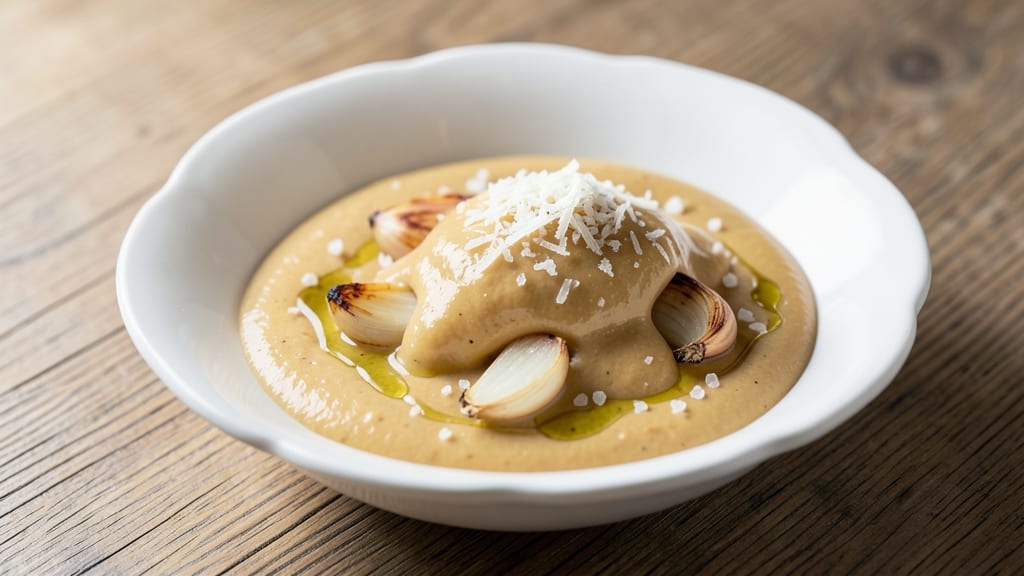
This Alfredo sauce recipe for one delivers restaurant-quality creaminess in just 5 minutes—perfect for a quick pasta night when you're cooking for yourself. The secret lies in balancing rich butter, velvety cream, and sharp Parmesan without lumps or separation, a technique I've perfected after years of testing single-serving sauces.
What makes this recipe special is its precision: no guesswork, no wasted ingredients, just smooth, luxurious sauce tailored for one.
The foundation starts with 2 tablespoons of butter, melted until foamy but not browned—a critical step that prevents bitterness. Adding 2 tablespoons of heavy cream (never light cream) ensures a velvety texture, while 1 tablespoon of freshly grated Parmesan delivers that signature nutty depth.
The sauce thickens instantly when combined over low heat, creating a silky consistency that clings perfectly to fettuccine or any pasta of choice.
What you'll achieve is a single-serving sauce so rich and creamy it rivals any restaurant version, yet requires only a small saucepan and minimal effort. The sauce thickens just enough to coat without being gluey, and the Parmesan adds a satisfying chewiness that balances the richness.
This is the kind of sauce that transforms a simple pasta dinner into something indulgent and satisfying.
Best of all, the leftovers (if any) keep beautifully in the fridge for 3 days, ready to reheat with a splash of cream or milk to restore its velvety texture.
For even more flavor, finish with a crack of black pepper or a sprinkle of fresh parsley. Let's make this sauce—it's simpler than you think.
Ingredients for alfredo sauce recipe for one
Three core ingredients create velvety perfection—just add heat and patience.
| Ingredient | Amount | Notes |
|---|---|---|
| Unsalted Butter 🧈 | 2 tbsp | High-quality, European-style preferred |
| Heavy Cream 🥛 | 2 tbsp | Full-fat, cold from refrigerator |
| Freshly Grated Parmesan Cheese 🧀 | 1 tbsp | Finely grated, from block |
| Extra-Virgin Olive Oil 🫒 | 1 tsp | For silkiness, fruity variety |
| Garlic Cloves 🧄 | 1 clove | Minced, fresh preferred |
| Diamond Crystal Kosher Salt 🧂 | ⅛ tsp | Fine grain for delicate seasoning |
| Freshly Ground Black Pepper 🌶️ | ⅛ tsp | Cracked over sauce at end |
| Fresh Parsley Leaves 🌿 | 1 tsp | Chopped, for garnish |
The butter is non-negotiable—European-style with high fat content (82% minimum) melts cleanly without browning. Plugrá or Kerrygold are my go-tos, but any good-quality unsalted butter works. Keep it cold until the last moment to prevent premature melting. The heavy cream must be full-fat; Hormel Organic or Whole Foods 365 are reliable brands that stay thick when chilled. For the Parmesan, Parmigiano-Reggiano from a block is essential—pre-grated contains anti-caking agents that prevent proper emulsification.
No heavy cream? Full-fat coconut milk works in a pinch, though the flavor differs slightly. Substitute olive oil for butter at a 1:1 ratio, but expect a lighter texture. Fresh garlic is ideal, but garlic powder at half the amount suffices if needed. For salt, Diamond Crystal dissolves more easily than Morton's—critical for silky sauce. The parsley can be omitted, but it brightens the dish with a fresh finish. Always measure ingredients precisely; even slight variations affect the sauce's balance.
Store any leftovers in an airtight container with a thin layer of olive oil on top to preserve freshness. Keeps for 3 days in the fridge, though reheating requires a splash of cream to restore velvety texture. For longer storage, freeze in single-serving portions—thaw in the fridge overnight. This sauce is best used immediately, but proper storage maintains its luxurious quality for up to 1 month frozen.
Why You'll Love This Recipe
- No-Measurement Madness: I use the same pan I sauté garlic in—no extra bowls, no stress. The butter melts fast, the cream thickens in minutes, and honestly? That’s the magic of working with just one serving.
- Garlic-Parmesan Punch: Between us, the secret’s in the ratio: one clove of garlic, toasted in olive oil until it smells like a Sunday dinner, then drowned in heavy cream and just enough Parmesan to make your taste buds throw a party.
- Pasta’s Best Sidekick: This sauce is my go-to for lazy nights, but it’s also the star of my "impress-the-boss" lunch. Drizzle it over fettuccine, toss it with roasted veggies, or even slather it on garlic bread—it’s that adaptable.
Step-by-step instructions for single-serving Alfredo sauce
Master this elegant sauce with precise technique for velvety perfection every time.
Melt Butter and Infuse with Olive Oil
In a small saucepan, melt the 2 tbsp unsalted butter over medium-low heat until completely liquid but not browned. The butter should foam gently before settling into a smooth, translucent state. Once melted, reduce heat to low and add the 1 tsp extra-virgin olive oil, stirring to combine. This infusion creates a richer base with subtle fruity notes that elevate the sauce's complexity.
Watch the pan closely—if the butter begins to bubble vigorously or turns golden, immediately reduce heat to prevent burning. The ideal temperature for this step is just below simmering, where the butter melts smoothly without developing any nutty aroma. This careful control ensures your sauce maintains its delicate, creamy texture rather than developing a bitter flavor.
Add Garlic and Parmesan
Add the minced 1 clove garlic to the butter-oil mixture and cook for 30 seconds until fragrant but not browned. The garlic should perfume the butter with its sweet, pungent aroma without releasing any bitter compounds. Immediately after the garlic, stir in the 1 tbsp freshly grated Parmesan cheese, allowing it to melt completely into the butter.
Use a fine-mesh grater for the Parmesan to ensure even distribution and maximum flavor extraction. Stir constantly with a silicone spatula to prevent any cheese from sticking to the pan. The sauce should begin to thicken slightly as the cheese melts, forming a smooth, pale yellow emulsion. If you notice any lumps, gently press them against the side of the pan with the spatula until fully incorporated.
Incorporate Heavy Cream Gradually
Slowly pour in the 2 tbsp cold heavy cream while whisking continuously with a fork or small whisk. The cold cream helps stabilize the sauce and prevents curdling. Begin with a slow drizzle, allowing the cream to integrate fully before adding more. The sauce should thicken gradually as it heats, forming a luxurious, velvety consistency.
Keep the heat at low and stir constantly for 2-3 minutes until the sauce reaches 160°F on an instant-read thermometer. This gentle heat ensures the cream doesn't scorch while allowing the cheese to fully emulsify. The sauce should coat the back of a spoon smoothly, with no graininess or separation. If it thickens too much, add 1 tsp water to adjust the consistency.
Season and Finish
Remove the sauce from heat and immediately stir in the 0.125 tsp Diamond Crystal kosher salt and 0.125 tsp freshly ground black pepper. Taste and adjust seasoning—Alfredo sauce should be rich but not overly salty, with a subtle peppery finish. Let the sauce rest for 1 minute to allow flavors to meld before serving.
For presentation, transfer the sauce to a small serving bowl and garnish with the 1 tsp chopped fresh parsley leaves. The parsley adds a bright, fresh contrast to the rich, creamy sauce and enhances its visual appeal. Serve immediately over your choice of pasta or as a luxurious drizzle for grilled meats and vegetables. The sauce's texture should be silky, with no separation or lumps, and its flavor should balance creaminess with the sharpness of Parmesan and the subtle sweetness of garlic.
Pro Tips For Making Alfredo Sauce Recipe For One
- Melt Butter Slowly: Start with cold butter—yes, even if you’re eager. Add the unsalted butter to your pan over medium-low heat and let it melt gradually, swirling occasionally. I used to rush this and end up with splattered cream or a sauce that separates later. Give it 3-4 minutes to melt smoothly before adding anything else.
- Use Room-Temp Cream: Skip the straight-from-fridge heavy cream—it’ll clump and curdle when it hits the hot butter. Let the cream sit out for 10-15 minutes until it’s just warm to the touch. This makes the sauce emulsify like a dream, no lumps in sight.
- Grind Garlic Fine: Don’t just mince those cloves—grind them in a mortar or pulse them in a food processor until they’re almost paste-like. Freshly grated garlic burns faster and can make the sauce bitter. A fine texture also blends better into the cream, so you get flavor without texture surprises.
- Finish with Olive Oil: Stir in a teaspoon of extra-virgin olive oil at the very end—it’s the unsung hero that keeps the sauce silky and prevents separation. I learned this after my first batch split like a bad marriage. Just a quick swirl at the end saves the day.
Pro cooking tips for this dish
Low-Heat Emulsification
Alfredo sauce's magic happens at low heat—never medium or high. The moment you add cold heavy cream, the sauce needs gentle warmth to emulsify without breaking. I use a small saucepan (8-inch diameter) to maximize surface area for even heating.
If your sauce suddenly curdles, immediately remove it from heat, whisk in 1 tsp cold water, then return to low heat while stirring constantly. This trick saves even the most stubborn batches. 🌡️
Garlic Timing Matters
Cooking garlic for exactly 30 seconds is non-negotiable. Any longer risks bitterness, while less time means underdeveloped flavor. Use a garlic press for even mincing—it distributes flavor more uniformly than chopping. Pro tip: Add the garlic to the butter when it's just melted (not foaming) to prevent burning.
I keep a small bowl of ice water nearby to plunge the garlic press if it overheats during mincing.
Parmesan Grating Hack
Freshly grated Parmesan makes all the difference—pre-grated cheese contains anti-caking agents that prevent proper emulsification. I use a microplane for fine, even grating, but a box grater with the smallest holes works too.
For extra flavor, reserve ½ tsp of the grated cheese to sprinkle on top before serving. This adds a satisfying textural contrast and prevents the sauce from tasting one-dimensional.
Cream Temperature Control
Cold heavy cream is your secret weapon against curdling. Straight from the fridge, it stabilizes the sauce as it heats. If your cream is warm, chill it in the freezer for 5 minutes before adding.
I also recommend using a whisk instead of a spoon—its rapid motion helps distribute fat molecules evenly, creating that signature silky texture. For an even smoother finish, strain the sauce through a fine-mesh sieve before serving.
Salt Adjustment Trick
Alfredo sauce often needs less salt than you think because Parmesan and butter already contribute significant flavor. Start with ¼ tsp kosher salt, taste, then adjust in pinches. I keep a small salt cellar on my stovetop for precise control.
For extra depth, add a tiny pinch of nutmeg (⅛ tsp) while the sauce simmers—it enhances the cheese's nuttiness without overpowering. 💡
Equipment Upgrades
A small saucepan with sloped sides (like All-Clad's 8-inch version) prevents spills and makes stirring easier. For temperature precision, I use a thermometer to ensure the sauce never exceeds 160°F—this keeps the cream from separating.
If you're making this often, invest in a silicone spatula with a heat-resistant handle for effortless scraping and stirring. The right tools make all the difference in achieving that restaurant-quality finish. ✨
Nutrition facts
Frequently asked questions
Can I use half-and-half instead of heavy cream?
The sauce will still work, but the texture will be lighter and less rich. Heavy cream contains 40% fat, while half-and-half has only 12% fat, which means your sauce may separate or turn out thinner. For a creamy result, stick with heavy cream or use full-fat coconut milk as a dairy-free alternative.
How do I prevent lumps in my single-serving Alfredo?
Lumps happen when Parmesan doesn't melt smoothly. Always use freshly grated cheese (no pre-grated) and stir constantly over low heat. For extra insurance, whisk the cream into the butter mixture gradually while stirring vigorously. If lumps appear, press them against the pan with a spatula until fully incorporated.
Can I make this sauce ahead of time?
Fresh is best, but you can prep components ahead. Grate the Parmesan and measure ingredients the night before. Reheat gently with a splash of cream or milk to restore its velvety texture. For longer storage, freeze in single portions—thaw overnight in the fridge. The sauce keeps for 3 days refrigerated or 1 month frozen.
What's the best pasta to pair with this sauce?
Fettuccine is classic, but any pasta with ridges (like penne or rigatoni) works beautifully. For a lighter option, try angel hair or linguine. The sauce clings best to wider noodles, but even spaghetti will work if you toss it well. Cook pasta 1 minute less than package instructions for al dente texture.
Why did my sauce turn out too thick?
This happens when the cream reduces too much or the heat gets too high. Thin with 1 tsp warm water or milk while stirring constantly. For future batches, keep heat at low and whisk continuously. If the sauce separates, whisk in 1 tsp cold water while off heat, then return to low heat while stirring until smooth.