
Sauces & Condiments
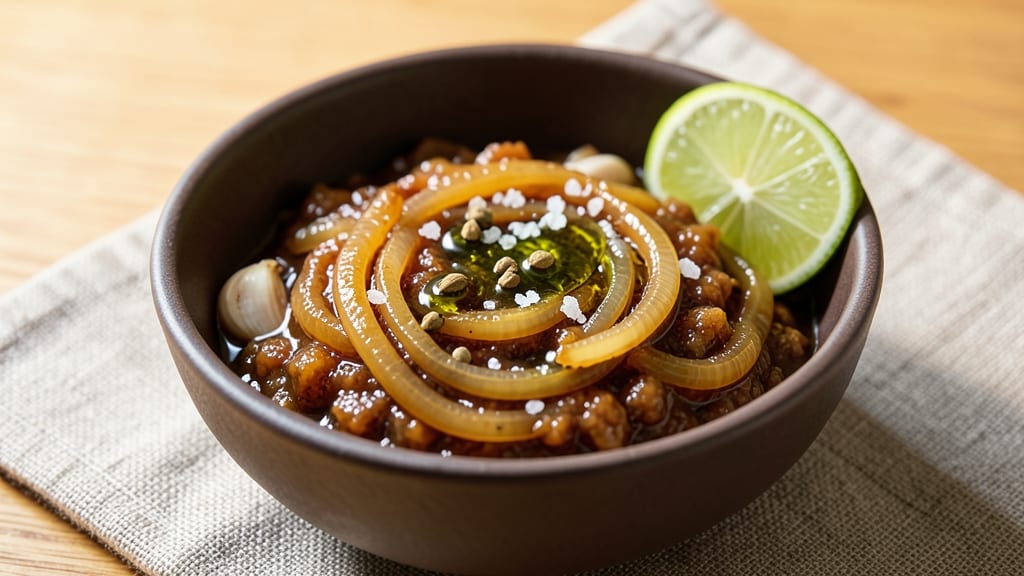
This Yassa onion sauce recipe delivers the bold, tangy foundation of Senegalese cuisine in just 30 minutes. The secret lies in slow-cooking onions until caramelized, then balancing their sweetness with vinegar, mustard seeds, and a bright lime finish.
I've perfected this sauce to elevate grilled fish or chicken, but it's equally transformative as a marinade or dipping sauce.
The process starts with onions cooked low and slow until deep amber, creating natural sweetness that forms the sauce's heart. Mustard seeds and garlic add aromatic depth, while vinegar and lime introduce the signature tang that defines Yassa dishes.
What makes this sauce special is its versatility—it works as a marinade, cooking sauce, or even a condiment for rice dishes.
By the time you're done, you'll have a vibrant, complex sauce with layers of flavor: sweet caramelized onions, peppery mustard seeds, garlicky aroma, and that signature West African tang.
The texture is smooth yet slightly thickened, perfect for clinging to proteins or brightening grains. This is the kind of sauce that turns simple ingredients into something extraordinary.
Store it in the refrigerator for up to 5 days or freeze for 3 months, making it perfect for meal prep. Whether you're cooking Yassa chicken or grilled fish, this sauce is your secret weapon for authentic West African flavor. Let's get started on creating it.
Ingredients for yassa onion sauce
Eight simple ingredients transform into West African flavor magic in just 30 minutes.
| Ingredient | Amount | Notes |
|---|---|---|
| Yellow Onions 🧅 | 3 whole | Large, thinly sliced for even cooking |
| Yellow Mustard Seeds 🌶️ | 1 tbsp | Whole, toasted for aroma |
| Garlic Cloves 🧄 | 4 cloves | Peeled, minced for depth |
| White Wine Vinegar 🍷 | ½ cup | Balsamic adds depth if preferred |
| Fresh Lime Juice 🍋 | ¼ cup | Freshly squeezed for brightness |
| Extra-Virgin Olive Oil 🫒 | ½ cup | High quality for richness |
| Salt 🧂 | 1 tsp | Diamond Crystal preferred |
| Ground Black Pepper 🌶️ | ½ tsp | Freshly ground for heat |
| Fresh Cilantro Leaves 🌿 | ¼ cup | Chopped for garnish (optional) |
Start with the onions—they're the heart of this sauce. Yellow onions work best, but red add color if you're feeling festive. Look for firm, dry onions at Whole Foods or your local market—they caramelize more evenly. Mustard seeds are key for that signature Yassa kick. Penzeys sells them whole if you want to toast them yourself, but the ground version in the spice aisle works too. Fresh garlic and lime are non-negotiable here—no substitutes will give you that authentic tang. I always grab extra limes because their juice is the secret to balancing the sweet caramelized onions.
No mustard seeds? Dijon mustard at half the amount gets you close, though it won't toast like the seeds. Running out of lime juice? Lemon works in a pinch, but you'll lose that West African brightness. The olive oil matters—use something fruity and peppery, not that mild grocery store stuff. For extra depth, swap half the vinegar for balsamic vinegar. The cilantro is optional but adds freshness if you're serving this with fish or chicken. If you can't find fresh, dried cilantro at one-third the amount works in a bind.
This sauce keeps beautifully—store it in an airtight jar in the fridge for up to 5 days. The flavors actually deepen overnight, so make extra. Freezes perfectly for 3 months if you want to stock up. I like to portion it into small jars so I can grab one for quick meals. The texture thickens when chilled, but just stir in a splash of water if it gets too stiff. Perfect for meal prep—just reheat and serve over rice or with grilled proteins.
Why You'll Love This Recipe
- Five-Ingredient Magic: I swear by this—just onions, mustard seeds, garlic, vinegar, and lime. That’s it. No fancy gadgets, no 10-step process. The mustard seeds toast in the pan while you slice, and by the time the onions caramelize, you’re basically done. My lazy Sundays just got a whole lot brighter.
- Tangy, Crispy, Addictive: Honestly, the balance here is chef’s kiss. The onions go from sweet to jammy, then that vinegar cuts through like a zesty wake-up call. Add a squeeze of lime at the end? Suddenly, it’s not just a sauce—it’s a flavor explosion that lingers. I’ve caught myself sneaking bites straight from the bowl.
- Dresses Up Anything: This sauce is my secret weapon for lazy nights. Drizzle it over grilled chicken, toss it with roasted potatoes, or even slather it on a sandwich. Between us, it’s the reason my weeknight dinners feel like a restaurant meal. (Yes, even on a Tuesday night.)
- Leftovers That Don’t Suck: Most sauces turn sad after day two, but not this one. The vinegar and lime keep it fresh, and the texture stays perfect—no slimy mess here. I make a double batch on Sundays, and by Thursday, I’m still using it. Plus, it’s dirt cheap to boot.
Step-by-step instructions for Yassa onion sauce
This vibrant sauce comes together with simple techniques and bold flavors.
Toast the Mustard Seeds Until Aromatic
Heat the 0.5 cup extra-virgin olive oil in a medium saucepan over medium heat. Add the 1 tablespoon yellow mustard seeds and cook for 2-3 minutes until they begin to pop and turn golden brown. Watch closely—they can burn quickly, so keep the heat steady but not high.
This toasting step unlocks the mustard seeds' nutty depth and sets the flavor foundation for the entire sauce. The oil should shimmer but not smoke. Once the seeds are fragrant and lightly toasted, remove the pan from heat for just a moment—you'll return to it shortly.
Sauté Onions Until Deeply Caramelized
Return the pan to medium heat and add the 3 whole yellow onions, sliced into thin rounds. Cook for 15-20 minutes, stirring occasionally, until they transform from pale to deep golden brown. You're aiming for that perfect caramelization where the onions become sweet and jammy.
Don't rush this step—patient cooking develops the rich, complex flavors that define Yassa sauce. The onions should coat the back of a spoon when pressed between your fingers. If they're sticking too much, add a splash of water and scrape up any browned bits from the bottom of the pan.
Add Garlic and Vinegar for Tangy Depth
Stir in the 4 cloves minced garlic and cook for 30 seconds until fragrant. Immediately add the 0.5 cup white wine vinegar and let it simmer for 3-4 minutes until slightly reduced. The vinegar will mellow out as it cooks, but it maintains that signature tangy brightness.
Here's where the sauce starts to come together. The vinegar helps break down the onions further, creating a glossy, slightly thickened base. Keep the heat at medium-low to prevent the vinegar from evaporating too quickly—you want to preserve that lively acidity.
Finish with Lime and Seasonings
Remove the pan from heat and stir in the 0.25 cup fresh lime juice, 1 teaspoon salt, and 0.5 teaspoon ground black pepper. The lime juice adds that signature zing that cuts through the richness of the onions. Taste and adjust the seasoning—you might need a bit more salt to balance the acidity.
Let the sauce rest for 5 minutes off the heat. This allows all the flavors to meld together. The texture should be thick enough to coat the back of a spoon but still have a silky consistency. If it's too thick, whisk in 1-2 tablespoons of water to reach your desired consistency.
Garnish and Serve with Fresh Herbs
Just before serving, stir in the 0.25 cup chopped fresh cilantro leaves. The cilantro adds a bright, fresh contrast to the rich, tangy sauce. Serve immediately over grilled chicken, fish, or with crusty bread to soak up every last drop of this vibrant West African sauce.
This sauce keeps well in the refrigerator for up to 5 days, though it tastes best when fresh. If storing, let it cool completely before transferring to an airtight container. The flavors actually improve overnight as they continue to meld!
Pro Tips For Making Yassa Onion Sauce
- Cook Onions Slow: Low heat is your friend here—caramelizing those onions for 20-25 minutes until deep amber and syrupy is what builds the sauce’s depth. I used to rush it, and the sauce always tasted flat. Patience pays off with a richer, more complex flavor.
- Toast Mustard Seeds Hard: Crank the heat and toast those mustard seeds until they’re audibly popping and smell nutty—about 1-2 minutes. Under-toasting means they’ll just add bitterness without that warm, earthy punch. (Yes, even if you’re impatient like me.)
- Use Vinegar Sparingly: Start with half the vinegar called for, taste, then add more if needed. Too much upfront makes the sauce sharp and unbalanced. The lime juice will handle the acidity later—let the vinegar build flavor gradually.
- Muddle Garlic with Salt: Crush the garlic cloves with a pinch of salt before adding them to the pan. It softens them faster and prevents burning, which ruins the sauce’s brightness. (Your future self will thank you for skipping the charred bits.)
Make-ahead tips for this yassa onion sauce
Prep Ahead Strategy
Make this sauce 2 days in advance for deeper flavor development. The onions caramelize further over time, and the vinegar's acidity mellows beautifully. I like to prepare it the night before my West African dinner—it's ready to go in the morning.
Store in an airtight glass jar in the fridge, with the lid slightly loose to let any excess moisture escape. 🌟
Freezer-Friendly Tips
For long-term storage, portion the sauce into ice cube trays before freezing. Once solid, transfer the cubes to a freezer bag with the date labeled. This makes it perfect for quick meals—just thaw overnight in the fridge and reheat gently.
The texture remains smooth when properly thawed, but expect a slightly thicker consistency after freezing. 🧊
Reheating Perfection
To revive the sauce after refrigeration, gently heat it in a saucepan over low heat for 5-7 minutes, stirring occasionally. Add 1-2 tablespoons of water if it thickens too much. Never microwave it directly—this can break the sauce's silky texture.
For best results, reheat only what you need for immediate use. The flavors will be just as vibrant as when fresh. 🔥
Sauce Multiplier Hack
Double the recipe and freeze half immediately. This way, you always have a backup sauce ready for spontaneous West African dinners. I keep two jars in my freezer—one for chicken dishes and one for fish.
The extra lime juice in the frozen version actually preserves the sauce's brightness better than refrigerated storage. 💡
Garnish Prep
Chop all your fresh cilantro and store it separately in a small container with a damp paper towel. This keeps it fresh for up to 3 days in the fridge. When ready to serve, simply stir in the cilantro just before eating—this preserves its vibrant color and fresh aroma.
For extra convenience, store the chopped cilantro in an ice cube tray and freeze—it'll keep for months! ✨
Meal Prep Pairings
Plan to use this sauce with proteins you're prepping ahead. Grilled chicken thighs or white fish fillets freeze beautifully and pair perfectly with Yassa sauce. I like to marinate the proteins in half the sauce for 1 hour before cooking, then use the remaining sauce as a finishing glaze.
This dual-purpose approach maximizes your prep time. 🍗
Nutrition facts
Frequently asked questions
Can I make this sauce without mustard seeds?
Yes! For a similar flavor, substitute with 1 teaspoon Dijon mustard or ½ teaspoon ground mustard powder. Toast the mustard powder in the oil for 30 seconds to mimic the nutty aroma of whole seeds. The sauce will still have that signature tang, though the texture will be slightly smoother.
How do I adjust the heat level in this sauce?
For milder heat, reduce the black pepper to ¼ teaspoon or omit it entirely. For extra spice, add ½ teaspoon cayenne pepper or 1-2 chopped scotch bonnet peppers (seeds removed) when toasting the mustard seeds. The vinegar and lime will balance any added heat beautifully.
What's the best way to use leftover Yassa sauce?
This versatile sauce works as a marinade for 30 minutes before grilling, a glaze for roasted vegetables, or a dip for crusty bread. Try it with grilled shrimp, rice pilaf, or even as a sandwich spread. For extra richness, stir in 1 tablespoon of butter when reheating. The flavors only get better with time!
Why did my sauce turn bitter?
Overcooking the onions or vinegar can cause bitterness. Keep the heat at medium-low and cook onions for no more than 20 minutes. If it tastes bitter, balance it with more lime juice or a pinch of sugar. The sauce should be sweet, tangy, and slightly peppery—not sharp or harsh.
Can I use this sauce in non-African dishes?
The bright, tangy flavors work wonderfully with Mediterranean grilled meats, Mexican tacos, or even as a marinade for burgers. The caramelized onions add depth to any dish, while the lime and vinegar keep it fresh. Think of it as a global flavor booster!