
Sauces & Condiments
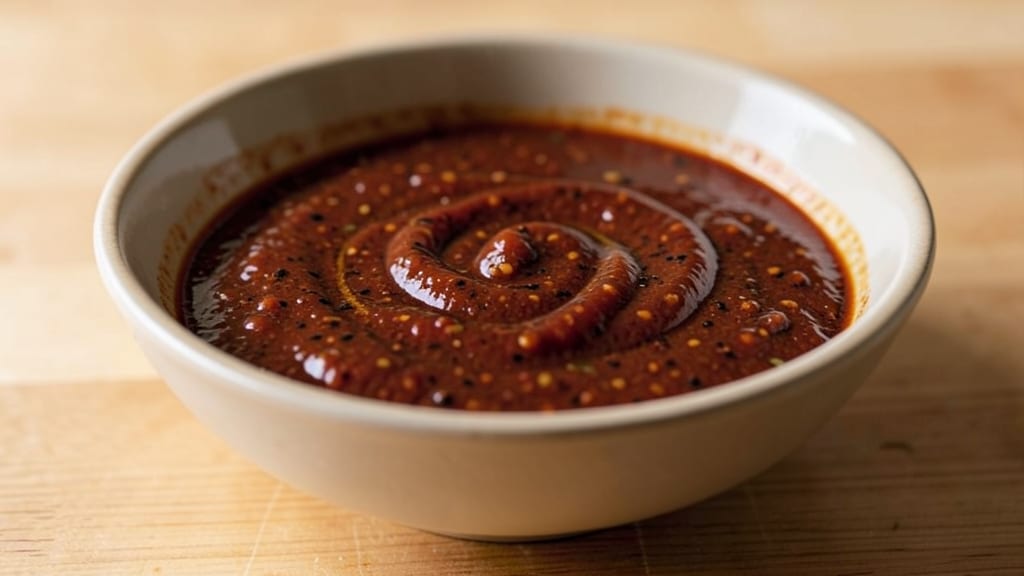
Smithfield-style BBQ sauce transforms simple ingredients into a smoky, tangy masterpiece that elevates pulled pork, ribs, or grilled chicken. The secret lies in balancing sweet tomato paste with bold chipotle heat and a touch of molasses for depth—just like the iconic brand's signature flavor.
This recipe delivers restaurant-quality results in under 30 minutes with pantry staples.
The sauce builds flavor through slow simmering, allowing spices like paprika and garlic powder to bloom while vinegar sharpens the profile. A quick blend creates that signature smooth yet textured consistency, perfect for basting or dipping. No special equipment needed—just a saucepan and patience for perfect balance.
What you'll end up with is a rich, versatile sauce that's sweet enough to please kids but smoky enough to satisfy BBQ purists. The chipotle adds subtle heat that lingers without overpowering, while molasses contributes that familiar Southern sweetness. This isn't just a sauce—it's the foundation for unforgettable meals.
Store leftovers in the fridge for up to 2 weeks or freeze for 3 months, making it ideal for meal prep. Double the batch—this sauce disappears faster than you can say "pull-apart sandwich." Let's make it!
Ingredients for smithfields bbq sauce
Pantry staples transform into restaurant-quality BBQ sauce with just eleven ingredients.
| Ingredient | Amount | Notes |
|---|---|---|
| Tomato Paste 🍅 | ½ cup | San Marzano preferred for sweetness |
| Apple Cider Vinegar 🍏 | ½ cup | White vinegar works in a pinch |
| Molasses 🍯 | ¼ cup | Unsulphured for best flavor |
| Chipotle Peppers in Adobo 🌶️ | 2 tbsp | Adjusted for mild heat |
| Smoked Paprika 🌶️ | 2 tbsp | Spanish smoked preferred |
| Garlic Powder 🧄 | 1 tbsp | Freshly ground preferred |
| Onion Powder 🧅 | 1 tbsp | Diamond Crystal preferred |
| Ground Black Pepper 🌶️ | ½ tsp | Freshly cracked preferred |
| Salt 🧂 | 1 ½ tsp | Kosher or sea salt |
| Brown Sugar 🍚 | ¼ cup | Light or dark preferred |
| Water 💧 | ½ cup | Filtered preferred |
The chipotle peppers in adobo sauce are the flavor foundation—look for brands like Goya or La Costeña for consistent quality. The tomato paste should be San Marzano if you're aiming for that authentic sweetness; Whole Foods or specialty stores carry it in tubes for convenience. Molasses can vary in intensity, so taste before adding—some brands are more robust than others. For smoked paprika, Spanish varieties like Pimentón de la Vera deliver the deepest smokiness, but any quality smoked paprika will work. The vinegar sharpens the sauce, so don't skimp—apple cider vinegar adds complexity, but white vinegar is fine if that's what you have.
No chipotle peppers? Substitute cayenne pepper at half the amount, but expect less smokiness. Running low on molasses? Maple syrup works in a bind, though it lacks the deep caramel notes. The brown sugar can be swapped for white, but light brown sugar adds subtle molasses-like depth. For a tangier profile, increase the vinegar by 1 tablespoon. The garlic and onion powders are non-negotiable—they build the sauce's aromatic backbone. If you're using fresh garlic instead, roast it first for a sweeter, deeper flavor that mimics the powdered version's intensity.
This sauce thickens as it cools, so store it in airtight glass jars in the fridge for up to 2 weeks. For longer storage, freeze in ice cube trays—thaw and blend as needed. The flavors actually improve over time, so double the batch if you plan to use it frequently. Reheat gently on the stove, stirring occasionally to maintain smoothness. A splash of water or vinegar can restore consistency if it thickens too much during storage.
Why You'll Love This Recipe
- Pantry Magic: I swear, this sauce comes together with stuff I already have—no special trips to the store. That molasses and smoked paprika? They’re the secret weapons that turn basic tomato paste into something ridiculously rich.
- Smoky Heat Balance: The chipotle peppers in adobo give it a slow-building kick, but the apple cider vinegar cuts through it just enough to keep it from being overwhelming. Honestly, it’s the kind of flavor that lingers but doesn’t take over.
- Weeknight Workhorse: Slather it on grilled chicken for a Tuesday dinner, toss it with baked beans for a lazy weekend, or even drizzle it over roasted veggies. It’s the one sauce that makes everything feel like a celebration—no fuss, just flavor.
- Budget-Friendly Batch: A single jar of tomato paste and a few dollars’ worth of spices stretch to feed my family for days. Plus, the leftovers? They taste just as good reheated the next day—no sad, watery second helpings here.
Step-by-step instructions for smithfield's BBQ sauce
This smoky, balanced sauce delivers restaurant-quality depth with simple pantry ingredients.
Combine Base Ingredients in a Saucepan
In a medium saucepan, whisk together the 0.5 cup tomato paste with the 0.5 cup apple cider vinegar and 0.25 cup molasses over medium-low heat. The tomato paste will thicken slightly as it begins to dissolve—stir constantly to prevent scorching. This foundational blend creates the sauce's sweet-tangy backbone.
Add the 2 tbsp chipotle peppers in adobo (finely chopped) and 2 tbsp smoked paprika, stirring to distribute the spices evenly. The chipotle peppers will infuse their smoky heat gradually, while the smoked paprika deepens the color. Let the mixture simmer for 5 minutes, allowing the flavors to meld and the tomato paste to fully incorporate.
Build Depth with Spices and Sweetness
Reduce heat to low and sprinkle in the 1 tbsp garlic powder, 1 tbsp onion powder, 0.5 tsp ground black pepper, and 1.5 tsp salt. Whisk vigorously to prevent clumping—these dry spices need to dissolve completely into the liquid base. The garlic and onion powders will add aromatic complexity, while the black pepper and salt balance sweetness and acidity.
Next, stir in the 0.25 cup brown sugar and 0.5 cup water. The brown sugar will caramelize slightly as it simmers, adding a molasses-like richness. Bring the mixture to a gentle boil, then immediately reduce heat to low. Let it simmer uncovered for 15-20 minutes, stirring occasionally, until the sauce thickens to a glossy, coatable consistency. You're aiming for a texture that clings to ribs or pulled pork without being syrupy.
Refine and Test for Balance
Taste the sauce and adjust seasoning if needed. If it lacks tang, add 1-2 teaspoons more apple cider vinegar. If it needs more heat, stir in an additional ½ teaspoon chipotle peppers (adjust to taste). The sauce should harmonize sweet, smoky, and slightly spicy notes—no single flavor should dominate. For a smoother texture, strain through a fine-mesh sieve to remove any residual chipotle seeds or paprika grit.
Let the sauce cool to room temperature before using or storing. The flavors will continue developing as it sits, deepening the smoky complexity. This sauce keeps well in the refrigerator for up to 2 weeks or can be frozen for 3 months—perfect for batch cooking ahead of your next BBQ.
Pro Tips For Making Smithfields Bbq Sauce
- Bloom the Tomato Paste: Heat your tomato paste in a dry pan for 2-3 minutes before adding liquids—it deepens the flavor and prevents clumping. I used to skip this, and my sauce always tasted flat until I realized how much difference this simple step makes.
- Strain the Chipotle: Remove the chipotle peppers from their adobo sauce and strain out the seeds before blending—this keeps the heat balanced and avoids a bitter, overpowering kick. I learned this the hard way after making sauce so spicy it ruined a perfectly good brisket.
- Simmer, Don’t Boil: Keep the sauce at a gentle simmer (tiny bubbles, occasional skimming) to avoid scorching the molasses or vinegar—boiling turns it bitter. After burning two batches, I finally got it right by lowering the heat and letting it work slowly.
- Whisk in Molasses Last: Add the molasses after the sauce has reduced for 15-20 minutes—this prevents it from burning and lets the vinegar’s acidity mellow out first. I was skeptical until I tried it, and now I never add it early.
Troubleshooting your smithfields bbq sauce
Sauce Too Thin?
If your sauce ends up too thin after simmering, don’t panic—simmering longer is the first fix. Increase heat to medium-low and cook uncovered for an additional 5-10 minutes, stirring occasionally. The water will evaporate, thickening the sauce naturally.
For immediate results, mix 1 tablespoon cornstarch with 2 tablespoons cold water, stir into the sauce, and simmer for 2 minutes until it reaches your desired consistency. 🌡️
Gritty Texture?
Gritty sauce usually means undissolved spices or chipotle seeds. Strain the sauce through a fine-mesh sieve or cheesecloth to remove any particles. For a smoother texture without straining, blend the sauce briefly in a blender or immersion blender.
If you prefer some texture, simply whisk vigorously to break up any clumps before serving.
Too Sweet or Tangy?
If your sauce tastes overwhelmingly sweet, balance it with 1-2 teaspoons of apple cider vinegar—this sharpens the flavor and cuts through the sugar. For a sauce that’s too tangy, reduce the acid by adding 1 tablespoon molasses or brown sugar and simmer for 2-3 minutes to meld the flavors.
Taste as you go—small adjustments make all the difference!
Not Smoky Enough?
If your sauce lacks smokiness, boost it with an extra ½ teaspoon smoked paprika or ½ teaspoon liquid smoke (just a few drops). For a deeper smoky flavor, add 1 teaspoon of smoked salt and simmer for 5 minutes to let the flavors integrate.
Chipotle peppers in adobo can also be finely blended into the sauce for a more intense smokiness.
Burnt or Scorched?
Sauce scorching happens when it’s left unattended on high heat. Always keep the heat at medium-low and stir frequently—especially when adding spices. If your sauce does scorch, immediately remove it from heat and stir in 1 tablespoon water or vinegar to deglaze the pan.
For a smoother finish, blend the sauce briefly to disperse any burnt particles.
Heat Too Intense?
If the chipotle heat overpowers the sauce, reduce it by straining out the seeds or blending the sauce to remove some of the capsaicin. For a milder sauce, add 1 teaspoon honey or brown sugar to balance the heat.
If you prefer a smoother heat profile, simmer the sauce for an extra 5 minutes—this helps mellow the spice intensity slightly. 🌶️
Nutrition facts
Frequently asked questions
Can I make this BBQ sauce without chipotle peppers?
Yes, but you'll lose some smokiness. Substitute with ½ teaspoon cayenne pepper for heat or ½ teaspoon smoked paprika for depth. For a milder version, use 1 teaspoon liquid smoke instead. The sauce will still taste great, just with a different flavor profile.
How should I use this sauce on different meats?
For pork ribs or pulled pork, brush on during the last 30 minutes of cooking. For grilled chicken, use as a marinade (30 minutes) or glaze (5 minutes before finishing). On beef brisket, apply during the last 2 hours of smoking. The sauce works best when heated—it thickens and caramelizes beautifully!
Why does my sauce separate or get stringy?
This usually happens if the tomato paste isn't fully dissolved or if the sauce cools too quickly. Stir constantly while simmering to prevent separation. If it happens, whisk in 1 tablespoon cold water and blend briefly with an immersion blender. For prevention, simmer uncovered and stir every 3-5 minutes.
Can I make this sauce in a slow cooker?
Combine all ingredients in your slow cooker and cook on low for 3-4 hours or high for 2 hours. Stir occasionally to prevent scorching. The slow cooker method creates a smoother sauce with deeper flavor development. Just watch the water content—it may need extra simmering time to thicken properly.
What's the best way to store homemade BBQ sauce?
Store in an airtight glass jar in the fridge for up to 2 weeks. For longer storage, freeze in ice cube trays—thaw and blend as needed. The sauce thickens when refrigerated, so stir before using. If it becomes too thick, thin with 1 teaspoon water or vinegar per ¼ cup sauce.