
Main Courses
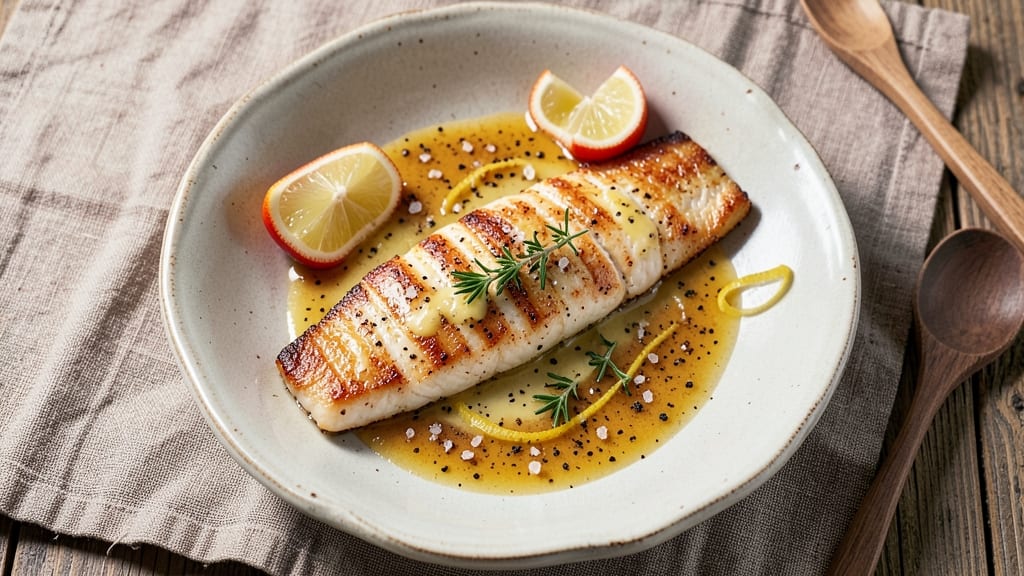
This pan fried fish with lemon butter sauce delivers the perfect harmony of crispy golden crust and bright, tangy citrus in every bite. I learned the secret from my dad's old cookbook—using cornstarch for that signature crunch while keeping the fish tender inside.
The lemon butter sauce transforms simple ingredients into something restaurant-worthy with just minutes of prep.
The key to success lies in proper heat control and timing. A hot pan ensures that crispy crust we all crave, while the lemon butter sauce emulsifies beautifully when made off the heat.
This recipe works with any firm white fish—cod, halibut, or even tilapia—and comes together in under 20 minutes. The secret weapon? A mix of cornstarch and flour for that perfect texture.
By the time you're done, you'll have perfectly fried fish with a golden crust that shatters slightly when you cut into it, all bathed in a velvety lemon butter sauce that's bright, tangy, and just slightly sweet.
The sauce clings to every piece of fish, creating a dish that's elegant yet simple enough for any weeknight dinner.
Serve with a simple side salad or steamed vegetables to complete the meal. The acidity of the lemon butter sauce cuts through the richness of the fish, making this a balanced dish that's perfect for any occasion. Let's get cooking!
Ingredients for recipe for pan fried fish with lemon butter sauce
Eight simple ingredients transform into restaurant-worthy pan fried fish with golden crust and zesty lemon butter sauce.
| Ingredient | Amount | Notes |
|---|---|---|
| Firm White Fish Fillets 🐟 | 4 pieces | Cod, halibut, or tilapia (6 oz each) |
| All-Purpose Flour 🌾 | ½ cup | For dredging fish |
| Cornstarch 🌾 | ½ cup | Secret to crispy crust |
| Salt 🧂 | 1 tbsp | Kosher or sea salt |
| Black Pepper 🌶️ | ½ tsp | Freshly ground preferred |
| Unsalted Butter 🧈 | 6 tbsp | Cold, cut into pieces |
| Fresh Lemon Juice 🍋 | ¼ cup | From 2-3 lemons |
| Lemon Zest 🍋 | 1 tbsp | Fine, freshly grated |
| Vegetable Oil 🫒 | ½ cup | High smoke point |
| Garlic Cloves 🧄 | 3 cloves | Minced for sauce |
| Fresh Parsley 🌿 | ¼ cup | Chopped for garnish |
The fish is everything here—firm and even-sized fillets make all the difference. Whole Foods or local fish markets have the best quality, but any grocery store seafood counter will do. Look for fillets with a smooth, shiny surface and no fishy odor. If using frozen, thaw overnight in the fridge—never in warm water. The cornstarch is non-negotiable for that signature crunch (thanks, Dad's cookbook!). For extra crispiness, pat the fillets dry with paper towels before dredging—moisture is the enemy of crispy crusts.
No cornstarch? Arrowroot powder works 1:1, though the texture won't be identical. Short on butter? Olive oil or avocado oil keeps it vegan-friendly, but butter gives that rich, velvety sauce. Fresh lemon juice is ideal, but bottled lemon juice in a pinch (like ReaLemon) works—just add a pinch more salt. The parsley is purely decorative, so skip it if you're out. For a spicier kick, add a pinch of red pepper flakes to the sauce. And trust me, the garlic should be minced, not powdered—fresh makes all the difference.
Fish cooks fast—keep it covered with foil while you make the sauce to stay warm. The sauce emulsifies beautifully off the heat, so whisk it vigorously before pouring over the fish. Serve immediately for that perfect crispy crust. Leftovers? Store sauce separately—it reheats better than the fish. The fish itself keeps 1 day in the fridge, but honestly, it's best fresh. For extra prep, make the sauce ahead and store it in the fridge (just reheat gently before using).
Why You'll Love This Recipe
- One-Pan Magic: I swear by this recipe—just flour, cornstarch, and a quick sear in the same pan where the sauce simmers. No extra dishes, no stress, and that golden crust? It happens while you’re tossing a salad or setting the table.
- Butter-Lemon Bliss: The cornstarch gives it that perfect crunch, but the sauce is where it shines—tangy lemon cutting through the richness of the butter. Honestly, I’ve tried fancier sauces, but this one’s the only one my picky husband actually finishes.
- Weeknight to Dinner Party: Serve it with steamed greens for a Tuesday night win, or pair it with crusty bread and a crisp white wine for guests. Same recipe, just different vibes—no reinventing the wheel, just adapting.
- Leftovers That Don’t Suck: Unlike fried fish that turns soggy, this holds up for days. Reheat gently in a skillet with a splash of water, and the sauce stays silky. My lunch for three days, solved.
Step-by-step instructions for pan fried fish with lemon butter sauce
Here's how to achieve that perfect golden crust and tangy, velvety sauce every time.
Prepare the Crispy Crust Coating
In a medium bowl, whisk together the 0.5 cup all-purpose flour and 0.5 cup cornstarch until completely combined. This blend creates the secret to our ultra-crispy crust. In a separate small bowl, mix the 1 tablespoon salt and 0.5 teaspoon black pepper. The cornstarch is key here—it absorbs moisture and creates that satisfying crunch.
Place the 4 pieces firm white fish fillets on a clean work surface. Pat each fillet dry with paper towels—this step is crucial for maximum crispiness. The drier the surface, the better the coating will adhere. Season each fillet lightly with the salt-pepper mixture on both sides, pressing gently so it sticks.
Create the Perfect Frying Setup
Cut the 6 tablespoons unsalted butter into small cubes and place them in a large skillet. Add the 0.5 cup vegetable oil and place the skillet over medium-high heat. Let the mixture heat for 3-4 minutes until the butter begins to foam and the oil shimmers—this indicates it's ready for frying. The butter adds incredible flavor while helping create that golden crust.
While the pan heats, dip each seasoned fish fillet into the flour-cornstarch mixture, pressing gently to ensure an even coating on all sides. Shake off any excess, but don't worry about getting it perfect—some unevenness just adds character. The coating should look like a fine, even dusting when you're done.
Fry to Golden Perfection
Carefully place the coated fish fillets in the hot skillet, working in batches if needed to avoid overcrowding. Cook for 3-4 minutes per side until the crust turns a beautiful golden brown and the fish flakes easily when tested with a fork. You'll see the edges start to crisp—that's your signal to flip. Don't press down on the fish or it'll break apart.
As the fish cooks, the butter will begin to brown and develop a nutty aroma. This is when the magic happens—those browned bits create incredible flavor. Transfer the cooked fish to a paper towel-lined plate to drain any excess oil, but keep the skillet warm for the sauce.
Make the Bright Lemon Butter Sauce
Reduce the heat to medium-low and add the 3 minced garlic cloves to the skillet with the browned butter. Sauté for 30 seconds until fragrant—don't let it burn, or it'll turn bitter. Immediately pour in the 0.25 cup fresh lemon juice and 1 tablespoon lemon zest, scraping up all those delicious browned bits from the bottom of the pan.
Let the sauce simmer gently for 1-2 minutes until slightly thickened. The acidity from the lemon will brighten the rich butter flavor perfectly. If the sauce looks too thick, add 1-2 tablespoons water to reach your desired consistency. The sauce should coat the back of a spoon smoothly.
Finish and Serve
Return the crispy fish fillets to the skillet and spoon the lemon butter sauce generously over the top. Let it sit for 1 minute to absorb some of that incredible sauce. The contrast between the crispy crust and creamy sauce is what makes this dish special.
Transfer the fish to serving plates and garnish with the 0.25 cup chopped fresh parsley. Serve immediately while the crust is still crisp and the sauce is warm. The bright citrus cuts through the richness of the butter, creating a perfect balance of flavors in every bite.
Pro Tips For Making Recipe For Pan Fried Fish With Lemon Butter Sauce
- CRISP THE FISH FAST: Use a 50/50 flour-cornstarch mix—cornstarch grabs moisture faster than flour alone. Pat the fillets dry first, then dredge twice in the mix: once to coat, once to seal. I learned this after my first batch turned soggy; the double dip makes all the difference when you’re frying at high heat.
- SALT THE PAN FIRST: Toss a pinch of salt into the cold pan before heating—it seasons the crust and prevents sticking. Let it bloom into the oil for 30 seconds before adding the fish. Sounds weird, but it works: my fish now sticks less and tastes more cohesive, not just buttery on top.
- WATCH THE BUTTER TEMP: Melt the butter for the sauce over low heat—if it browns, you’ve lost flavor. Keep it warm but not bubbling, then finish with lemon juice and a splash of pasta water (yes, even for fish) to loosen the sauce. I was skeptical until I tried it; the sauce clings better and doesn’t curdle.
- SKIP THE CROWDING: Fry one fillet at a time—even if it means two batches. Crowding drops the pan’s temperature, turning your crispy crust into a sad, greasy mess. A 3-inch gap between fillets guarantees even cooking; my first batch was a greasy disaster because I rushed.
Essential equipment for recipe for pan fried fish with lemon butter sauce
Skillet Essentials
You’ll need a 10-12 inch cast-iron skillet for this recipe—it retains heat beautifully and creates that perfect crust. I swear by my Lodge 10.25-inch Pre-Seasoned Cast Iron Skillet (it’s my go-to for everything from searing to frying).
If you don’t have cast iron, a heavy stainless steel skillet works too, but monitor the heat more closely. The key is a skillet with sloped sides—this helps prevent the fish from sticking while you flip it. 🔥
Butter & Oil
Use unsalted butter (like Plugrá or Land O’Lakes) cut into small cubes—it browns better than melted butter. For the oil, I recommend avocado oil (high smoke point, neutral flavor) or vegetable oil (like Mazola).
Avoid olive oil—it burns too easily and adds a bitter taste. A 2-tablespoon measuring spoon makes cutting butter cubes a breeze, and I always keep a small bowl nearby to discard trimmings.
Coating Tools
You’ll need two bowls: one for the flour-cornstarch mix and one for the salt-pepper seasoning. A fine-mesh strainer helps sift the cornstarch for an even coating. I also grab two paper towel sheets—one to pat the fish dry before seasoning and another to drain the fried fish.
A small whisk keeps the flour-cornstarch blend smooth, and a fork works perfectly for pressing seasoning into the fish fillets.
Lemon Prep
Fresh lemon juice and zest are non-negotiable for that bright, tangy flavor. I juice 2-3 lemons (about 0.25 cup) using a handheld reamer—it’s faster than a juicer and gives you more control. For zest, a microplane yields fine, even strips.
If you’re short on time, ReaLemon (a bottled lemon juice concentrate) works in a pinch, but I always add an extra pinch of salt to balance the flavor. A small bowl catches the zest while you grate.
Garnish & Serving
Fresh parsley is the perfect finishing touch—it adds color and a fresh herbal note. I use flat-leaf parsley (more flavorful than curly) and chop it with a sharp chef’s knife. For serving, rectangular plates let the fish shine, and a small spoon helps distribute the sauce evenly.
If you’re feeling fancy, add a lemon wedge on the side for squeezing extra citrus over each bite.
Optional Upgrades
For extra crispiness, try panko breadcrumbs (mix 2 tbsp into the flour-cornstarch blend). A thermometer ensures your oil is at 350°F—too hot, and the crust burns; too cool, and it’s soggy.
I also keep a small bowl of ice water nearby to quickly chill any leftover lemon zest if I’m not using it all at once. And trust me, a small offset spatula makes flipping fish effortless without breaking the crust. 💡
Nutrition facts
Frequently asked questions
What type of fish works best for this recipe?
Firm white fish like cod, halibut, or tilapia work perfectly—they hold their shape and stay tender when fried. Avoid delicate fish like flounder or sole, which can fall apart. The recipe also works well with snapper or mahi-mahi for a more flavorful twist.
Can I make the lemon butter sauce ahead of time?
Yes! Prepare the sauce up to 1 day ahead and store it in an airtight container in the fridge. To reheat, gently warm it in a saucepan over low heat while whisking continuously. For the best texture, add 1 tablespoon cold water to help it emulsify again. The fish should always be cooked fresh, though.
Why did my fish turn out greasy instead of crispy?
Greasy fish usually means the oil was too hot or the fish wasn't dry enough. Use medium-high heat (not high) and pat the fillets completely dry before dredging. Also, don't overcrowd the pan—cook in batches if needed. The cornstarch is your secret weapon for crispiness, so make sure it's evenly distributed.
How do I adjust this for a gluten-free diet?
Replace the flour with gluten-free all-purpose flour and use arrowroot powder instead of cornstarch (same ratio). For extra crispiness, add 1 tablespoon gluten-free panko to the coating. The sauce remains naturally gluten-free, so no other changes are needed. Always check labels to avoid cross-contamination.
Can I use frozen fish for this recipe?
Yes, but thaw it properly first! Place frozen fillets in a sealed bag and submerge in cold water for 30-45 minutes (change water halfway). For best texture, thaw overnight in the fridge. Never use warm water—it creates a soggy crust. Pat completely dry before seasoning, as any ice crystals will prevent crispiness.