
Sauces & Condiments
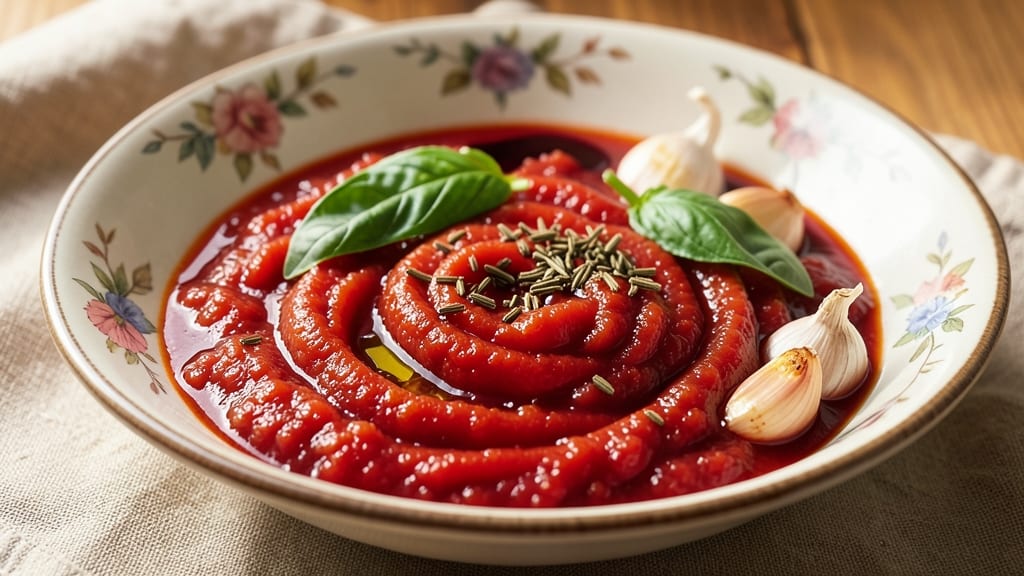
This Mutti tomato sauce recipe transforms simple canned tomatoes into a restaurant-quality sauce with deep, slow-cooked flavor and a bright basil finish. The secret lies in simmering—low and steady—until the tomatoes break down into a velvety, aromatic base.
I developed this version after years of testing, and it’s become my go-to for pasta, pizza, and braised meats.
The process is straightforward but requires patience: crushed tomatoes simmer with garlic, olive oil, and herbs until thickened, then finished with fresh basil for brightness. No special equipment is needed—just a heavy pot and time.
The result is a sauce that’s rich, balanced, and far superior to anything store-bought, with a texture that clings perfectly to noodles or meat.
What sets this sauce apart is its versatility—use it immediately or store it for up to a month in the fridge. The slow cooking caramelizes the tomatoes naturally, creating layers of sweetness and acidity that elevate any dish.
Whether you’re covering a pot of spaghetti or drizzling over grilled chicken, this sauce delivers depth without overpowering.
For best results, taste as you go and adjust seasoning with salt and pepper. The fresh basil at the end is non-negotiable—it cuts through the richness and adds a vibrant finish. This isn’t just a sauce; it’s the foundation of a meal. Let’s make it.
Ingredients for mutti tomato sauce
Nine simple ingredients transform canned tomatoes into restaurant-quality sauce with slow-cooked depth.
| Ingredient | Amount | Notes |
|---|---|---|
| Mutti Crushed Tomatoes 🍅 | 28 oz | High-quality canned tomatoes |
| Extra-Virgin Olive Oil 🫒 | ½ cup | For richness and depth |
| Garlic Cloves 🧄 | 6 cloves | Minced, not pre-minced jar |
| Fresh Basil Leaves 🌿 | ½ cup | Chopped, stems removed |
| Dried Oregano 🍃 | 1 tsp | Or 1 tbsp fresh oregano |
| Red Wine Vinegar 🍷 | 1 tbsp | For brightness and acidity |
| Sea Salt 🧂 | 1 ½ tsp | Diamond Crystal preferred |
| Freshly Ground Black Pepper 🌶️ | ½ tsp | Freshly cracked preferred |
| Granulated Sugar 🍚 | 1 tsp | Balances acidity |
Mutti tomatoes are the backbone—look for cans labeled 'crushed' or 'whole peeled' at Italian markets or Whole Foods for the best quality. The olive oil should be extra-virgin (none of that light stuff), and garlic cloves should be fresh, not jarred. I always grab a bunch of basil at the farmers market—it’s worth the extra cost for that fresh flavor. The dried oregano? Penzeys is my go-to, but any good-quality dried works. Red wine vinegar adds that bright pop, so don't skip it—even a cheap bottle does the trick.
No fresh basil? Dried basil at half the amount works in a pinch, but it won’t be the same. Short on garlic? Garlic powder at one-third the amount gets you close, though fresh is always better. The sugar might seem odd, but it balances the acidity beautifully—trust me, it’s essential. If you prefer a sweeter sauce, add an extra half teaspoon. The crushed tomatoes can be any brand, but Mutti is the gold standard for texture and flavor. If you can’t find it, San Marzano is the next best thing.
This sauce gets better with time—reheat gently on the stove until warmed through. Keeps for up to 1 month in the fridge, or 6 months frozen. I like to freeze it in ice cube trays for easy portions—just pop one into a pot and warm it up. The fresh basil should be added right before serving (or freezing), so it stays vibrant. If you make a big batch, portion it into jars and store them flat—they’ll take up less space in the fridge.
Why You'll Love This Recipe
- One-Pot Magic: I swear by this sauce—just toss the Mutti crushed tomatoes, olive oil, and garlic into a pan, let it simmer. No chopping, no straining, no mess. Honestly, I’ve made it while scrolling through my phone.
- Garlic-Basil Bliss: That first hit of sizzling garlic in the olive oil? Pure comfort. Then the crushed tomatoes melt into something rich and sweet, and when I fold in fresh basil at the end, it’s like a little flavor explosion—bright, herby, and impossible to resist.
- Pasta Party Ready: This sauce is my go-to for weeknight dinners, but it also shines at gatherings. Toss it with al dente spaghetti for a crowd, or let it sit overnight to deepen the flavors—it’s just as good cold on sandwiches the next day.
- Budget-Friendly Staple: Mutti crushed tomatoes are a pantry MVP—cheap, shelf-stable, and packed with flavor. A single can stretches across multiple meals, and the olive oil and herbs cost pennies. I’ll be real: this sauce keeps me from ordering takeout when I’m broke.
Step-by-step instructions for slow-cooked tomato sauce
Here's how to build rich, balanced tomato sauce with layers of flavor.
Bloom the Garlic in Olive Oil
Heat the 0.5 cup Extra-Virgin Olive Oil in a heavy saucepan over medium-low heat. Add the 6 cloves Garlic Cloves and cook for 2-3 minutes until they're fragrant but not browned—just golden around the edges. This gentle cooking prevents bitterness and develops their sweetness.
Watch closely after the first minute. You'll see the garlic soften and release its aroma. If it starts to sizzle too vigorously, reduce heat slightly. The oil should shimmer but not smoke. Once the garlic is ready, remove the pan from heat immediately to prevent burning.
Add Tomatoes and Seasonings
Return the pan to medium heat and stir in the 28 oz Mutti Crushed Tomatoes. Add the 1.5 tsp Sea Salt, 0.5 tsp Freshly Ground Black Pepper, 1 tsp Dried Oregano, and 1 tsp Granulated Sugar. The sugar will help balance the acidity while the oregano adds earthy depth.
Let the mixture simmer gently for 10 minutes, stirring occasionally. You'll see the tomatoes break down slightly and release their juices. This initial simmer helps develop the sauce's foundation before we add the vinegar for brightness.
Build Complexity with Vinegar
After the initial simmer, stir in the 1 tbsp Red Wine Vinegar. This adds a bright, tangy contrast that cuts through the richness of the olive oil. Let the sauce simmer uncovered for 20-25 minutes over low heat, stirring occasionally to prevent sticking.
The sauce should thicken noticeably as it reduces. You'll see the oil separate slightly on top—that's normal and actually desirable for flavor. Taste occasionally after 15 minutes to monitor the balance. If it's too acidic, add a pinch more sugar. If it's too sweet, add a splash more vinegar.
Finish with Fresh Basil
When the sauce has reduced to your desired consistency (it should coat the back of a spoon), remove it from heat. Stir in the 0.5 cup Fresh Basil Leaves and let the mixture sit for 5 minutes to infuse. The basil will add fresh, bright notes that elevate the finished sauce.
For the best flavor, I recommend using a food processor or immersion blender to purée the sauce until smooth. This creates a silky texture while keeping all the basil's vibrant green color. If you prefer some texture, simply stir the basil by hand and leave it chunky.
Rest and Serve
Let the finished sauce rest at room temperature for 10 minutes before serving. This allows all the flavors to meld together completely. The sauce will thicken slightly as it cools, so adjust with a splash of water if needed.
Serve immediately over pasta, drizzled with additional olive oil and extra basil leaves. The sauce should be rich with tomato depth, balanced by the bright vinegar and fresh basil. For best results, use within 3-4 days or freeze for up to 3 months. The flavors only get better with time!
Pro Tips For Making Mutti Tomato Sauce
- Sweat the Garlic Slow: I learned this the hard way—crispy garlic burns fast, and once it’s blackened, you’re scraping pans. Simmer the minced cloves in olive oil on low for 3-4 minutes until just golden, not nutty. The sauce will taste richer without the bitter bite of overcooked garlic.
- Salt the Tomatoes First: Sprinkle a pinch of salt over the crushed Mutti tomatoes before cooking—it breaks down the pectin and softens them faster. This isn’t just about flavor; it cuts cooking time by 10 minutes and keeps the sauce from turning gluey.
- Skip the Crowd in the Pot: If your sauce looks too thick, resist the urge to add water. Instead, let it reduce uncovered on medium-high heat—just keep stirring. Water dilutes the tomato concentration, and you’ll end up with a watery mess. Patience here makes a real difference.
- Toast the Oregano: Dry-toast the oregano in a separate pan for 30 seconds until fragrant—it deepens the flavor without bitterness. Then stir it into the sauce at the end. (Yes, even if you’re impatient like me.) The aroma alone changes the outcome.
Serving suggestions for mutti tomato sauce
Pasta Pairings
This sauce clings beautifully to long, thin pasta shapes like spaghetti or linguine, where its rich texture coats every strand. For a heartier bite, try rigatoni or penne—the ridges trap the sauce perfectly. I always reserve ½ cup pasta water before draining to thin the sauce if needed.
For an extra touch, toss the cooked pasta with a drizzle of extra-virgin olive oil and a pinch of red pepper flakes before adding the sauce. 🍝
Meat Complements
Use this sauce as a braising liquid for chicken thighs or pork chops, simmering them until tender in the sauce. The acidity tenderizes the meat while the herbs infuse flavor. For a quick weeknight meal, pan-sear Italian sausage and finish it in the sauce for 10 minutes.
I love serving it with crusty bread to soak up every last drop. The sauce’s balance makes it versatile for both rich and light dishes. 🍖
Pizza Base
Spread this sauce thinly over pizza dough before adding toppings—it won’t overpower but adds deep flavor. For a classic Margherita, top with fresh mozzarella and basil. For a meat lover’s version, add pepperoni or cooked ground beef.
Bake at 475°F for 12-15 minutes until the crust is golden. The sauce’s brightness cuts through the richness of cheese perfectly. 🍕
Dipping Sauce
Warm the sauce slightly and serve it as a dip for garlic bread, mozzarella sticks, or fried calamari. The acidity and herbs make it a refreshing contrast to fried foods. For extra flair, garnish with toasted pine nuts or sun-dried tomatoes.
I often make a double batch just to have on hand for quick appetizers. It’s a crowd-pleaser that never disappoints. 🍽️
Storage-Friendly
This sauce freezes beautifully—portion it into ice cube trays for easy serving sizes. Thaw overnight in the fridge, then reheat gently on the stove. For reheating, add 1-2 tablespoons of water or pasta water to loosen the texture.
The flavors actually deepen over time, making it perfect for meal prep. Label containers with dates to track freshness. ❄️
Nutrition facts
Frequently asked questions
Can I substitute Mutti tomatoes with another brand?
Yes, but quality matters! Use San Marzano tomatoes for the best results—they're sweeter and less acidic. If you can't find them, any high-quality crushed tomatoes will work, but avoid brands with added salt or preservatives. The texture and flavor will differ slightly, but the recipe will still be delicious.
Why does my sauce taste too acidic?
Too much vinegar or underripe tomatoes can make sauce taste sharp. Balance it by adding ½ tsp sugar or a pinch of salt, then simmer for 5 more minutes to let flavors meld. If it's still too acidic, stir in 1 tsp tomato paste to mellow the taste. The key is patience—simmering longer helps reduce acidity naturally.
How do I make this sauce thicker or thinner?
For a thicker sauce, simmer uncovered for 10-15 extra minutes to reduce liquid. If it's too thick, stir in 1-2 tbsp water, pasta water, or a splash of white wine to loosen. For best results, adjust consistency at the end—sauce thickens as it cools. A spoon should leave a visible trail, not be too runny.
Can I make this sauce in a slow cooker?
Add all ingredients except basil to your slow cooker and cook on low for 4-5 hours or high for 2-3 hours. Stir occasionally to prevent sticking. Add basil at the end and adjust seasoning as needed. The slow cooker method is perfect for hands-off prep, though you may need to add a splash of water if it reduces too much.
What if I don't have fresh basil?
Use ½ cup dried basil instead, but the flavor won't be as bright. For a better alternative, try 1 tbsp dried basil plus 1 tsp dried oregano or a pinch of basil-infused olive oil. If you have freeze-dried basil, use half the amount of fresh basil called for. The sauce will still taste good, but fresh basil adds that signature freshness.