
Sauces & Condiments
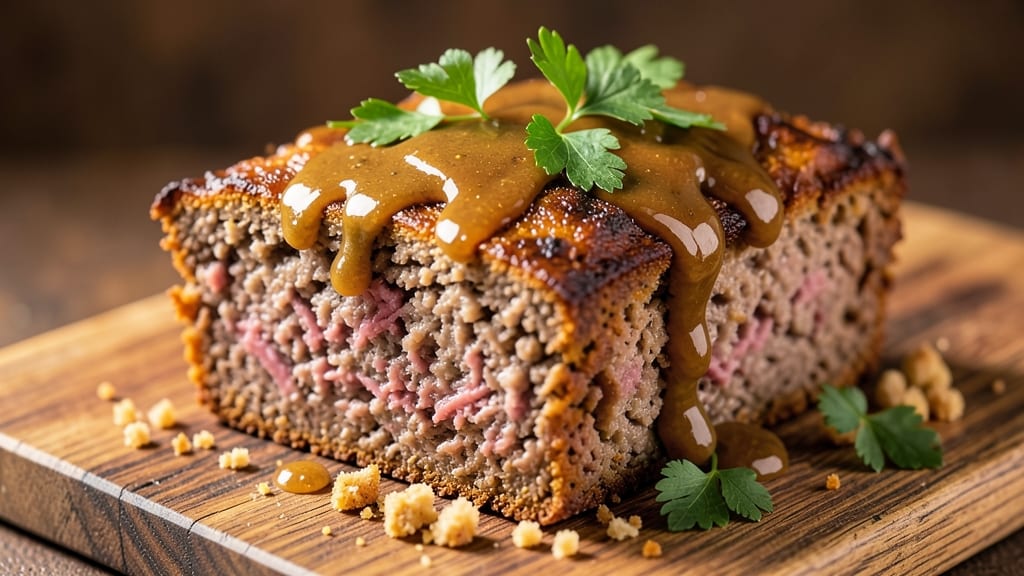
This meatloaf recipe without tomato sauce completely reimagines the classic—no ketchup glaze in sight. 💛 After years of perfecting the balance between savory and sweet, I've developed a herb-infused mustard glaze that creates a rich, caramelized crust while keeping the interior juicy and flavorful.
The secret lies in a blend of Dijon mustard, Worcestershire, and aromatic herbs that build depth without relying on tomato-forward flavors.
What makes this approach work is the combination of ground beef, pork, and breadcrumbs that create a tender yet sturdy loaf, while the glaze adds complexity through slow caramelization in the oven.
Unlike traditional recipes that depend on tomato sauce for moisture and flavor, this version uses a pan sauce made from the drippings—rich, savory, and packed with umami from the mustard and herbs. The result is a meatloaf that stands on its own without needing the familiar tomato base.
By the time you slice into this meatloaf, you'll find perfectly seasoned meat with a glossy, caramelized exterior that's sweet without being cloying. The glaze cuts through the richness beautifully, offering a tangy contrast that keeps every bite interesting.
This is comfort food elevated—familiar yet completely reinvented, with a technique that delivers professional-quality results in your home kitchen.
The best part? This recipe scales perfectly for weeknight dinners or holiday gatherings, and the glaze technique works equally well with beef, pork, or even turkey. Pair it with mashed potatoes, roasted vegetables, or crusty bread to soak up every last bit of that flavorful pan sauce. Let's get cooking!
Ingredients for meatloaf recipe without tomato sauce
Sixteen ingredients transform into a meatloaf that surprises with its herb-infused glaze instead of tomato sauce.
| Ingredient | Amount | Notes |
|---|---|---|
| Ground Beef (80% lean) 🥩 | 1 ½ lb | Coarse grind preferred for texture |
| Ground Pork 🐷 | ½ lb | Adds moisture and richness |
| Dijon Mustard 🍯 | ½ cup | High-quality for glaze depth |
| Worcestershire Sauce 🍶 | 2 tbsp | Anchovy-free version preferred |
| Fresh Parsley 🌿 | ¼ cup | Chopped finely for herbs |
| Fresh Sage 🌿 | ¼ cup | Chopped, aromatic base |
| Yellow Onion 🧅 | 1 whole | Finely diced, sweet variety |
| Garlic Cloves 🧄 | 4 cloves | Minced for aromatic punch |
| Plain Breadcrumbs 🍞 | ¾ cup | Panko for extra crunch |
| Large Egg 🥚 | 1 whole | Beaten for binding |
| Kosher Salt 🧂 | 1 ½ tsp | Diamond Crystal preferred |
| Ground Black Pepper 🌶️ | 1 tsp | Freshly cracked for heat |
| Granulated Sugar 🍚 | 1 tbsp | Balances mustard sweetness |
| Olive Oil 🫒 | 2 tbsp | Extra-virgin for richness |
| Beef Broth 💧 | ½ cup | Low-sodium preferred |
The ground beef and pork blend is where this meatloaf's texture begins. 80% lean beef gives the right balance of juiciness and structure, while pork adds moisture—never skip it. For the best quality, grab these from the butcher counter or pre-ground packages labeled 'coarse grind' at Whole Foods or Kroger. The herbs—parsley and sage—need to be fresh for that vibrant, aromatic punch. Italian markets often carry larger bunches of sage, but the grocery store's fresh section works too. If you're prepping ahead, store the raw meat mixture in an airtight container for up to 24 hours before baking.
No Dijon mustard? Whole-grain mustard thinned with a splash of water works in a pinch, though it lacks the depth. Worcestershire sauce can be tricky—some brands contain anchovies, so check labels or use vegetarian Worcestershire for strict dietary needs. The breadcrumbs should be plain, not seasoned—Panko adds that perfect crunch to the crust. For the glaze, the sugar is key—it caramelizes beautifully with the mustard and herbs, creating that glossy finish. If you're scaling this up for a crowd, double the glaze ingredients and brush on extra layers during baking for maximum caramelization.
This meatloaf reheats beautifully—just cover with foil and warm in the oven at 300°F for 15 minutes. The glaze thickens as it cools, so if it seems too runny right after baking, let it rest for 10 minutes before slicing. Leftovers keep for 4-5 days in the fridge, and the glaze freezes well for up to 3 months if stored in an airtight container. For meal prep, slice the meatloaf and store with the glaze separately—reheat the glaze in a saucepan over low heat and drizzle over the warmed meatloaf. The pan sauce from the baking dish? That's liquid gold—simmer it down with a splash of beef broth for an instant gravy.
Why You'll Love This Recipe
- No-Sauce Surprise: I’ll be real—this version actually lets the meat shine. No cloying tomato glaze means the rich beef-pork blend and tangy Dijon take center stage, plus Worcestershire adds that deep, umami punch. The parsley? Fresh brightness that cuts through the richness like a little green flag.
- One-Bowl Magic: Honestly, I’ve made meatloaf that required three bowls and a food processor. This? Just mix the raw beef, pork, mustard, Worcestershire, and parsley in one—no fuss, no extra dishes. The texture stays juicy because you’re not overworking it, and the crust forms perfectly without a glaze.
- Leftovers That Beg: Between us, this meatloaf reheats better than most. Slice it up for sandwiches the next day, or pack it for lunches—it’s hearty enough to hold its own. I’ve even thrown cold slices into salads when I’m lazy. (Yes, even on a Tuesday night.)
- Budget Flexibility: Ground pork stretches the beef, so you’re feeding more people for less. Plus, Dijon and Worcestershire are pantry staples that add luxury without breaking the bank. It’s the kind of dish that feels special but won’t make you stress over grocery receipts.
Step-by-step instructions for herb-infused mustard glaze meatloaf
Here's the method—simple yet sophisticated, with no tomato sauce in sight.
👨🍳 Step 1: Build the Flavor Base
In a large bowl, combine the 1.5 lb ground beef (80% lean) and 0.5 lb ground pork. This mix gives you perfect moisture balance—beef for structure, pork for tenderness. Add the 1 whole yellow onion (finely diced), 4 cloves garlic (minced), 0.25 cup fresh parsley, and 0.25 cup fresh sage. The herbs will infuse deeply during the bake, creating that aromatic depth.
In a separate small bowl, whisk together the 0.5 cup Dijon mustard, 2 tbsp Worcestershire sauce, 1 whole large egg, 0.75 cup plain breadcrumbs, 1.5 tsp kosher salt, 1 tsp ground black pepper, and 1 tbsp granulated sugar. The sugar balances the mustard's sharpness while adding subtle caramelization. Pour this mixture over the meat and pork, then gently fold everything together with your hands until just combined. Overmixing develops gluten and makes the meatloaf tough.
🍳 Step 2: Shape and Prepare the Pan
Transfer the meat mixture to a lightly greased 9x5-inch loaf pan (or similar size). Wet your hands with water and shape it gently into an even loaf, pressing down lightly to compact it. The pan helps create that classic rectangular shape while allowing even heat circulation. Tap the pan firmly on the counter a few times to eliminate any air pockets.
Preheat your oven to 350°F. While it heats, brush the outside of the meatloaf with 1 tbsp olive oil—this creates a barrier that helps the glaze adhere better later. Place the loaf pan on a baking sheet to catch any potential drips during cooking.
🔥 Step 3: Bake Until Internal Temperature Reaches 160°F
Bake the meatloaf for 50-55 minutes until the internal temperature reaches 160°F when measured with an instant-read thermometer. The edges should be light golden brown, but don't worry if it doesn't brown deeply yet—the glaze will handle that. This slow bake ensures even cooking without drying out the meat.
Here's the thing—don't open the oven door during cooking. Every time you peek, you lose heat and moisture, potentially extending cook time by 10-15 minutes. The meatloaf will continue cooking after you remove it from the oven, so pull it out when it hits 155°F if you prefer it slightly underdone in the center.
🥘 Step 4: Create the Mustard Glaze
While the meatloaf bakes, prepare the glaze in a small saucepan. Heat 0.5 cup beef broth over medium heat until it begins to simmer. Reduce heat to low and whisk in the remaining 1 tbsp Dijon mustard (you've already used half in the meatloaf). Let it simmer for 3-4 minutes until slightly thickened—it should coat the back of a spoon but still be pourable.
Once the meatloaf reaches 160°F, carefully remove it from the oven. Spoon the warm glaze evenly over the top, letting it drip down the sides. Return the meatloaf to the oven for 5-7 minutes to let the glaze caramelize and form a glossy crust. Watch closely—you want it deep golden brown, not burnt.
⏰ Step 5: Rest and Serve
Remove the meatloaf from the oven and transfer it to a cutting board. Let it rest for 10-15 minutes before slicing. This resting period allows the juices to redistribute throughout the meat, ensuring each slice stays moist. The glaze will thicken slightly as it cools, creating that perfect balance of tangy, slightly sweet flavor.
Slice the meatloaf into ½-inch thick pieces and serve immediately. The exterior should be glossy and caramelized, while the interior remains juicy and tender. Pair with mashed potatoes or roasted vegetables to let the herb-infused flavors shine. The mustard glaze adds complexity without overpowering the meat's natural richness—exactly what you want in a tomato-free meatloaf.
Pro Tips For Making Meatloaf Recipe Without Tomato Sauce
- Mix the Pork First: I learned this the hard way—ground pork releases fat faster than beef. Break it down in your hands with the Dijon and Worcestershire before adding the beef, so the mixture doesn’t turn into a greasy mess later. The pork’s fat will emulsify better, keeping your loaf juicy instead of soggy.
- Use a Meat Thermometer: That internal temp of 160°F is non-negotiable, but I used to eyeball it and end up with dry meatloaf. The pork cooks faster than beef, so pull it out when the thermometer hits 155°F—it’ll climb another 5°F while resting. No more guessing, just perfect doneness every time.
- Skip the Overmixing: I was skeptical until I tried it—handle the meat just enough to combine. Overworking it turns the texture into a dense brick. Use your hands (or a fork) to gently fold in the parsley and any extra fat, then stop. The loaf stays tender, not tough.
- Add Eggs Last: Sounds weird, but it works: save the egg until the very end. Mixing it in early makes the loaf gummy. Crack it into the bowl right before shaping, then fold in just until the meat holds together. The result? A crust that’s crispy on the outside, not rubbery.
Best sauces and condiments for this meatloaf recipe without tomato sauce
Mustard-Glaze Magic
The star of this meatloaf is the Dijon mustard glaze, which replaces traditional tomato sauce while delivering depth and caramelization. I use ½ cup Dijon mustard in the meat mixture plus 1 tbsp extra for the glaze—this two-step approach ensures rich flavor throughout.
The glaze gets its caramelized magic from simmering with ½ cup beef broth and a touch of granulated sugar (just 1 tbsp). This sweet-tangy balance creates that glossy, restaurant-quality finish without overpowering the meat. 💫
Pan Sauce Perfection
After baking, the drippings in your pan transform into a savory umami sauce that elevates the dish. I always deglaze the pan with ¼ cup beef broth while the meatloaf rests, scraping up all those flavorful browned bits.
This sauce is where the Worcestershire sauce and fresh herbs from the meatloaf shine—it's like liquid gold for soaking up with mashed potatoes or crusty bread. For extra richness, whisk in 1 tsp cold butter at the end.
Herb-Infused Variations
Want to customize the glaze? Swap sage for thyme or rosemary for a Mediterranean twist, or add ½ tsp smoked paprika for depth. For a sweeter glaze, increase the sugar to 2 tbsp and reduce the mustard to ¼ cup.
I love using apple cider vinegar (just 1 tsp) in the glaze for brightness—it cuts through the richness beautifully. The key is balancing the mustard's sharpness with sweetness and acidity.
Gravy Game-Changer
Turn the pan sauce into instant gravy by straining it through a fine-mesh sieve to remove any bits, then thickening with 1 tsp cornstarch mixed with 1 tbsp cold water.
Simmer until it reaches a pourable consistency—this works perfectly for drizzling over sliced meatloaf or serving as a side. For a creamy version, stir in 2 tbsp heavy cream at the end.
This gravy is where the Worcestershire sauce and herbs truly shine, adding layers of flavor without tomato sauce.
Make-Ahead Glaze
Prep the glaze ahead of time to save cooking day stress! Store the uncooked glaze mixture (mustard, broth, sugar) in an airtight container in the fridge for up to 3 days.
When ready to use, simply heat it in a saucepan over medium-low heat for 5 minutes, then brush it on the baked meatloaf. For long-term storage, freeze the glaze in ice cube trays—thaw and reheat as needed.
This trick ensures you always have a flavorful, ready-to-use glaze without last-minute prep.
Sweet Heat Balance
The 1 tbsp granulated sugar in the glaze might seem small, but it's crucial for caramelization. For a spicier kick, add ½ tsp cayenne pepper to the glaze or sprinkle crushed red pepper flakes on top before the final bake.
If you prefer less sweetness, reduce the sugar to ½ tsp and add 1 tsp honey instead. The goal is a harmonious balance—the glaze should complement the meat, not overpower it. Taste as you go!
Nutrition facts
Frequently asked questions
Why does this meatloaf recipe skip tomato sauce?
This version replaces tomato sauce with a Dijon mustard glaze that delivers rich, caramelized flavor without the sweetness of ketchup. The mustard adds tangy depth while the glaze's caramelization creates a glossy finish. It's perfect for those who prefer savory, herb-forward flavors or need a tomato-free option for dietary reasons.
Can I make this meatloaf ahead of time?
Assemble the meatloaf and refrigerate it in an airtight container for up to 24 hours before baking. For make-ahead glaze, prepare the sauce mixture (mustard, broth, sugar) and store it separately in the fridge for 3 days. Bake as directed, then reheat the glaze separately and brush on before serving. The flavors actually improve overnight!
What's the best way to reheat leftovers?
Slice the meatloaf and reheat covered with foil in a 300°F oven for 15 minutes to maintain moisture. For the glaze, warm it in a saucepan over low heat with a splash of beef broth to loosen it. Never microwave—it makes the meatloaf dry. The pan sauce can be reheated separately and used as gravy for up to 5 days.
How do I adjust this for a larger crowd?
Double all ingredients and use a 9x13-inch pan for baking. Increase the glaze to 1 cup Dijon mustard and 1 cup beef broth, then brush on extra layers during the final 10 minutes of baking. For serving, slice into ½-inch pieces and arrange on a platter with the reheated glaze drizzled over the top.
What if I don't have Dijon mustard?
Use whole-grain mustard mixed with 1 tsp water to thin it, but expect slightly less depth. For a tomato-free alternative, try 1 tbsp balsamic vinegar plus 1 tsp honey in the glaze instead. The key is balancing acidity with sweetness—taste as you go!