
Sauces & Condiments
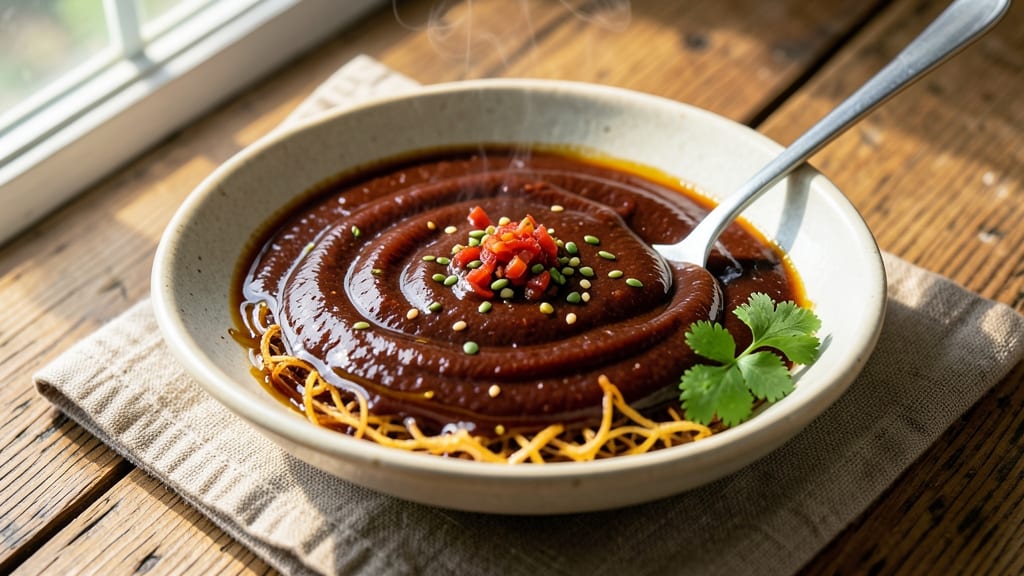
This Korean gochujang sauce recipe transforms simple pantry staples into a fermented spice powerhouse that elevates everything from stir-fries to marinades. The deep umami and subtle heat of gochujang—fermented chili paste—create a sauce that’s both complex and approachable, perfect for home cooks ready to explore bold flavors without complexity.
What makes this recipe stand out is its adaptability: vegan-friendly, shelf-stable, and versatile enough to work in savory dishes or even as a dipping sauce.
The foundation of this sauce lies in balancing gochujang’s natural heat with sweetness (brown sugar or honey) and richness (sesame oil), while garlic and soy sauce add depth. Unlike store-bought versions, this homemade blend lets you control the intensity—whether you prefer a tangy kick or a smoother, sweeter profile.
The sauce thickens as it sits, making it ideal for batch prep and long-term storage in the fridge or freezer.
What you’ll end up with is a vibrant, aromatic sauce that clings to noodles, tenderizes proteins, or adds a punch to roasted vegetables. Its versatility shines in dishes like bulgogi marinades, dumpling dips, or quick stir-fry sauces, proving that a few ingredients can deliver restaurant-quality depth.
The best part? It keeps for weeks, so you’ll always have a flavor booster on hand.
For those new to gochujang, start with a 1:1 ratio of paste to sweetener, then adjust to taste—this sauce is all about personalization. Whether you’re glazing grilled meats or drizzling over tofu, the result is a harmonious blend of spice, sweetness, and umami that transforms ordinary meals into something extraordinary.
Ingredients for korean gochujang sauce
Nine simple ingredients create this vibrant, umami-packed sauce that transforms ordinary meals into extraordinary ones.
| Ingredient | Amount | Notes |
|---|---|---|
| Gochujang Paste 🌶️ | ½ cup | Korean fermented chili paste |
| Brown Sugar 🍯 | ½ cup | Packed, light or dark |
| Sesame Oil 🫒 | ¼ cup | Toasted for nutty depth |
| Soy Sauce 🥄 | ¼ cup | Light or dark preferred |
| Rice Vinegar 🍶 | ¼ cup | White or seasoned |
| Garlic Cloves 🧄 | 6 cloves | Minced or finely chopped |
| Fresh Ginger 🌿 | 1 tbsp | Grated, peeled |
| Sesame Seeds 🌰 | 1 tbsp | Toasted, for garnish |
| Water 💧 | ¼ cup | Adjust for desired thickness |
The gochujang is the star here—look for vibrant red paste with no artificial colors or additives. Maesil Gochujang or Dong Gochujang are excellent choices, but any quality brand works. If you can't find it locally, Asian markets usually carry it, or order online. The brown sugar balances the heat, so don't skimp—it's what makes this sauce sing. Fresh garlic and ginger are non-negotiable for depth, but if you're in a pinch, garlic powder and ground ginger work at half the amount. Toast your sesame seeds in a dry pan until fragrant—they add a nutty crunch that elevates everything.
No gochujang? Mix 1 tbsp chili powder with 1 tbsp soy sauce and 1 tsp maple syrup for a quick substitute, though it won't have the same depth. Swap brown sugar for honey or agave if you prefer, but the texture will be slightly different. Sesame oil giving you trouble? Avocado oil or neutral oil works, but the flavor won't be as rich. For extra umami, add 1 tsp miso paste to the mix. The sauce thickens as it sits, so if it's too thin, simmer uncovered for 5-10 minutes. If it's too thick, thin with water or a splash of vinegar—just don't overdo it.
This sauce keeps for up to 2 weeks in the fridge, or 3 months in the freezer. Store it in an airtight jar, and the flavors will deepen over time. I like to make a big batch and keep it in the pantry—it's perfect for quick stir-fries, marinades, or drizzling over rice bowls. If you're using it as a marinade, reserve some for basting while cooking. The longer it sits, the better it gets, so don't hesitate to make extra—you'll want it on hand for everything from dumplings to grilled meats.
Why You'll Love This Recipe
- Five-Ingredient Magic: I swear by this combo—gochujang’s deep umami, brown sugar’s caramelized warmth, and that hit of sesame oil turning everything into a flavor upgrade. No fancy techniques, just stir, simmer, and let the pantry staples do the work.
- Weeknight Wonder: Between us, this sauce is my lazy dinner hero. Drizzle it over rice bowls, toss with noodles, or even slather on grilled chicken—it’s the kind of thing that turns a 20-minute meal into something that feels special.
- Leftovers That Shine: Make a double batch and thank me later. The sauce keeps for weeks in the fridge, and every time I pull it out, it’s like uncovering a secret weapon. (Yes, even on a Tuesday night.)
- Budget-Friendly Flex: Gochujang might sound fancy, but a jar lasts forever, and the rest of these ingredients? Cheap as chips. You’re basically getting restaurant-quality flavor for pennies—no small feat in my book.
Step-by-step instructions for Korean gochujang sauce
This fermented chili paste base delivers bold, balanced depth perfect for glazes, marinades, and dipping sauces.
Bloom the Gochujang and Aromatics
In a medium saucepan over medium-low heat, combine the 0.5 cup gochujang paste and 0.5 cup brown sugar. Stir continuously for 3-4 minutes until the mixture becomes smooth and slightly glossy. This step develops the sauce's foundational flavors while preventing bitterness from the fermented paste.
Add the 6 cloves minced garlic cloves and 1 tablespoon grated fresh ginger, stirring for another 1 minute until fragrant. The garlic should soften slightly but not brown—this prevents harsh flavors. Here's the thing: if you smell a strong raw garlic aroma, reduce heat to low and let it cook longer to mellow the flavor. This aromatics infusion creates the sauce's signature umami backbone.
Incorporate the Liquid Components
Pour in the 0.25 cup soy sauce, 0.25 cup rice vinegar, and 0.25 cup water all at once. Stir vigorously to dissolve the brown sugar completely—you should see a homogeneous mixture with no graininess. Increase heat to medium and bring to a gentle simmer, which should take about 2-3 minutes.
Simmer uncovered for 5-6 minutes, stirring occasionally, until the sauce thickens slightly and coats the back of a spoon. You're looking for a consistency between syrup and pudding—it should leave a visible trail when you run your finger through it. This reduction step concentrates the flavors while balancing the sauce's natural sweetness and heat.
Finish with Sesame Oil and Toast the Seeds
Remove the saucepan from heat and stir in the 0.25 cup sesame oil using a silicone spatula. The oil should emulsify immediately, creating a glossy sheen. For extra depth, I like to toast the 1 tablespoon sesame seeds in a dry skillet over medium heat for 1-2 minutes until golden and fragrant, then sprinkle them into the sauce just before serving.
Taste and adjust seasoning—you might want to add a pinch more brown sugar if it's too tangy, or a splash of rice vinegar if it needs brightness. The sauce should sing with complex flavors: sweet from the brown sugar, funky from the fermented gochujang, umami from the soy and garlic, and a bright finish from the vinegar. Let it cool slightly before using to allow the flavors to meld completely.
Control the Thickness for Perfect Application
If the sauce is too thick for your intended use (like a glaze), thin it gradually with 1 tablespoon water at a time while stirring constantly. For a thicker consistency suitable for dipping or basting, simmer uncovered for an additional 3-5 minutes until it reaches your desired viscosity. Remember, the sauce will thicken further as it cools.
Here's where it gets fun—this versatile sauce works equally well as a marinade, dipping sauce, or glaze. For marinades, use it full-strength; for glazes, thin it slightly for better brushability. Store any leftovers in an airtight container in the refrigerator for up to 2 weeks, or freeze for up to 3 months. The flavors actually deepen with time, making it perfect for batch cooking.
Pro Tips For Making Korean Gochujang Sauce
- STIR CONSTANTLY LOW HEAT: Gochujang burns faster than you’d expect—keep the sauce moving in the pan like you’re stirring a pot of oatmeal. If you walk away for even 30 seconds, you’ll end up with a bitter, charred mess instead of that glossy, balanced sauce. I learned this the hard way after turning my first batch into a smoky disaster.
- USE GRANULATED SUGAR FIRST: Brown sugar clumps like crazy when tossed straight into gochujang—it’ll make your sauce grainy and uneven. Sprinkle a tablespoon of granulated sugar in first, stir until dissolved, then add the rest of the brown sugar. This trick guarantees a smooth, silky texture without lumps.
- SALT THE SOY SAUCE: Store-bought soy sauce is already salty, but gochujang’s fermented depth can make the sauce taste flat if you don’t balance it. Add a pinch of flaky sea salt (½ tsp) directly to the soy sauce before mixing—it cuts through the sweetness and lets the umami shine.
- FINISH WITH COLD SESAME OIL: Tossing sesame oil in at the end instead of heating it preserves its nutty aroma—heat destroys it. Let the sauce cool for 2 minutes off the stove, then drizzle in the oil while stirring. Sounds weird, but it works: the sauce stays vibrant, not stale.
Wine and beer pairings for these flavors
Korean-Inspired Wine Pairings
For a perfect match, try a crisp Japanese Sake like Junmai Ginjo—its clean, slightly sweet profile balances gochujang’s heat and umami. The subtle fruit notes complement the sauce’s caramelized brown sugar, while the effervescence cuts through richness.
I love chilling mine to 45°F before serving for a refreshing contrast. 🍶
If you prefer red, opt for a light-bodied Pinot Noir from Oregon or New Zealand. The wine’s bright acidity and red fruit flavors mirror the sauce’s depth without overpowering it. Avoid heavy Cabernets—they’ll clash with the sauce’s fermented funk. A 2018 Meomi Pinot Noir is my go-to for this pairing.
Beer Pairing Secrets
A Korean-style lager like Hite or Cass is ideal—its malty sweetness and light carbonation cleanse the palate between bites. The beer’s subtle hop bitterness also enhances the gochujang’s spicy notes. Serve both at 40°F for the best experience. 🍺
For craft beer lovers, a Belgian Witbier (like Hoegaarden) works beautifully. The coriander and orange peel flavors create a citrusy contrast that brightens the sauce’s richness. The slight tartness also balances the sweetness, making each sip refreshing.
Unexpected Pairings
Try pairing this sauce with sparkling water infused with lemon slices for a palate-cleansing drink. The effervescence and citrus cut through the sauce’s intensity, making it perfect for spicy dishes. I often keep a pitcher in the fridge for quick refreshments. ✨
For a non-alcoholic option, green tea (especially jasmine or sencha) enhances the sauce’s umami without competing. The tea’s natural sweetness and earthy notes create a harmonious balance that elevates both flavors. Brew it lightly to avoid bitterness.
Nutrition facts
Frequently asked questions
Can I make this gochujang sauce without brown sugar?
Yes! Swap the brown sugar for honey or agave at a 1:1 ratio, though the texture will be slightly thinner. For a deeper caramelized flavor, try maple syrup instead. If you're avoiding refined sugar, coconut sugar works too—just reduce the water slightly since it dissolves more slowly. The key is balancing the sweetness to complement the gochujang's heat.
How spicy will this sauce be? Can I adjust the heat?
The spice level depends on your gochujang brand—most store-bought pastes range from mild to medium heat. For less heat, reduce the gochujang to 0.3 cups and add 1 tablespoon honey or maple syrup to balance. If you want extra kick, add ½ teaspoon red pepper flakes or a dash of gochugaru (Korean chili flakes) at the end. Always taste before using!
What are the best ways to use this gochujang sauce?
This versatile sauce works as a marinade for grilled meats (like chicken or tofu), a dipping sauce for dumplings or spring rolls, or a glaze for roasted vegetables. Thin it with water for stir-fries or drizzle it over ramen, rice bowls, or grilled corn. Pro tip: Reserve some for basting while cooking—it adds incredible caramelization!
Can I make this sauce vegan?
This recipe is already vegan-friendly, but double-check your gochujang for fish sauce or honey additives. If needed, replace soy sauce with tamari or coconut aminos and honey with agave or maple syrup. The sesame oil is plant-based, so no substitutions are necessary there. The result is just as rich and flavorful!
Why did my sauce separate? How do I fix it?
Separation happens when the sauce cools too quickly or if the sesame oil isn't emulsified properly. To fix it, gently reheat the sauce over low heat while whisking continuously until smooth. For prevention, stir in the sesame oil slowly while the sauce is still warm, and let it cool gradually. If it's too thick afterward, thin with 1 teaspoon water at a time until creamy again.