
Sauces & Condiments
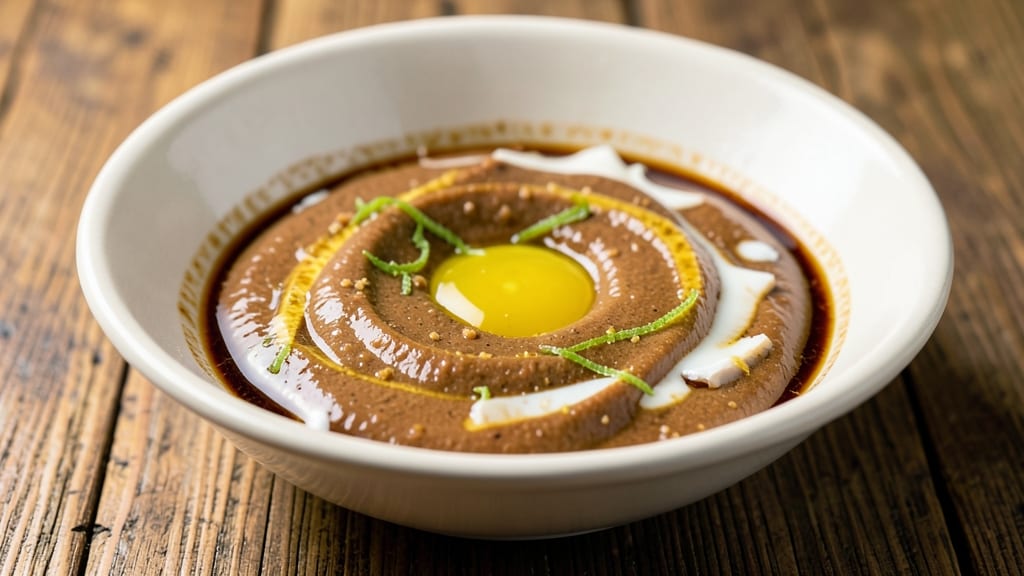
This ginger lime peanut sauce transforms ordinary grilled meats into an unforgettable dining experience with its perfect balance of zesty, nutty, and slightly sweet flavors. The secret lies in fresh ginger and lime juice, which brighten the rich peanut base while soy sauce and honey add depth.
I developed this sauce after years of experimenting with Southeast Asian-inspired dips, and it never fails to elevate dishes from good to extraordinary.
The sauce starts with creamy peanut butter blended with aromatic ginger and citrusy lime, creating a velvety texture that coats every bite. A touch of coconut milk adds richness, while soy sauce and honey provide the perfect sweet-savory contrast.
This recipe delivers restaurant-quality results in just 10 minutes, making it ideal for last-minute meals or meal prep.
What sets this sauce apart is its versatility—it works as a dip for spring rolls, a glaze for grilled chicken, or a tangy topping for noodles. The balance of flavors ensures it never overpowers the dish, instead enhancing its natural taste.
With just 8 simple ingredients, you’ll have a sauce that’s both impressive and effortless.
Store any leftovers in an airtight container in the refrigerator for up to 5 days, or freeze for 3 months without losing flavor. The sauce thickens slightly when chilled, so simply whisk in a splash of warm water to restore its smooth consistency before serving.
Ingredients for ginger lime peanut sauce
Restaurant-quality sauce starts with these eight carefully balanced ingredients.
| Ingredient | Amount | Notes |
|---|---|---|
| Creamy Peanut Butter 🥜 | ¾ cup | Natural, unsweetened preferred |
| Fresh Ginger Root 🌿 | 2 tbsp | Finely grated, aromatic variety |
| Lime Juice 🍋 | ⅓ cup | Freshly squeezed, seeds strained |
| Light Coconut Milk 🥥 | ¼ cup | Full-fat for creamier texture |
| Low-Sodium Soy Sauce 🍶 | 2 tbsp | Kikkoman preferred for balance |
| Raw Honey 🍯 | 2 tbsp | Wildflower for floral notes |
| Sesame Oil 🫒 | 1 tbsp | Toasted for nutty aroma |
| Garlic Cloves 🧄 | 2 cloves | Minced, for aromatic depth |
The peanut butter is non-negotiable—natural, unsweetened varieties ensure no artificial aftertaste. For ginger, fresh root beats powdered every time; look for plump, firm rhizomes with tight skin at Whole Foods or Asian markets. Lime juice should be freshly squeezed (never bottled)—the seeds add subtle bitterness that rounds out the sauce. Kikkoman soy sauce provides the perfect umami foundation, while raw wildflower honey adds floral complexity without overpowering. Sesame oil needs to be toasted (not refined) for that authentic nutty aroma—Trader Joe's carries excellent options at reasonable prices.
No peanut butter? Almond butter or cashew butter work in a pinch, though texture differs slightly. Substitute lime juice with lemon juice (use equal amounts), but the sauce will be slightly less tangy. Running low on coconut milk? Unsweetened almond milk thins the sauce effectively, though it lacks richness. The garlic can be omitted entirely for a milder profile, but fresh minced is ideal—jarred minced garlic lacks the same depth. For a sweeter version, increase honey to 2.5 tbsp while reducing soy sauce by 0.5 tbsp to maintain balance. Diamond Crystal kosher salt is preferred for seasoning adjustments if needed.
This sauce thickens naturally when chilled—simply whisk in 1-2 tsp warm water to restore smooth consistency before serving. Store in an airtight glass jar in the refrigerator for up to 5 days, or freeze for 3 months in ice cube trays for portion control. The sauce pairs exceptionally well with grilled proteins, spring rolls, or as a drizzle over noodle dishes. For meal prep, double the batch—it keeps beautifully and elevates multiple meals throughout the week.
Why You'll Love This Recipe
- Here’s what sold me: I can double the batch, store it in the fridge for up to a week, and it still tastes fresh. No weird texture changes, no weird flavors—just that same bold, tangy, nutty goodness. And because it’s so cheap to make, I don’t feel guilty about using half the jar of peanut butter.
- Few Ingredients, Big Payoff: I swear by this recipe because it’s that simple—just blend, taste, adjust. No fancy techniques here; you’re basically mixing pantry staples with fresh ginger and lime, then calling it a day. That’s it. Honestly, I’ve made it while chatting on the phone, and it still turns out rich and smooth.
- Zingy, Creamy, Addictive: The fresh ginger gives it a warm kick, the lime brightens everything up, and the peanut butter? It’s the velvety glue holding this whole thing together. Between us, the first time I tasted it, I immediately texted my partner, “We’re making this again tomorrow.” No exaggeration.
- Dresses Up Anything: Slather it on grilled chicken, drizzle it over noodles, or toss it with cold rice—this sauce is my secret weapon for boring meals. (Yes, even on a Tuesday night.) It works just as well for a quick weeknight dinner as it does for a fancy dinner party appetizer.
Step-by-step instructions for ginger lime peanut sauce
This vibrant sauce combines rich peanut butter with bright citrus and aromatic ginger for a perfect balance of sweet, tangy, and nutty flavors.
Prepare the Ginger and Garlic Base
In a medium saucepan over medium-low heat, combine the 0.75 cup creamy peanut butter with the 2 tbsp finely grated fresh ginger root and 2 cloves minced garlic. Stir continuously for 3-4 minutes until the mixture becomes smooth and fragrant. The ginger should release its essential oils and create an aromatic foundation for the sauce.
This gentle heating process helps emulsify the peanut butter while allowing the ginger and garlic to infuse their flavors without burning. If you notice any lumps, use a silicone spatula to work them out—this ensures a silky texture in the final sauce.
Incorporate the Wet Ingredients
Reduce the heat to low and gradually whisk in the 0.33 cup lime juice and 0.25 cup light coconut milk. Add these ingredients slowly, one at a time, to prevent the sauce from curdling. The lime juice will brighten the flavors while the coconut milk adds a creamy balance.
Continue whisking for 2-3 minutes until the sauce thickens slightly and becomes smooth. You're looking for a consistency that coats the back of a spoon but isn't too thick. If it starts to separate, add another splash of coconut milk to bring it back together.
Build Depth with Soy Sauce and Honey
Remove the saucepan from heat and stir in the 2 tbsp low-sodium soy sauce and 2 tbsp raw honey. The soy sauce adds umami depth while the honey balances the acidity of the lime. Taste the mixture and adjust the balance as needed—you may want to add a bit more honey if it's too tangy or a touch more lime if it's too sweet.
This is where the sauce comes together. The combination of these ingredients creates a harmonious blend of sweet, salty, and tangy notes. The sauce should be vibrant in color with a glossy sheen, indicating proper emulsification.
Finish with Sesame Oil and Rest
Return the sauce to low heat and stir in the 1 tbsp sesame oil. This final addition brings nutty depth and a toasty aroma that complements the peanut butter. Let the sauce simmer gently for 1 minute to allow all the flavors to meld together.
Remove from heat and let the sauce rest for 5-10 minutes before serving. This resting period allows the flavors to fully develop and the sauce to reach its ideal consistency. If it thickens too much while resting, simply whisk in a splash of warm water or coconut milk to achieve the perfect dipping consistency.
Adjust and Serve
Before serving, give the sauce one final taste and make any necessary adjustments. If it needs more brightness, add a splash of lime juice. If it needs more sweetness, add a touch of honey. The sauce should be vibrant, flavorful, and perfectly balanced.
This versatile sauce pairs beautifully with grilled meats, spring rolls, or fresh vegetables. Store any leftovers in an airtight container in the refrigerator for up to 5 days. To serve, simply whisk or shake gently to restore the smooth texture before using.
Pro Tips For Making Ginger Lime Peanut Sauce
- STRAIN THE GINGER: I learned this the hard way—grating raw ginger straight into the sauce leaves you with a grainy, fibrous mess. Pulse it in a food processor first, then strain through a fine-mesh sieve to get a silky texture. (Yes, it’s extra work, but your sauce will actually look like it belongs in a restaurant.)
- WARM THE PEANUT BUTTER: Cold peanut butter clumps like a stubborn child when mixed with coconut milk. Heat it gently in a saucepan with a splash of coconut milk (or even microwave for 10 seconds) until it’s just smooth—this prevents lumps and makes blending effortless. (Pro tip: Use creamy, not crunchy, peanut butter.)
- TAMP THE LIME JUICE: Fresh lime juice curdles coconut milk faster than you can say "sour face." Add the lime juice last, then immediately stir vigorously and let the sauce sit for 2 minutes before tasting. If it separates, whisk in a teaspoon of warm coconut milk to reconcile it. (Your future self will curse you if you skip this.)
- SALT IN LAYERS: Low-sodium soy sauce is already mild, but peanut butter and coconut milk can make the sauce taste flat. Taste as you go: add soy sauce first, then a pinch of salt, then another squeeze of lime if needed. (I used to dump it all in at once and wonder why my sauce tasted like sad takeout.)
Make-ahead tips for leftovers
Batch Prep Strategy
Double or triple the recipe when prepping ahead—this sauce keeps beautifully for 5 days refrigerated or 3 months frozen. I recommend making a full batch on Sunday for the week: store in quart-sized glass jars with tight-sealing lids.
The sauce thickens slightly when chilled, so simply whisk in 1-2 tsp warm water to restore smooth consistency before serving. 🥫
Freezer Portioning
For easy grab-and-go use, freeze the sauce in 1-tablespoon portions using silicone ice cube trays. Once frozen, transfer cubes to a ziplock freezer bag and flatten to save space. Thaw overnight in the fridge or quickly in a bowl of warm water for 5 minutes.
This method works perfectly for quick dipping sauces or glaze additions without thawing the entire batch. ❄️
Sauce Consistency Hacks
If your sauce thickens too much after refrigeration, thin it with ½ teaspoon warm water or coconut milk at a time until reaching your desired consistency. For extra richness, add 1 teaspoon full-fat coconut milk per ¼ cup of thickened sauce.
I find this adjustment particularly helpful when using the sauce as a glaze for grilled meats—it flows better without compromising flavor. 💫
Flavor Boosting
Enhance the sauce's depth by adding ½ teaspoon grated fresh galangal (if available) or ¼ teaspoon ground white pepper during the final resting period. For a smoky twist, stir in ¼ teaspoon liquid smoke just before serving. These additions elevate the sauce to restaurant-quality levels while maintaining its versatility. 🌶️
Meal Prep Pairings
Pair your prepped sauce with grilled chicken thighs or tofu spring rolls for a complete meal. I like to store pre-cooked rice in separate containers and assemble everything fresh when ready to eat.
The sauce also works beautifully as a marinade—simply brush onto proteins before grilling. This approach saves time while delivering restaurant-quality results. ✨
Storage Containers
Use glass containers with airtight lids for refrigeration to maintain freshness and prevent absorption of odors. For freezing, silicone molds or quart-sized freezer bags work best. Avoid plastic containers for long-term storage—they can leach chemicals and affect flavor. Label containers with dates to track freshness and ensure optimal quality. 📅
Nutrition facts
Frequently asked questions
Can I make this sauce without peanuts?
Yes! For a nut-free version, substitute the peanut butter with ½ cup almond butter or ½ cup cashew butter. The texture will be slightly thinner, so add 1 tbsp coconut milk to compensate. Sunflower seed butter also works but may lack the same depth of flavor.
How spicy should the ginger be?
The recipe calls for 2 tbsp fresh ginger, which provides a bright, aromatic kick without heat. For extra spice, add ½ tsp red pepper flakes or 1 tsp sriracha at the end. Fresh ginger's sharpness contrasts beautifully with the sauce's sweetness—just adjust to your taste!
Can I use powdered ginger instead of fresh?
Fresh ginger is ideal for its vibrant flavor, but if you must use powdered, reduce it to 1 tsp (about ⅙ the volume of fresh). Powdered ginger lacks the same aromatic depth, so boost other flavors with an extra ½ tbsp lime juice or ½ tsp garlic powder to compensate.
What's the best way to thin a thick sauce?
If your sauce thickens too much, whisk in ½ tsp warm water or coconut milk at a time until smooth. For a richer glaze, use full-fat coconut milk instead of water. Never add cold liquids—always warm to prevent separation. The sauce should coat the back of a spoon but remain pourable.
Is this sauce vegan?
Yes! All ingredients are naturally vegan, but check your peanut butter (some brands add honey). For extra assurance, use certified vegan peanut butter and ensure your honey substitute is plant-based. The sauce's bright flavors shine even without dairy or animal products.