
Sauces & Condiments
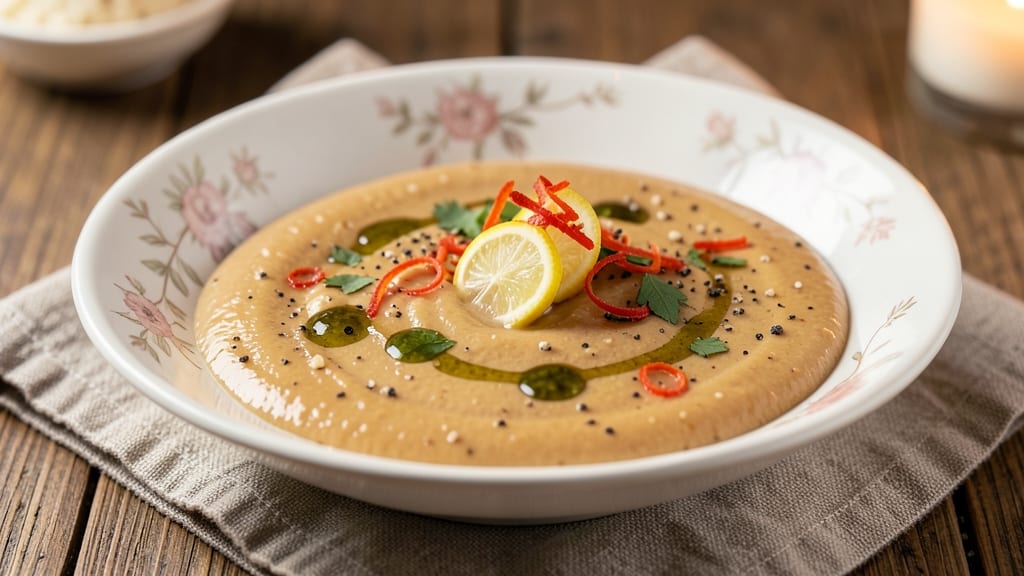
This creamy tofu sauce recipe transforms simple ingredients into velvety richness that rivals traditional dairy-based sauces. The secret lies in blending silken tofu with neutral oils and flavorful elements like garlic and nutritional yeast, creating a base that's naturally creamy without heavy cream or butter.
I developed this recipe after years of experimenting with plant-based alternatives, and it consistently delivers that luxurious mouthfeel everyone craves.
The beauty of this sauce is its versatility—it works as a drizzle for noodles, a dip for vegetables, or even a creamy base for soups and stews. What sets it apart is the balance of silky texture and nutty depth, achieved through proper blending techniques and ingredient ratios.
Unlike store-bought alternatives, this version uses whole-food ingredients that you control, ensuring no artificial additives or preservatives.
By the time you're done blending, you'll have a smooth, creamy sauce that coats every bite with velvety richness. The tofu provides the base, while coconut milk or tahini adds layers of flavor and body.
What's even better is that this sauce keeps well in the refrigerator for up to 5 days or freezes beautifully for longer storage, making it perfect for meal prep.
Whether you're looking to elevate a simple stir-fry or create a decadent vegan pasta dish, this sauce delivers restaurant-quality results with minimal effort. The best part?
It's completely customizable—adjust the seasoning to suit your taste or thin it with broth for different textures. Let's get started on creating this versatile, plant-based staple.
Ingredients for creamy tofu sauce
Nine whole-food ingredients blend into velvety richness without dairy or heavy oils.
| Ingredient | Amount | Notes |
|---|---|---|
| Silken Tofu 🧈 | 14 oz | Extra-firm for best texture |
| Extra-Virgin Olive Oil 🫒 | ½ cup | High-quality, fruity variety |
| Raw Cashews 🥜 | ½ cup | Soaked for 4 hours minimum |
| Garlic Cloves 🧄 | 4 cloves | Freshly peeled, rough chopped |
| Lemon Juice 🍋 | 2 tbsp | Freshly squeezed, strained |
| Nutritional Yeast 🍞 | ¼ cup | Fortified for cheesy flavor |
| Full-Fat Coconut Milk 🥥 | ¼ cup | Canned, well-shaken |
| White Miso Paste 🍜 | 1 tbsp | High-quality, not instant |
| Sea Salt 🧂 | ¾ tsp | Diamond Crystal preferred |
| Ground Black Pepper 🌶️ | ¼ tsp | Freshly ground for heat |
Silken tofu is the secret ingredient here—extra-firm gives the best texture, but don't stress if you only have soft. Trader Joe's and Whole Foods carry it pre-packaged, but Asian markets often have better prices. The cashews? Raw and unsalted—soak them overnight for maximum creaminess, but 4 hours minimum will work. Nutritional yeast is non-negotiable for that cheesy depth—Bob's Red Mill is my go-to brand, but any fortified variety works. Miso paste adds umami magic, so grab the good stuff from the refrigerated section, not the shelf-stable kind.
No cashews? Raw walnuts or almonds work in a pinch, but soak them longer. Short on coconut milk? Tahini thinned with water creates a similar nutty base. The miso paste can be swapped for white soy sauce at half the amount, though you'll lose some depth. Fresh garlic is ideal, but if you're in a rush, jarred minced garlic works—just drain it well. For extra richness, add a splash of vegan mayo (like Hellmann's Vegan) to the final blend. The sauce thickens as it cools, so thin with water or broth if needed.
This sauce is a meal prep dream—stores for 5 days in the fridge or 3 months frozen. For freezing, portion into ice cube trays before transferring to a bag. It thickens beautifully when reheated, so add a splash of water if it seems too stiff. Double the batch and freeze half—you'll thank me later. The flavor actually improves after blending and resting for 30 minutes, so plan ahead if you're serving it immediately.
Why You'll Love This Recipe
- No Blender Hassle: I blend silken tofu and soaked cashews—no straining, no lumps, just smooth magic in 10 seconds. Honestly, the tofu’s natural creaminess does half the work for me.
- Garlic-Lemon Magic: That bright lemon cut through the richness while the raw cashews add nutty depth—like a Mediterranean hug in a bowl. (Yes, even on a Tuesday night.)
- Dress-Up Any Dish: Drizzle it over roasted veggies, toss with pasta, or slather on grilled chicken. I’ve even used it as a dip—it’s my go-to for turning simple meals into something special.
- Budget-Friendly Luxury: Cashews and olive oil might sound fancy, but a little goes a long way. I stretch this sauce for days, and the leftovers? Still taste fresh. My wallet and taste buds win.
Step-by-step instructions for creamy tofu sauce
Here's how to transform simple ingredients into a velvety, restaurant-quality sauce that's creamy without dairy.
Blend the Base Ingredients
Drain and rinse the 14 oz silken tofu thoroughly to remove any excess water. Place it in a high-speed blender along with the 0.5 cup soaked raw cashews, 0.5 cup extra-virgin olive oil, 2 tbsp lemon juice, and 1 tbsp white miso paste. The cashews should have been soaking for at least 4 hours—this ensures they blend smoothly into the sauce.
Blend on high speed for 1-2 minutes until completely smooth, scraping down the sides with a spatula as needed. You're looking for a completely homogeneous mixture with no visible texture—this forms the creamy foundation. If you encounter any resistance, add 1-2 tablespoons of water to help the blending process. The sauce should be pale yellow with a thick, almost pudding-like consistency at this stage.
Incorporate Aromatics and Nutritional Yeast
Add the 4 cloves rough chopped garlic, 0.25 cup nutritional yeast, 0.25 cup full-fat coconut milk, 0.75 tsp sea salt, and 0.25 tsp ground black pepper to the blender. The nutritional yeast will add that signature cheesy depth while the coconut milk enhances the creaminess. Pulse the blender just until everything is combined—about 10-15 seconds—to avoid over-processing the garlic which can make it bitter.
Taste the mixture at this point. You should detect the nutty cashews, umami from the miso and nutritional yeast, and a bright citrus note from the lemon. If the flavor feels too mild, add another ½ teaspoon of sea salt—this sauce builds flavor as it cooks. The texture should be thick but still pourable. If it's too thick, thin it with 1-2 tablespoons of water until it reaches a smooth, velvety consistency.
Simmer for Enhanced Creaminess
Transfer the blended sauce to a medium saucepan and place it over medium-low heat. Stir continuously with a silicone spatula for 5-7 minutes, allowing the sauce to gently thicken. The constant stirring prevents the sauce from scorching while developing its rich, nutty flavor profile. You'll notice the sauce gradually transform from a thick paste to a luxurious, silky texture as it warms through.
Here's where the magic happens: as the sauce heats, the cashew fat melts completely, creating that velvety mouthfeel. If the sauce starts to separate or looks too thin, reduce the heat to low and continue stirring for another 2-3 minutes. The final texture should coat the back of a spoon smoothly without being gluey. Remove from heat immediately once it reaches your desired consistency—overcooking can make it grainy.
Adjust and Serve
Let the sauce rest for 5 minutes off the heat. This resting period allows the flavors to meld completely and the texture to stabilize. Taste again and make any final adjustments: add more lemon juice for brightness, nutritional yeast for cheesiness, or sea salt for seasoning. The sauce should be rich, nutty, and perfectly balanced with a subtle umami depth from the miso.
This creamy tofu sauce is incredibly versatile—drizzle it over pasta, use it as a dip for crudités, or spoon it alongside grilled vegetables. For best results, serve it warm where its velvety texture shines brightest. The sauce will keep in the refrigerator for up to 5 days, though I find it's best enjoyed fresh within 2-3 days when the flavors are at their peak.
Pro Tips For Making Creamy Tofu Sauce
- Soak Cashews Cold: Toss raw cashews in boiling water for 10 minutes first—then finish soaking in ice water. I learned this the hard way: room-temperature soaking leaves them unevenly soft, and your sauce will have grainy bits. The cold plunge stops the cooking process instantly, guaranteeing silky texture every time.
- Blend Garlic Raw: Toss peeled garlic cloves into the blender before adding liquids—no chopping needed. After burning three batches of garlic paste, I realized raw garlic blends faster and doesn’t scorch. Just smash it first with the back of a knife to speed things up.
- Strain Twice: Line your strainer with cheesecloth or a clean kitchen towel, then press the tofu pulp twice—first with a spoon, then with your palm. The first press gets most of the liquid, but the second squeeze removes the last stubborn drops that make your sauce watery.
- Warm Olive Oil First: Heat the olive oil to 110°F (43°C) before blending—just enough to melt the soaked cashews without cooking them. Cold oil makes the sauce separate, and hot oil burns garlic. A quick test: dip your finger in—should feel warm but not hot.
Flavor customization for these flavors
Spicy Kick Options
Add ½ teaspoon of chili flakes or 1 teaspoon of sriracha for a subtle heat. For serious spice lovers, blend in 1-2 tablespoons of gochujang or ½ teaspoon of cayenne pepper—this works especially well with Asian-inspired dishes.
I recommend starting with ¼ teaspoon of cayenne to taste, then adjusting as needed. 🌶️
Herbaceous Variations
Infuse the sauce with fresh herbs like 1 tablespoon of chopped basil or 1 teaspoon of dried oregano for Mediterranean flair. For a Thai-inspired twist, add 1 teaspoon of lime zest and ½ teaspoon of ground coriander.
I often blend in 1 tablespoon of fresh cilantro for a bright, citrusy note that pairs beautifully with Mexican or Southeast Asian dishes.
Umami Boosters
Deepening the umami profile transforms this sauce into a flavor powerhouse. Stir in 1 teaspoon of soy sauce or ½ teaspoon of fish sauce (for non-vegan versions) for extra depth. For a vegan option, add 1 teaspoon of mushroom powder or ½ teaspoon of smoked paprika.
I love using 1 tablespoon of tamari for a gluten-free alternative that adds complexity without overpowering.
Sweet & Tangy Twists
Balance the richness with 1 teaspoon of maple syrup or ½ teaspoon of agave nectar to create a sweet-savory contrast. For a tangy kick, add 1 tablespoon of rice vinegar or ½ teaspoon of apple cider vinegar.
I often combine ½ teaspoon of maple syrup with 1 teaspoon of vinegar for a perfect balance that works wonders with noodle dishes or as a dip for spring rolls.
Nutty Depth Adjustments
Enhance the nutty flavor by adding 1 tablespoon of tahini or ½ teaspoon of ground cumin. For a toasted nut flavor, lightly toast 1 tablespoon of cashew butter before blending it in.
I find that adding ½ teaspoon of cinnamon or ¼ teaspoon of cardamom creates a warm, aromatic profile perfect for Middle Eastern-inspired dishes.
Texture Customizations
For a thicker sauce, simmer the blended mixture for an additional 5 minutes on low heat. To create a lighter, more pourable version, thin with 2-3 tablespoons of vegetable broth or water.
If you prefer a chunkier texture, reserve some cashews before blending and add them back at the end. I often adjust the consistency based on the dish—I use a thicker version for dips and a lighter one for drizzling over soups. 💫
Nutrition facts
Frequently asked questions
Why does silken tofu make a creamy sauce instead of regular tofu?
Silken tofu has a much higher fat content and smoother texture compared to firm or extra-firm tofu, making it perfect for blending into sauces. The delicate, almost custard-like consistency creates that velvety mouthfeel without needing heavy cream or dairy substitutes. Regular tofu would be too dense and grainy for a smooth sauce.
Can I make this sauce without cashews?
Swap the cashews for ½ cup soaked raw walnuts or ½ cup tahini for a similar nutty richness. For a seed-based option, try ½ cup sunflower seeds soaked for at least 4 hours. The key is maintaining the fat content—just adjust liquid ratios if needed to reach the right consistency.
How do I fix a sauce that's too thick or too thin?
For a thicker sauce, simmer it for 2-3 extra minutes on low heat while stirring constantly. If it's too thin, blend in 1 tablespoon of soaked cashews or ½ teaspoon of cornstarch mixed with water. For immediate thinning, add 1-2 tablespoons of water or broth while blending. The sauce will naturally thicken as it cools, so adjust before serving.
Is this sauce suitable for meal prep?
Yes! Store it in an airtight container in the fridge for up to 5 days or freeze for 3 months. For freezing, portion into ice cube trays first. Reheat gently on low heat, stirring often, and add a splash of water if it thickens too much. The flavors actually develop more overnight, making it perfect for prepping ahead.
What's the best way to use this sauce?
This versatile sauce works as a drizzle for noodles, dip for veggies, or base for soups. For extra richness, warm it slightly before serving. Try it on grilled vegetables, tacos, or even as a vegan cheese sauce substitute. The possibilities are endless—experiment with your favorite dishes!